النماذج الأولية السريعة يمكن أن تكون منهجية مفيدة
جدول المحتويات
الختام
Rapid prototyping may be a beneficial method which is frequently utilized in engineering, software development, and instructional design. The main idea behind such a process is to give the team members an opportunity to quickly create and iterate on a prototype thus resulting to a higher level of creativity, more effective problem-solving and, finally, faster innovation. The present article discusses the benefits of rapid prototyping, its use in various sectors, and the reasons why it is indispensable for any design project. People who read this article will be informed about the different ways in which rapid prototyping can be employed to make the process more efficient, to raise the standard of a product and to lower the expenses. Thus, designers, engineers, and educators cannot afford to miss this article.
ما هي النماذج الأولية السريعة؟
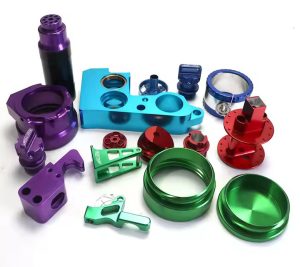
Rapid prototyping is a design process that is centered around the idea of fast production of a scaled-down version or a prototype of a product or service. The primary goal of this technique is to make the designers and engineers able to see the concept and the working of the product visually before a big production is made. Through the use of different technologies such as 3D printing, computer-aided design (CAD), and software simulations, the teams can produce models that are not only physical but also in a way the user interaction is possible.
The point of rapid prototyping is the iteration cycle. The idea is to spend less time and money on one single design, thus, the teams will be able to come up with numerous versions, test them, and get their concepts refined by real user feedback. This method is mainly useful in sectors such as software development where fast iterations can result in better user experience and functionality.
لماذا تعتبر النماذج الأولية السريعة منهجية مفيدة؟
يمكن أن تكون النماذج الأولية السريعة منهجية مفيدة لعدة أسباب. أولاً، تسمح بتكرارات أسرع، مما يمكّن الفرق من اختبار أفكارهم وتنقيحها في الوقت الفعلي. هذه السرعة أمر بالغ الأهمية في المشهد التنافسي اليوم، حيث يمكن أن يؤدي الوقت اللازم للوصول إلى السوق إلى نجاح المنتج أو فشله.ثانياً، يعزز التعاون بين الفرق متعددة الوظائف. حيث يمكن للمصممين والمهندسين وأصحاب المصلحة أن يجتمعوا معًا لتقييم النماذج الأولية وتقديم المدخلات، مما يضمن أن المنتج النهائي يلبي احتياجات المستخدم وتوقعاته. تعزز هذه البيئة التعاونية الابتكار والإبداع، مما يؤدي إلى حلول أكثر فعالية.وأخيراً، تعتبر النماذج الأولية السريعة استراتيجية فعالة من حيث التكلفة. فمن خلال تحديد عيوب التصميم في وقت مبكر من العملية، يمكن للمؤسسات تجنب التغييرات المكلفة في وقت لاحق من عملية التطوير. هذه الكفاءة لا توفر المال فحسب، بل تقلل أيضًا من مخاطر التأخير في المشروع، مما يساهم في نهاية المطاف في عملية تطوير أكثر سلاسة.
كيف يمكن مقارنة النماذج الأولية السريعة بأساليب النماذج الأولية التقليدية؟
Usually traditional prototyping methods depict a longer and more sequential way of handling the process. On the other hand, rapid prototyping is less bound to the fixed requirements as it enables continuous iterations and feedback. Whereas traditional methods might invest up to many months in perfecting one single prototype, rapid prototyping is based on the idea that more iterations result in better outcomes.
Technology is the main point where the two methods differ. Traditional prototyping is generally done manually, while rapid prototyping is done with the help of the advanced tools and software which make it possible to give quick adjustments and modifications. Such an inclusion of technology not only opens up for a more flexible designing process, but also is in line with the fast development of the modern projects.
هل يمكن للنماذج الأولية السريعة حل تحديات التصميم الشائعة؟
التغلب على عقبات التصميم
Designers are, in many cases, confronted with problems like vague requirements, modifications of the specifications, and the reception of the users’ feedback. Rapid prototyping is a tool that solves these problems by offering fast rounds of work and changes. Such flexibility helps to match the end product with the users’ needs and the objectives of the project without any difficulty.
دراسات حالة في النجاح
For instance, a technology company might employ rapid prototyping to quickly bring to life a new idea for a mobile app. In this way, the company opened the door for user input by producing a prototype. As a result, they fine-tuned the app features based on users’ needs to a greater extent. The company thus shortened the time-to-market while at the same time the chances of app success were raised substantially as a result of the iterative process.
كيف يتم تطبيق النماذج الأولية السريعة في التصميم التعليمي؟
In the field of instructional design, employing rapid prototyping might serve as a powerful tool to invent novel computer-based learning programs. Such a process gives freedom to instructional designers for the swift creation and testing of educational materials that are capable of satisfying the requirements of different types of learners. Through the successive versions of the same content, format, and delivery methods, instructors can increase the potency of their teaching aids.
As an illustration, rapid prototyping is capable of contributing to the creation of online learning modules where designers come up with the initial versions, collect feedback from learners, and modify the content according to the practical applications. This cyclic approach is a guarantee that the end product will be attractive, up-to-date, and efficient in the accomplishment of learning objectives.
ما الدور الذي تلعبه التغذية الراجعة في النماذج الأولية السريعة؟
Feedback is one of the essential elements in the rapid prototyping process. It steers the iterative development of the prototypes and provides the subsequent design decisions with the necessary information. Feedback, which can be user testing, peer reviews, or stakeholder input, is the main support for design teams in discovering their design functionalities and weaknesses. Frequently and early inclusion of feedback may raise the quality of the final product to a very high level. By knowing user needs and desires, the teams will be able to make the right changes that will improve the product’s functionality and usability. Such a collaborative way of working not only results in better outputs, but also, among team members and stakeholders, it creates the feeling of being owners.
ما هي المكونات الرئيسية للنموذج الأولي الناجح؟
العناصر الحرجة
يجب أن يتضمن النموذج الأولي الناجح المكونات التالية:
- الوظيفة: يجب أن يوضح النموذج الأولي الوظائف الأساسية للمنتج النهائي.
- سهولة الاستخدام: يجب أن يكون سهل الاستخدام وبديهيًا.
- آلية التغذية الراجعة: إن السماح للمستخدمين بتقديم الملاحظات أمر بالغ الأهمية للتحسين التكراري.
تعزيز فعالية النموذج الأولي
لتعزيز فعالية النموذج الأولي، قم بإشراك أصحاب المصلحة في وقت مبكر من العملية، وحدد أهدافًا واضحة، وقم بتحسين التصميم باستمرار بناءً على ملاحظات المستخدمين. سيساعد هذا النهج على ضمان تلبية النموذج الأولي للمتطلبات والتوقعات المطلوبة.
هل النماذج الأولية السريعة طريقة قابلة للتطبيق في جميع الصناعات؟
الاعتبارات الخاصة بالصناعة
Although rapid prototyping is beneficial in many ways, it is not appropriate for each sector. Take, for example, sectors that are heavily regulated, like the pharmaceutical industry, where quick changes and repetitions may conflict with compliance standards.
القيود والعيوب المحتملة
Rapid prototyping consumes a lot of resources, among which are time and expertise, so it may not be possible for all organizations to carry it out. Besides that, concentrating only on the fast execution of the project can result in missing some quality or functionality aspects if it is not properly supervised.
أسئلة وأجوبة
ما هي الفائدة الأساسية للنماذج الأولية السريعة؟
تسمح النماذج الأولية السريعة بتكرارات سريعة وتعليقات المستخدمين، مما يؤدي إلى منتجات أكثر دقة وسهولة في الاستخدام.
كيف تختلف النماذج الأولية السريعة عن طرق التصميم التقليدية؟
على عكس الأساليب التقليدية، تركز النماذج الأولية السريعة على السرعة والمرونة، مما يتيح للمصممين إجراء تغييرات بناءً على التغذية الراجعة في الوقت الفعلي.
هل يمكن تطبيق النماذج الأولية السريعة على المنتجات المادية؟
نعم، يمكن تطبيق النماذج الأولية السريعة على كل من المنتجات الرقمية والمادية، مثل الإلكترونيات الاستهلاكية وقطع غيار السيارات.
ما هي الأدوات المستخدمة عادة في النماذج الأولية السريعة؟
تشمل الأدوات الشائعة برامج التصميم بمساعدة الحاسوب، والطابعات ثلاثية الأبعاد، وأدوات وضع الأطر السلكية للمنتجات الرقمية.
هل النماذج الأولية السريعة فعالة من حيث التكلفة؟
في حين أن التكاليف الأولية قد تكون أعلى بسبب الموارد والخبرة المطلوبة، إلا أن الوفورات طويلة الأجل الناتجة عن انخفاض عمليات إعادة التصميم وتحسين ملاءمة المنتج للسوق غالباً ما تفوق هذه التكاليف.
تعليقات
أحدث المشاركات
مدونات ذات الصلة
Senyo مدونة تركز على تقاسم لدينا معرفة واسعة من تصنيع النموذج الأولي. من خلال مقالاتنا ، ونحن نهدف إلى دعم لك في صقل المنتج الخاص بك تصميم و التنقل تعقيدات النماذج الأولية السريعة بشكل أكثر فعالية.