Förståelse för mjuk bearbetning för optimal produktion
Innehållsförteckning
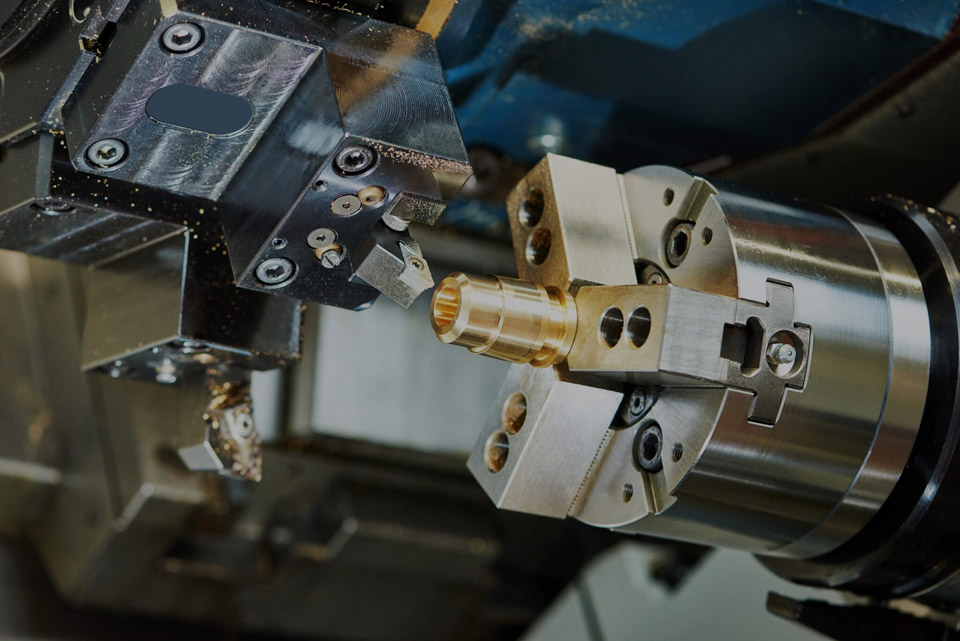
Soft machining, an essential facet of modern-day manufacturing, concentrates on shaping products that are reasonably pliable or have not yet gone through a setting process. This machining technique is fundamental for developing components with high precision and exceptional surface area finishes prior to final heat therapy or hardening. Comprehending soft machining is crucial for engineers and producers aiming to optimize their manufacturing operations, lower prices, and prolong device life. It entails diligently eliminating product from resources to achieve the wanted geometry, commonly working as an intermediary action before more aggressive difficult machining processes.
This extensive guide delves into the complexities of soft machining, discovering its applications, the products used, its benefits, and the crucial differences from hard machining. We intend to provide a clear, reliable, and involving review for anyone involved in CNC machining services and fast prototyping.
What Exactly is Soft Machining?
Soft machining, an essential facet of modern-day manufacturing, concentrates on shaping products that are reasonably pliable or have not yet gone through a setting process. This machining technique is fundamental for developing components with hög precision and exceptional surface area finishes prior to final heat therapy or hardening. Comprehending soft machining is crucial for engineers and producers aiming to optimize their manufacturing operations, lower prices, and prolong device life. It entails diligently eliminating product from resources to achieve the wanted geometry, commonly working as an intermediary action before more aggressive difficult machining processes.
This extensive guide delves into the complexities of soft machining, discovering its applications, the products used, its benefits, and the crucial differences from hard machining. We intend to provide a clear, reliable, and involving review for anyone involved in CNC-fräsning services and fast prototyping.
What are the Common Materials Used in Soft Machining?
Soft machining processes handle a diverse array of materials, primarily those that are not yet hardened. These materials used in soft machining typically possess lower hardness values, making them easier to cut and shape. Understanding these common materials used is essential for selecting the appropriate machining technique och skärande verktyg.
| Material Type | Exempel | Key Characteristics for Soft Machining | Typiska Applikationer |
|---|---|---|---|
| Steels | 1018, 4140 (annealed) | Good machinability, ductile | General purpose parts, automotive components |
| Aluminum Alloys | 6061, 7075 | Excellent machinability, lightweight | Aerospace, consumer electronics |
| Mässing | C360 | Mycket god bearbetbarhet, låg friktion | Beslag, kontakter, dekorativa delar |
| Koppar | C110 | God elektrisk/termisk ledningsförmåga | Elektriska komponenter, kylflänsar |
| Plast | ABS, Nylon, Delrin | Lätt att bearbeta, olika egenskaper | Prototyper, isolering, konsumentprodukter |
Material som lågkolstål (t.ex. 1018), aluminiumlegeringar (t.ex. 6061) och olika plaster bearbetas ofta genom mjuk bearbetning. Dessa mjuka metaller och polymerer är idealiska för bearbetning på grund av deras relativt låga hårdhet. Detta möjliggör mindre verktygsslitage och snabbare bearbetningsprocess cykler. Till exempel, mjuk bearbetning av plaster is common in the production of prototypes and custom enclosures. The ability of the maskin to precisely cut these soft materials ensures high-quality results.
How Does Soft Machining Differ from Hard Machining?
Den difference between hard machining and soft machining lies fundamentally in the material’s hardness and the bearbetningsprocess applied. Soft machining occurs when the material is in its unhardened or annealed state. Conversely, hard machining takes place after the material has undergone heat treatment, making it significantly harder. This distinction profoundly impacts everything from tool life to the selection of skärande verktyg och övergripande machining performance.
Soft machining allows for higher cutting speeds and feed rates. This is because the soft materials are more pliable, offering less resistance to the skärande verktyg. Den verktygsslitage rate is generally lower in soft machining operations jämfört med hard machining. This means skärande verktyg last longer, reducing operational costs. Hard machining, on the other hand, deals with harder materials like hardened steels and superalloys. These materials demand specialized skärande verktyg made from materials like cubic boron nitride (CBN) or ceramics, slower cutting speeds, and lower feed rates to manage intense verktygsslitage and heat generation. While soft machining allows for rapid material removal to define the general shape, hard machining typically focuses on achieving tight tolerances and superior surface finishes on the hardened part. Explore more about CNC precision machining.
What are the Key Benefits of Soft Machining for Production?
Mjuk bearbetning ger en rad betydande fördelar som bidrar till effektiv och förstklassig tillverkning. Dessa fördelar gör mjuk bearbetning till en avgörande åtgärd vid tillverkning av många precisionselement.
- Förlängd verktygslivslängd: Att arbeta med mjuka material minimerar avsevärt belastningen på skärverktyg. Detta leder direkt till längre verktygslivslängd och mindre frekventa verktygsbyten. Följaktligen minskar detta verktygskostnaderna och ökar den allmänna bearbetningsprestandan.
- Högre materialavverkningshastigheter: Den grundläggande böjligheten hos mjuka produkter gör att utrustningen kan köras med högre reduceringshastigheter och matningshastigheter. Detta påskyndar bearbetningsprocessen, vilket möjliggör mycket snabbare tillverkningscykler och ökad genomströmning.
- Kostnadseffektivitet: Minskad verktygsslitage och snabbare cykeltider bidrar till minskade tillverkningskostnader. Mjuk bearbetning är utmärkt för prototyper och tillverkning av små serier, eftersom det vanligtvis är mer ekonomiskt än svår bearbetning som kräver anpassade verktyg och enheter.
- Förbättrad ytfinish (förhärdning): Även om mjuk bearbetning inte är det sista efterbehandlingssteget, kan det uppnå en mycket bra ytfinish på ohärdade produkter. Detta skapar en solid struktur för efterföljande slutförfaranden, inklusive hård bearbetning, vilket säkerställer en slutprodukt av högsta kvalitet.
- Layoutflexibilitet: Eftersom mjuk bearbetning är en procedur som vanligtvis föregår stelning, erbjuder den större flexibilitet för stiländringar tidigt i produktionscykeln. Justeringar är mycket lättare att applicera på mjuka produkter innan de blir svårare att bearbeta.
Dessa fördelar med mjuk bearbetning betonar dess betydelse i modern tillverkning, vilket möjliggör tillförlitlig tillverkning av högkvalitativa komponenter.
Var är tillämpningen av mjuk bearbetning vanligast?
Den tillämpning av mjuk bearbetning spänner över många branscher, vilket bevisar dess mångsidighet och nödvändighet i modern tillverkning. Det används främst när delar kräver formning före härdning eller när materialet i sig är mjukt.
Medicinsk industri
Mjuk bearbetning är avgörande inom den medicinska industrin. Den skapar intrikata komponenter för medicinska apparater från material som biokompatibel plast och mjukare metaller. Prototyper för kirurgiska instrument, implantat och diagnostisk utrustning genomgår ofta mjuk bearbetning. Detta säkerställer hög kvalitet och exakta initiala geometrier. Till exempel bearbetas delar för ortopediska apparater eller höljen för känslig elektronik ofta i sitt mjuka tillstånd före eventuella slutbehandlingar. Läs mer om prototyptillverkning av medicintekniska produkter.
Fordonsindustrin
Inom fordonssektorn, mjuk bearbetning används i stor utsträckning för att skapa motorkomponenter, transmissionsdelar och chassielement. Många av dessa delar börjar som mjuka metaller eller legeringar, som sedan bearbetas exakt innan de härdas för hållbarhet och prestanda. Denna initiala formning med soft machining allows för noggrann skapande av komplexa geometrier och funktioner. Komponenter som växlar, axlar och hus bearbetas rutinmässigt med mjuka bearbetningstekniker. Upptäck mer om prototyptillverkning för fordon.
Flyg- och rymdindustrin
Flygindustrin kräver oöverträffad precision. Soft machining är avgörande för att tillverka komponenter av aluminiumlegeringar och andra mjuka metaller som används i flygplansstrukturer, motordelar och landningsställ. Dessa material som aluminium 6061 och 7075 är lätta att bearbeta i sitt mjuka tillstånd, vilket möjliggör att komplexa geometrier kan skapas med hög kvalitet och snäva toleranser. De bearbetningsprocessen använder avancerad CNC-maskiner för att säkerställa att varje komponent uppfyller strikta flygindustristandarder.
Konsumentelektronik
Mjuk bearbetning används ofta inom konsumentelektronikindustrin för att skapa höljen, interna strukturkomponenter och prototyper. Material som plast (t.ex. ABS, polykarbonat) och mjuka metaller är idealiska för mjuk bearbetning av plaster. Detta möjliggör snabb prototyptillverkning och effektiv produktion av elektroniska enhetskapslingar med utmärkta ytfinisher. Utforska prototyptillverkning av konsumentprodukter.
Detta breda utbud av tillämpning av mjuk bearbetning belyser dess kritiska roll i olika tillverkningssektorer.
När ska du välja mjuk bearbetning framför hård bearbetning?
Beslutet mellan mjuka verktyg and hard tooling is a tactical one, heavily affecting task cost, preparation, and component quantity. Both kinds of tooling have their particular benefits, yet soft tooling usually beams in particular circumstances.
Mjuka verktyg describes mold and mildews or components made from less long lasting tooling products like aluminum, softer steels, or perhaps certain resins. It is typically more affordable and quicker to generate than difficult tooling. This makes mjuka verktyg an excellent option for prototyping, low-volume production runs, or when style changes are expected. For example, in rapid prototyping for new item growth, using soft tooling permits designers to swiftly create models and iterate on designs without dedicating to pricey, taxing hard tooling. This technique aids validate designs and conduct market testing successfully.
On the other hand, difficult tooling involves molds made from hard steel or various other highly durable products. While much more pricey and slower to generate at first, hard tooling supplies exceptional longevity and precision for high-volume production. It withstands the rigors of millions of cycles, making it the best alternative for mass production where consistency and device life are extremely important. The distinction in between tough and soft tooling often comes down to the project’s scale and lifecycle. If your machining task needs versatility and speed in beginning, soft tooling is the clear champion. If you need durable, durable tools for mass production, hard tooling is important.
What Are the Challenges of Working with Soft Materials in Machining?
Arbetar med soft materials i bearbetningsprocess presents its own set of unique challenges. While soft machining offers advantages like faster material removal and longer tool life, engineers must be aware of potential issues to ensure hög kvalitet outcomes.
One primary challenge is burr formation. Soft materials like aluminum or certain plastics are prone to forming burrs during cutting. This requires additional deburring operations, which can add time and cost to the overall bearbetningsprocess. Another concern is material deformation. Soft materials lätt kan deformeras eller förlora sin form under bearbetning på grund av överdriven bearbetningskrafter eller felaktig fastspänning. Detta kräver noggrant val av skärparametrar och fixturdesign. Till exempel, borrning i mjuk bearbetning kräver en vass borr och lämpliga matningshastigheter för att förhindra materialutdragning eller överdriven värmeutveckling.
Spånevakuering utgör också en utmaning. Mjuka och duktila material producerar ofta långa, trådiga spånor som kan trassla in sig runt skärande verktyg eller arbetsstycket, vilket leder till ytfel eller till och med verktygsbrott. Effektiv spånhantering, ofta med optimerade skärstrategier och kylvätskeapplikation, blir avgörande. Slutligen, uppnå snäva toleranser vid mjuk bearbetning kan vara svårt på grund av materialets tendens att deformeras. Precisionsfixturer och noggrant kontrollerade skärmiljöer är avgörande för att upprätthålla dimensionsnoggrannhet. Att ta itu med dessa utmaningar är nyckeln till framgångsrik mjuk bearbetning och producera hög kvalitet delar.
Kan mjuk bearbetning användas för prototyptillverkning och produktion i små volymer?
Absolut. Mjuk bearbetning är idealisk för prototyptillverkning and low-volume production. In fact, it is often the preferred machining method for these applications due to its cost-effectiveness, speed, and flexibility. When developing new products, companies frequently need to create multiple iterations of a design to test functionality, form, and fit. Soft machining allows for quick turnaround times for these prototypes.
Consider the scenario of a startup developing a new consumer electronic device. They need several prototypes for investor presentations, functional testing, and market feedback. Using mjuk bearbetning for components made from materials like plastic or aluminum enables them to rapidly produce these prototypes at a fraction of the cost and time compared to traditional hard tooling eller hard machining methods. This iterative process is crucial for refining designs before committing to mass production. Refer to consumer product prototyping for more information.
Moreover, for specialized or niche products that only require limited quantities, mjuk bearbetning offers an economical solution. It avoids the significant upfront investment associated with hard tooling, making it an attractive option for businesses that need hög kvalitet parts without the need for millions of units. This flexibility makes mjuk bearbetning invaluable in bridging the gap between design conception and full-scale manufacturing.
What Specific Techniques Are Employed in Soft Machining?
Soft machining encompasses a variety of techniques, each tailored to efficiently remove material and achieve specific geometric features on unhardened parts. The choice of machining technique depends on the material, the complexity of the part, and the desired precision.
- Fräsning: This is one of the most common mjuka bearbetningstekniker. A milling machine uses rotating multi-point skärande verktyg to remove material from a workpiece. It is highly versatile, capable of creating flat surfaces, slots, pockets, and complex 3D contours. For mjuka metaller and plastics, milling can achieve high material removal rates and excellent surface finishes.
- Vänder: Used primarily for creating cylindrical parts, turning involves rotating the workpiece against a stationary single-point skärande verktyg. Detta bearbetningsprocess is highly effective for shaping shafts, pins, and other rotational components. Explore CNC turning services.
- Borrning: This technique creates holes in a workpiece. In mjuk bearbetning, drilling can be performed rapidly due to the material’s lower hardness. Precise drilling is crucial for assembly and fastening.
- Tråkigt: After drilling, boring refines an existing hole, increasing its diameter and improving its accuracy and surface finish. This is particularly useful when snäva toleranser vid mjuk bearbetning are required for internal features.
- Slipning: Även om det ofta förknippas med hard machining, some forms of grinding are also used in mjuk bearbetning for achieving very fine surface finishes or precise dimensions on unhardened materials.
- Sågning: This is a basic material removal technique used to cut raw stock into smaller, more manageable pieces before more detailed soft machining operations.
Var och en av dessa mjuka bearbetningstekniker contributes to the versatility and effective machining of unhardened materials, allowing manufacturers to produce hög kvalitet components efficiently.
How Does Tooling and Fixturing Impact Soft Machining Performance?
The choice and style of tooling and fixturing profoundly affect soft machining performance. Proper tooling and fixturing are crucial to attain excellent quality outcomes, minimize device wear, and guarantee the security of the work surface throughout the machining process.
För mjuk bearbetning, cutting devices made from high-speed steel (HSS) or carbide are frequently used. HSS tools are a lot more budget friendly and offer great performance with soft metals and plastics, while carbide devices use exceptional hardness and wear resistance, expanding device life also additionally. The geometry of the cutting tools, including rake angle and helix angle, is optimized for cutting soft and ductile materials to stop burr development and enhance chip discharge. As an example, sharper cutting edges are usually favored when dealing with soft materials to decrease machining pressures and decrease the risk of contortion.
Fixturing in soft machining focuses on securely holding the work surface without triggering deformation or damages. Soft jaws are frequently used in vices to hold soft products delicately but strongly, avoiding squashing or altering of the surface. Vacuum fixtures or specialized clamps can additionally be utilized, depending upon the part geometry and material. Effective fixturing ensures workpiece rigidness, protecting against vibrations that can lead to poor surface coating or dimensional errors. The synergy between enhanced cutting devices and durable fixturing is important for making best use of overall machining performance and creating excellent quality parts in soft machining procedures
What are the Future Trends in Soft Machining?
Området för mjuk bearbetning continues to evolve, driven by advancements in material science, maskin technology, and manufacturing demands. Several key trends are shaping the future of this critical machining method.
One significant trend is the increasing integration of automation and artificial intelligence (AI) in soft machining operations. AI-powered systems can optimize machining parameters in real-time, adapting to variations in material properties and verktygsslitage to enhance efficiency and maintain hög kvalitet. This leads to more precise control over the bearbetningsprocess, further extending tool life and reducing human intervention.
Another trend involves the development of new skärande verktyg and coatings specifically designed for soft materials. Dessa innovationer syftar till att ytterligare minska friktionen, förbättra spånevakueringen och förlänga tool life bortom nuvarande kapacitet. Till exempel undersöks specialiserade diamantliknande kolbeläggningar (DLC) för att förbättra prestandan hos skärande verktyg när bearbetning av mjuka metaller och plaster, vilket ger en betydande fördel jämfört med traditionella hårda beläggningar.
Dessutom ökar efterfrågan på mjuk bearbetning inom medicin och flygindustrin fortsätter att driva på för högre precision och förmågan att bearbeta mer komplexa geometrier. Detta driver innovation inom fleraxlig CNC-maskiner, vilket möjliggör skapandet av invecklade delar med färre inställningar. Som material kan bli mer varierande och design mer komplexa, mjuka bearbetningstekniker kommer att anpassa sig och erbjuda ännu större mångsidighet och effektivitet. Dessa trender säkerställer att mjuk bearbetning förblir en dynamisk och oumbärlig del av modern tillverkning.
Slutsats
Mjuk bearbetning är en form av machining as a material removal process that is indispensable in modern manufacturing. It allows for the efficient and precise shaping of unhardened materials, serving as a crucial preliminary step before hard machining or as a standalone process for softer components. Its advantages, including extended tool life, higher material removal rates, and cost-effectiveness, make it ideal for prototyping, low-volume production, and a wide array of industrial applications. While challenges exist, such as burr formation and potential material deformation, careful planning and optimized machining technique can mitigate these issues, ensuring hög kvalitet outcomes.
Förståelse för differences between hard and soft machining empowers manufacturers to select the most appropriate strategy for their specific needs, enhancing efficiency and product quality. As technology advances, mjuk bearbetning will continue to evolve, offering even greater precision and versatility in shaping raw materials into precise components. Embrace the power of mjuk bearbetning to optimize your production processes and achieve superior results.
Kommentarer
Senaste Inlägg
Relaterade Bloggar
Senyo blogg är fokuserad på att dela med oss av vår omfattande kunskap av prototyp-tillverkning. Genom våra artiklar, har vi som mål att stödja dig i att förfina din produkt design och navigering i komplicerade rapid prototyping mer effektivt.