Logrando Acabados de Superficie Superiores: El Arte del Pulido
Tabla de Contenido
El pulido trasciende la simple estética. Elimina activamente los defectos de fabricación. Esto asegura que los artículos posean tanto atractivo visual como integridad funcional. Ya sea que su objetivo sea una apariencia mejorada, un rendimiento mejorado o ambos, el abrillantado es importante para satisfacer los exigentes requisitos de alta calidad y rendimiento. Comprender los matices de este procedimiento de acabado superficial es, por lo tanto, esencial.
Revelando el proceso de pulido
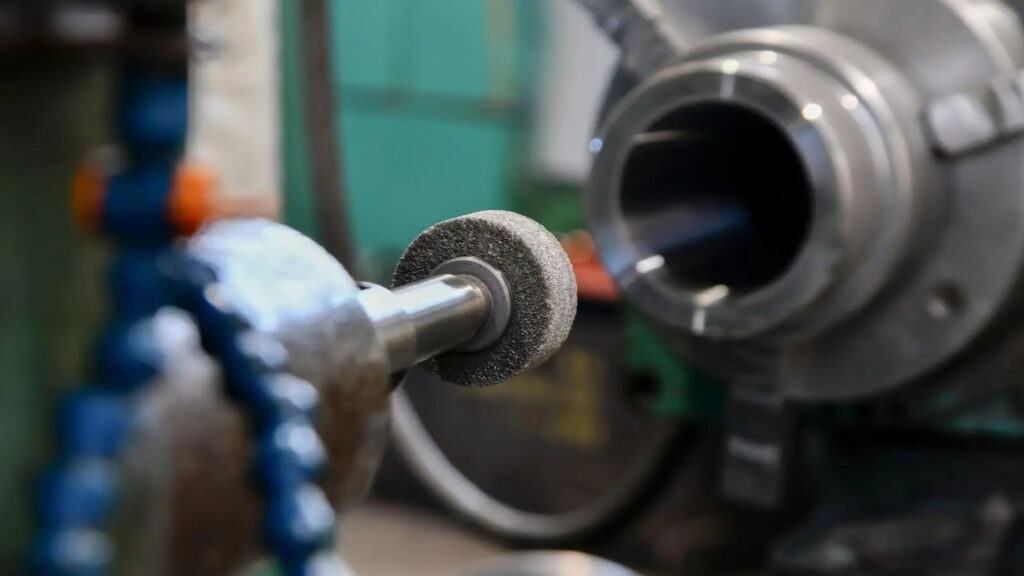
Una estrategia de mejora de la superficie El pulido refina el área de la superficie de un material. Suaviza la textura y reduce la rugosidad. Este proceso es básico para lograr un revestimiento de espejo o mejorar la resistencia a la oxidación, particularmente en metales como el acero inoxidable. La elección cuidadosa de abrasivos y técnicas devuelve mejoras sustanciales en el área de la superficie. Por lo tanto, el pulido juega un papel importante en diversos dominios de producción.
Las etapas del pulido
El procedimiento de abrillantado aumenta minuciosamente las superficies mundanas. Se enfoca en la reducción de la rugosidad del área de la superficie y la mejora de la apariencia. Esto es fundamental para lograr altas cualidades estéticas y útiles deseadas en la fabricación. El viaje de pulido comprende numerosas etapas distintas, cada una de las cuales contribuye a la mejora de la pieza de trabajo.
1. Preparación de la superficie: la base de la excelencia
El trabajo de preparación de la superficie comienza la serie de abrillantado. Comienza con una evaluación del estado actual del material. Este examen guía la elección de abrasivos adecuados. La desagradable elección desarrolla la estructura para todos los pasos posteriores. Para productos que muestran rasguños o anomalías profundas, es necesario un abrasivo más grueso. Esto elimina los defectos, preparando la superficie para un abrillantado más fino. Una preparación adecuada asegura el rendimiento y la eficiencia de toda la operación.
2. Desbaste: abordando defectos superficiales importantes
El desbaste aborda problemas importantes del área de la superficie. Los hoyos, las mellas y los rasguños profundos entran en esta etapa. Aquí se emplean abrasivos resistentes, generalmente en el rango de grano 60 a 80. El objetivo es eliminar estas imperfecciones. Esto produce una superficie mucho más consistente. Esta etapa es crucial. Suaviza el producto. Esto hace que las fases de abrillantado posteriores sean más efectivas. Sin un desbaste suficiente, la última superficie puede conservar defectos visibles. Esto compromete el resultado final del pulido.
3. Pulido intermedio: refinamiento gradual
Cumpliendo con el desbaste, el abrillantado intermedio refina aún más la superficie. Esta etapa utiliza abrasivos progresivamente mejores. Los granos como 120, 180 o 220/240 son frecuentes. El propósito es reducir la presencia de imperfecciones dejadas por la fase de desbaste. Esta mejora prepara el producto para las etapas finales. Asegura una base amplia para un abrillantado fino.
4. Pulido fino: lograr la máxima suavidad
El pulido fino representa la etapa final del alisado de la superficie. Esta fase utiliza abrasivos aún más finos. Los granos generalmente varían de 320 a 400 y más. El abrillantado fino es crucial para los revestimientos de superficie de alta calidad. A menudo resulta en una apariencia de espejo. Esta fase elimina las pequeñas imperfecciones restantes. Prepara el producto para los últimos retoques como el pulido o el acabado. Esto asegura una apariencia impecable y un rendimiento óptimo.
5. Frotamiento: mejora de la superficie final
El frotamiento es una fase clave de refinamiento. Se enfoca en el acabado del área de la superficie final deseada. Las ruedas de pulido colaboran con numerosas sustancias de pulido. Estos están unidos a máquinas o taladros de alta velocidad. El pulido incluye dos movimientos principales: corte y color.
Movimiento de corte: esto desarrolla una superficie uniforme y semibrillante. La pieza de trabajo se traslada contra el giro de la rueda de pulido. Se aplica estrés de herramienta a difícil.
Color Motion: This imparts a clean, brilliant, glossy surface. The workpiece relocates with the wheel’s turning. Lighter stress is used.
These methods are critical for achieving a smooth and aesthetically pleasing surface.
6. Brightening: Maximizing Surface Luster
Lightening up, commonly described “color activity” in buffing, offers the last visual improvement. This phase makes use of lighter touches and specialized techniques. It raises surface reflectivity and brightness. This leads to a glossy, aesthetically appealing coating. This is especially vital where look is extremely important. Lightening up boosts aesthetics and contributes to total top quality.
7. Defense: Preserving the Finish
Protective steps are critical during polishing. Lubricants like wax and kerosene serve dual functions. They lube and cool down the surface. These substances shield the surface from heat-generated damage. By minimizing rubbing and air conditioning, they avoid surface area roughness. This makes certain the finish stays smooth and intact.
8. Final Inspection: Verifying Quality Standards
Last inspection ends the brightening process. The surface area undergoes careful exam. This ensures it fulfills specified standards. The assessment checks for recurring blemishes. Irregularities or device marks are recognized. The goal is a premium surface area coating. Regular texture and absence of visible flaws are paramount. This action confirms the finished product complies with market criteria.
Diverse Polishing Techniques
Polishing methods vary based on material, desired finish, and application. Each technique possesses unique characteristics suitable for different manufacturing needs.
| Polishing Technique | Primary Mechanism | Key Applications |
| Mechanical Polishing | Abrasive removal of surface imperfections | General surface smoothing, mirror finishes on metals |
| Chemical Polishing | Selective dissolution of surface material | Difficult-to-polish geometries, uniform finish, corrosion resistance |
| Electropolishing | Electrochemical dissolution of high points | Medical instruments, aerospace, food processing (high cleanliness required) |
| Vibratory Polishing | Tumbling parts with media in a vibrating container | Deburring, mass finishing of small parts (automotive, jewelry) |
| Pulido | Using buffing wheels and compounds for luster enhancement | Final gloss, removing fine scratches (automotive, aerospace, jewelry) |
| Lapping | Slow, controlled abrasive process on a flat plate | Precision flatness, tight tolerances (semiconductors, aerospace) |
| Barrel Polishing (Tumbling) | Rotating parts with media in a barrel | Mass finishing, deburring, surface smoothing of small parts |
| Abrasive Flow Polishing | Pressurized abrasive media through passages or on surfaces | Internal surface finishing, complex geometries (aerospace, automotive) |
| Ultrasonic Polishing | High-frequency vibrations of a tool with abrasive paste | Fine details, hard-to-reach areas, mold polishing |
| Flame Polishing | Applying high-temperature flame to melt surface layer | Thermoplastics, especially acrylics (edge polishing, scratch removal) |
Selecting the Optimal Polishing Technique
Selecting the ideal sprucing up method is important. It makes certain the wanted surface coating. Several elements guide this decision.
Tipo de material: The product’s firmness, make-up, and density determine the method. Stainless-steel’s toughness may demand mechanical sprucing up. Softer plastics might benefit from flame polishing.
Desired Surface Finish: The target look, from a matte finish to a mirror polish, identifies the strategy. Electropolishing master attaining corrosion resistance and level of smoothness. Mechanical sprucing up matches accuracy requirements.
Surface Area Complexity: Intricate layouts or complex geometries might call for ultrasonic or vibratory sprucing up. These methods reach all areas properly.
Manufacturing Volume and Speed: High-volume manufacturing favors faster methods like barrel sprucing up. Precision work may focus on methods like lapping, despite its slower rate.
Price and Equipment Availability: Budget and device access affect the option. Abrasive flow polishing demands specialized tools, influencing total costs.
Materials Amenable to Polishing
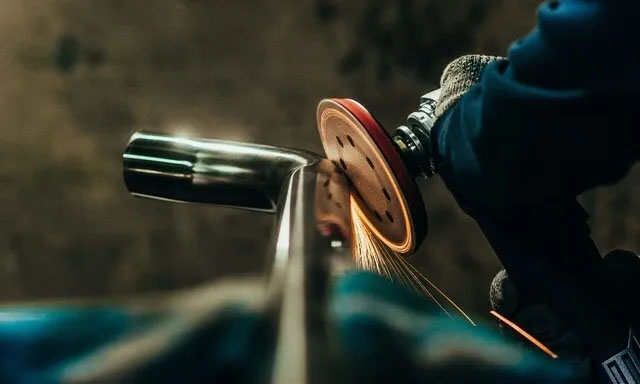
Polishing is a versatile procedure. It applies to a wide variety of products. Each product requires particular techniques for optimal outcomes.
- Steels: Stainless steel, light weight aluminum, copper, and brass are typically brightened. This improves their surface coating, lowers roughness, and boosts corrosion resistance. Mechanical and chemical polishing are prevalent.
- Glass: Glass brightening uses cerium oxide or other abrasives. It frequently combines chemical and mechanical approaches. This attains clarity and smoothness for lenses and mirrors.
- Rock: Polishing marble and granite improves their natural beauty. Ruby abrasives and mechanical sprucing up are regular. This enhances durability and stain resistance.
- Ceramics: Polishing ceramics, understood for firmness, makes use of ruby abrasives. This produces smooth, reflective surfaces for components. It enhances wear and deterioration resistance.
- Madera: Sanding with considerably better grits is standard. Polishing compounds or waxes improve look and security. This prevails in furnishings production.
- Compounds: Carbon fiber and fiberglass call for mindful polishing. Mechanical approaches with particular abrasives are used. This stays clear of damaging the fiber structure. Gel coat polishing is additionally usual.
Plastic Polishing
Plastics can be brightened, however it needs details techniques. The objective is to improve clearness, get rid of flaws, and restore a shiny surface.
Acrylic and Polycarbonate: These plastics polish well. Mechanical sprucing up makes use of fine abrasives. Avoid extreme warm to prevent warping. Chemical polishing is additionally an option, however requires cautious application.
Desafíos: Plastics are prone to heat and chemical damages. Over-polishing can cause surface area crazing. Correct tool choice and technique are paramount to avoid material destruction.
Industry Applications: Where Polishing Shines
Surface polishing finds extensive use across industries. It enhances both functionality and aesthetics.
Automóvil: Improves car part appearance, yielding mirror finishes on trim.
Productos sanitarios: Ensures instruments are free from roughness, reducing contamination risks.
Aeroespacial: Reduces friction in components, boosting performance and durability.
Electrónica de consumo: Creates sleek, reflective surfaces for devices.
Metallography: Produces defect-free surfaces for microstructure examination.
Food Processing: Enhances cleanliness and corrosion resistance in equipment.
Jewelry: Magnifies luster and visual appeal.
Piping Systems: Prevents corrosion and maintains pipe integrity.
Pros and Cons of Polishing
Polishing deals substantial advantages, but also presents drawbacks.
Pros:
Enhances Aesthetics: Provides a smooth, glossy finish.
Rises Corrosion Resistance: Particularly in steels, reducing surface roughness.
Reduces Contamination Risks: Essential in medical and food markets.
Boosts Surface Functionality: Lowers rubbing for far better performance.
Assists In Inspection: Aids microscopic assessment in metallography.
Cons:
Expense: Can be costly, especially for intricate shapes or specialized techniques.
Lengthy: Achieving premium surfaces demands considerable time.
Material Wear: Excessive polishing can thin the product or eliminate protective layers.
Skill-Dependent: Consistent outcomes call for competent operators.
Durability of Polished Surfaces: A Matter of Material and Process
Surface-polished parts can exhibit high durability. This depends upon the product and the brightening process employed. Polishing boosts the surface area coating. It lowers roughness, boosting resistance to deterioration and wear. This is especially useful for parts in harsh environments, like stainless-steel. Material thickness and application likewise influence toughness.
Essential Tools for Polishing
Achieving a premium coating needs specific equipments and devices.
- Polishing Machines: Belt grinders, orbital sanders, buffing equipments.
- Rotary Buffing Tools: For accomplishing mirror finishes.
- Apartment Wheels: For smoothing abnormalities.
- Polishing Pads: Used with chemical solutions.
- Unpleasant Compounds: For eliminating flaws.
- Hand Tools: For thorough job.
- Chemical Polishing Solutions: For smooth, corrosion-resistant coatings.
- Measurement Tools: Surface roughness testers guarantee preferred surfaces.
Common Polishing Pitfalls and Their Avoidance
A number of mistakes can endanger the last surface area coating.
Over-Polishing: Removes way too much product. Display time and stress.
Inconsistent Pressure: Creates irregular appearances. Preserve consistent stress.
Incorrect Abrasives: Fails to remove flaws or creates scratches. Use proper grits.
Neglecting Surface Preparation: Leads to poor outcomes. Always start with comprehensive preparation.
Overlooking Equipment Maintenance: Worn tools generate inconsistent outcomes. Keep or change tools regularly.
Incorrect Speed Settings: Causes overheating or not enough sprucing up. Readjust rate per material and strategy.
Missing Intermediate Steps: Leaves noticeable flaws. Adhere to a detailed process.
Expert Tips for Optimal Polishing Results
Achieving exceptional surfaces needs attention to detail.
Select Right Tools/Materials: Use correct abrasives for the material.
Control Pressure and Speed: Maintain consistent stress and change rates.
Follow Step-by-Step Process: Progress from rugged to fine abrasives.
Preserve Cleanliness: Prevent contamination by cleaning workpieces and devices.
Monitor Surface Temperature: Prevent bending or discoloration.
Check Surface Frequently: Catch problems early for timely adjustments.
Maintaining Polished Surfaces: Preserving the Finish
Regular care preserves sleek surfaces.
Limpieza regular: Use soft fabrics and mild cleaners.
Prevent Harsh Chemicals: Prevent degradation of the surface.
Protect from Environmental Damage: Shield from wetness, warm, and rust.
Reapply Protective Coatings: Maintain luster and protection.
Lover Out Minor Scratches: Use polishing substance for tiny blemishes.
Shop Properly: Protect from dirt and damages when not in use.
The Cost Factor: Understanding Polishing Expenses
Polishing costs vary. Variables include material type, wanted coating, and work surface intricacy. Brightening stainless-steel to a mirror coating demands even more time and specialized devices. Fundamental brightening solutions may cost 20 − 100 USD per hour. Complex surface areas or high-precision demands increase expenses. Mechanical sprucing up is normally more cost effective than chemical or electropolishing.
Alternatives to Polishing: Exploring Other Surface Finishes
Other surface finishing techniques exist besides polishing.
Electropolishing: Electrochemical material removal for improved finish and corrosion resistance.
Granallado: Uses abrasive particles for cleaning or finishing, creating uniform texture.
Recubrimiento en polvo: Offers durability and aesthetic enhancement via protective coating.
Anodizado: Increases oxide layer thickness on metal surfaces electrochemically.
Buffing: Similar to polishing but uses softer abrasives for a glossy finish.
Sanding: Mechanical surface smoothing with abrasive paper or machines.
Lapping: Precision finishing for extremely flat surfaces.
Passivation: Enhances stainless steel corrosion resistance by removing free iron.
Distinguishing Lapping from Polishing: Precision vs. Aesthetics
Lapping and brightening differ in approach and outcomes.
Lapping: A precision process using abrasive grains and liquid. It creates very flat surfaces. Lapping is slow but yields high precision. It’s ideal for applications needing flatness and parallelism.
Pulido: Uses softer abrasives and compounds. It removes imperfections for a mirror-like finish. Polishing focuses on smoothness and shine. It’s suitable for aesthetic applications and low-friction surfaces.
Polishing vs. Buffing: A Fine Distinction
Polishing and buffing are often confused, but they are distinct processes.
Pulido: A mechanical process using abrasives to remove surface roughness. It’s typically multi-step, moving from coarse to fine abrasives. The goal is a smooth, highly shiny surface.
Buffing: A finishing process that follows polishing. It uses buffing wheels and fine abrasive pastes. Buffing further enhances shine and smoothness. It removes very fine scratches left by polishing. It’s often used for decorative finishes and high gloss.
Conclusión
Polishing is a vital manufacturing step. It enhances visual appeal and ensures durability. It protects surfaces from corrosion and oxidation. Industries from medical to aerospace increasingly integrate surface finishing. Polishing guarantees products are free from imperfections. Mastering polishing techniques and tools ensures products meet industry standards. It ultimately exceeds customer expectations. Surface finish quality directly impacts part performance and longevity. This makes it an essential element of successful production.
Comentarios
Últimas Entradas
Blogs Relacionados
Senyo del blog se centra en compartir nuestro amplio conocimiento de la fabricación de prototipos. A través de nuestros artículos, nuestro objetivo es apoyar a usted en refinar el diseño del producto y navegar por las complejidades de la creación rápida de prototipos de forma más efectiva.
Optimización de las tolerancias del moldeo por inyección de piezas de plástico
28 de noviembre de 2024
Leer Más " 
Fabricación de piezas de acero inoxidable OEM: Resistentes y duraderas
13 de marzo de 2025
Leer Más " 
Creación rápida de prototipos de plástico: Innovación en el desarrollo de productos
12 de noviembre de 2024
Leer Más " 
Tiendas de mecanizado CNC cerca de mí: Soluciones para líneas de montaje
21 de noviembre de 2024
Leer Más "