Mencapai Hasil Akhir Permukaan Unggul: Seni Pemolesan
Daftar Isi
Polishing transcends simple aesthetics. It actively eliminates manufacturing defects. This makes sure items possess both visual appeal and functional integrity. Whether your goal is enhanced appearance, enhanced performance, or both, brightening is important for satisfying demanding top quality and performance requirements. Comprehending the nuances of this surface ending up procedure is as a result essential.
Revealing the Polishing Process
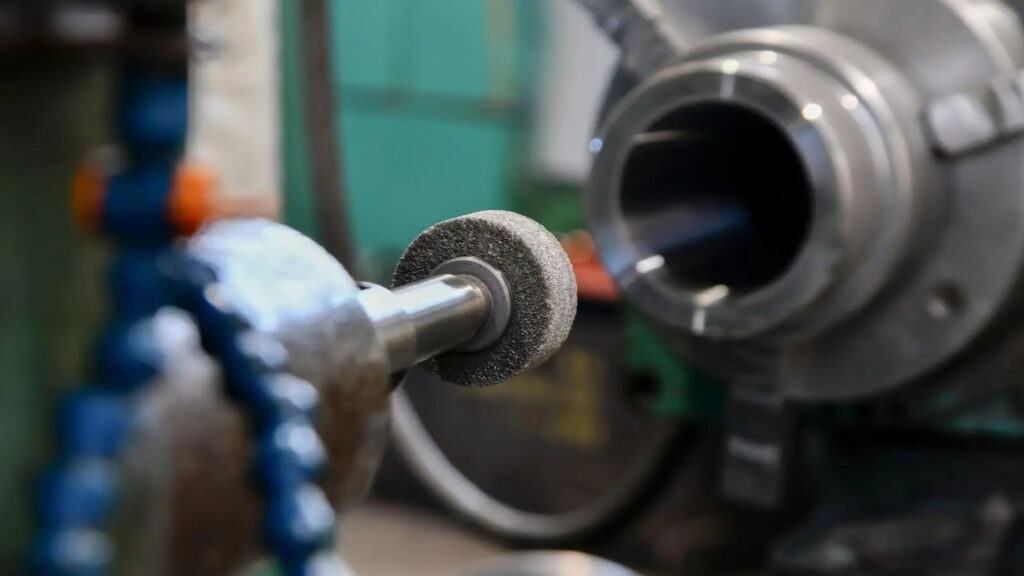
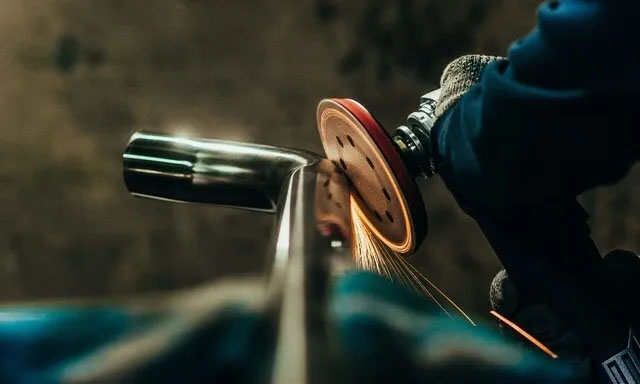
A Surface Enhancement Strategy Polishing refines a material’s surface area. It smooths texture and reduces roughness. This process is basic for attaining a mirror coating or improving rust resistance, particularly on metals like stainless-steel. Cautious choice of abrasives and techniques returns substantial surface area enhancements. Polishing hence plays an important role across varied production domain names.
The Stages of Polishing
The brightening procedure thoroughly boosts worldly surfaces. It targets surface area roughness decrease and appearance enhancement. This is integral to achieving preferred aesthetic and useful high qualities in manufacturing. The polishing trip comprises numerous distinct stages, each adding to the workpiece’s improvement.
1. Surface Preparation: The Foundation of Excellence
Surface prep work starts the sprucing up series. It begins with an assessment of the material’s current state. This examination guides the choice of suitable abrasives. The unpleasant choice develops the structure for all subsequent steps. For products displaying deep scrapes or abnormalities, a coarser abrasive is necessary. This gets rid of flaws, preparing the surface for finer sprucing up. Appropriate preparation makes certain the performance and efficiency of the whole operation.
2. Roughing: Addressing Significant Surface Flaws
Roughing deals with considerable surface area issues. Pits, nicks, and deep scrapes fall under this stage. Rugged abrasives, generally in the 60 to 80 grit array, are employed here. The goal is to eliminate these imperfections. This produces a much more consistent surface. This stage is crucial. It smooths the product. This makes subsequent brightening phases extra effective. Without sufficient roughing, the last surface might keep noticeable flaws. This jeopardizes the polishing end result.
3. Intermediate Polishing: Gradual Refinement
Complying with roughing, intermediate sprucing up refines the surface better. This stage utilizes progressively better abrasives. Grits like 120, 180, or 220/240 prevail. The purpose is to lower the presence of blemishes left by the roughing phase. This improvement prepares the product for the final stages. It ensures ample foundation for fine sprucing up.
4. Great Polishing: Achieving Ultimate Smoothness
Great polishing represents the concluding stage of surface smoothing. This phase utilizes also finer abrasives. Grits generally vary from 320 to 400 and higher. Great sprucing up is crucial for high-quality surface coatings. It often results in a mirror-like look. This phase eliminates remaining small imperfections. It prepares the product for last touches like buffing or finishing. This ensures a flawless appearance and optimum performance.
5. Rubbing: Enhancing the Final Surface
Rubbing is a key refinement phase. It targets the desired last surface area finish. Polishing wheels collaborate with numerous buffing substances. These are attached to high-speed machines or drills. Buffing includes two primary motions: cut and color.
Cut Motion: This develops an uniform, semi-bright surface. The workpiece relocates versus the buffing wheel’s turning. Tool to difficult stress is applied.
Color Motion: This imparts a clean, brilliant, glossy surface. The workpiece relocates with the wheel’s turning. Lighter stress is used.
These methods are critical for achieving a smooth and aesthetically pleasing surface.
6. Brightening: Maximizing Surface Luster
Lightening up, commonly described “color activity” in buffing, offers the last visual improvement. This phase makes use of lighter touches and specialized techniques. It raises surface reflectivity and brightness. This leads to a glossy, aesthetically appealing coating. This is especially vital where look is extremely important. Lightening up boosts aesthetics and contributes to total top quality.
7. Defense: Preserving the Finish
Protective steps are critical during polishing. Lubricants like wax and kerosene serve dual functions. They lube and cool down the surface. These substances shield the surface from heat-generated damage. By minimizing rubbing and air conditioning, they avoid surface area roughness. This makes certain the finish stays smooth and intact.
8. Final Inspection: Verifying Quality Standards
Last inspection ends the brightening process. The surface area undergoes careful exam. This ensures it fulfills specified standards. The assessment checks for recurring blemishes. Irregularities or device marks are recognized. The goal is a premium surface area coating. Regular texture and absence of visible flaws are paramount. This action confirms the finished product complies with market criteria.
Diverse Polishing Techniques
Polishing methods vary based on material, desired finish, and application. Each technique possesses unique characteristics suitable for different manufacturing needs.
| Polishing Technique | Primary Mechanism | Key Applications |
| Mechanical Polishing | Abrasive removal of surface imperfections | General surface smoothing, mirror finishes on metals |
| Chemical Polishing | Selective dissolution of surface material | Difficult-to-polish geometries, uniform finish, corrosion resistance |
| Electropolishing | Electrochemical dissolution of high points | Medical instruments, aerospace, food processing (high cleanliness required) |
| Vibratory Polishing | Tumbling parts with media in a vibrating container | Deburring, mass finishing of small parts (automotive, jewelry) |
| Menggosok | Using buffing wheels and compounds for luster enhancement | Final gloss, removing fine scratches (automotive, aerospace, jewelry) |
| Lapping | Slow, controlled abrasive process on a flat plate | Precision flatness, tight tolerances (semiconductors, aerospace) |
| Barrel Polishing (Tumbling) | Rotating parts with media in a barrel | Mass finishing, deburring, surface smoothing of small parts |
| Abrasive Flow Polishing | Media abrasif bertekanan melalui saluran atau pada permukaan | Penyelesaian permukaan internal, geometri kompleks (dirgantara, otomotif) |
| Pemolesan Ultrasonik | Getaran frekuensi tinggi dari alat dengan pasta abrasif | Detail halus, area yang sulit dijangkau, pemolesan cetakan |
| Pemolesan Api | Menerapkan api bersuhu tinggi untuk melelehkan lapisan permukaan | Termoplastik, terutama akrilik (pemolesan tepi, penghilangan goresan) |
Memilih Teknik Pemolesan Optimal
Memilih metode perapian yang ideal itu penting. Ini memastikan lapisan permukaan yang diinginkan. Beberapa elemen memandu keputusan ini.
Jenis Bahan: Kekokohan, susunan, dan kepadatan produk menentukan metode. Ketangguhan baja tahan karat mungkin menuntut perapian mekanis. Plastik yang lebih lembut mungkin mendapat manfaat dari pemolesan api.
Hasil Akhir Permukaan yang Diinginkan: Tampilan target, dari hasil akhir matte hingga polesan cermin, mengidentifikasi strategi. Penguasaan elektropolishing mencapai ketahanan korosi dan tingkat kehalusan. Perapian mekanis sesuai dengan persyaratan akurasi.
Kompleksitas Area Permukaan: Tata letak yang rumit atau geometri yang kompleks mungkin memerlukan perapian ultrasonik atau getaran. Metode ini menjangkau semua area dengan benar.
Volume dan Kecepatan Manufaktur: Manufaktur volume tinggi lebih menyukai metode yang lebih cepat seperti perapian barel. Pekerjaan presisi dapat fokus pada metode seperti lapping, meskipun tingkatnya lebih lambat.
Harga dan Ketersediaan Peralatan: Anggaran dan akses perangkat memengaruhi opsi. Pemolesan aliran abrasif menuntut alat khusus, memengaruhi total biaya.
Bahan yang Cocok untuk Pemolesan
Pemolesan adalah prosedur serbaguna. Ini berlaku untuk berbagai macam produk. Setiap produk membutuhkan teknik khusus untuk hasil yang optimal.
- Baja: Baja tahan karat, aluminium ringan, tembaga, dan kuningan biasanya dipercerah. Ini meningkatkan lapisan permukaan mereka, mengurangi kekasaran, dan meningkatkan ketahanan korosi. Pemolesan mekanis dan kimia lazim.
- Kaca: Pencerahan kaca menggunakan cerium oksida atau bahan abrasif lainnya. Ini sering menggabungkan pendekatan kimia dan mekanis. Ini mencapai kejernihan dan kehalusan untuk lensa dan cermin.
- Rock: Polishing marble and granite improves their natural beauty. Ruby abrasives and mechanical sprucing up are regular. This enhances durability and stain resistance.
- Ceramics: Polishing ceramics, understood for firmness, makes use of ruby abrasives. This produces smooth, reflective surfaces for components. It enhances wear and deterioration resistance.
- Kayu: Sanding with considerably better grits is standard. Polishing compounds or waxes improve look and security. This prevails in furnishings production.
- Compounds: Carbon fiber and fiberglass call for mindful polishing. Mechanical approaches with particular abrasives are used. This stays clear of damaging the fiber structure. Gel coat polishing is additionally usual.
Plastic Polishing
Plastics can be brightened, however it needs details techniques. The objective is to improve clearness, get rid of flaws, and restore a shiny surface.
Acrylic and Polycarbonate: These plastics polish well. Mechanical sprucing up makes use of fine abrasives. Avoid extreme warm to prevent warping. Chemical polishing is additionally an option, however requires cautious application.
Tantangan: Plastics are prone to heat and chemical damages. Over-polishing can cause surface area crazing. Correct tool choice and technique are paramount to avoid material destruction.
Industry Applications: Where Polishing Shines
Surface polishing finds extensive use across industries. It enhances both functionality and aesthetics.
Otomotif: Improves car part appearance, yielding mirror finishes on trim.
Peralatan Medis: Ensures instruments are free from roughness, reducing contamination risks.
Aerospace: Reduces friction in components, boosting performance and durability.
Elektronik Konsumen: Creates sleek, reflective surfaces for devices.
Metallography: Produces defect-free surfaces for microstructure examination.
Food Processing: Enhances cleanliness and corrosion resistance in equipment.
Jewelry: Magnifies luster and visual appeal.
Piping Systems: Prevents corrosion and maintains pipe integrity.
Pros and Cons of Polishing
Polishing deals substantial advantages, but also presents drawbacks.
Pros:
Enhances Aesthetics: Provides a smooth, glossy finish.
Rises Corrosion Resistance: Particularly in steels, reducing surface roughness.
Reduces Contamination Risks: Essential in medical and food markets.
Boosts Surface Functionality: Lowers rubbing for far better performance.
Assists In Inspection: Aids microscopic assessment in metallography.
Cons:
Expense: Can be costly, especially for intricate shapes or specialized techniques.
Lengthy: Achieving premium surfaces demands considerable time.
Material Wear: Excessive polishing can thin the product or eliminate protective layers.
Skill-Dependent: Consistent outcomes call for competent operators.
Durability of Polished Surfaces: A Matter of Material and Process
Surface-polished parts can exhibit high durability. This depends upon the product and the brightening process employed. Polishing boosts the surface area coating. It lowers roughness, boosting resistance to deterioration and wear. This is especially useful for parts in harsh environments, like stainless-steel. Material thickness and application likewise influence toughness.
Essential Tools for Polishing
Achieving a premium coating needs specific equipments and devices.
- Polishing Machines: Belt grinders, orbital sanders, buffing equipments.
- Rotary Buffing Tools: For accomplishing mirror finishes.
- Apartment Wheels: For smoothing abnormalities.
- Polishing Pads: Used with chemical solutions.
- Unpleasant Compounds: For eliminating flaws.
- Hand Tools: For thorough job.
- Chemical Polishing Solutions: For smooth, corrosion-resistant coatings.
- Measurement Tools: Surface roughness testers guarantee preferred surfaces.
Common Polishing Pitfalls and Their Avoidance
A number of mistakes can endanger the last surface area coating.
Over-Polishing: Removes way too much product. Display time and stress.
Inconsistent Pressure: Creates irregular appearances. Preserve consistent stress.
Incorrect Abrasives: Fails to remove flaws or creates scratches. Use proper grits.
Neglecting Surface Preparation: Leads to poor outcomes. Always start with comprehensive preparation.
Overlooking Equipment Maintenance: Worn tools generate inconsistent outcomes. Keep or change tools regularly.
Incorrect Speed Settings: Causes overheating or not enough sprucing up. Readjust rate per material and strategy.
Missing Intermediate Steps: Leaves noticeable flaws. Adhere to a detailed process.
Expert Tips for Optimal Polishing Results
Achieving exceptional surfaces needs attention to detail.
Select Right Tools/Materials: Use correct abrasives for the material.
Control Pressure and Speed: Maintain consistent stress and change rates.
Follow Step-by-Step Process: Progress from rugged to fine abrasives.
Preserve Cleanliness: Prevent contamination by cleaning workpieces and devices.
Monitor Surface Temperature: Prevent bending or discoloration.
Check Surface Frequently: Catch problems early for timely adjustments.
Maintaining Polished Surfaces: Preserving the Finish
Regular care preserves sleek surfaces.
Pembersihan rutin: Use soft fabrics and mild cleaners.
Prevent Harsh Chemicals: Prevent degradation of the surface.
Protect from Environmental Damage: Shield from wetness, warm, and rust.
Reapply Protective Coatings: Maintain luster and protection.
Lover Out Minor Scratches: Use polishing substance for tiny blemishes.
Shop Properly: Protect from dirt and damages when not in use.
The Cost Factor: Understanding Polishing Expenses
Polishing costs vary. Variables include material type, wanted coating, and work surface intricacy. Brightening stainless-steel to a mirror coating demands even more time and specialized devices. Fundamental brightening solutions may cost 20 − 100 USD per hour. Complex surface areas or high-precision demands increase expenses. Mechanical sprucing up is normally more cost effective than chemical or electropolishing.
Alternatives to Polishing: Exploring Other Surface Finishes
Other surface finishing techniques exist besides polishing.
Electropolishing: Electrochemical material removal for improved finish and corrosion resistance.
Peledakan manik-manik: Uses abrasive particles for cleaning or finishing, creating uniform texture.
Pelapisan Bubuk: Offers durability and aesthetic enhancement via protective coating.
Anodisasi: Increases oxide layer thickness on metal surfaces electrochemically.
Buffing: Similar to polishing but uses softer abrasives for a glossy finish.
Sanding: Mechanical surface smoothing with abrasive paper or machines.
Lapping: Precision finishing for extremely flat surfaces.
Passivation: Enhances stainless steel corrosion resistance by removing free iron.
Distinguishing Lapping from Polishing: Precision vs. Aesthetics
Lapping and brightening differ in approach and outcomes.
Lapping: A precision process using abrasive grains and liquid. It creates very flat surfaces. Lapping is slow but yields high precision. It’s ideal for applications needing flatness and parallelism.
Memoles: Uses softer abrasives and compounds. It removes imperfections for a mirror-like finish. Polishing focuses on smoothness and shine. It’s suitable for aesthetic applications and low-friction surfaces.
Polishing vs. Buffing: A Fine Distinction
Polishing and buffing are often confused, but they are distinct processes.
Memoles: A mechanical process using abrasives to remove surface roughness. It’s typically multi-step, moving from coarse to fine abrasives. The goal is a smooth, highly shiny surface.
Buffing: A finishing process that follows polishing. It uses buffing wheels and fine abrasive pastes. Buffing further enhances shine and smoothness. It removes very fine scratches left by polishing. It’s often used for decorative finishes and high gloss.
Kesimpulan
Polishing is a vital manufacturing step. It enhances visual appeal and ensures durability. It protects surfaces from corrosion and oxidation. Industries from medical to aerospace increasingly integrate surface finishing. Polishing guarantees products are free from imperfections. Mastering polishing techniques and tools ensures products meet industry standards. It ultimately exceeds customer expectations. Surface finish quality directly impacts part performance and longevity. This makes it an essential element of successful production.
Komentar
Postingan Terbaru
Blog Terkait
Blog Senyo berfokus pada berbagi pengetahuan kami yang luas tentang pembuatan prototipe. Melalui artikel kami, kami bertujuan untuk mendukung Anda dalam menyempurnakan desain produk Anda dan menavigasi kompleksitas pembuatan prototipe cepat dengan lebih efektif.