A Definitive Guide to Precision Zinc Machining
Daftar Isi
In the world of contemporary production, material option is an important choice that influences price, efficiency, and production efficiency. Zinc machining holds a substantial setting throughout many sectors due to the steel’s one-of-a-kind mix of properties. Its intrinsic versatility, outstanding rust resistance, and cost-effectiveness make it a premier product for producing precision parts. This guide gives a detailed exploration of zinc machining. We will examine the residential or commercial properties of zinc and its alloys, information the numerous machining processes, and deal specialist assistance on attaining high-grade end results. Recognizing the nuances of working with this dynamic metal is fundamental for engineers, developers, and machinists intending to take advantage of its complete potential.
Understanding Zinc and Its Primary Alloys
Zinc is a blue-white metal that provides a remarkable foundation for manufacturing. By itself, it possesses numerous essential qualities that make it very ideal for machining and creating procedures. Nonetheless, suppliers generally alloy zinc with various other components, such as aluminum, copper, and magnesium, to improve certain mechanical properties. This creates a family members of zinc alloys, each crafted for distinctive efficiency demands.
Trick properties of zinc that benefit machining consist of:
- Superior Machinability: Zinc and its alloys cut easily, allowing for high-speed machining procedures that minimize cycle times and production expenses.
- Superb Corrosion Resistance: Zinc naturally develops a protective patina of zinc carbonate, which guards it from atmospheric rust. This makes it perfect for parts exposed to ecological components.
- Reduced Melting Point: With a melting factor around 419.5 ° C (787.1 ° F), zinc is one of the simplest steels to die cast, enabling the creation of elaborate, near-net-shape get rid of very little power.
- High Ductility: The steel’s ability to be attracted and created without fracturing permits the manufacturing of intricate geometries while maintaining durable structural honesty.
- Great Electrical & Thermal Conductivity: These homes make zinc alloys beneficial for parts in electronic devices and heat-management systems.
Comparing Common Zinc Alloys for Machining
Selecting the correct zinc alloy is the first step toward a successful project. Each alloy offers a different balance of strength, hardness, castability, and cost. The Zamak and ZA families are the most prominent in machining and die casting.
Table 1: Comparison of Key Zinc Alloys
| Alloy Name | Key Composition | Primary Characteristics | Aplikasi Umum |
|---|---|---|---|
| Zamak 3 | Zinc, ~4% Aluminum | The de facto standard. Excellent dimensional stability, castability, and finishing properties. Baseline for other alloys. | Automotive parts, electronics chassis, decorative hardware, plumbing fixtures. |
| Zamak 5 | Zinc, ~4% Al, ~1% Copper | Slightly harder, stronger, and more creep-resistant than Zamak 3 due to the copper content. Less ductile. | Mechanical components, gears, parts requiring higher tensile strength. |
| ZA-8 | Zinc, ~8.4% Aluminum, ~1% Copper | Offers the best plating and finishing characteristics among ZA alloys. Good strength and hardness. Can be hot-chamber die-cast. | Decorative hardware, bathroom fittings, applications requiring an excellent surface finish. |
| EZAC | Zinc, Aluminum, Copper, Nickel | A high-performance alloy with superior creep resistance, especially at elevated temperatures. Excellent tensile strength. | High-stress applications, load-bearing brackets, fasteners, automotive components under the hood. |
| ZA-27 | Zinc, ~27% Aluminum, ~2.2% Copper | The strongest and hardest of the ZA alloys, but also the least ductile. Offers excellent bearing properties and wear resistance. | Heavy-duty industrial parts, bearings, construction equipment, prototypes. |
| ACuZinc5 | Zinc, Copper, Aluminum | Developed for high-strength applications. Offers superior creep resistance and structural integrity comparable to some brass alloys. | Structural components, small motor housings, connectors, and clips. |
Navigating the Machinability of Zinc Alloys
While manufacturers applaud zinc for its general machinability, the material presents special habits that operators should manage. Effectively machining zinc calls for techniques that account for its particular physical homes.
Handling “Gummy” Behavior
Zinc alloys can display what machinists describe as “gummy” behavior. Throughout reducing, the product has a tendency to come to be soft and follow the reducing tool’s edge. This sensation, referred to as a built-up edge (BUE), deteriorates the surface area finish and drastically lowers tool life. To counter this, machinists must utilize incredibly sharp cutting devices, frequently with specialized coverings that minimize friction. Maximizing reducing rates and feed prices additionally helps decrease warmth generation, which aggravates this gummy tendency.
Approaches for a Low Melting Point
The low melting point of zinc is a considerable benefit in spreading, but it presents a difficulty in machining. The rubbing from reducing can create enough warmth to soften or perhaps melt the product at the tool-workpiece user interface. This leads to poor chip formation, inaccurate measurements, and a messy workplace. The key technique to overcome this is hostile use coolant. A high-volume flood coolant system successfully dissipates warmth, keeps the tool and workpiece at a secure temperature, and aids flush chips away from the reducing area.
Considering Brittleness and Chip Control
Although ductile at space temperature, some high-strength zinc alloys can come to be breakable at the high pressure rates associated with machining. If feed prices are too hostile, the material can fracture or chip rather than reduce easily. This is especially true for alloys with greater light weight aluminum content like ZA-27. Machinists have to find a balance, making use of appropriate feed rates that enable tidy shearing activity. Correct chip control is additionally vital. Long, stringy chips can twist around the tool or workpiece, positioning a security hazard and possibly damaging the part. Chip breakers on reducing inserts and peck boring cycles assist damage chips into manageable dimensions.
Safety Protocols for Zinc Machining
While zinc is typically secure to take care of, the machining process can present specific hazards. Applying durable safety measures is not optional; it is a demand for securing employees and the atmosphere.
Fine zinc dust and fragments generated throughout grinding or high-speed cutting are flammable and can produce an explosive atmosphere if focused in an encased room. For that reason, proper air flow and dust collection systems are vital. Additionally, breathing in great zinc oxide fumes, which can be created if the product overheats, can cause a short-term ailment called steel fume high temperature. Operators must always wear suitable individual protective equipment (PPE), consisting of shatterproof glass, handwear covers, and respiratory system defense (e.g., N95 masks) when performing procedures that develop substantial dust or fumes. Ultimately, all machining waste, including chips and utilized coolant, should be handled and taken care of according to regional environmental regulations to avoid contamination.
A Guide to Core Zinc Machining Processes
Manufacturers use a variety of processes to shape zinc alloys into finished parts. The choice of process depends on the part’s complexity, required tolerances, production volume, and cost targets.
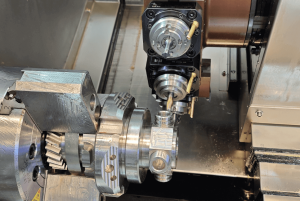
Mesin CNC
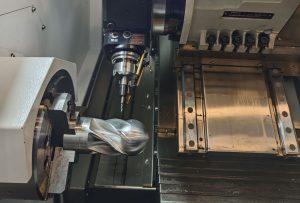
Computer Numerical Control (Mesin CNC) is the cornerstone of modern precision manufacturing. For zinc, it offers unparalleled accuracy and repeatability.
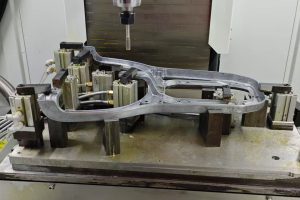
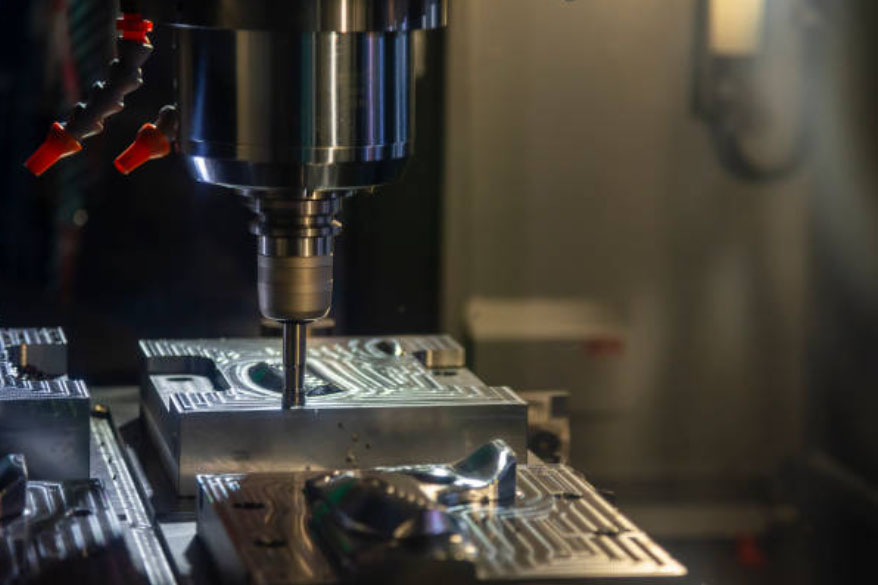
- CNC Milling: This process uses rotating multi-point cutting tools to remove material from a stationary workpiece. Penggilingan CNC is perfect for creating complex 2.5D and 3D shapes, pockets, slots, and flat surfaces on zinc parts. The high machinability of zinc allows for aggressive feed rates and spindle speeds, leading to shorter cycle times.
- CNC Turning: Dalam Pembubutan CNC, the workpiece rotates while a stationary single-point cutting tool removes material. This method is ideal for producing cylindrical zinc components like shafts, pins, and fittings. It can achieve excellent surface finishes and very tight diametrical tolerances.
Die Casting
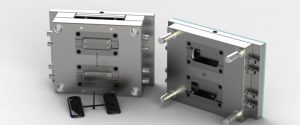
Die casting is a high-volume production procedure where molten zinc alloy is injected right into a solidified steel mold (a die) under high stress. Zinc’s reduced melting factor and high fluidness make it one of the simplest and most cost-efficient metals to pass away actors. This process creates get rid of complex details and outstanding surface area coatings, typically calling for very little additional machining. For numerous zinc elements, pass away casting creates the near-net form, and CNC machining is utilized just for essential attributes like touched openings or accuracy breeding surfaces.
Drilling
Producing holes is a basic machining operation. When drilling zinc, chip evacuation is a key issue. The gummy nature of the product can cause chips to pack right into the drill flutes, resulting in device damage. Utilizing drills with broad, polished flutes and employing a “peck exploration” cycle (where the drill periodically retracts to clear chips) is very reliable. A steady supply of coolant is additionally vital to flush chips and minimize warm.
Electro-Discharge Machining (EDM).
Pemesinan EDM is a non-traditional process that uses regulated electrical stimulates to deteriorate material. Because it is a non-contact procedure, it applies no mechanical force on the workpiece. This makes EDM suitable for producing elaborate functions, sharp internal corners, and thin-walled areas in zinc alloys without the risk of distortion. It is frequently made use of to produce the complicated molds and needs zinc die casting.
Table 2: Summary of Zinc Machining Processes
| Proses | Terbaik Untuk | Key Advantages | Key Considerations |
|---|---|---|---|
| CNC Milling | Complex 3D shapes, pockets, features | High precision, versatility, fast material removal | Toolpath optimization, proper workholding, coolant management. |
| Pembubutan CNC | Cylindrical and rotational parts | High efficiency for round parts, excellent surface finish | Workpiece stability (chatter), tool geometry, chip control. |
| Die Casting | High-volume production of intricate parts | Fast cycle times, low part cost, near-net shape | High initial tooling cost, design for manufacturability (draft, radii). |
| Drilling | Creating holes | Simple and fast operation | Chip evacuation (peck drilling), coolant application, drill point geometry. |
| EDM | Intricate details, hard-to-reach features | No cutting forces, high accuracy, fine details | Slower material removal rate, only works on conductive materials. |
Optimizing Surface Finish for Zinc Parts
The last surface area coating of a zinc component is critical for both its visual charm and its useful performance. A variety of ending up procedures can improve longevity, deterioration resistance, and appearance.
Electroplating: This is a really usual coating for zinc. A slim layer of another metal, such as chrome, nickel, or brass, is transferred onto the surface. This offers a fantastic, decorative coating and considerably improves hardness and wear resistance.
Chromate Conversion Coating: This chemical procedure develops a thin, protective film on the zinc surface area. It is a highly cost-efficient approach for improving rust resistance and provides an excellent guide for subsequent painting. Coatings come in different colors, including clear, blue, yellow, and black.
Pelapisan Bubuk: A completely dry, powdered polymer is electrostatically related to the part and after that cured with heat. This develops a thick, durable, and consistent surface that is more resistant than traditional liquid paint. It uses exceptional defense and a vast range of shades.
Paint: Liquid paint provides the greatest adaptability in color matching and is made use of for both ornamental and safety objectives. Appropriate surface area prep work, commonly including a chromate conversion layer, is important completely paint bond.
The Future of Zinc in Advanced Manufacturing
The role of zinc in manufacturing continues to advance. Scientists are creating new high-performance zinc alloys with enhanced strength-to-weight proportions and exceptional creep resistance, pushing them into applications as soon as reserved for light weight aluminum and magnesium. In the field of sustainability, zinc’s high recyclability price and reduced power needs for refining setting it as an ecologically accountable selection.
Moreover, zinc is playing a vital duty in emerging modern technologies. Zinc-ion and zinc-air batteries are being checked out as much safer, lower-cost alternatives to lithium-ion for grid-scale energy storage. The exceptional electromagnetic disturbance (EMI) shielding properties of zinc alloys likewise make them vital for the housings of 5G telecommunications devices and delicate electronics.
Industrial Applications of Machined Zinc Components
The versatility of machined zinc parts makes them prevalent across a wide array of industries.
- Industri Otomotif: Zinc alloys are used for everything from decorative emblems and door handles to complex housings for sensors, fuel system components, and locking mechanisms. Automotive prototyping frequently uses machined zinc for functional testing.
- Electronics and Telecommunications: The excellent EMI shielding and heat dissipation of zinc make it ideal for die-cast housings for smartphones, laptops, connectors, and network infrastructure equipment.
- Konstruksi dan Arsitektur: Machined zinc is used for custom hardware, fasteners, plumbing fittings, and decorative architectural elements, valued for its durability and aesthetic appeal.
- Peralatan Medis: Zinc’s biocompatibility and good finishing characteristics make it suitable for components in diagnostic equipment, surgical tool handles, and hospital hardware. Its use in prototipe perangkat medis is common.
- Produk Konsumen: From zippers and buckles to kitchen appliance components and toy parts, zinc’s combination of strength, cost, and finishing options makes it a ubiquitous material in everyday goods.
Kesimpulan
Zinc machining is an innovative field that offers enormous benefits when its concepts are extensively comprehended and appropriately used. From selecting the suitable alloy to maximizing machining criteria and selecting the ideal surface finish, every step influences the end product’s quality and performance. Zinc’s unique properties– its machinability, castability, and rust resistance– ensure its continued value in markets varying from automobile to electronics. By grasping the strategies laid out in this guide, producers can properly harness the power of zinc, generating high-precision, resilient, and affordable elements that meet the requiring criteria of the modern-day world.
Suggested External Links for Insertion
- For Alloy Information: The International Zinc Association (IZA) – An authoritative source for technical data on zinc and its alloys.
- For Casting Design: North American Die Casting Association (NADCA) – Provides design guides and standards for die-cast parts, many of which are zinc.
- For Machining Data: Harvey Tool Machining Advisor Pro – A practical tool for getting recommended speeds and feeds for various materials, including zinc.
- For Safety Information: OSHA Fact Sheet on Metal Fume Fever – A direct resource on the health risks associated with inhaling zinc oxide fumes.
Postingan Terbaru
Blog Terkait
Blog Senyo berfokus pada berbagi pengetahuan kami yang luas tentang pembuatan prototipe. Melalui artikel kami, kami bertujuan untuk mendukung Anda dalam menyempurnakan desain produk Anda dan menavigasi kompleksitas pembuatan prototipe cepat dengan lebih efektif.