Leggero Metalli: Migliorare il Design di Prodotto e di Performance
Sommario
Item designers usually deal with a critical difficulty: achieving optimal efficiency while minimizing weight. Steel, a common product, offers a balanced collection of buildings at a reasonable price. Nevertheless, its thickness of 7.8 g/cm two verifies too hefty for sure applications. In such cases, developers need to explore lighter alternatives. While different plastics supply weight reduction, lightweight metals stand out as robust and prominent choices. This overview delves into one of the most common lightweight steels– titanium, aluminum, and magnesium– contrasting their benefits, disadvantages, and normal applications. We intend to gear up developers with the understanding to choose one of the most ideal material for their particular requirements, concentrating on how these metals can enhance product design and general efficiency.
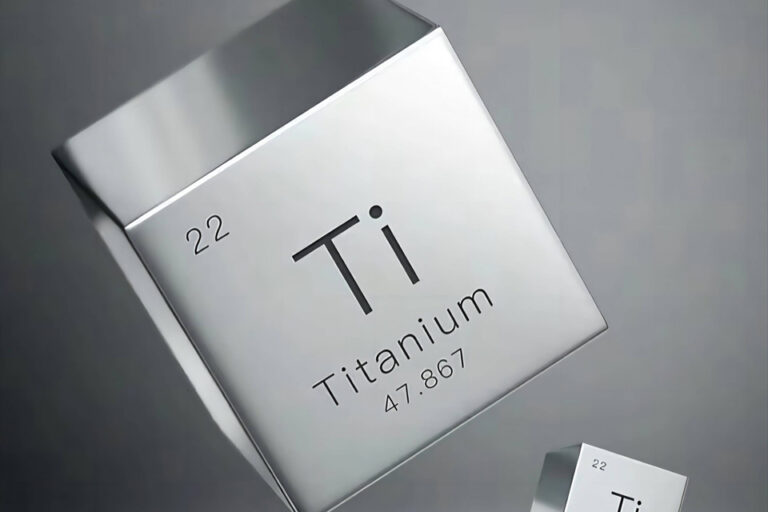
Titanium: Strength and Resilience in a Lighter Form
Titanium, an exceptional lightweight metal, offers remarkable properties. It is significantly lighter than steel, boasting a density of 4.51 g/cm³—a 42% reduction. As an alloy, titanium stands as the strongest metal among its lightweight counterparts. Its excellent corrosion resistance makes it ideal for harsh environments. Furthermore, titanium performs exceptionally well at high temperatures, maintaining structural integrity where other metals might fail. Its high biocompatibility also makes it a prime material for medical implants.
Despite its numerous benefits, titanium presents certain challenges. It is the heaviest of the three lightweight metals discussed here. Moreover, titanium is the most expensive and the most difficult to machine, requiring specialized tools and expertise. Consequently, designers typically reserve titanium for demanding applications that necessitate a highly robust and reliable material.
Key Applications of Titanium
- Chemical Processing Equipment: High chemical resistance makes titanium suitable for components exposed to aggressive chemicals.
- Medical Implants and Devices: Its biocompatibility and strength ensure long-lasting, safe implants, devices, and prosthetics.
- Aerospace Components: Its strength-to-weight ratio is critical for strong, lightweight aircraft parts.
- Marine Applications: Superior corrosion resistance protects marine components from saltwater degradation.
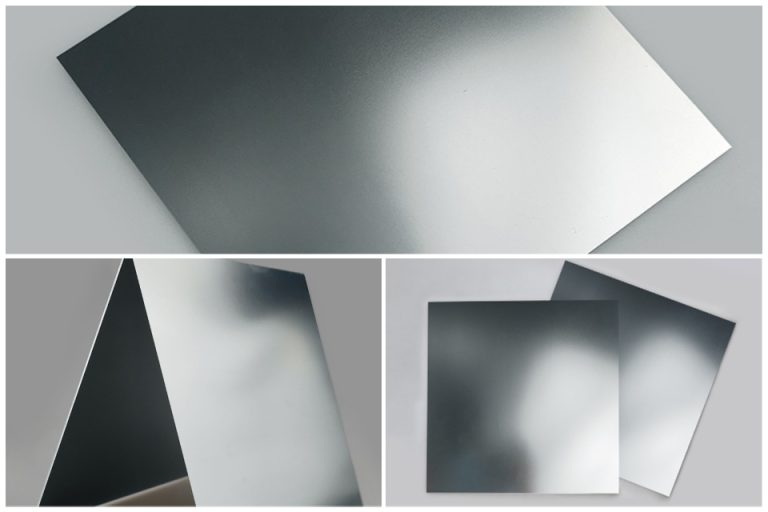
Aluminum: Versatility and Cost-Effectiveness
Light weight aluminum, with a density of 2.70 g/cm ³, is virtually a 3rd the weight of steel. It stands as the most widely made use of non-ferrous steel worldwide. Light weight aluminum provides outstanding corrosion resistance, and specific alloys accomplish staminas equivalent to carbon steel. While even more pricey than steel, it stays more budget friendly than both magnesium and titanium.
Light weight aluminum flaunts high formability and machinability, facilitating complex layouts and making processes. It additionally uses excellent weldability and high ductility. Its high thermal and electrical conductivity make it useful for different industrial applications. Nonetheless, light weight aluminum is vulnerable to wear and shows a lower strength-to-weight proportion contrasted to titanium. It likewise does not perform well at high temperatures; its melting point is around 660 ° C (1220 ° F).
Comprehensive Applications of Aluminum
- Electronics Components and Electrical Wiring: High electrical conductivity makes it ideal for circuitry and electronic housings.
- Warm Sinks: Its thermal conductivity makes certain effective dissipation of heat in electronic tools.
- Airplane Fuselages and Aerospace Components: Lightweight and strong, it creates the foundation of lots of aircraft frameworks.
- Prodotti di consumo: Durable and affordable, it shows up in furnishings, kitchenware, and numerous home items.
- Architectural Elements: Used for barriers, siding, and various other structural and decorative structure elements.
- Parti di ricambio per autoveicoli: Cast and extruded aluminum kind important parts in car production, adding to fuel efficiency.
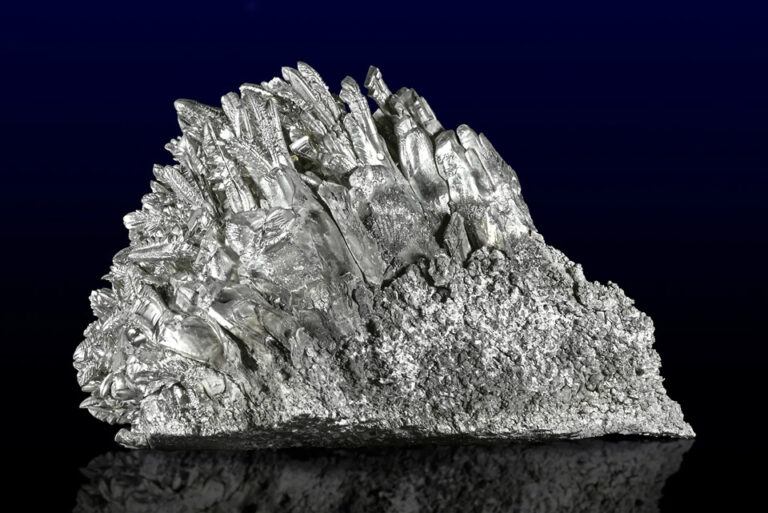
Magnesium: The Ultimate in Lightweight Design
Magnesium, denser than aluminum but lighter than titanium, serves as the base for the lightest structural alloys available. Its density of 1.74 g/cm³ makes it incredibly attractive for weight-critical applications. On its own, magnesium is vulnerable to corrosion and chemical degradation, and it offers lower inherent strength compared to aluminum and titanium. However, advancements in modern magnesium alloys and coating techniques significantly improve the strength and durability of magnesium products.
Magnesium offers high machinability. However, its processing often requires specialist shops due to the combustible nature of magnesium dust. A unique property of magnesium is its damping ability, which effectively mitigates vibrations in sensitive equipment. Most magnesium applications leverage its extremely light weight.
Applications Leveraging Magnesium’s Lightweight Properties
- Consumer Product Components: Found in luggage, ladders, and cameras, reducing overall product weight.
- High-Performance Sporting Equipment: Used in bicycle frames and other gear to enhance performance through weight reduction.
- Weight-Reducing Parts: Critical for equipment where every gram counts, improving maneuverability and efficiency.
- Performance Automotive Parts: Magnesium alloy wheels and gearboxes reduce vehicle weight, leading to improved fuel economy and performance.
Beyond Weight: Considering Environmental Impact
When selecting lightweight metals, environmental impact has become an increasingly important factor. Manufacturing processes for each metal carry different energy footprints. Aluminum production, for instance, is energy-intensive initially, but its high recyclability significantly reduces its overall environmental impact over its lifecycle. Recycling aluminum consumes only about 5% of the energy required to produce new aluminum from raw materials. This makes it a highly sustainable choice.
Titanium production is also energy-intensive, and its recycling infrastructure is less developed than that of aluminum, though efforts are underway to improve it. Magnesium extraction and processing can also be energy-demanding. Designers must consider these factors, alongside material properties, to make environmentally responsible choices. Selecting a metal with a strong recycling stream not only supports sustainability but can also lead to long-term cost savings.
Selecting the Optimal Lightweight Metal
Choosing the best lightweight metal for a product requires a thorough evaluation of several factors. Cost, strength, durability, and specific application requirements all play crucial roles. Designers aim to balance these considerations to achieve the desired performance without unnecessary expense or manufacturing complexity.
- Titanio offers unparalleled durability and performance in extreme conditions but comes with higher costs and machining challenges. It suits applications demanding superior strength, high-temperature resistance, and biocompatibility.
- Alluminio provides an excellent balance of cost-effectiveness, good durability, and versatility. Its widespread use and ease of manufacturing make it suitable for a vast array of applications, from consumer goods to aerospace components, where moderate strength and corrosion resistance are needed.
- Magnesio is the ultimate choice for extreme weight reduction. Modern alloys and coatings enhance its durability, making it viable for high-performance applications where minimal weight is paramount, such as in specialized sporting equipment and performance automotive parts.
Our machine shops specialize in professional CNC machining services for both titanium and aluminum alloy products, as well as a diverse range of other metal and non-metal materials. If you aim to manufacture lightweight products and seek a cost-effective, quality-focused partner, we can assist you in selecting and processing the ideal material for your project.
Conclusione
The selection of lightweight metals—titanium, aluminum, and magnesium—offers significant advantages for product designers seeking to reduce weight, improve performance, and enhance durability. Each metal possesses unique characteristics that make it suitable for different applications. Titanium excels in demanding environments requiring exceptional strength and corrosion resistance. Aluminum provides a versatile, cost-effective solution with good mechanical properties and high recyclability. Magnesium offers the ultimate in weight reduction, making it invaluable for high-performance, weight-sensitive designs. By carefully considering the specific needs of an application, designers can leverage these lightweight metals to create innovative products that meet the highest standards of efficiency and performance.
Commenti
Ultimi Post
Blog Correlati
Senyo blog è incentrato sulla condivisione della nostra conoscenza approfondita del prototipo di produzione. Attraverso i nostri articoli, abbiamo l'obiettivo di essere di supporto nella raffinazione, la progettazione del prodotto e la complessità di prototipazione rapida in modo più efficace.