Padroneggiare il groove metal: tecniche, strumenti e trionfi
Sommario
Le scanalature nel metallo sono ovunque. Svolgono un ruolo fondamentale in innumerevoli beni prodotti. Pensa a una guarnizione O-ring. Ha bisogno di una scanalatura precisa per funzionare. Senza una scanalatura accurata, i componenti si guasterebbero e i prodotti si sgretolerebbero. La scanalatura del metallo è un processo critico. Crea canali stretti o rientranze sulla superficie di un pezzo. Questa operazione è precisa. Richiede un'attenta attenzione alla profondità, alla larghezza e alla finitura superficiale. La produzione moderna si affida fortemente a tecniche di scanalatura avanzate. Questi metodi garantiscono le prestazioni e la longevità del prodotto. Questo articolo esplora il mondo della scanalatura del metallo. Trattiamo il suo funzionamento, le tecniche e le vaste applicazioni.

Come funziona la scanalatura del metallo
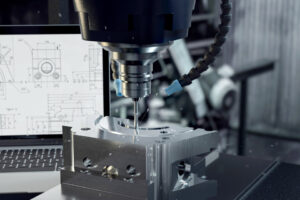
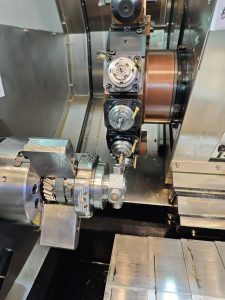
La scanalatura del metallo è un processo di produzione preciso. Taglia scanalature specifiche in un pezzo. Il processo richiede un'attenta pianificazione. L'esecuzione e il controllo della qualità sono essenziali. Questi passaggi consentono di ottenere le dimensioni e la finitura superficiale desiderate. Le tecniche di lavorazione CNC di solito eseguono la scanalatura. Ciò garantisce alta precisione e ripetibilità.
Il processo di lavorazione spesso prevede più fasi. Queste fasi tagliano accuratamente le scanalature. Soddisfano i requisiti specificati. Il materiale e il design influenzano la scanalatura. Le considerazioni includono l'evacuazione dei trucioli, l'usura degli utensili e la finitura superficiale.
Fasi della scanalatura del metallo
La scanalatura del metallo prevede diverse fasi. Ogni fase è fondamentale per scanalature precise e funzionali. Dalla pianificazione ai controlli di qualità, ogni passaggio garantisce l'integrità del prodotto.
1. Pianificare e progettare la scanalatura
Questa è la prima fase. Comporta la pianificazione e la progettazione della scanalatura. Viene creato un design dettagliato. Segue le specifiche del pezzo. Questi includono profondità, larghezza e geometria della scanalatura. Una corretta pianificazione garantisce il prodotto finale. Soddisfa i requisiti funzionali e dimensionali.
2. Programmare i progetti delle scanalature
Il design è finalizzato. Quindi, viene salvato e programmato nella macchina CNC. La macchina utilizza queste informazioni. Automatizza il processo di taglio. Ciò garantisce coerenza e accuratezza.
3. Impostare la macchina CNC
L'operatore prepara la macchina CNC. Installano utensili da taglio corretti. Questi includono utensili per scanalatura, frese o frese a candela. Montano anche saldamente il pezzo. Ciò impedisce il movimento durante la lavorazione.
4. Eseguire l'operazione di scanalatura
La macchina CNC esegue l'operazione di scanalatura. Segue il design programmato. La macchina sposta l'utensile da taglio. Crea la scanalatura. Il controllo dei trucioli è fondamentale. Evita danni agli utensili e scarsa qualità della superficie. L'operatore monitora la velocità di taglio, la velocità di avanzamento e il refrigerante. Ciò garantisce prestazioni ottimali.
5. Eseguire controlli di qualità
Dopo la lavorazione, il controllo qualità è la fase finale. Vengono eseguite misurazioni. Questi includono dimensioni della scanalatura, profondità e finitura superficiale. Verificano la conformità alle specifiche. Le deviazioni portano a problemi funzionali. I controlli di precisione sono fondamentali.
Techniques for Metal Grooving
Metal grooving uses specialized techniques. These achieve precision and accuracy. Each technique serves a distinct purpose. This depends on the material, desired groove shape, and application. These methods ensure grooves align with functionality and durability specifications.
Straight Turning
Straight turning is a common technique. It is primarily for cylindrical workpieces. The workpiece rotates. A cutting tool moves parallel to its axis. This creates a straight, uniform groove. This method suits components needing consistent groove dimensions.
- Applicazioni: Ideal for straight, symmetrical grooves. Used on shafts, rods, and cylindrical parts.
- Precisione: Critical for consistent width and depth.
- Materiali: Works efficiently with various metals.
- Machines: Typically performed on CNC lathes for accuracy.
Contour Grooving
Contour grooving creates non-linear, curved grooves. Unlike straight turning, it follows varying paths. Depth and width can change. This allows complex geometries. This method suits intricate groove shapes or profiles.
- Applicazioni: Curved or variable-width grooves. Common in automotive and aerospace.
- Complexity: Creates tapered or stepped grooves.
- Programming: Requires advanced CNC programming.
Scanalatura frontale
La scanalatura frontale crea scanalature su una faccia piana del pezzo. Questo è fondamentale per le scanalature circolari. Gli esempi includono O-ring o superfici di tenuta. I torni eseguono tipicamente la scanalatura frontale. L'utensile da taglio è ad angolo retto rispetto all'asse del pezzo. Ciò garantisce scanalature precise e uniformi.
- Applicazioni: Scanalature circolari su superfici piane. Essenziale per guarnizioni e O-ring.
- Machines: Eseguito su torni CNC.
- Attrezzatura: Richiede utensili stabili per la precisione.
Scanalatura interna
La scanalatura interna crea scanalature all'interno di un foro o cavità cilindrica. Questa tecnica è essenziale per le parti che necessitano di scanalature interne. Gli esempi includono tubi, cilindri o componenti cavi. Richiede strumenti specializzati. Questi strumenti raggiungono l'interno del foro e mantengono la precisione.
- Applicazioni: Scanalature all'interno di fori (tubi, cilindri idraulici).
- Attrezzatura: Richiede utensili da taglio rigidi a lungo raggio.
- Industrie: Automobilistico, aerospaziale, sistemi idraulici.
- Sfide: Una corretta evacuazione dei trucioli è fondamentale.
Scanalatura esterna
La scanalatura esterna taglia le scanalature sulla superficie esterna dei pezzi cilindrici. Un utensile di scanalatura specializzato si muove lungo il diametro esterno. Crea una scanalatura precisa. Questo metodo è comune per alberi e tubi.
- Applicazioni: Scanalature per anelli elastici, scanalature di tenuta, scanalature di ritegno.
- Attrezzatura: Requires precise tool selection.
- Finitura superficiale: Critical for O-ring fit.
- Sfide: Tool deflection and vibrations.
Parting (Cutoff Machining)
Parting cuts a workpiece into two or more parts. It makes a deep groove through the material. This technique produces multiple parts from bar stock. It also separates finished components. The parting tool moves inward, perpendicular to the workpiece axis.
- Applicazioni: Separating components, bar stock cutting.
- Tool Wear: Significant due to depth of cut.
- Chip Evacuation: Effective chip control is necessary.
- Machine Setup: Crucial to avoid deflection.
Undercutting
Undercutting machines a groove with greater depth than width. It creates recessed areas. These can be on the inside or outside diameter. This method provides relief or recessed sections. Other parts fit without interference. Depth and precision are crucial for proper function.
- Applicazioni: Threaded components, mechanical assemblies, clearance spaces.
- Attrezzatura: Specialized cutting tools are necessary.
- Groove Design: Careful planning prevents interference.
- Sfide: Tool deflection and vibrations.
Thread Grooving
Thread grooving creates a helical groove. This forms a threaded profile on a cylindrical workpiece. It is extensive in fasteners, pipes, and mechanical components. Thread grooving follows a helical path. It requires precise control over pitch, depth, and width.
- Applicazioni: Screws, bolts, pipes, custom threads.
- Attrezzatura: Specialized threading tools.
- Parameters: Cutting speed and feed rate are critical.
- Sfide: Precise synchronization of tool and workpiece.
O-Ring Grooving
O-ring grooving creates circular grooves for O-ring seals. These grooves must be precise. They ensure proper sealing without leaks. This process is critical in automotive, aerospace, and fluid systems. Accurate groove geometry is essential for O-ring performance.
- Applicazioni: Valve bodies, hydraulic cylinders, sealing components.
- Attrezzatura: Specialized grooving tools.
- Groove Geometry: Depth of cut and surface finish are critical.
- Sfide: Effective chip evacuation and coolant supply.
Ramping
Ramping is a grooving technique. The cutting tool enters at an angle. It gradually increases the depth of cut. This reduces stress on the tool and workpiece. It allows better control. Ramping suits harder materials or variable-depth grooves.
- Applicazioni: Milling operations, gradual depth cuts (turbine blades).
- Attrezzatura: Milling cutters with high cutting edge stability.
- Tool Overhang: Minimizing overhang is critical.
- Finitura superficiale: Smoother transitions, improved quality.
Peck Grooving
Peck grooving involves intermittent cutting. The tool repeatedly engages and disengages. This prevents excessive heat buildup and tool wear. It breaks the process into short passes. It is common where chip evacuation is crucial.
- Applicazioni: Deep grooves where heat or chip evacuation is a concern.
- Attrezzatura: High wear resistance, solid carbide inserts.
- Chip Control: Significant advantage, removes chips between pecks.
- Feed Rate: Slow and steady feed for cleaner grooves.
Plunge Grooving
Plunge grooving is a direct cutting method. The tool penetrates vertically. It creates a groove. This technique is useful for deep, straight cuts. It often applies in heavy-duty machining. Plunge grooving removes large material amounts quickly and precisely.
- Applicazioni: Deep, straight grooves (automotive, hydraulic systems).
- Attrezzatura: Robust cutting tools with high rigidity.
- Parameters: Cutting speed and feed rate are crucial.
- Chip Control: Vital for surface quality.
Multi-step Grooving
Multi-step grooving creates grooves in several passes. This is for deeper or wider grooves. It also suits delicate materials. It involves progressive cutting steps. This allows better chip evacuation and reduces tool breakage.
- Applicazioni: Deep or wide grooves (steel, aluminum).
- Attrezzatura: Optimized for chip control and cooling.
- Chip Evacuation: More effective in deep grooves.
- Finitura superficiale: Improved by multiple passes.
Circular Interpolation Grooving
Circular interpolation grooving uses a CNC machine. It moves the tool in a circular path. This creates grooves. This technique is highly effective for circular or spiral grooves. It ensures consistent depth and width.
- Applicazioni: O-rings, seals, complex geometries, cylindrical parts.
- Attrezzatura: High precision and stability, carbide tools.
- Machines: CNC machines are essential for path control.
- Finitura superficiale: Smooth and uniform.
Axial Grooving
Axial grooving cuts grooves along the axis of a rotating workpiece. This technique is essential for parallel grooves. It ensures precision and stability. It is common in sealing components like O-rings.
- Applicazioni: Axial grooves in sealing components.
- Attrezzatura: Specialized tools for consistent width and depth.
- Materiali: Carbide inserts for durability.
- Workpiece Stability: Crucial to avoid vibrations.
High-Speed Grooving
High-speed grooving performs at elevated speeds. This enhances productivity and reduces cycle time. It is ideal for large-volume production. Increased speed introduces challenges: tool wear and chip evacuation.
- Applicazioni: High-volume production (automotive, aerospace).
- Attrezzatura: Carbide or wear-resistant materials.
- Chip Control: More challenging at high speeds.
- Vibration Control: Critical for precision.
Micro-Grooving
Micro-grooving creates extremely fine grooves. These are typically in the micrometer range. It is essential for components needing minute grooves. Industries include electronics, aerospace, and medical. It demands tools with exceptional accuracy.
- Applicazioni: Electronics, medical devices.
- Attrezzatura: Micro-sized carbide cutting tools.
- Finitura superficiale: Top priority due to tiny grooves.
- Sfide: Minimizing tool deflection.
Laser-Assisted Grooving
Laser-assisted grooving uses lasers. It heats material. This makes machining easier. It reduces cutting force. It extends tool life. It is especially useful for hard materials like ceramics.
- Applicazioni: Hard-to-machine materials (ceramics, titanium).
- Attrezzatura: Reduces wear on traditional tools.
- Finitura superficiale: Cleaner due to softened material.
- Tool Wear: Significantly reduced.
Cryogenic Grooving
Cryogenic grooving applies liquid nitrogen. It cools the cutting zone. This reduces heat generation. It enhances tool life. It improves surface finish. It suits materials generating high temperatures.
- Applicazioni: Tough materials (aerospace, turbine blades).
- Attrezzatura: Extends tool life, maintains sharpness.
- Finitura superficiale: Smoother due to cooling effect.
- Tool Life: Significantly reduced tool wear.
Adaptive Control Technology (ACT)
ACT in grooving adjusts machining parameters in real time. It uses sensor feedback. This technology monitors cutting forces, vibration, and tool wear. It makes on-the-fly adjustments. This optimizes performance and prevents tool damage.
- Tool Selection: Adjusts parameters to suit tool condition.
- Feed Rate Adjustments: Automatically maintains consistent conditions.
- Applicazioni: High-precision industries (automotive, aerospace).
- Prevenzione: Detects impending tool breakage.
Digital Twinning in Grooving
Digital twinning creates a virtual replica. This allows real-time monitoring and optimization. It enhances precision and reduces errors. It enables better predictive maintenance. It analyzes tool and workpiece behavior.
- Simulation: Replicates grooving process virtually.
- Optimization: Helps choose the best grooving tool.
- Adjustments: Allows real-time parameter fine-tuning.
- Applicazioni: Aerospace, automotive.
Multi-axis Grooving
Multi-axis grooving uses CNC machines with multiple axes. This machines grooves at various angles. It handles complex shapes. It is essential for intricate groove geometry. Industries include aerospace and medical devices.
- Versatilità: Handles face, contour, and external grooving in one setup.
- Precisione: Better control over cutting edge.
- Applicazioni: Complex geometries (turbine blades, medical implants).
- Stability: Distributes cutting forces evenly.
CNC Technology and Metal Grooving
CNC technology significantly improves metal grooving. It offers precision and control. It enables complex operations. These include internal grooving and face grooving. When combined with CNC milling, it produces highly accurate grooves. It ensures smooth surface finishes. CNC milling allows various tool paths and strategies. This makes it ideal for intricate groove geometries. It optimizes chip evacuation. This ensures better surface finish and accuracy. CNC machining enhances tool selection. It reduces tool breakage. It extends tool life. CNC systems fine-tune parameters. These include feed rate and cutting speed. This improves efficiency across all groove types.
Essential Machines and Tools for Metal Grooving
Metal grooving requires specialized machines and tools. These ensure precision and efficiency. Selecting the right equipment enhances the process. It contributes to better surface finish and accuracy.
- CNC Machining Centers: Provide precise control for complex operations.
- Lathes: Ideal for cylindrical parts.
- Milling Machines: Useful for external and face grooving.
- Cutting Tools: Essential for chip evacuation and edge quality.
- Grooving Tools: Designed for specific groove geometry.
- End Mills: Create slots and grooves with varying depths.
- Face Grooving Tools: Specialized for accurate face grooves.
- Toolholders: Secure cutting tools, ensure stability.
- Coolant Supply Systems: Reduce heat, maintain tool life.
- Chip Control Tools: Manage chip evacuation, prevent breakage
Selecting the Right Grooving Machine
Choosing the right grooving machine depends on several factors.
- Material and Size: Consider workpiece material and size. This affects tool selection and machine type.
- Groove Type: The type of groove (face grooves, slots) determines the machine. You might need a lathe, milling machine, or CNC setup.
- Performance: Evaluate cutting speed and chip evacuation capabilities.
- Precisione: Ensure the machine offers accurate tool deflection control.
- Stability: Consider machines providing stability and vibration reduction.
Key Parameters of Metal Grooving
Groove machining involves precise parameters. Monitor these for accuracy, efficiency, and quality. They control the process. They achieve desired groove geometry. They maintain tool life and surface quality.
- Cutting Speed: Rate of tool movement. Influences chip control and surface finish.
- Feed Rate: Speed of workpiece into the tool. Impacts groove depth and material removal.
- Depth of Cut: Material thickness removed per pass. Critical for groove geometry.
- Tool Overhang: Distance tool extends from holder. Affects stability, vibration, precision.
- Cutting Edge Geometry: Influences chip evacuation and forces. Impacts tool life and finish.
- Chip Control: Essential to prevent tool breakage.
- Coolant Supply: Reduces heat, preserves cutting edge, improves surface quality.
- Tool Selection: Choose appropriate tool based on groove type and material.
- Workpiece Material: Dictates tool choice and machining speeds.
- Vibration Control: Reduces vibrations, maintains precision.
Supported Materials for Metal Grooving
Selecting the right materials is key for efficiency and durability. Materials interact differently with tools. This influences chip evacuation and surface finish.
Table: Common Materials for Metal Grooving
| Materiale | Characteristics | Grooving Considerations |
|---|---|---|
| Alluminio | Soft, ductile, supports high cutting speeds | Requires careful chip control (long, stringy chips). Sharp tools and proper coolant. |
| Acciaio inox | Hard, high-quality surface finish | Requires slower cutting speeds to manage tool wear and prevent overheating. |
| Ottone | Excellent machinability, manageable chips | Allows higher cutting speeds, minimal tool wear. |
| Cast Iron | Relatively brittle, good chip control, wear resistance | Suitable for precision grooving. |
| Titanio | High strength-to-weight, heat resistance | Demanding applications. Requires proper tool selection and coolant to avoid wear. |
| Acciaio Al Carbonio | Strong cutting-edge retention, handles high forces | Versatile for internal and external grooving. |
For optimal results, aluminum, stainless steel, and brass are top choices. Their machinability and surface finish potential are excellent. Proper coolant and tools enhance the process.
Applications of Metal Grooving
Metal grooving is essential across many industries. Diverse applications require precise grooves. These support components and systems. They ensure efficient operation and durability.
- O-ring Grooves: Ensure tight sealing in mechanical systems.
- Face Grooving: Precision cuts for flanges and strong fits.
- Internal and External Grooving: Essential for shafts and cylindrical parts.
- Heat Sinks: Create channels for improved heat dissipation in electronics.
- Slots for Retaining Rings: Secure components under stress.
- Pipe Threading: Ensures secure connections in plumbing.
- Dispositivi medici: Crucial for precise components requiring exact measurements.
Common Challenges in Metal Grooving and Their Solutions
Poor Chip Evacuation
Problema: Chips clog grooves, cause tool breakage, and impact surface finish. Soluzione: Use grooving tools with effective chip control. Adjust feed rate and cutting speed.
Tool Breakage
Problema: Excessive stress on the cutting tool. Often due to incorrect feed rate or tool material. Soluzione: Ensure proper tool selection and cutting parameters. Inspect cutting edges regularly.
Vibration During Machining
Problema: Workpiece not clamped securely or excessive tool overhang. Soluzione: Reduce tool overhang. Secure workpiece properly.
Inconsistent Surface Finish
Problema: Improper feed rates or cutting speeds. Soluzione: Fine-tune feed rate and cutting speed. Maintain tool’s cutting edge.
Excessive Tool Wear
Problema: High cutting temperatures and insufficient coolant. Soluzione: Use adequate coolant. Select tools with appropriate coatings.
Dimensional Accuracy Problems
Problema: Machined groove does not meet tolerances. Caused by tool deflection, incorrect feed rate, or vibrations. Soluzione: Check machine stability. Use precision tools. Maintain correct feed rate.
Material Deformation
Problema: Workpiece does not maintain shape. Caused by excessive heat, high cutting forces, or incorrect tool selection. Soluzione: Use appropriate cutting tools. Control heat generation. Optimize cutting parameters.
Bad Surface Finish
Problema: Improper chip evacuation, tool wear, or incorrect cutting speed. Soluzione: Enhance chip evacuation. Monitor tool wear. Adjust cutting speed and feed rate.
Chip Control Problems
Problema: Chips accumulate, causing heat buildup and affecting tools. Soluzione: Improve chip evacuation. Ensure steady coolant flow. Optimize feed rate and cutting speed. Use chip breakers.
Tool Vibration
Problema: Common in deep cuts or long tool overhangs. Leads to poor surface finish. Soluzione: Reduce tool overhang. Optimize cutting parameters. Use damping toolholders. Stabilize the workpiece.
Conclusione
Metal grooving is an indispensable manufacturing process. It creates precise channels vital for diverse applications. Understanding its techniques, from straight turning to advanced multi-axis grooving, empowers manufacturers. Modern advancements like CNC technology, adaptive control, and digital twinning further enhance precision and efficiency. Effective chip control, proper tool selection, and meticulous machine setup are crucial for success. Addressing common challenges ensures high-quality results and extended tool life. Adherence to maintenance and safety protocols is paramount for operational integrity. Mastering metal grooving allows industries to achieve superior product performance and durability, driving innovation in engineering and design.
Commenti
Ultimi Post
Blog Correlati
Senyo blog è incentrato sulla condivisione della nostra conoscenza approfondita del prototipo di produzione. Attraverso i nostri articoli, abbiamo l'obiettivo di essere di supporto nella raffinazione, la progettazione del prodotto e la complessità di prototipazione rapida in modo più efficace.