CNC Betydelse Definition: Kärnan i modern tillverkning
Innehållsförteckning
In modern manufacturing, accuracy is not just an objective; it is a requirement. The technology that makes this feasible is Computer Numerical Control, or CNC. The core CNC meaning is the automation of device tools making use of computer systems. This process allows suppliers to generate complicated parts with amazing precision and repeatability. It stands for a huge jump from its predecessor, Numerical Control (NC), which count on even more stiff, physical shows. This write-up will certainly check out the essential CNC meaning , how it works, and why it has become the backbone of industries from aerospace to [customer item prototyping] (https://senyorapid.com/consumer-product-prototyping/)
What is the Core CNC Meaning?
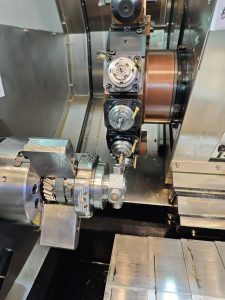
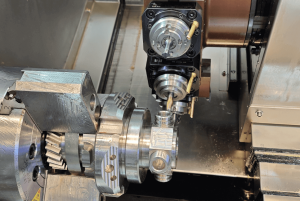
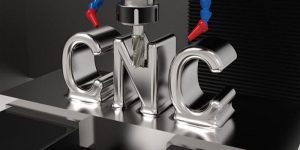
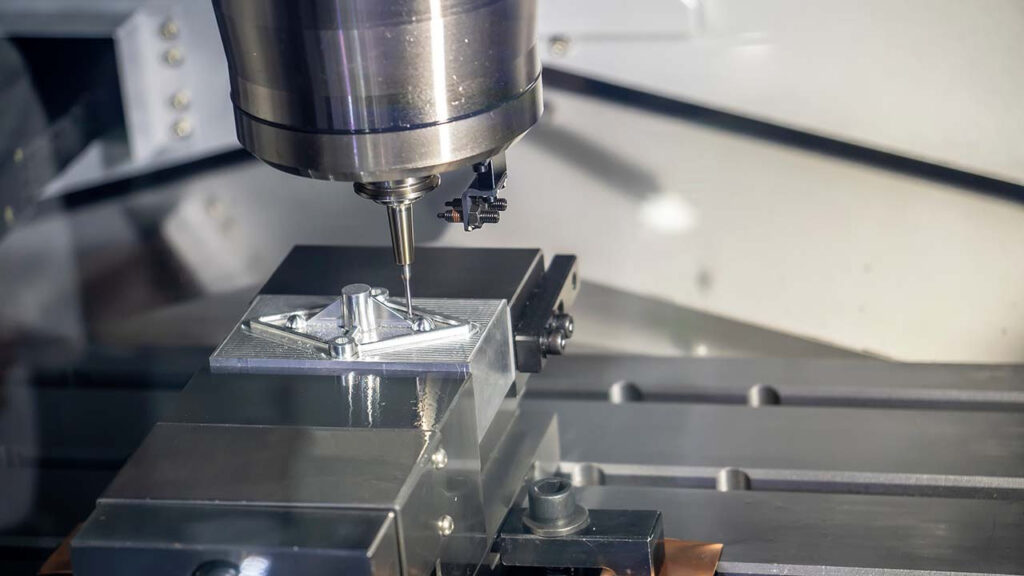
At its heart, the CNC meaning refers to a manufacturing procedure where computer system software dictates the motion of manufacturing facility tools and equipment. The “Numerical Control” facet represents that the system makes use of collaborates from a digital style data to manage the motion of a cutting tool. A computer system equates this design into a details collection of guidelines, generally known as G-code.
G-code commands the maker on where to move, exactly how quick to relocate, and which path to comply with. This digital-first method removes the hands-on guesswork and physical constraints of older techniques. It enables a solitary maker to perform detailed procedures like cutting, milling, and turning with minimal human oversight, guaranteeing every part is a perfect reproduction of the last.
The Development from NC to CNC Innovation
To totally realize the CNC meaning , it aids to understand its beginnings. The journey started with Numerical Control (NC) machines in the 1940s and 1950s. These early automatic devices complied with directions from a physical medium, generally punched tape. Each hole in the tape stood for a certain command. While revolutionary for its time, NC modern technology was inflexible. Altering a solitary action in the process called for punching a totally brand-new tape, a slow-moving and error-prone job.
The introduction of budget-friendly microprocessors in the 1970s set off the development to CNC. By changing punched tapes with a dedicated computer, manufacturers acquired extraordinary control. The “Computer” in CNC presented electronic memory, software handling, and the capacity to edit programs directly on the equipment. This change transformed production from a rigid, mechanical process right into a vibrant, software-driven one.
The Crucial Role of Software in CNC Machining
Software application is the engine that drives the whole CNC procedure. The process normally moves from layout to end up component through a collection of specialized programs.
- Computer-Aided Design (CAD): The process starts with a developer developing a 2D or 3D design of the component making use of CAD software. This electronic blueprint consists of all the necessary geometric information and dimensions.
- Computer-Aided Manufacturing (CAMERA): Next, camera software application takes the CAD design and generates the toolpaths required to produce the part. It imitates the entire machining procedure, computing optimum cutting speeds, feed prices, and device movements. This action is critical for performance and preventing collisions.
- Efterbearbetning: The web cam software after that uses a “post-processor” to convert the common toolpaths right into the certain G-code that the particular CNC device comprehends. This last code is loaded right into the Device Control System (MCU).
This seamless software program integration is central to the CNC implying . It makes it possible for the quick shift from a digital idea to a physical, high-precision part, a process that is additionally fundamental to related innovations like [3D printing] (https://senyorapid.com/additive-printing/).
NC vs. CNC Machining: A Clear Contrast
While both systems automate machining, their hidden technologies produce substantial distinctions in capacity, versatility, and effectiveness. The change from NC to CNC caused basic renovations throughout the board.
| Har | NC (Mathematical Control) | CNC (Computer System Numerical Control) |
|---|---|---|
| Control Approach | Punched tape or cards with repaired guidelines. | A specialized computer system with editable software program. |
| Programmering | Stiff and handbook. A new tape is needed for any type of change. | Flexible and electronic. Programs can be modified on the fly. |
| Information Storage | No inner memory; checks out from physical media. | Digital memory stores numerous programs and tool data. |
| Komplexitet | Restricted to easy, point-to-point or straight courses. | Capable of facility, multi-axis contouring and intricate shapes. |
| Driver Function | Requires high mechanical skill and hand-operated arrangement. | Requires digital proficiency and software program understanding. |
| Automatisering | Reduced. Calls for constant manual intervention. | High. Allows continuous, neglected procedure. |
| Noggrannhet | Good, however vulnerable to media wear and mechanical mistake. | Outstanding and highly repeatable because of closed-loop responses. |
| Integration | Standalone; difficult to incorporate with various other systems. | Conveniently incorporates with CAD/CAM and manufacturing facility networks. |
Key Applications of CNC Machining
The accuracy and versatility of CNC machining make it crucial across many markets. Its capacity to work with a variety of products– from steels and plastics to compounds– permits it to generate parts for virtually any application.
- Aerospace: Manufacturers make use of CNC to create high-tolerance components like turbine blades, architectural parts, and engine manifolds where safety and security and performance are critical.
- Fordon: The sector relies on CNC for everything from engine blocks and transmission parts to creating molds for [shot molding] (https://senyorapid.com/prototype-plastic-injection-molding/).
- Medicinsk: CNC makers produce personalized medical implants, orthopedic tools, and high-precision instruments with the biocompatible materials and limited tolerances the area demands.
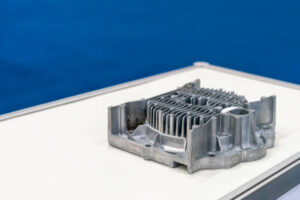
- Elektronik: It is utilized to make heatsinks, units, and adapters that call for elaborate designs and high precision.
- Energy: The energy industry makes use of CNC to make parts for turbines, boring tools, and other durable machinery.
Slutsats
Truth CNC suggesting surpasses an easy acronym. It represents a standard change in manufacturing, where digital precision changed mechanical approximation. By harnessing the power of computer systems, CNC modern technology supplies exceptional precision, flexibility, and effectiveness. It has actually made intricate layouts achievable, faster production timelines, and elevated the criterion for high quality across all sectors. While its predecessor, NC, laid the groundwork for automation, CNC refined it, sealing its role as the necessary modern technology for any job demanding accuracy and integrity. For extra on advanced manufacturing remedies, explore the services provided by [Senyorapid] (https://senyorapid.com/).
Kommentarer
Senaste Inlägg
Relaterade Bloggar
Senyo blogg är fokuserad på att dela med oss av vår omfattande kunskap av prototyp-tillverkning. Genom våra artiklar, har vi som mål att stödja dig i att förfina din produkt design och navigering i komplicerade rapid prototyping mer effektivt.