Hızlı Prototipleme Avantajlı Bir Metodoloji Olabilir
içindekiler tablosu
Sonuç
Rapid prototyping may be a beneficial method which is frequently utilized in engineering, software development, and instructional design. The main idea behind such a process is to give the team members an opportunity to quickly create and iterate on a prototype thus resulting to a higher level of creativity, more effective problem-solving and, finally, faster innovation. The present article discusses the benefits of rapid prototyping, its use in various sectors, and the reasons why it is indispensable for any design project. People who read this article will be informed about the different ways in which rapid prototyping can be employed to make the process more efficient, to raise the standard of a product and to lower the expenses. Thus, designers, engineers, and educators cannot afford to miss this article.
Hızlı Prototipleme Nedir?
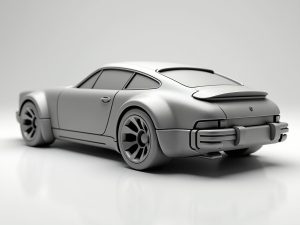
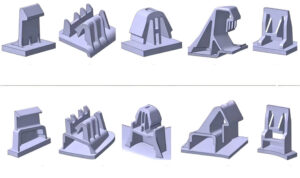
Rapid prototyping is a design process that is centered around the idea of fast production of a scaled-down version or a prototype of a product or service. The primary goal of this technique is to make the designers and engineers able to see the concept and the working of the product visually before a big production is made. Through the use of different technologies such as 3D printing, computer-aided design (CAD), and software simulations, the teams can produce models that are not only physical but also in a way the user interaction is possible.
The point of rapid prototyping is the iteration cycle. The idea is to spend less time and money on one single design, thus, the teams will be able to come up with numerous versions, test them, and get their concepts refined by real user feedback. This method is mainly useful in sectors such as software development where fast iterations can result in better user experience and functionality.
Hızlı Prototipleme Neden Avantajlı Bir Metodoloji Olarak Kabul Edilir?
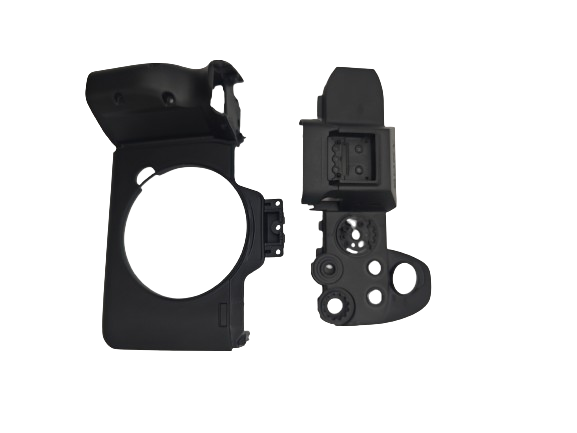
Hızlı prototipleme çeşitli nedenlerden dolayı avantajlı bir metodoloji olabilir. İlk olarak, daha hızlı yinelemelere olanak tanıyarak ekiplerin fikirlerini gerçek zamanlı olarak test etmelerini ve iyileştirmelerini sağlar. Bu hız, pazara sunma süresinin bir ürünü ortaya çıkarabildiği veya bozabildiği günümüz rekabet ortamında çok önemlidir.İkinci olarak, çapraz fonksiyonlu ekipler arasında işbirliğini teşvik eder. Tasarımcılar, mühendisler ve paydaşlar prototipleri değerlendirmek ve girdi sağlamak için bir araya gelerek nihai ürünün kullanıcı ihtiyaçlarını ve beklentilerini karşılamasını sağlayabilir. Bu işbirlikçi ortam, yenilikçiliği ve yaratıcılığı teşvik ederek daha etkili çözümlerin ortaya çıkmasını sağlar.Son olarak, hızlı prototipleme uygun maliyetli bir stratejidir. Kuruluşlar, tasarım kusurlarını sürecin erken aşamalarında tespit ederek geliştirme sürecinin ilerleyen aşamalarında pahalı değişikliklerden kaçınabilir. Bu verimlilik sadece para tasarrufu sağlamakla kalmaz, aynı zamanda proje gecikmeleri riskini de azaltır ve sonuçta daha sorunsuz bir geliştirme sürecine katkıda bulunur.
Hızlı Prototipleme Geleneksel Prototipleme Yöntemleriyle Nasıl Karşılaştırılır?
Usually traditional prototyping methods depict a longer and more sequential way of handling the process. On the other hand, rapid prototyping is less bound to the fixed requirements as it enables continuous iterations and feedback. Whereas traditional methods might invest up to many months in perfecting one single prototype, rapid prototyping is based on the idea that more iterations result in better outcomes.
Technology is the main point where the two methods differ. Traditional prototyping is generally done manually, while rapid prototyping is done with the help of the advanced tools and software which make it possible to give quick adjustments and modifications. Such an inclusion of technology not only opens up for a more flexible designing process, but also is in line with the fast development of the modern projects.
Hızlı Prototipleme Yaygın Tasarım Zorluklarını Çözebilir mi?
Tasarım Engellerinin Aşılması
Designers are, in many cases, confronted with problems like vague requirements, modifications of the specifications, and the reception of the users’ feedback. Rapid prototyping is a tool that solves these problems by offering fast rounds of work and changes. Such flexibility helps to match the end product with the users’ needs and the objectives of the project without any difficulty.
Başarı Örnekleri
For instance, a technology company might employ rapid prototyping to quickly bring to life a new idea for a mobile app. In this way, the company opened the door for user input by producing a prototype. As a result, they fine-tuned the app features based on users’ needs to a greater extent. The company thus shortened the time-to-market while at the same time the chances of app success were raised substantially as a result of the iterative process.
Hızlı Prototipleme Öğretim Tasarımında Nasıl Uygulanır?
In the field of instructional design, employing rapid prototyping might serve as a powerful tool to invent novel computer-based learning programs. Such a process gives freedom to instructional designers for the swift creation and testing of educational materials that are capable of satisfying the requirements of different types of learners. Through the successive versions of the same content, format, and delivery methods, instructors can increase the potency of their teaching aids.
As an illustration, rapid prototyping is capable of contributing to the creation of online learning modules where designers come up with the initial versions, collect feedback from learners, and modify the content according to the practical applications. This cyclic approach is a guarantee that the end product will be attractive, up-to-date, and efficient in the accomplishment of learning objectives.
Hızlı Prototiplemede Geri Bildirim Nasıl Bir Rol Oynar?
Feedback is one of the essential elements in the rapid prototyping process. It steers the iterative development of the prototypes and provides the subsequent design decisions with the necessary information. Feedback, which can be user testing, peer reviews, or stakeholder input, is the main support for design teams in discovering their design functionalities and weaknesses. Frequently and early inclusion of feedback may raise the quality of the final product to a very high level. By knowing user needs and desires, the teams will be able to make the right changes that will improve the product’s functionality and usability. Such a collaborative way of working not only results in better outputs, but also, among team members and stakeholders, it creates the feeling of being owners.
Başarılı Bir Prototipin Temel Bileşenleri Nelerdir?
Kritik Unsurlar
Başarılı bir prototip aşağıdaki bileşenleri içermelidir:
- İşlevsellik: Prototip, nihai ürünün temel işlevlerini göstermelidir.
- Kullanılabilirlik: Kullanıcı dostu ve sezgisel olmalıdır.
- Geri Bildirim Mekanizması: Kullanıcıların geri bildirimde bulunmasına izin vermek, yinelemeli iyileştirme için çok önemlidir.
Prototip Etkinliğinin Artırılması
Bir prototipin etkinliğini artırmak için, paydaşları sürecin erken aşamalarında sürece dahil edin, net hedefler belirleyin ve kullanıcı geri bildirimlerine dayanarak tasarımı sürekli olarak iyileştirin. Bu yaklaşım, prototipin istenen gereksinimleri ve beklentileri karşılamasını sağlamaya yardımcı olacaktır.
Hızlı Prototipleme Tüm Sektörler İçin Uygulanabilir Bir Yöntem mi?
Sektöre Özgü Hususlar
Although rapid prototyping is beneficial in many ways, it is not appropriate for each sector. Take, for example, sectors that are heavily regulated, like the pharmaceutical industry, where quick changes and repetitions may conflict with compliance standards.
Sınırlamalar ve Potansiyel Dezavantajlar
Rapid prototyping consumes a lot of resources, among which are time and expertise, so it may not be possible for all organizations to carry it out. Besides that, concentrating only on the fast execution of the project can result in missing some quality or functionality aspects if it is not properly supervised.
SSS'ler
Hızlı prototiplemenin birincil faydası nedir?
Hızlı prototipleme, hızlı yinelemelere ve kullanıcı geri bildirimlerine olanak tanıyarak daha rafine ve kullanıcı dostu ürünlerin ortaya çıkmasını sağlar.
Hızlı prototiplemenin geleneksel tasarım yöntemlerinden farkı nedir?
Geleneksel yöntemlerin aksine, hızlı prototipleme hız ve esnekliği vurgulayarak tasarımcıların gerçek zamanlı geri bildirimlere dayalı değişiklikler yapmasına olanak tanır.
Hızlı prototipleme fiziksel ürünlere uygulanabilir mi?
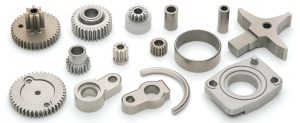
Evet, hızlı prototipleme tüketici elektroniği ve otomotiv parçaları gibi hem dijital hem de fiziksel ürünlere uygulanabilir.
Hızlı prototiplemede yaygın olarak hangi araçlar kullanılır?
Yaygın araçlar arasında CAD yazılımı, 3D yazıcılar ve dijital ürünler için tel kafes araçları bulunur.
Hızlı prototipleme uygun maliyetli midir?
Gerekli kaynaklar ve uzmanlık nedeniyle başlangıç maliyetleri daha yüksek olsa da, yeniden tasarımların azalması ve ürün pazarına uyumun artmasıyla elde edilen uzun vadeli tasarruflar genellikle bu maliyetlerden daha ağır basar.
Yorumlar
Son Yazılar
İlgili Bloglar
Senyo'nun blogu, prototip üretimi konusundaki kapsamlı bilgimizi paylaşmaya odaklanmıştır. Makalelerimiz aracılığıyla, ürün tasarımınızı geliştirmenize ve hızlı prototiplemenin karmaşıklıklarını daha etkin bir şekilde yönlendirmenize yardımcı olmayı hedefliyoruz.