What Is Die Cast Zinc? Advantages of Zinc Alloys in Casting
Indholdsfortegnelse
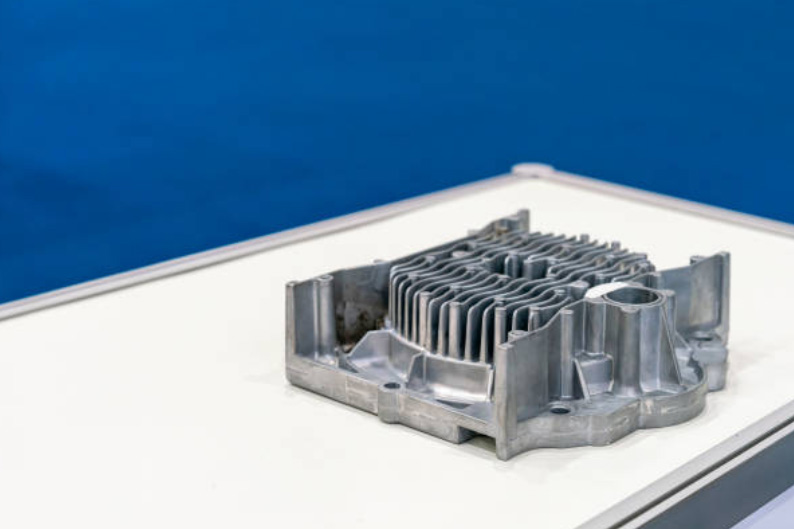
What Is Die Cast Zinc?
Die Cast Zinc is a high-pressure metal spreading procedure utilized to make specific, repeatable zinc alloy parts. In simple terms, liquified zinc alloy is pushed into a set steel mold and mildew, called a die. The steel fills up the dental caries, cools without delay, and appears as a near-net-shape part.
That “near-net-shape” element is the reason designers like zinc. The casting can consist of slim walls, ribs, supervisors, openings, pivot info, strings, ornamental faces, logo designs, and setting up attributes in a singular shot. When the die is made well, additional machining can be lowered or sometimes gotten rid of totally.
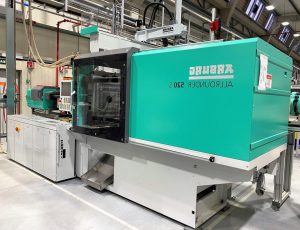
Several die cast zinc is carried out with the hot chamber die casting procedure. In this arrangement, the shot system beings in or near the liquified zinc. Since zinc thaws at a much reduced temperature level than aluminum, the tools can cycle quickly and with much less thermal stress on the die. The International Zinc Company keeps in mind that zinc alloys integrate strength, durability, rigidness, bearing efficiency, completing capability, and cost-efficient castability in such a way that tackles several cast aluminum, magnesium, bronze, plastic, and cast iron options. (zinc.org)
For thing groups, that issues. An excellent zinc dispersing is not simply “a steel component.” It is generally a wound up mechanical component, an aesthetic realty, a relocating wear surface, or a part-consolidation method.
Why Zinc Alloys Are Made Use Of in Casting
Pure zinc is not normally the product of option for engineering die stars components. Distributors utilize zinc alloys because small improvements of light weight aluminum, copper, magnesium, and numerous other components enhance stamina, solidity, dimensional stability, creep resistance, castability, and finishing responses.
The result is a family of products that acts well in manufacturing. Zinc alloys fill small information cleanly. They hold tight dimensions. They approve plating and ending up. They can be cast into complicated kinds that would certainly be costly to maker from billet.
And demand is not stalling. A 2025 International Zinc Company two-page market brief forecasts a 17% increase in zinc die casting alloy demand by 2035, equal to about 270,000 tonnes, with development connected to realty, transport, electrical and electronic things, garments equipment, sporting activities and leisure, and clinical usages. (diecasting.zinc.org)
For a getting supervisor, that trend signals something practical: zinc die casting remains a mainstream production course, not a legacy treatment calmly fading away.
Precisely Just How the Die Cast Zinc Improve Functions
The die cast zinc treatment looks very easy from the outside. In manufacturing, it is a snugly controlled series of warm, tension, a/c, lubrication, ejection, reducing, and assessment.
1. Die Cast Prep work
The die is cleansed, lubricated, and clamped shut. Lubrication aids control cozy, shields tool surfaces, and improves component ejection. The protecting force requires to be high adequate to maintain the die shut while molten metal is infused under stress and anxiety.
2. Defrosting and Injection
The zinc alloy is thawed and held at the right handling temperature degree. In warm chamber die spreading, molten zinc is injected straight right into the die dental caries at broadband and stress. This enables the steel fill thin wall surface areas and small features prior to it enhances.
The advantage is speed. IZA’s technical die spreading resource reports sensible zinc alloy spreading rates from under 200 to over 4,000 shots per hour, with the very deluxe putting on mini parts on expert devices; basic dies can reach about 1,000 shots per hour. (diecasting.zinc.org)
3. Air conditioning and Solidification
Once the dental caries is complete, the steel cools inside the die. Air conditioning time relies on wall surface density, part geometry, jogger layout, die temperature level, and cooling down style. Thin, also walls normally cast faster than thick, irregular sections.
4. Ejection
Matricen åbner, og udkasterstifter presser den fremkommende.
Det er her layout problemer.
Hvis trækvinklen også er lille, hvis teksturen også er aggressiv, eller hvis ribben og kompagnier fanger delen, kan udkastningen bemærke eller misforme spredningen.
6. Added Treatments
Relying on the final demands, the component may undergo machining, touching, brightening, plating, paint, powder completing, establishing, or analysis. If your part calls for restricted post-cast qualities, a managed CNC-fræsningsservice can aid end up mating surface areas, ports, openings, and datum-critical places after casting.
Typical Zinc Die Casting Alloys
Various zinc alloys act differently. Some concentrate on castability. Others make use of higher toughness, far better creep resistance, or boosted wear performance.
| Zinklegering | Usual Call | Key Strengths | Typical Usage Instances |
|---|---|---|---|
| Zamak 3 | Alloy 3/ ZP3 | Outstanding castability, dimensional stability, well balanced properties | General housings, dental braces, manage, customer tools |
| Zamak 5 | Alloy 5/ ZP5 | Better endurance and solidity than Zamak 3 | Mechanical parts, vehicle components, architectural hardware |
| Zamak 2 | Alloy 2/ ZP2/ Kirksite | High strength and endurance in the Zamak family members | Tooling, higher-load components, wear-prone components |
| Zamak 7 | Changed Alloy 3 | High fluidness and ductility, excellent surface area finish | Slim wall surface areas, aesthetic parts, parts needing outstanding castability |
| ZA-8 | Zinc Aluminum 8 | Higher strength and bearing efficiency; cozy chamber compatible | Gears, bars, load-bearing parts, usage elements |
| ZA-12 | Zinc Light weight aluminum 12 | Superb stamina and use resistance | Bearings, bushings, industrial elements |
| ZA-27 | Zinc Light weight aluminum 27 | High light weight aluminum internet content, high stamina, decreased thickness than Zamak | Heavier-duty building and mechanical applications |
| ACuZinc5 | Kobbermodificeret zinklegering | Solidity, lubricity, creep resistance | High-load mechanical components, vehicle and industrial usages |
| EZAC | Improved zinc alloy | High return durability, suppleness, creep resistance | Applications needing much more effective zinc performance |
IZA’s mechanical building tables reveal little die cast zinc alloy return staminas differing from concerning 234 MPa to 393 MPa throughout in-depth alloys, depending upon alloy and test troubles. ASME reports a comparable beneficial variety, remembering return sturdiness from 32– 57 ksieller 221– 396 MPa, for zinc die casting alloys. (diecasting.zinc.org)
Benefits of Zinc Alloys in Casting
Impressive Accuracy and Dimensional Safety
Zinc alloys are understood for holding great information. That is why they turn up in lock bodies, switches, adapters, attractive trim, small gears, deals with, locks, and digital housings.
An appropriately made zinc casting can lower machining because of the reality that the treatment can create slim wall surface areas, sharp significance, minimized draft angles, and specific repeatability. NADCA’s Product Specifications Demands manual covers alloy buildings, normal and accuracy resistances, tooling, GD&T, style standards, and quality control for high-pressure die spreadings. (diecastingdesign.org)
Fast Manufacturing Fees
Zinc’s lowered melting temperature degree and warm chamber compatibility aid shorten cycle time. The manufacturer does not require to ladle steel right into an amazing chamber for each shot, as is common with aluminum die spreading.
That does not suggest every zinc part runs at the exact very same speed. A little zipper slider, a thick lock property, and a complex digital devices enclosure all act differently. Still, as a training course, die casting zinc is among the fastest high-pressure steel spreading treatments used. IZA mentions that zinc alloy die casting performance is more than light weight aluminum or magnesium as a result of the fact that light weight aluminum is normally cool chamber actors and magnesium production can deal with oxide-related interruptions. (diecasting.zinc.org)
Long Tooling Life
Tooling is costly. So die life problems.
Given that zinc alloys are cast at lowered temperatures than lightweight aluminum and numerous other die spreading alloys, they develop a lot less thermal exhaustion in the die steel. IZA keeps in mind that zinc dies can securely be planned around a minimum of 500,000 shots, with numerous passes away developing around 2 million shots and a typical die life around 1 million shots; the specific same resource listings typical life around 200,000 shots for light weight light weight aluminum og 400,000 shots for magnesium. (diecasting.zinc.org)
ASME also summarizes business benefit plainly: zinc’s minimized melting temperature level can sustain die casting life approximately 10 times longer than some completing dispersing treatments, with faster cycle times and reduced power expenses. (asme.org)
Strong Mechanical Efficiency
Zinc is not a “soft decorative metal” when utilized properly. Zinc alloys can bring load, withstand result, and help relocating contact area. Their bearing and put on residential properties make them appropriate for equipments, bars, sliding components, bushings, and mechanical real estates.
Det er her, legeringsvalg betyder noget.
Zamak 3 kan være enestående til en generel enhed.
ZA-8 eller ACuZinc5 kan gøre mere fornemmelse, når smidighed, krybemodstand eller fødselsvaner virkelig er afgørende.
ASME remembers that zinc materials amongst the very best surface finishings amongst cast metals and can be rapidly ended up by layering or paint. (asme.org)
Element Financial obligation consolidation
Zinc die dispersing can transform a multi-piece assembly right into one spreading. This can decrease screws, inserts, braces, welds, rivets, and hands-on assembly time.
As an example, a component that previously utilized a stamped brace, a machined spacer, and 2 fasteners may be revamped as one zinc die casting with incorporated bosses and ribs. The item rate might boost, but full installed expense can drop.
Recyclability and Product Effectiveness
Zinc scrap from runners, overflows, declines, and cutting can commonly be remelted and reused when alloy chemistry is regulated. USGS reports that united state fine-tuned zinc production consists of recovery from additional materials such as galvanizing deposits and raw zinc oxide recuperated from electrical arc heating system dust. The exact very same 2026 USGS recap approximates 2025 around the world refined zinc production at 13.8 million heaps and steel intake at 13.7 million bunches. (pubs.usgs.gov)
For customers tracking supply risk, USGS also estimates 2025 world zinc mine manufacturing at 13.0 million statistics bunches and globe books at 240 million metric lots. (pubs.usgs.gov)
Die Cast Zinc vs Lightweight Light Weight Aluminum Die Casting
Zinc and light weight light weight aluminum are both outstanding die casting products. The better choice depends on the job.
| Element | Die Cast Zinc | Aluminum Die Casting |
|---|---|---|
| Tykkelse | Larger; much better sensation and damping, yet a lot more mass | Lighter; much better for weight-sensitive components |
| Improve | Typically warm chamber | Typically amazing chamber |
| Cycle speed | Commonly much faster for little and tool elements | Slower, especially for thicker parts |
| Tooling life | Commonly much longer as a result of reduced spreading temperature level | Much shorter as an outcome of higher thermal tension |
| Thin-wall ability | Superb | Excellent, but typically much less adaptable than zinc |
| Surface surface | Ekstraordinært til lagdeling og iøjnefaldende job | Good, usually calls for much more completing |
| Sturdiness in small components | Very solid and stringent | Exceptional strength-to-weight percentage |
| High-temperature usage | Restricted by zinc’s reduced melting factor and creep behavior | Better for higher operating temperature levels |
| Best fit | Tiny accuracy components, hardware, realties, eye-catching parts | Larger light-weight parts, heat-exposed components, structural realties |
The vital factor is not “zinc is better” or “light weight light weight aluminum is much better.” The element is healthy and balanced.
Pick zinc when you require information, surface layer, limited repeatability, quick cycles, long die life, or a portable strong part. Select lightweight light weight aluminum when weight, heat resistance, or large-part geometry drives the design. ASME keeps in mind that zinc’s thickness pertains to 6.6 g/cm 6, regarding 2.5 times heavier than a common aluminum alloy, nonetheless that designers can occasionally respond to weight with thinner wall surfaces and complex geometry. (asme.org)
Where Die Cast Zinc Parts Are Used
Biler
Die cast zinc actors components are used in interior trim, seat controls, handles, braces, sensing unit housings, cable television links, safety aspects, and various mechanical tools. IZA’s 2025 short recognizes transportation as one of the considerable usage teams for international die cast zinc alloys, standing for 21% of global zinc die casting usages in its chart. (diecasting.zinc.org)
Electronic Devices and Electric Products
Zinc works well for digital properties, adapters, buttons, shielding elements, and little architectural elements. It is conductive, dimensionally consistent, and effective in detailed features. It furthermore provides a premium really feel that plastics normally can not match.
Consumer Equipment
Door deals with, lock bodies, handles, attracts, latches, attachments, zippers, glasses equipment, and decorative trim are classic zinc die casting applications. The element is basic: zinc looks excellent after finishing, feels substantial, and deals with copied use.
Home appliances
Tool parts frequently require sturdiness and a clean surface area. Zinc dominates in looks after, joints, attractive covers, deals with, control components, and inner dental braces.
Medical and Personal Therapy Devices
Zinc alloys can be located in tool housings, portable parts, adjustment components, and tiny mechanical settings up. IZA’s 2025 zinc alloy need brief internet links future development partly to clinical self-care things such as hypertension and sugar measuring tools. (diecasting.zinc.org)
Industrial and Mechanical Products
Gears, bushings, bars, pump components, little housings, gadget elements, brackets, and installations can all be candidates for zinc die casting. Where last surface or limited openings need to be controlled after casting, CNC præcisionsbearbejdning can help bring the component to its last design spec.
Limitations of Die Cast Zinc
Zinc works, yet it is not magic. It has restrictions.
It Is Much much heavier Than Aluminum
Weight is the biggest tradeoff. Zinc can be a superb option for little components where density improves feeling or stability. For big parts, portable weight-sensitive things, aerospace braces, or electrical auto lightweighting programs, lightweight light weight aluminum or magnesium might be better.
Det er ikke egnet til meget høje temperaturer
Zinc alloys have lower melting temperature levels than aluminum alloys. They are not the first choice for parts exposed to high operating warm, sustained tons at temperature level, or aggressive thermal cycling.
Tooling Price Can Be High
Dies are accuracy steel tools. They set you back money. That makes zinc die casting a bad suitable for a number of one-off, prototype, or truly low-volume jobs.
If your layout is still transforming, begin with die cast zinc models or CNC-machined designs prior to dedicating to manufacturing tooling. As quickly as the geometry is stable and need is real, die casting ends up being a great deal less complicated to confirm.
Porosity Can Take Place
Like other high-pressure die spreading out treatments, zinc die spreading can produce porosity if airing vent, gating, fill up rate, temperature degree, or geometry are severely handled. IZA defines that porosity in zinc pressure die casting can stem from captured air and diminishing as liquid steel strengthens. (diecasting.zinc.org)
Porosity is not always a valuable problem. For cosmetic or non-pressure elements, tiny controlled porosity may serve. For sealed, layered, machined, or pressure-tight components, it calls for attention early.
Die Cast Zinc Style Tips
Maintain Wall Surface Thickness Regular
Constant wall surface surfaces improve flow, decrease shrinking risk, and assist the component awesome uniformly. Prevent thick-to-thin changes when feasible. If strength is needed, use ribs in contrast to just including mass.
Include Draft
Draft aids the spreading launch from the die. Zinc can commonly maintain reduced draft than a few other spreading steels, but “absolutely no draft almost everywhere” is hardly ever an exceptional default. The precise amount relies on depth, structure, wall surface direction, and ejection technique.
Usage Radii and Fillets
Sharp interior edges focus anxiety and limit steel circulation. Round transitions enhance strength, fill activities, and tool life.
Format Ribs Thoroughly
Ribs include rigidity without much weight. Maintain them in proportion to the wall surface area, avoid hefty junctions, and put them where they sustain the lots course.
Delight In Employers and Openings
Bosses work for screws, pins, inserts, and positioning. Nonetheless large employers can develop sink, porosity, or regional hot spots. Openings might be cast, pierced, touched, or machined relying upon tolerance and guidelines.
Approach the Parting Line Early
The parting line influences flash, cosmetics, tool cost, and ejection. If an aesthetic face is crucial, do not leave the parting line selection till completion.
Be Honest Worrying Tolerances
Limited resistances set you back cash. Use minimal resistances where attribute demands them, and give the caster area all over else. For crucial information surfaces or precision-fit areas, think about including die casting with the excellent CNC machining technique for post-cast completing.
Finest Ending Up Options for Die Cast Zinc Parts
Die casting zinc can be completed in great deals of approaches:
- Electroplating: Chrome, nickel, copper, and other layered surface areas for wear and tear resistance or attractive surface areas.
- Powder finishing: Long-term shade finish for hardware, devices, tools, and outdoors products.
- Paint: Versatile color and framework options for consumer and industrial parts.
- Improving and buffing: Smooth cosmetic preparation before layering.
- Kromatkonvertering: Deterioration resistance and surface prep work.
- Mechanical completing: Toppling, deburring, fining sand, and exploding for side control and structure.
Completing must be discussed before the die is developed. A component created for chrome plating may require various spans, surface area top quality, entrance location, and lightening up availability than a component hid inside a setting up.
When Should You Pick Die Cast Zinc?
Pick die cast zinc when your part needs:
- High-volume repeatability
- Slim walls or great information
- Smooth surface area finish
- Fantastic stamina in a small shape
- Excellent plating or attractive completing
- Integrated supervisors, ribs, hinges, or bolt qualities
- Minimized additional machining than billet production
- Lengthy tooling life over many production cycles
Prevent it, or a minimum of contrast choices, when your task calls for:
- Extremely reduced volume
- Huge lightweight frameworks
- High-temperature efficiency
- Consistent style alterations
- Thick sections that cool erratically
- Ultra-low tooling financial investment
A superb guideline: if the geometry is little to device, complicated, repeatable, and most likely to range, zinc deserves a substantial appearance.
Ofte stillede spørgsmål
Is die cast zinc solid?
Yes. Zinc die casting alloys can be exceptionally strong for small and tool components. Relying on the alloy, ASME reports return durability ranges of 32– 57 ksieller 221– 396 MPa. (asme.org)
Does die cast zinc corrosion?
Zinc does not rust like iron or steel given that rust particularly refers to iron oxide. Zinc can corrosion under certain troubles, yet it typically has terrific degeneration resistance and can be plated, painted, or powder covered for included safety.
Is zinc far much better than light weight aluminum for die spreading?
Sometimes. Zinc is frequently much better for tiny detailed elements, limited resistances, quick cycles, long die life, and ornamental surface areas. Lightweight light weight aluminum is typically much better for lightweight, bigger, or higher-temperature parts.
Can die cast zinc components be machined?
Yes. Zinc die spreadings can be pierced, touched, squashed, reamed, or finished after casting. Nonetheless, one purpose of terrific die cast zinc design is to decrease unnecessary machining any place possible.
Is die cast zinc valuable for versions?
Standard die spreading is generally not optimum for very early prototypes due to the reality that tooling is costly. For very early style recognition, design casting, vacuum cleaner spreading, CNC machining, or soft tooling may be far better prior to devoting to a tough manufacturing die.
Kommentarer
Nyeste Indlæg
Relaterede Blogs
Senyo ' s blog er fokuseret på at dele vores omfattende viden om, prototype fremstilling. Gennem vores artikler, vi har til formål at støtte dig i at raffinere dit produkt design og navigere i kompleksiteten af rapid prototyping mere effektivt.