Pontos-chave da moldagem por injeção de PC para policarbonato
Tabela de Conteúdo
O policarbonato (PC) é um plástico de engenharia não cristalino de alto desempenho com uma densidade aproximada de 1,20-1,22 g/cm³, o que o torna moderadamente pesado. Uma das suas características mais marcantes é a muito baixa contração de moldagem, que varia entre 0,5% a 0,7%, com contração uniforme. Isto confere aos produtos moldados por injeção de PC uma excelente estabilidade dimensional e precisão, sendo ideais para o fabrico de peças de precisão.
O PC apresenta ainda uma excelente transparência (até 90% de transmissão de luz), uma resistência ao impacto muito elevada, uma boa resistência ao calor (temperatura de distorção térmica de aproximadamente 130-135 °C) e um atraso à chama. No entanto, o PC apresenta uma elevada viscosidade de fusão, fluidez moderada e grupos éster na sua cadeia molecular, o que o torna altamente higroscópico. Por conseguinte, deve ser profundamente seco antes do processamento (até um teor de humidade < 0,02%), caso contrário, ocorrerá degradação hidrolítica, levando ao aparecimento de estrias prateadas e à redução da resistência do produto. Estas características combinadas requerem a utilização de temperaturas de processamento relativamente elevadas (temperatura de fusão de 300-320 °C) e temperaturas de molde relativamente elevadas (tipicamente de 80-120 °C) para garantir uma moldagem bem-sucedida e obter produtos de baixo stress e alto desempenho.
O PC é um plástico de engenharia com um excelente desempenho, mas as suas características de processamento exigem requisitos de processo rigorosos. Dominar os seus pontos-chave é fundamental para a produção de produtos de elevada qualidade.
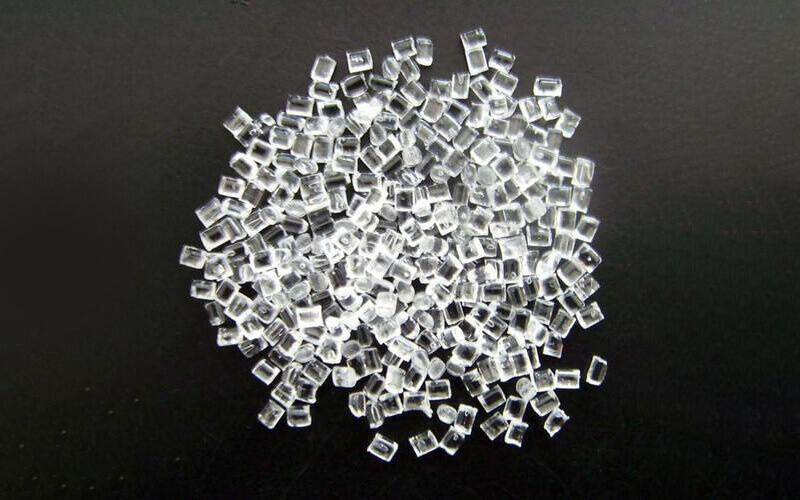
Propriedades do material para o policarbonato (PC)
A compreensão das propriedades do PC (policarbonato) é um pré-requisito para o desenvolvimento do processo correto:
Material não cristalino
O PC não forma uma estrutura cristalina durante a solidificação. Isto significa:
- Contração baixa e uniforme: tipicamente de 0,5% a 0,7%, resultando numa boa estabilidade dimensional e menor contração (em comparação com materiais cristalinos como o PE/PP).
- Excelente transparência: O PC puro é altamente transparente.
- Sem ponto de fusão definido: apenas uma temperatura de transição vítrea (Tg, aproximadamente 145-150℃), amolecendo gradualmente acima da Tg.
Alta viscosidade, sensível ao cisalhamento
A viscosidade da massa fundida é muito elevada, com fluidez moderada, exigindo uma elevada pressão e velocidade de injeção para o enchimento.
No entanto, a sua viscosidade é mais sensível à taxa de cisalhamento (velocidade de injeção) do que à temperatura. Aumentar a velocidade de injeção reduz eficazmente a viscosidade e melhora a fluidez, de forma mais eficaz do que o simples aumento da temperatura.
Extremamente higroscópico
Esta é a causa raiz mais comum de problemas no processamento de PC. Os grupos éster da cadeia molecular do PC são extremamente sensíveis à humidade.
- Requisito de teor de humidade: Deve ser seco a um teor inferior a 0,02% (geralmente <0,015%), uma vez que mesmo quantidades mínimas de humidade podem levar à degradação hidrolítica.
- Sintomas de degradação: Os produtos apresentam estrias prateadas (fios prateados), bolhas, turbidez superficial e diminuição do peso molecular, resultando numa deterioração severa das propriedades mecânicas (especialmente a resistência ao impacto).
- Alta temperatura de transição vítrea (Tg): até aproximadamente 150℃, o que determina as suas características de elevada moldagem e processamento a altas temperaturas de molde.
- Elevada resistência à fusão: Adequado para moldagem por sopro e extrusão de chapa.
Sensível a entalhes, propenso a tensões internas residuais: O design ou processamento inadequado do produto pode facilmente levar à concentração de tensões, provocando fissuras. A temperatura elevada do molde é o meio mais importante para eliminar as tensões internas.
Explicação detalhada dos pontos-chave no processo de moldação por injeção de PC
Pré-tratamento: Secagem (crucial!)
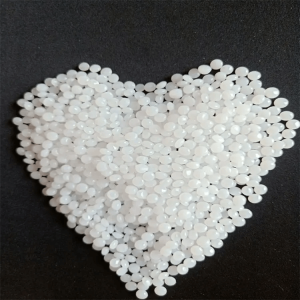
Equipamento: É necessário utilizar um secador desumidificador; secadores de ar quente comuns são ineficazes.
Condições de secagem:
- Temperatura: 120±5℃. Uma temperatura demasiado baixa resulta numa secagem lenta e incompleta; uma temperatura demasiado elevada pode provocar aglomeração de partículas ou ligeira pré-plastificação.
- Tempo: 3 a 4 horas ou mais (dependendo da capacidade da tremonha e do teor de humidade inicial da matéria-prima). É necessário garantir um tempo de residência suficiente.
- Ponto de orvalho: O ponto de orvalho do ar seco deve ser ≤-30℃.
- Precauções: O material seco deve ser utilizado imediatamente ou armazenado durante um curto período num recipiente isolado (ajustado para 80-100°C).
Se a máquina estiver parada durante mais de 15 a 20 minutos, o material na tremonha deve ser esvaziado ou arrefecido para evitar o aquecimento prolongado e a degradação.
Uma avaliação simples pode ser feita utilizando o "método de injecção de ar": Mergulhe a tira de material fundido injectado em água fria, retire-a imediatamente e observe. Se estiver macia, transparente e sem bolhas, a secagem foi satisfatória; se estiver esbranquiçada, com bolhas e se se romper facilmente, a secagem foi insuficiente.
Temperatura de moldagem por injeção de PC
Temperatura do barril:
- Princípio: Utilize uma distribuição de calor do tipo "mais alto à frente, mais baixo atrás". O PC possui uma certa estabilidade contra o sobreaquecimento, mas a exposição prolongada a temperaturas excessivamente elevadas ainda causará degradação térmica.
- Zona traseira (secção de alimentação): 250-280 °C. Utilizada principalmente para pré-aquecimento e plastificação inicial; a temperatura não deve ser demasiado elevada para evitar o derretimento prematuro e a aglomeração das partículas, o que afetaria a alimentação.
- Zona intermédia (secção de compressão): 280-310℃. Principal zona de plastificação; a temperatura de regulação é crucial.
- Zona frontal (secção de dosagem): 300-320℃. Garante uma temperatura de fusão uniforme, preparando o material para a injeção.
Temperatura do bico: Ligeiramente inferior à da zona frontal, aproximadamente 300-310 °C, para evitar o gotejamento. Pode ser utilizado um bico com fecho (retorno por mola).
- Temperatura de fusão: O valor medido deve estar entre 300-320°C. Esta é a temperatura de referência mais crítica.
- Temperaturas excessivamente elevadas (>330°C): a cor da fusão escurece, aparecem manchas pretas e estrias prateadas, e a resistência diminui.
- Temperaturas muito baixas (<280℃): deficiente plastificação, elevado binário no cilindro, baixa fluidez, enchimento insuficiente do produto, superfície rugosa e elevada tensão interna.
Temperatura do molde de moldação por injeção de PC
Este é o parâmetro mais crítico para controlar a qualidade e o stress interno dos produtos de PC!
Intervalo de temperatura: 80-120°C. Para os produtos comuns, recomenda-se uma temperatura não inferior a 90°C; para produtos de elevada transparência, alto brilho, elevada exigência ou complexos/com paredes espessas, deve ser utilizada uma temperatura de molde elevada, de 100-120°C.
Os efeitos de uma temperatura elevada do bolor:
- Reduz significativamente a tensão interna da moldação: Permite que as cadeias moleculares relaxem lentamente dentro da cavidade do molde, reduzindo a orientação congelada.
- Melhora a fluidez do material fundido: Diminui a taxa de arrefecimento da superfície da cavidade do molde, o que é benéfico para o enchimento de paredes finas ou com fluxo longo.
- Melhora a qualidade da superfície: resulta num elevado brilho e numa boa reprodutibilidade da superfície do produto, evitando defeitos como "fibras flutuantes" e ondulações.
- Previne a solidificação prematura: Evita as linhas de soldadura visíveis e a baixa resistência.
Para produtos transparentes, garantir uma elevada transparência é uma condição necessária.
A temperatura irregular do molde pode provocar empenamento, deformação e encolhimento desigual do produto.
Pressão e velocidade de injeção
Velocidade de injeção:
- Recomenda-se a injeção a velocidade média a alta. Utilizando a sensibilidade ao cisalhamento do PC, o enchimento rápido do molde reduz eficazmente a viscosidade, mantém uma boa temperatura da frente de fusão e facilita o enchimento, resultando numa superfície lisa.
- Para peças de paredes finas: a injeção a alta velocidade é obrigatória.
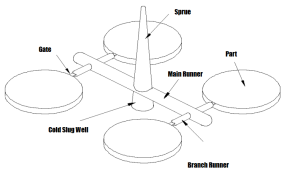
- Precauções: A velocidade excessiva pode provocar jatos. Neste caso, ajuste o design da comporta (por exemplo, utilize uma comporta em leque ou uma comporta submersa) ou empregue um controlo de velocidade em múltiplos estágios ("lento-rápido-lento"), passando primeiro lentamente pela comporta e depois enchendo rapidamente.
Pressão de injeção/Pressão de retenção:
- Utilize a pressão de injeção mais baixa possível, garantindo o enchimento completo. A gama típica é de 80 a 120 MPa.
- Pressão e tempo de recalque: Moderados. Devido à baixa contração do PC, a pressão de impulsão não deve ser demasiado elevada nem demasiado longa, caso contrário provocará sobreenchimento, dificuldade na desmoldagem e aumento da tensão interna. A pressão de impulsão deve ser de aproximadamente 50 a 70% da pressão de injeção.
- Ponto de comutação por pressão de retenção: Recomenda-se a utilização da comutação por posição em vez da comutação por pressão para maior precisão e estabilidade.
Contrapressão e velocidade da rosca
- Contrapressão: Pressão moderada, geralmente entre 5 e 15 bar. Uma contrapressão adequada promove a compactação do material fundido, a ventilação e a plastificação uniforme; no entanto, uma contrapressão excessiva gera calor de cisalhamento excessivo, podendo levar ao sobreaquecimento e à degradação.
- Velocidade do parafuso: Velocidade baixa a média, recomendada entre 40 e 70 rpm. A rotação a alta velocidade gera calor excessivo por cisalhamento, representando também um risco de degradação.
Tempo de arrefecimento
Devido à elevada temperatura do molde, o PC requer um tempo de arrefecimento relativamente longo.
- O tempo de arrefecimento depende da espessura da parede e da temperatura do molde. O princípio é garantir que o produto está completamente curado e é ejetado sem deformação.
- Um tempo de arrefecimento insuficiente pode levar à deformação durante a ejeção, aderência ao molde ou empenamento posterior.
Defeitos comuns e contramedidas para a moldagem por injeção de PC
- Riscas prateadas (linhas prateadas): A principal suspeita é de secagem insuficiente. Em segundo lugar, temperaturas excessivamente elevadas do material ou temperaturas excessivamente baixas do molde podem provocar a decomposição da resina e a produção de gás.
- Bolhas: As bolhas internas são causadas principalmente por pressão de retenção insuficiente ou retração por arrefecimento; as bolhas superficiais podem estar relacionadas com a secagem ou com a temperatura do material.
- Fissuras/Branqueamento por tensão: Causadas por tensão interna excessiva. Aumentar a temperatura do molde é a solução mais eficaz. Veja também:
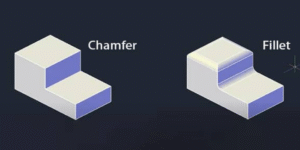
- Se o produto possui cantos vivos, entalhes ou outros elementos que concentrem tensão.
- Verificar se a ejeção está equilibrada e se ocorre desmoldagem forçada.
- Se a pressão de retenção é demasiado elevada e se o arrefecimento é demasiado rápido.
- Enchimento insuficiente: Aumente a temperatura do material e do molde, aumente a velocidade de injeção e melhore a ventilação.
- Flash: Reduza a pressão/velocidade de injeção, verifique se a força de fecho é suficiente e verifique se há desgaste do molde.
- Linhas de soldadura visíveis: Aumente a temperatura do molde e do material, aumente a velocidade de injeção, melhore a ventilação e ajuste a posição do ponto de injeção.
Perguntas frequentes
1. Quais são as condições de secagem necessárias para o material de PC antes da moldação por injeção de PC?
É imprescindível a utilização de um secador com desumidificador (os secadores de ar quente são ineficazes). Seque a 120±5℃ durante mais de 3 a 4 horas, com um ponto de orvalho do ar ≤-30℃, até atingir um teor de humidade <0,02% (de preferência <0,015%).
2. Qual é a gama de temperaturas recomendada para o cilindro e para o ponto de fusão na moldação por injeção de PC?
Temperatura do cilindro (da frente, mais baixa, para trás, mais alta): 250-280℃ (traseira), 280-310℃ (central), 300-320℃ (frontal). Temperatura do bico: 300-310℃. Temperatura de fusão: 300-320℃ (evitar >330℃ ou <280℃).
3.º Por que razão a temperatura do molde é crucial na moldagem por injeção de PC e qual é o intervalo ideal?
Determina a tensão interna e a qualidade do produto. Intervalo de temperatura: 80-120℃; ≥90℃ para produtos em geral, 100-120℃ para produtos de elevada transparência, complexos ou de paredes espessas.
4. Quais são os principais requisitos de velocidade e pressão de injeção na moldação por injeção de PC?
Velocidade: Média a alta (elevada para peças de paredes finas); utilize a sequência "lento-rápido-lento" para evitar jatos. Pressão: 80-120 MPa (a mais baixa possível); a pressão de compactação deve ser de 50 a 70% da pressão de injeção.
5.º O que causa as estrias prateadas nos produtos moldados por injeção de PC e como resolver este problema?
Causa principal: Secagem insuficiente. Soluções: Melhorar as condições de secagem; ajustar a temperatura do material (evitar o sobreaquecimento) e a temperatura do molde (aumentá-la adequadamente).
Comentários
Posts Mais Recentes
Blogs Relacionados
Senyo o blog é focado em compartilhar o nosso conhecimento extensivo de protótipo de fabricação. Através de nossos artigos, temos o objetivo de apoiar a refinar seu design de produto e navegação do complexidades de prototipagem rápida, mais eficaz.