Protótipos de Peças: controle de peças de Metal e Plástico Fabricação de
Tabela de Conteúdo
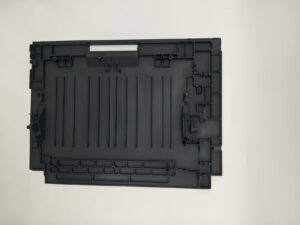
O desenvolvimento de um novo produto ou componente começa com uma ideia. Transformar essa ideia em uma forma tangível, no entanto, requer uma etapa crítica: a prototipagem. A prototipagem permite inovadores para validar projetos, identificar falhas cedo, e avaliar um produto de ajuste e durabilidade muito antes de escala de produção. Esta fase inicial é fundamental para mitigar os riscos e garantir o sucesso de um lançamento no mercado.
A escolha adequada do método de fabricação para a sua protótipos de peças é uma importante decisão. O processo ideal saldos de acessibilidade, um curto período de tempo, e sem compromissos de qualidade. Este guia abrangente explora comum de prototipagem rápida, métodos, oferecendo insights de selecionar a melhor abordagem para as suas necessidades específicas. Nós também irá fornecer essencial considerações sobre a estrutura de metal e plástico protótipos de peças.
4 principais Métodos de Prototipagem Rápida
A paisagem de prototipagem rápida oferece várias técnicas poderosas, cada uma com vantagens distintas. O entendimento destes métodos permite que você tome decisões informadas para o seu protótipos de peças.
1. De Usinagem CNC
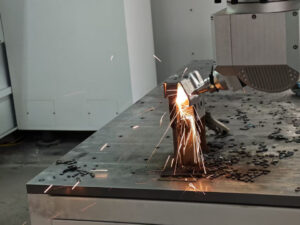
CNC (Controle Numérico computadorizado) de usinagem se destaca como uma pedra angular no protótipo de criação. A sua adopção generalizada é evidente em vários setores, por exemplo, a Apple utilizados em máquinas CNC para prototipar o MacBook de alumínio do invólucro quando a transição de projetos de policarbonato.
Usinagem CNC atua como uma analítica do processo de fabricação. Informatizado de controles guia ferramentas de corte, precisamente a remoção de material a partir de uma matéria-prima da peça. Este meticuloso processo continua até que o modo desejado personalizado protótipo parte emerge.
Este método apresenta precisão excepcional, alcançar tolerâncias bem ±4 µm. Além disso, usinagem CNC acomoda uma grande variedade de materiais, incluindo praticamente qualquer metal ou de plástico, desde que estejam disponíveis na forma do bloco. Essa versatilidade faz dele um go-to para muitos complexas e de alta precisão protótipos de peças.
2. Impressão 3D
A impressão 3D, um aditivo técnica de fabricação, ações fundamental semelhança com usinagem CNC: ambos dependem de modelos CAD em 3D e instruções de computador para automatizar protótipo parte criação. No entanto, suas abordagens diferem significativamente. Enquanto usinagem CNC remove o material, a impressão 3D constrói objetos camada a camada a partir do zero.
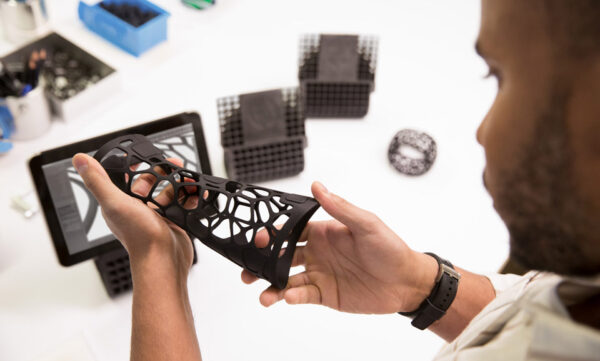
Diversas tecnologias de impressão 3D existir, cada um adequado para diferentes aplicações. Estereolitografia (SLA), Fused Deposition Modeling (FDM), e Sinterização Seletiva a Laser (SLS) são bons exemplos. Estas tecnologias oferecem normalmente mínimo apresentam tamanhos que variam de 0,25 mm a 0,8 mm, fornecendo com precisão suficiente para a maioria dos protótipos demandas. A impressão 3D é excelente na produção de intrincados e geometricamente complexas protótipos de peças que podem ser difíceis ou impossíveis com os métodos tradicionais.
3. Carcaça De Uretano
Carcaça de uretano, também conhecido como carcaça de vácuo, oferece uma solução eficaz para a produção de plástico protótipos de peças usando moldes de silicone sob condições de vácuo. O processo geralmente começa com a criação de um mestre padrão, muitas vezes usando máquinas CNC ou impressoras 3D. Líquida de poliuretano é então derramado no molde de silicone, replicando o principal padrão para criar várias cópias do protótipo parte o design. Este método é particularmente eficiente para a produção de pequenos e médios lotes de alta qualidade, funcionais, de protótipos de plástico.
4. Rápida De Moldagem Por Injeção
Rápida de Moldagem por Injeção (RIM) representa uma versão acelerada do convencional de moldagem por injeção. Este processo aproveita a velocidade e precisão de usinagem CNC para criar rapidamente cavidades do molde. Essa capacidade permite a produção eficiente do complexo protótipos de peças com intrincados recursos. A RIM é ideal para situações que requerem grandes volumes de protótipos de plástico com excelentes acabamentos de superfície e propriedades mecânicas, fazendo a ponte entre o baixo volume de prototipagem e produção em massa.
Escolhendo o Direito do Método de Fabricação para o Seu Protótipo de Peças
Determinar o melhor método de fabricação para a sua protótipos de peças envolve a pesagem de vários fatores críticos. Cada técnica oferece um conjunto exclusivo de vantagens.
Considere os seguintes aspectos quando tomar a sua decisão:
- Desejado Propriedades Mecânicas: Específica, a força, a flexibilidade, ou outras características físicas deve o seu protótipos de peças possuímos?
- Exigências Do Volume: Quantas idênticos protótipos de peças você precisa?
- Restrições De Orçamento: Qual é a sua dotação financeira para a fase de prototipagem?
- Prazo De Execução: Como rapidamente você precisa o protótipos de peças?
- Compatibilidade De Materiais: Quais os materiais que são essenciais para o seu projeto, e quais os métodos que oferecem suporte a elas?
Análise comparativa de Métodos de Prototipagem
| Recurso | De Usinagem CNC | Impressão 3D | Carcaça De Uretano | Rápida De Moldagem Por Injeção |
|---|---|---|---|---|
| Tolerância/Precisão | Excelente (até ±4 µm) | Bom (de 0,25-0,8 mm apresentam tamanho) | Bom | Muito Bom |
| Compatibilidade De Materiais | Amplo (a maioria dos metais, os plásticos em blocos) | Limitado (termoplásticos, alguns metais) | Os poliuretanos (plástico como propriedades) | Os Termoplásticos, Termofixos |
| Volume De Adequação | De baixo para Médio, grande partes individuais | Baixo a Médio, geometrias complexas | Baixo a Médio (10 a 100 unidades) | De médio e Alto (acima de 100 unidades) |
| O Tempo De Chumbo | Curto | A curto e Médio | Médio | De médio a Longo (inicial molde de criação) |
| Custo | Moderada (por parte depende de complexidade) | Moderado a Alto (custo material, a máquina do tempo) | Baixa a Moderada (depois de mestrado padrão) | Moderado (custos de ferramentas pode ser significativo) |
| Acabamento Da Superfície | Muito Bom | Variável (depende de tecnologia, pós-processamento) | Excelente | Excelente |
| A Complexidade Do Projeto | Moderado a Alto (limitado pela ferramenta de acesso) | Muito Alta (intrincada geometria, características internas) | Moderado a Alto | Alta |
| O Desperdício De Material | Significativa (subtrativa) | Mínimo (aditivo) | O mínimo de | O mínimo de |
Você deve optar por um CNC de prototipagem rápida se suas prioridades incluem uma mistura de qualidade, um curto período de tempo, a acessibilidade e a extensa compatibilidade de materiais. Usinagem CNC também se mostra ideal para a produção de grandes volumes de protótipos específicos desejáveis propriedades mecânicas. No entanto, este subtrativa processo inerentemente gera desperdício de material.
A impressão 3D elimina o desperdício de material desafio associado com usinagem CNC e oferece uma alta qualidade de acabamento superficial. No entanto, muitas vezes vem com custos mais altos e mais restritas seleção de materiais. A tecnologia de impressão 3D funciona principalmente com termoplásticos, como ABS, nylon, PLA, e ULTEM, juntamente com um seleto poucos metais tais como o aço ferramenta, aço inoxidável, titânio, e alumínio.
Uretano fundido e moldado por injeção protótipos de peças combinar a integridade estrutural de componentes usinados em CNC com excelentes acabamentos de superfície alcançável através de impressão 3D. Esses métodos também são bastante acessíveis, particularmente quando a fabricação de maiores corridas de protótipos de plástico.
No entanto, carcaça de uretano e rápida de moldagem por injeção, normalmente, envolvem levar mais vezes em comparação com a impressão 3D e usinagem CNC. Como orientação geral, considere estes métodos se você precisar criar 100 ou mais idênticos plástico protótipos de peças.
Melhorar o Desempenho: Dicas para a criação Rápida de Protótipos de Peças de Metal
Fabricação de peças em metal protótipos de peças exige a precisão e a adesão ao projeto específico princípios. Estas dicas ajudarão você a alcançar os melhores resultados.
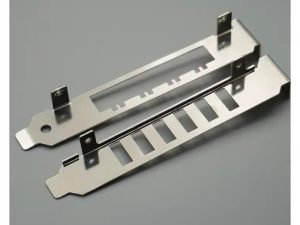
- Priorizar CNC Prototipagem Rápida: Use CNC de prototipagem rápida para as peças de metal, a menos que o seu design incorpora recesso recursos das máquinas CNC, não é possível acessar facilmente.
- Utilizar a Impressão em 3D para o Complexo de apartamentos Dispõe de: Empregar impressoras 3D para fabricar protótipos com recessed recursos ou intrincados geometrias internas que ser um desafio para as máquinas CNC.
- Otimizar O Design De Cavidade: Design de cavidades com uma profundidade e largura inferior a 4. Isso ajuda a minimizar a vibração excessiva e deflexão da ferramenta durante a usinagem CNC, o que garante maior precisão para o seu protótipos de peças.
- Manter Níveis Adequados De Espessura De Parede: Design de metal protótipos de peças com uma espessura de parede maior que 0,8 mm. De paredes finas de metal estruturas são suscetíveis de deformação durante o processo de usinagem CNC.
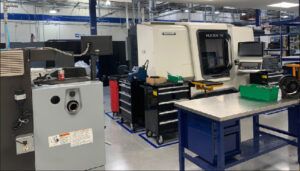
- Terceirizar para Especialistas: Parceria com uma conceituada loja de máquina para economizar tempo e reduzir os custos de fabricação. Especialistas trazer conhecimento especializado e equipamentos, garantindo a alta qualidade de protótipos de peças.
A racionalização da Produção: Dicas para a criação de Protótipos de Peças Plásticas
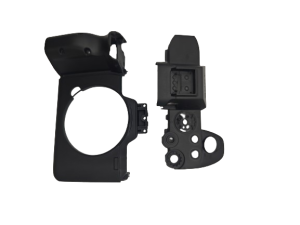
Enquanto a impressão 3D, modelação por injecção e carcaça de uretano continuam populares por plástico protótipos de peças, Usinagem CNC pode oferecer uma alternativa superior em situações específicas. Por exemplo, usinagem CNC destaca quando o seu design características de minúsculos detalhes ou quando você trabalha com plásticos especiais, tais como o PVC, PEI, e o PEEK.
Se você escolher a impressão 3D de seu plástico protótipos de peças, estas considerações de projeto vai ajudar a reduzir custos e garantir o sucesso da fabricação.
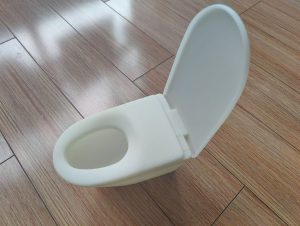
- Ocos Volumosos Partes: Fazer volumosos não-funcionais protótipos de peças, especialmente os que se destinam a representação visual, oco. Isso reduz o uso de material e o tempo de impressão.
- Minimizar Estruturas De Apoio: Reduzir a necessidade de estruturas de apoio no seu projeto. Excesso de suporte consomem mais matéria-prima e aumentar a impressão 3D de duração.
- Selecione um Avançado Fabricante: Escolha um fabricante de terceiros, equipado com o estado-da-arte da tecnologia de impressão 3D, técnicos altamente qualificados, e de controle de qualidade rigoroso especialistas. Seus conhecimentos garantias superior de plástico protótipos de peças.
Conclusão
Sucesso de fabricação protótipos de peças é uma fase crítica no desenvolvimento de produtos. Ele permite a testes rigorosos, design, requinte e, em última análise, a criação de um produto final superior. Por considerar cuidadosamente as vantagens e limitações de usinagem CNC, de impressão em 3D, carcaça de uretano, e rápido de moldagem por injeção, você pode selecionar o método mais apropriado para seu projeto específico. Aderindo às melhores práticas, tanto para o metal e o plástico protótipos ainda garante a qualidade, funcionalidade e custo-eficácia de seu protótipos de peças. Planejamento estratégico e o direito de fabricação parceiro de transformação de conceitos inovadores de sucesso, realidades.
Comentários
Posts Mais Recentes
Blogs Relacionados
Senyo o blog é focado em compartilhar o nosso conhecimento extensivo de protótipo de fabricação. Através de nossos artigos, temos o objetivo de apoiar a refinar seu design de produto e navegação do complexidades de prototipagem rápida, mais eficaz.