فهم التشغيل الآلي اللين للإنتاج الأمثل
جدول المحتويات
تشغيل المعادن اللينة، وهو جانب أساسي من جوانب التصنيع الحديث، يركز على تشكيل المنتجات التي تكون مرنة إلى حد معقول أو لم تخضع بعد لعملية التصلب. هذه التقنية في التشغيل أساسية لتطوير المكونات بدقة عالية وتشطيبات استثنائية للمساحة السطحية قبل المعالجة الحرارية النهائية أو التصلب. إن فهم التشغيل اللين أمر بالغ الأهمية للمهندسين والمنتجين الذين يهدفون إلى تحسين عمليات التصنيع الخاصة بهم، وخفض التكاليف، وإطالة عمر الجهاز. وهو ينطوي على إزالة المنتج بعناية من الموارد لتحقيق الشكل الهندسي المطلوب، ويعمل عادة كإجراء وسيط قبل عمليات التشغيل الصعبة الأكثر قوة.
يتعمق هذا الدليل الشامل في تعقيدات التشغيل اللين، واستكشاف تطبيقاته، والمواد المستخدمة، وفوائده، والاختلافات الحاسمة عن التشغيل الصلب. نحن نهدف إلى تقديم مراجعة واضحة وموثوقة وشاملة لأي شخص يشارك في خدمات التشغيل باستخدام الحاسب الآلي والنماذج الأولية السريعة.
ما هو التشغيل اللين بالضبط؟
تشغيل المعادن اللينة، وهو جانب أساسي من جوانب التصنيع الحديث، يركز على تشكيل المنتجات التي تكون مرنة إلى حد معقول أو لم تخضع بعد لعملية التصلب. هذه التقنية في التشغيل أساسية لتطوير المكونات بـ دقة عالية وتشطيبات استثنائية للمساحة السطحية قبل المعالجة الحرارية النهائية أو التصلب. إن فهم التشغيل اللين أمر بالغ الأهمية للمهندسين والمنتجين الذين يهدفون إلى تحسين عمليات التصنيع الخاصة بهم، وخفض التكاليف، وإطالة عمر الجهاز. وهو ينطوي على إزالة المنتج بعناية من الموارد لتحقيق الشكل الهندسي المطلوب، ويعمل عادة كإجراء وسيط قبل عمليات التشغيل الصعبة الأكثر قوة.
يتعمق هذا الدليل الشامل في تعقيدات التشغيل اللين، واستكشاف تطبيقاته، والمواد المستخدمة، وفوائده، والاختلافات الحاسمة عن التشغيل الصلب. نحن نهدف إلى تقديم مراجعة واضحة وموثوقة وشاملة لأي شخص يشارك في التفريز باستخدام الحاسب الآلي الرقمي خدمات و النماذج الأولية السريعة.
ما هي المواد الشائعة المستخدمة في التشغيل اللين؟
تشغيل المعادن اللينة تعالج العمليات مجموعة متنوعة من المواد، وخاصة تلك التي لم تتصلب بعد. هذه المواد المستخدمة في التشغيل اللين تمتلك عادة قيم صلابة أقل، مما يجعلها أسهل في القطع والتشكيل. فهم هذه المواد الشائعة المستخدمة أمر ضروري لاختيار المناسب تقنية التشغيل و أدوات القطع.
| نوع المادة | أمثلة | الخصائص الرئيسية للتشغيل اللين | التطبيقات النموذجية |
|---|---|---|---|
| الفولاذ | 1018، 4140 (صلب) | قابلية جيدة للتشغيل، مرن | قطع غيار للأغراض العامة، مكونات السيارات |
| سبائك الألومنيوم | 6061, 7075 | قابلية ممتازة للتشغيل، خفيف الوزن | الفضاء، الإلكترونيات الاستهلاكية |
| نحاس | C360 | Very good machinability, low friction | Fittings, connectors, decorative parts |
| النحاس | C110 | Good electrical/thermal conductivity | Electrical components, heat sinks |
| بلاستيك | ABS, Nylon, Delrin | Easy to machine, various properties | Prototypes, insulation, consumer goods |
مواد مثل low carbon steels (e.g., 1018), aluminum alloys (e.g., 6061), and various plastics are frequently processed through soft machining. هذه soft metals and polymers are ideal for machining due to their relatively low hardness. This allows for less tool wear وأسرع عملية التصنيع الآلي cycles. For instance, soft machining of plastics is common in the production of prototypes and custom enclosures. The ability of the الماكينة to precisely cut these soft materials ensures high-quality results.
How Does Soft Machining Differ from Hard Machining?
على difference between hard machining and soft machining lies fundamentally in the material’s hardness and the عملية التصنيع الآلي applied. تشغيل المعادن اللينة occurs when the material is in its unhardened or annealed state. Conversely, hard machining takes place after the material has undergone heat treatment, making it significantly harder. This distinction profoundly impacts everything from tool life to the selection of أدوات القطع وبشكل عام machining performance.
تشغيل المعادن اللينة allows for higher cutting speeds and feed rates. This is because the soft materials are more pliable, offering less resistance to the أدوات القطع. إن tool wear rate is generally lower in soft machining operations مقارنةً بـ hard machining. This means أدوات القطع last longer, reducing operational costs. Hard machining, on the other hand, deals with harder materials like hardened steels and superalloys. These materials demand specialized أدوات القطع made from materials like cubic boron nitride (CBN) or ceramics, slower cutting speeds, and lower feed rates to manage intense tool wear and heat generation. While soft machining allows for rapid material removal to define the general shape, hard machining typically focuses on achieving tight tolerances and superior surface finishes on the hardened part. Explore more about CNC precision machining.
What are the Key Benefits of Soft Machining for Production?
Soft machining provides a range of substantial advantages that contribute to effective and top notch manufacturing. These benefits make soft machining a crucial action in the manufacturing of many accuracy elements.
- Extended Tool Life: Working with soft materials significantly minimizes anxiety on cutting devices. This directly converts to longer device life and less constant device changes. Consequently, this reduces tooling prices and boosts general machining performance.
- Greater Material Removal Rates: The fundamental pliability of soft products allows the equipment to run at greater reducing speeds and feed rates. This accelerates the machining process, allowing much faster manufacturing cycles and boosted throughput.
- الفعالية من حيث التكلفة: Reduced device wear and faster cycle times add to reduced manufacturing expenses. Soft machining is excellent for prototyping and tiny set manufacturing, as it is usually extra economical than difficult machining which needs customized devices and devices.
- Enhanced Surface Finish (Pre-Hardening): While soft machining isn’t the final finishing step, it can achieve a very good surface finish on unhardened products. This sets a solid structure for subsequent completing procedures, including hard machining, ensuring a premium quality final product.
- Layout Flexibility: Because soft machining is a procedure that commonly precedes solidifying, it offers greater flexibility for style modifications early in the production cycle. Adjustments are much easier to apply on soft products before they become more tough to device.
These benefits of soft machining emphasize its importance in modern-day manufacturing, allowing for reliable manufacturing of top quality components.
Where is the Application of Soft Machining Most Prevalent?
على application of soft machining spans numerous industries, proving its versatility and necessity in modern manufacturing. It is primarily used when parts require shaping before hardening or when the material itself is inherently soft.
الصناعة الطبية
Soft machining is crucial in the medical industry. It creates intricate components for medical devices from materials like biocompatible plastics and softer metals. Prototypes for surgical instruments, implants, and diagnostic equipment often undergo soft machining. This ensures high quality and precise initial geometries. For example, parts for orthotic devices or enclosures for sensitive electronics are frequently machined in their soft state before any final treatments. Learn more about medical device prototyping.
صناعة السيارات
في قطاع السيارات, soft machining is used extensively for creating engine components, transmission parts, and chassis elements. Many of these parts begin as soft metals or alloys, which are then precisely machined before being hardened for durability and performance. This initial shaping with soft machining allows for the accurate creation of complex geometries and features. Components like gears, shafts, and housings are routinely processed using soft machining techniques. Discover more about automotive prototyping.
صناعة الطيران والفضاء
The aerospace industry demands unparalleled precision. تشغيل المعادن اللينة is vital for fabricating components from aluminum alloys and other soft metals used in aircraft structures, engine parts, and landing gear. These materials like الألومنيوم 6061 و 7075 يتم تشكيلهما بسهولة في حالتهما اللينة، مما يسمح بإنشاء أشكال هندسية معقدة باستخدام high quality والتفاوتات الضيقة. إن عملية التصنيع تستخدم متقدمة ماكينات CNC لضمان تلبية كل مكون لمعايير الفضاء الجوي الصارمة.
الإلكترونيات الاستهلاكية
يستخدم التشغيل الآلي اللين بشكل شائع في صناعة الإلكترونيات الاستهلاكية لإنشاء هياكل، ومكونات هيكلية داخلية، ونماذج أولية. مواد مثل البلاستيك (مثل ABS، بولي كربونات) و soft metals مثالية لـ soft machining of plastics. وهذا يتيح النماذج الأولية السريعة والإنتاج الفعال لأغلفة الأجهزة الإلكترونية مع تشطيبات سطح ممتازة. استكشف النماذج الأولية للمنتجات الاستهلاكية.
هذه المجموعة الواسعة من application of soft machining يسلط الضوء على دورها الحاسم في مختلف قطاعات التصنيع.
متى يجب عليك اختيار الأدوات اللينة على الأدوات الصلبة؟
القرار بين الأدوات اللينة and hard tooling is a tactical one, heavily affecting task cost, preparation, and component quantity. Both kinds of tooling have their particular benefits, yet soft tooling usually beams in particular circumstances.
الأدوات اللينة describes mold and mildews or components made from less long lasting tooling products like aluminum, softer steels, or perhaps certain resins. It is typically more affordable and quicker to generate than difficult tooling. This makes الأدوات اللينة an excellent option for prototyping, low-volume production runs, or when style changes are expected. For example, in rapid prototyping for new item growth, using soft tooling permits designers to swiftly create models and iterate on designs without dedicating to pricey, taxing hard tooling. This technique aids validate designs and conduct market testing successfully.
On the other hand, difficult tooling involves molds made from hard steel or various other highly durable products. While much more pricey and slower to generate at first, hard tooling supplies exceptional longevity and precision for high-volume production. It withstands the rigors of millions of cycles, making it the best alternative for mass production where consistency and device life are extremely important. The distinction in between tough and soft tooling often comes down to the project’s scale and lifecycle. If your machining task needs versatility and speed in beginning, soft tooling is the clear champion. If you need durable, durable tools for mass production, hard tooling is important.
What Are the Challenges of Working with Soft Materials in Machining?
العمل مع soft materials في عملية التصنيع الآلي presents its own set of unique challenges. While soft machining offers advantages like faster material removal and longer tool life, engineers must be aware of potential issues to ensure high quality outcomes.
One primary challenge is burr formation. Soft materials like aluminum or certain plastics are prone to forming burrs during cutting. This requires additional deburring operations, which can add time and cost to the overall عملية التصنيع الآلي. Another concern is material deformation. Soft materials can easily deform or lose their shape during machining due to excessive machining forces or improper clamping. This necessitates careful selection of cutting parameters and fixture design. For example, drilling in soft machining requires a sharp drill bit and appropriate feed rates to prevent material pull-out or excessive heat generation.
Chip evacuation also poses a challenge. Soft and ductile materials often produce long, stringy chips that can entangle around the أدوات القطع or workpiece, leading to surface defects or even tool breakage. Effective chip management, often involving optimized cutting strategies and coolant application, becomes crucial. Finally, achieving tight tolerances in soft machining can be difficult due to the material’s tendency to deform. Precision fixture and carefully controlled cutting environments are essential to maintain dimensional accuracy. Addressing these challenges is key to successful soft machining and producing high quality الأجزاء.
Can Soft Machining Be Used for Prototyping and Low-Volume Production?
بكل تأكيد. Soft machining is ideal for prototyping and low-volume production. In fact, it is often the preferred machining method for these applications due to its cost-effectiveness, speed, and flexibility. When developing new products, companies frequently need to create multiple iterations of a design to test functionality, form, and fit. Soft machining allows for quick turnaround times for these prototypes.
Consider the scenario of a startup developing a new consumer electronic device. They need several prototypes for investor presentations, functional testing, and market feedback. Using soft machining for components made from materials like plastic or aluminum enables them to rapidly produce these prototypes at a fraction of the cost and time compared to traditional hard tooling أو hard machining methods. This iterative process is crucial for refining designs before committing to mass production. Refer to consumer product prototyping for more information.
Moreover, for specialized or niche products that only require limited quantities, soft machining offers an economical solution. It avoids the significant upfront investment associated with hard tooling, making it an attractive option for businesses that need high quality parts without the need for millions of units. This flexibility makes soft machining invaluable in bridging the gap between design conception and full-scale manufacturing.
What Specific Techniques Are Employed in Soft Machining?
Soft machining encompasses a variety of techniques, each tailored to efficiently remove material and achieve specific geometric features on unhardened parts. The choice of تقنية التشغيل depends on the material, the complexity of the part, and the desired precision.
- الطحن: This is one of the most common soft machining techniques. A milling machine uses rotating multi-point أدوات القطع to remove material from a workpiece. It is highly versatile, capable of creating flat surfaces, slots, pockets, and complex 3D contours. For soft metals and plastics, milling can achieve high material removal rates and excellent surface finishes.
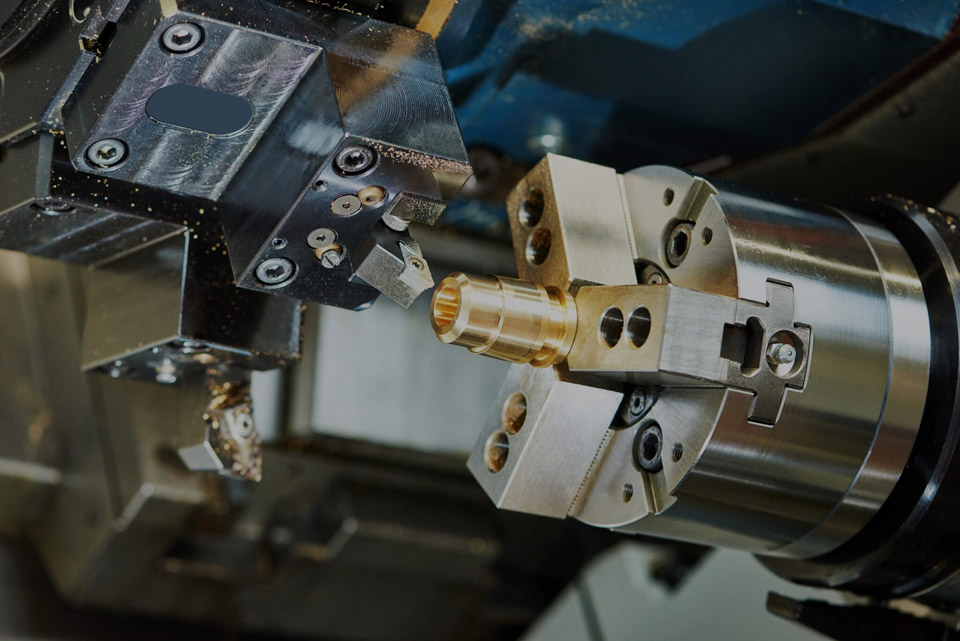
- الدوران: Used primarily for creating cylindrical parts, turning involves rotating the workpiece against a stationary single-point أداة القطع. هذا عملية التصنيع الآلي is highly effective for shaping shafts, pins, and other rotational components. Explore CNC turning services.
- الحفر: This technique creates holes in a workpiece. In soft machining, drilling can be performed rapidly due to the material’s lower hardness. Precise drilling is crucial for assembly and fastening.
- ممل After drilling, boring refines an existing hole, increasing its diameter and improving its accuracy and surface finish. This is particularly useful when tight tolerances in soft machining are required for internal features.
- الطحن: بينما ترتبط غالبًا بما يلي hard machining, some forms of grinding are also used in soft machining for achieving very fine surface finishes or precise dimensions on unhardened materials.
- النشر: This is a basic material removal technique used to cut raw stock into smaller, more manageable pieces before more detailed soft machining operations.
كل من هذه soft machining techniques contributes to the versatility and effective machining of unhardened materials, allowing manufacturers to produce high quality components efficiently.
How Does Tooling and Fixturing Impact Soft Machining Performance?
The choice and style of tooling and fixturing profoundly affect soft machining performance. Proper tooling and fixturing are crucial to attain excellent quality outcomes, minimize device wear, and guarantee the security of the work surface throughout the machining process.
بالنسبة لـ soft machining, cutting devices made from high-speed steel (HSS) or carbide are frequently used. HSS tools are a lot more budget friendly and offer great performance with soft metals and plastics, while carbide devices use exceptional hardness and wear resistance, expanding device life also additionally. The geometry of the cutting tools, including rake angle and helix angle, is optimized for cutting soft and ductile materials to stop burr development and enhance chip discharge. As an example, sharper cutting edges are usually favored when dealing with soft materials to decrease machining pressures and decrease the risk of contortion.
Fixturing in soft machining focuses on securely holding the work surface without triggering deformation or damages. Soft jaws are frequently used in vices to hold soft products delicately but strongly, avoiding squashing or altering of the surface. Vacuum fixtures or specialized clamps can additionally be utilized, depending upon the part geometry and material. Effective fixturing ensures workpiece rigidness, protecting against vibrations that can lead to poor surface coating or dimensional errors. The synergy between enhanced cutting devices and durable fixturing is important for making best use of overall machining performance and creating excellent quality parts in soft machining procedures
What are the Future Trends in Soft Machining?
مجال soft machining continues to evolve, driven by advancements in material science, الماكينة technology, and manufacturing demands. Several key trends are shaping the future of this critical machining method.
One significant trend is the increasing integration of automation and artificial intelligence (AI) in soft machining operations. AI-powered systems can optimize machining parameters in real-time, adapting to variations in material properties and tool wear to enhance efficiency and maintain high quality. This leads to more precise control over the عملية التصنيع الآلي, further extending tool life and reducing human intervention.
Another trend involves the development of new أدوات القطع and coatings specifically designed for soft materials. These innovations aim to further reduce friction, improve chip evacuation, and extend tool life beyond current capabilities. For example, specialized diamond-like carbon (DLC) coatings are being explored to enhance the performance of أدوات القطع when machining soft metals and plastics, offering a significant advantage compared to traditional hard coatings.
Furthermore, the demand for soft machining in the medical and aerospace industries continues to push for higher precision and the ability to process more complex geometries. This drives innovation in multi-axis ماكينات CNC, enabling the creation of intricate parts with fewer setups. As materials may become more diverse and designs more complex, soft machining techniques will adapt, offering even greater versatility and efficiency. These trends ensure that soft machining remains a dynamic and indispensable part of modern manufacturing.
الختام
Soft machining is a form من machining as a material removal process that is indispensable in modern manufacturing. It allows for the efficient and precise shaping of unhardened materials, serving as a crucial preliminary step before hard machining or as a standalone process for softer components. Its advantages, including extended tool life, higher material removal rates, and cost-effectiveness, make it ideal for prototyping, low-volume production, and a wide array of industrial applications. While challenges exist, such as burr formation and potential material deformation, careful planning and optimized تقنية التشغيل can mitigate these issues, ensuring high quality outcomes.
فهم differences between hard and soft machining empowers manufacturers to select the most appropriate strategy for their specific needs, enhancing efficiency and product quality. As technology advances, soft machining will continue to evolve, offering even greater precision and versatility in shaping raw materials into precise components. Embrace the power of soft machining to optimize your production processes and achieve superior results.
تعليقات
أحدث المشاركات
مدونات ذات الصلة
Senyo مدونة تركز على تقاسم لدينا معرفة واسعة من تصنيع النموذج الأولي. من خلال مقالاتنا ، ونحن نهدف إلى دعم لك في صقل المنتج الخاص بك تصميم و التنقل تعقيدات النماذج الأولية السريعة بشكل أكثر فعالية.