최적의 생산을 위한 연성 가공 이해
Table of Contents
연삭 가공, 현대 제조의 필수적인 측면인 연삭 가공은 비교적 유연하거나 아직 경화 과정을 거치지 않은 제품을 성형하는 데 중점을 둡니다. 이 가공 기술은 최종 열처리 또는 경화 전에 높은 정밀도와 뛰어난 표면적 마감을 가진 부품을 개발하는 데 기본적입니다. 연삭 가공을 이해하는 것은 제조 작업을 최적화하고 비용을 절감하며 장비 수명을 연장하려는 엔지니어와 제조업체에게 매우 중요합니다. 여기에는 원하는 형상을 얻기 위해 자원에서 제품을 부지런히 제거하는 것이 포함되며, 일반적으로 더 공격적인 어려운 가공 프로세스 전에 중간 단계로 작동합니다.
이 포괄적인 가이드는 연삭 가공의 복잡성을 탐구하고, 그 응용 분야, 사용된 제품, 이점 및 어려운 가공과의 중요한 차이점을 발견합니다. CNC 가공 서비스 및 빠른 프로토타입 제작에 관련된 모든 사람에게 명확하고 신뢰할 수 있으며 매력적인 검토를 제공하고자 합니다.
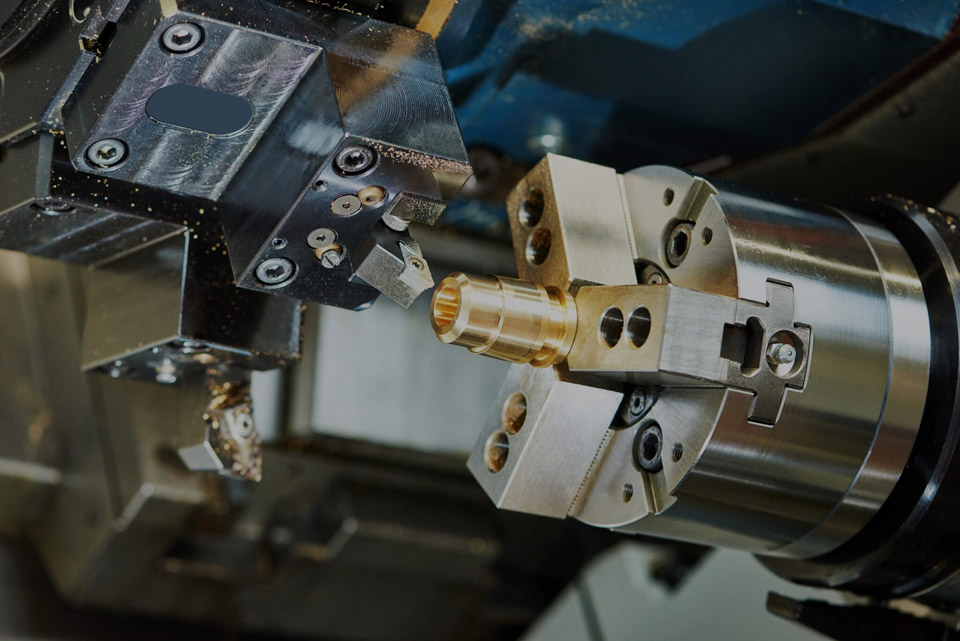
연삭 가공이란 정확히 무엇입니까?
연삭 가공, 현대 제조의 필수적인 측면인 연삭 가공은 비교적 유연하거나 아직 경화 과정을 거치지 않은 제품을 성형하는 데 중점을 둡니다. 이 가공 기술은 다음을 사용하여 부품을 개발하는 데 기본적입니다. 높은 정밀도 최종 열처리 또는 경화 전에 뛰어난 표면적 마감. 연삭 가공을 이해하는 것은 매우 중요합니다. 엔지니어와 제조업체를 위해 제조 작업을 최적화하고 비용을 절감하며 장비 수명을 연장하는 것을 목표로 합니다. 여기에는 원하는 형상을 얻기 위해 자원에서 제품을 부지런히 제거하는 것이 포함되며, 일반적으로 더 공격적인 어려운 가공 프로세스 전에 중간 단계로 작동합니다.
이 포괄적인 가이드는 연삭 가공의 복잡성을 탐구하고, 그 응용 분야, 사용된 제품, 이점 및 어려운 가공과의 중요한 차이점을 발견합니다. 우리는 다음에 관련된 모든 사람에게 명확하고 신뢰할 수 있으며 매력적인 검토를 제공하고자 합니다. CNC 밀링 서비스 및 빠른 프로토타입 제작.
연성 가공에 사용되는 일반적인 재료는 무엇입니까?
연삭 가공 프로세스는 아직 경화되지 않은 다양한 재료를 처리합니다. 연성 가공에 사용되는 재료 일반적으로 경도가 낮아 절단 및 성형이 더 쉽습니다. 이러한 이해 일반적인 재료 사용 적절한 선택에 필수적입니다. 가공 기술 그리고 절단 도구.
| 재료 유형 | 예제 | 연성 가공의 주요 특징 | 일반적인 애플리케이션 |
|---|---|---|---|
| 강철 | 1018, 4140 (어닐링) | 우수한 가공성, 연성 | 일반 목적 부품, 자동차 부품 |
| 알루미늄 합금 | 6061, 7075 | 우수한 가공성, 경량 | 항공 우주, 가전 제품 |
| 황동 | C360 | 매우 우수한 피삭성, 낮은 마찰 | 피팅, 커넥터, 장식 부품 |
| 구리 | C110 | 우수한 전기/열 전도성 | 전기 부품, 방열판 |
| 플라스틱 | ABS, 나일론, 델린 | 가공 용이, 다양한 속성 | 프로토타입, 절연, 소비재 |
다음과 같은 자료 저탄소강 (예: 1018), 알루미늄 합금 (예: 6061) 및 다양한 플라스틱은 종종 다음을 통해 가공됩니다. 연삭 가공. 이 연질 금속 그리고 폴리머는 상대적으로 낮은 경도로 인해 가공에 이상적입니다. 이를 통해 더 적은 공구 마모 더 빠르게 가공 프로세스 사이클. 예를 들어, 플라스틱의 연삭 가공 프로토타입 및 맞춤형 인클로저 생산에 흔히 사용됩니다. 다음의 능력은 machine 이러한 것들을 정밀하게 절단하는 부드러운 재료 고품질 결과를 보장합니다.
연성 가공은 경성 가공과 어떻게 다른가요?
이 경성 가공과 연성 가공의 차이점은 재료의 경도와 가공 프로세스 적용됩니다. 연삭 가공 재료가 경화되지 않거나 어닐링된 상태일 때 발생합니다. 반대로, 경성 가공 재료가 열처리를 거친 후 발생하여 훨씬 더 단단해집니다. 이러한 차이점은 다음을 포함한 모든 것에 큰 영향을 미칩니다. 공구 수명 선택까지 절단 도구 그리고 전반적으로 가공 성능.
연삭 가공 더 높은 절삭 속도와 이송 속도를 허용합니다. 이는 부드러운 재료 더 유연하여 다음 저항이 적기 때문입니다. 절단 도구. . 공구 마모 속도는 일반적으로 더 낮습니다. 연삭 가공 작업 에 비해 경성 가공. 이는 다음을 의미합니다. 절단 도구 더 오래 지속되어 운영 비용을 절감합니다. 경삭 가공반면에 다음을 다룹니다. 더 단단한 재료 경화강 및 초합금과 같습니다. 이러한 재료는 특수화된 재료를 필요로 합니다. 절단 도구 입방정 질화붕소(CBN) 또는 세라믹과 같은 재료로 만들어졌으며, 더 느린 절삭 속도와 낮은 이송 속도로 강렬한 공구 마모 및 열 발생을 관리합니다. 반면에 연삭 가공은 다음을 허용합니다. 일반적인 모양을 정의하기 위해 빠른 재료 제거가 가능합니다. 경삭 가공은 일반적으로 경화된 부품에서 엄격한 공차와 우수한 표면 조도를 달성하는 데 중점을 둡니다. CNC 정밀 가공에 대해 자세히 알아보십시오.
생산을 위한 연삭 가공의 주요 이점은 무엇입니까?
연삭 가공은 효과적이고 최고 수준의 제조에 기여하는 다양한 실질적인 이점을 제공합니다. 이러한 이점은 연삭 가공을 많은 정밀 부품 제조에서 중요한 작업으로 만듭니다.
- 연장된 공구 수명: 연성 재료로 작업하면 절삭 장치에 대한 부담이 크게 줄어듭니다. 이는 장치 수명 연장 및 장치 교체 빈도 감소로 직접 전환됩니다. 결과적으로 공구 비용이 절감되고 일반적인 가공 성능이 향상됩니다.
- 더 높은 재료 제거율: 연성 제품의 기본 유연성으로 인해 장비가 더 높은 절삭 속도와 이송 속도로 작동할 수 있습니다. 이는 가공 프로세스를 가속화하여 훨씬 빠른 제조 주기와 향상된 처리량을 가능하게 합니다.
- 비용 효율성: 장치 마모 감소 및 더 빠른 사이클 시간은 제조 비용 절감에 기여합니다. 연삭 가공은 맞춤형 장치와 장치가 필요한 어려운 가공보다 일반적으로 경제적이기 때문에 프로토타입 제작 및 소규모 배치 제조에 탁월합니다.
- 향상된 표면 마감(경화 전): 연삭 가공이 최종 마감 단계는 아니지만 경화되지 않은 제품에서 매우 우수한 표면 마감을 달성할 수 있습니다. 이는 어려운 가공을 포함하여 후속 완료 절차를 위한 견고한 구조를 설정하여 프리미엄 품질의 최종 제품을 보장합니다.
- 레이아웃 유연성: 연삭 가공은 일반적으로 응고에 선행하는 절차이므로 생산 주기 초기에 스타일 수정에 대한 더 큰 유연성을 제공합니다. 조정은 장치에 더 어려워지기 전에 연성 제품에 적용하기가 훨씬 쉽습니다.
연삭 가공의 이러한 이점은 현대 제조에서 그 중요성을 강조하여 최고 품질의 부품을 안정적으로 제조할 수 있도록 합니다.
연삭 가공의 적용이 가장 일반적인 곳은 어디입니까?
이 연삭 가공의 적용 은 다양한 산업에 걸쳐 현대 제조에서 그 다양성과 필요성을 입증합니다. 경화 전에 부품을 성형해야 하거나 재료 자체가 본질적으로 연성인 경우에 주로 사용됩니다.
의료 산업
연삭 가공은 매우 중요합니다. 의료 산업에서. 의료 기기용 복잡한 부품을 만듭니다. 다음과 같은 재료 생체 적합성 플라스틱 및 더 부드러운 금속. 수술 기구, 임플란트 및 진단 장비 프로토타입은 종종 연삭 가공을 거칩니다.. 이는 다음을 보장합니다. 높은 품질 정밀한 초기 형상. 예를 들어, 보조기 장치 부품이나 민감한 전자 장치용 인클로저는 최종 처리 전에 연질 상태로 가공되는 경우가 많습니다. 의료 기기 프로토타입 제작에 대해 자세히 알아보세요.
자동차 산업
자동차 부문에서, 연삭 가공이 사용됩니다. 엔진 부품, 변속기 부품 및 섀시 요소 제작에 광범위하게 사용됩니다. 이러한 부품 중 다수는 다음과 같이 시작됩니다. 연질 금속 또는 합금으로, 내구성과 성능을 위해 경화되기 전에 정밀하게 가공됩니다. 다음을 사용한 초기 성형 연삭 가공은 다음을 허용합니다. 복잡한 형상과 특징을 정확하게 만들기 위해. 기어, 샤프트 및 하우징과 같은 구성 요소는 일반적으로 다음을 사용하여 처리됩니다. 연삭 가공 기술. 자동차 프로토타입 제작에 대해 자세히 알아보세요.
항공우주 산업
항공우주 산업은 타의 추종을 불허하는 정밀도를 요구합니다. 연삭 가공 알루미늄 합금 및 기타 재료로 구성 요소를 제작하는 데 필수적입니다. 연질 금속 항공기 구조, 엔진 부품 및 랜딩 기어에 사용됩니다. 이러한 다음과 같은 재료 aluminum 6061 and 7075 are easily machined in their soft state, allowing for complex geometries to be created with 높은 품질 그리고 엄격한 허용 오차. 그리고 machining process uses advanced CNC 기계 to ensure every component meets stringent aerospace standards.
Consumer Electronics
Soft machining is commonly used in the consumer electronics industry for creating housings, internal structural components, and prototypes. Materials like plastic (e.g., ABS, polycarbonate) and 연질 금속 are ideal for 플라스틱의 연삭 가공. This enables rapid prototyping and efficient production of electronic device enclosures with excellent surface finishes. Explore consumer product prototyping.
This broad range of 연삭 가공의 적용 highlights its critical role in various manufacturing sectors.
When Should You Choose Soft Tooling Over Hard Tooling?
The decision between 소프트 툴링 and hard tooling is a tactical one, heavily affecting task cost, preparation, and component quantity. Both kinds of tooling have their particular benefits, yet soft tooling usually beams in particular circumstances.
소프트 툴링 describes mold and mildews or components made from less long lasting tooling products like aluminum, softer steels, or perhaps certain resins. It is typically more affordable and quicker to generate than difficult tooling. This makes 소프트 툴링 an excellent option for prototyping, low-volume production runs, or when style changes are expected. For example, in rapid prototyping for new item growth, using soft tooling permits designers to swiftly create models and iterate on designs without dedicating to pricey, taxing hard tooling. This technique aids validate designs and conduct market testing successfully.
On the other hand, difficult tooling involves molds made from hard steel or various other highly durable products. While much more pricey and slower to generate at first, hard tooling supplies exceptional longevity and precision for high-volume production. It withstands the rigors of millions of cycles, making it the best alternative for mass production where consistency and device life are extremely important. The distinction in between tough and soft tooling often comes down to the project’s scale and lifecycle. If your machining task needs versatility and speed in beginning, soft tooling is the clear champion. If you need durable, durable tools for mass production, hard tooling is important.
What Are the Challenges of Working with Soft Materials in Machining?
함께 작업하기 부드러운 재료 in 가공 프로세스 presents its own set of unique challenges. While soft machining offers advantages like faster material removal and longer 공구 수명, engineers must be aware of potential issues to ensure 높은 품질 outcomes.
One primary challenge is burr formation. Soft materials like aluminum or certain plastics are prone to forming burrs during cutting. This requires additional deburring operations, which can add time and cost to the overall 가공 프로세스. Another concern is material deformation. Soft materials can easily deform or lose their shape during machining due to excessive machining forces or improper clamping. This necessitates careful selection of cutting parameters and fixture design. For example, drilling in soft machining requires a sharp drill bit and appropriate feed rates to prevent material pull-out or excessive heat generation.
Chip evacuation also poses a challenge. Soft and ductile materials often produce long, stringy chips that can entangle around the 절단 도구 or workpiece, leading to surface defects or even tool breakage. Effective chip management, often involving optimized cutting strategies and coolant application, becomes crucial. Finally, achieving tight tolerances in soft machining can be difficult due to the material’s tendency to deform. Precision fixture and carefully controlled cutting environments are essential to maintain dimensional accuracy. Addressing these challenges is key to successful 연삭 가공 and producing 높은 품질 부품.
Can Soft Machining Be Used for Prototyping and Low-Volume Production?
물론입니다. Soft machining is ideal for prototyping 소량 생산에 적합합니다. 실제로 비용 효율성, 속도 및 유연성으로 인해 이러한 애플리케이션에 선호되는 가공 방법입니다. 신제품을 개발할 때 기업은 기능, 형태 및 적합성을 테스트하기 위해 설계를 여러 번 반복해야 하는 경우가 많습니다. 연성 가공은 이러한 프로토타입의 빠른 처리 시간을 허용합니다.
새로운 소비자 전자 장치를 개발하는 스타트업의 시나리오를 생각해 보십시오. 그들은 투자자 프레젠테이션, 기능 테스트 및 시장 피드백을 위해 여러 프로토타입이 필요합니다. 연삭 가공 로 만든 부품에 플라스틱과 같은 재료에 또는 알루미늄을 사용하면 기존 방식에 비해 훨씬 적은 비용과 시간으로 이러한 프로토타입을 신속하게 생산할 수 있습니다. 하드 툴링 또는 경성 가공 방법. 이 반복적인 프로세스는 대량 생산을 시작하기 전에 설계를 개선하는 데 매우 중요합니다. 자세한 내용은 소비자 제품 프로토타입 제작을 참조하십시오.
또한 제한된 수량만 필요한 특수 제품 또는 틈새 제품의 경우, 연삭 가공 경제적인 솔루션을 제공합니다. 이는 다음과 관련된 상당한 초기 투자를 피합니다. 하드 툴링따라서 수백만 개의 장치가 필요 없이 높은 품질 부품이 필요한 기업에게 매력적인 옵션입니다. 이러한 유연성으로 인해 연삭 가공 invaluable in bridging the gap between design conception and full-scale manufacturing.
What Specific Techniques Are Employed in Soft Machining?
Soft machining encompasses a variety of techniques, each tailored to efficiently remove material and achieve specific geometric features on unhardened parts. The choice of 가공 기술 depends on the material, the complexity of the part, and the desired precision.
- Milling: This is one of the most common 연삭 가공 기술. A milling machine uses rotating multi-point 절단 도구 to remove material from a workpiece. It is highly versatile, capable of creating flat surfaces, slots, pockets, and complex 3D contours. For 연질 금속 and plastics, milling can achieve high material removal rates and excellent surface finishes.
- 선회: Used primarily for creating cylindrical parts, turning involves rotating the workpiece against a stationary single-point 절단 도구. 이 가공 프로세스 is highly effective for shaping shafts, pins, and other rotational components. Explore CNC turning services.
- 드릴링: This technique creates holes in a workpiece. In 연삭 가공, drilling can be performed rapidly due to the material’s lower hardness. Precise drilling is crucial for assembly and fastening.
- 지루합니다: After drilling, boring refines an existing hole, increasing its diameter and improving its accuracy and surface finish. This is particularly useful when tight tolerances in soft machining are required for internal features.
- 연삭: 종종 다음과 관련이 있지만 경성 가공, some forms of grinding are also used in 연삭 가공 for achieving very fine surface finishes or precise dimensions on unhardened materials.
- Sawing: This is a basic material removal technique used to cut raw stock into smaller, more manageable pieces before more detailed 연삭 가공 작업.
이러한 각 연삭 가공 기술 contributes to the versatility and effective machining of unhardened materials, allowing manufacturers to produce 높은 품질 components efficiently.
How Does Tooling and Fixturing Impact Soft Machining Performance?
The choice and style of tooling and fixturing profoundly affect soft machining performance. Proper tooling and fixturing are crucial to attain excellent quality outcomes, minimize device wear, and guarantee the security of the work surface throughout the machining process.
For 연삭 가공, cutting devices made from high-speed steel (HSS) or carbide are frequently used. HSS tools are a lot more budget friendly and offer great performance with soft metals and plastics, while carbide devices use exceptional hardness and wear resistance, expanding device life also additionally. The geometry of the cutting tools, including rake angle and helix angle, is optimized for cutting soft and ductile materials to stop burr development and enhance chip discharge. As an example, sharper cutting edges are usually favored when dealing with soft materials to decrease machining pressures and decrease the risk of contortion.
Fixturing in soft machining focuses on securely holding the work surface without triggering deformation or damages. Soft jaws are frequently used in vices to hold soft products delicately but strongly, avoiding squashing or altering of the surface. Vacuum fixtures or specialized clamps can additionally be utilized, depending upon the part geometry and material. Effective fixturing ensures workpiece rigidness, protecting against vibrations that can lead to poor surface coating or dimensional errors. The synergy between enhanced cutting devices and durable fixturing is important for making best use of overall machining performance and creating excellent quality parts in soft machining procedures
What are the Future Trends in Soft Machining?
분야 연삭 가공 continues to evolve, driven by advancements in material science, machine technology, and manufacturing demands. Several key trends are shaping the future of this critical 가공 방법입니다..
One significant trend is the increasing integration of automation and artificial intelligence (AI) in 연삭 가공 작업. AI-powered systems can optimize machining parameters in real-time, adapting to variations in material properties and 공구 마모 to enhance efficiency and maintain 높은 품질. This leads to more precise control over the 가공 프로세스, further extending 공구 수명 and reducing human intervention.
Another trend involves the development of new 절단 도구 and coatings specifically designed for 부드러운 재료. These innovations aim to further reduce friction, improve chip evacuation, and extend 공구 수명 beyond current capabilities. For example, specialized diamond-like carbon (DLC) coatings are being explored to enhance the performance of 절단 도구 when machining soft metals and plastics, offering a significant advantage compared to traditional hard coatings.
Furthermore, the demand for soft machining in the medical and aerospace industries continues to push for higher precision and the ability to process more complex geometries. This drives innovation in multi-axis CNC 기계, enabling the creation of intricate parts with fewer setups. As materials may become more diverse and designs more complex, 연삭 가공 기술 will adapt, offering even greater versatility and efficiency. These trends ensure that 연삭 가공 remains a dynamic and indispensable part of modern manufacturing.
결론
Soft machining is a form 의 machining as a material removal process that is indispensable in modern manufacturing. It allows for the efficient and precise shaping of unhardened materials, serving as a crucial preliminary step before 경성 가공 or as a standalone process for softer components. Its advantages, including extended 공구 수명, higher material removal rates, and cost-effectiveness, make it ideal for prototyping, low-volume production, and a wide array of industrial applications. While challenges exist, such as burr formation and potential material deformation, careful planning and optimized 가공 기술 can mitigate these issues, ensuring 높은 품질 outcomes.
이해 differences between hard and soft machining empowers manufacturers to select the most appropriate strategy for their specific needs, enhancing efficiency and product quality. As technology advances, 연삭 가공 will continue to evolve, offering even greater precision and versatility in shaping raw materials into precise components. Embrace the power of 연삭 가공 to optimize your production processes and achieve superior results.
댓글
관련 블로그
Senyo 의 블로그에 초점을 맞추고 공유하는 우리의 광범위한 지식의 시제품을 제조합니다. 우리의 기사를 통해,우리는 당신을 지원하는 정제 제품의 디자인과 탐색의 복잡한 급속한 prototyping 더 효과적으로.