Optimal Üretim için Yumuşak İşlemeyi Anlamak
içindekiler tablosu
Yumuşak işleme, modern üretimin önemli bir yönü olan, makul ölçüde esnek olan veya henüz bir ayar işleminden geçmemiş ürünleri şekillendirmeye odaklanır. Bu işleme tekniği son ısıl işlem veya sertleştirmeden önce yüksek hassasiyet ve olağanüstü yüzey alanı kaplamalarına sahip bileşenler geliştirmek için temeldir. Yumuşak işlemeyi anlamak, üretim operasyonlarını optimize etmeyi, maliyetleri düşürmeyi ve cihaz ömrünü uzatmayı amaçlayan mühendisler ve üreticiler için çok önemlidir. İstenen geometriyi elde etmek için kaynaklardan ürünü özenle çıkarmayı içerir ve genellikle daha agresif zorlu işleme işlemlerinden önce bir ara adım olarak işlev görür.
Bu kapsamlı kılavuz, yumuşak işlemenin karmaşıklıklarını inceler, uygulamalarını, kullanılan ürünleri, faydalarını ve zorlu işlemeden temel farklılıklarını keşfeder. CNC işleme hizmetleri ve hızlı prototipleme ile ilgilenen herkes için net, güvenilir ve ilgi çekici bir inceleme sağlamayı amaçlıyoruz.
Yumuşak İşleme Tam Olarak Nedir?
Yumuşak işleme, modern üretimin önemli bir yönü olan, makul ölçüde esnek olan veya henüz bir ayar işleminden geçmemiş ürünleri şekillendirmeye odaklanır. Bu işleme tekniği, bileşenleri geliştirmek için temeldir. yüksek hassasiyet ve son ısıl işlem veya sertleştirmeden önce olağanüstü yüzey alanı kaplamaları. Yumuşak işlemeyi anlamak çok önemlidir mühendisler ve üreticiler için üretim operasyonlarını optimize etmeyi, maliyetleri düşürmeyi ve cihaz ömrünü uzatmayı amaçlıyor. İstenen geometriyi elde etmek için kaynaklardan ürünü özenle çıkarmayı içerir ve genellikle daha agresif zorlu işleme işlemlerinden önce bir ara adım olarak işlev görür.
Bu kapsamlı kılavuz, yumuşak işlemenin karmaşıklıklarını inceler, uygulamalarını, kullanılan ürünleri, faydalarını ve zorlu işlemeden temel farklılıklarını keşfeder. Amacımız, CNC frezeleme hizmetlerinde yer alan herkes için net, güvenilir ve ilgi çekici bir inceleme sağlamaktır. hızlı prototipleme.
Yumuşak İşlemede Kullanılan Yaygın Malzemeler Nelerdir?
Yumuşak işleme işlemler, henüz sertleşmemiş olanlar başta olmak üzere çeşitli malzemeleri işler. Bunlar yumuşak işlemede kullanılan malzemeler genellikle daha düşük sertlik değerlerine sahiptir, bu da onları kesmeyi ve şekillendirmeyi kolaylaştırır. Bunları anlamak kullanılan yaygın malzemeler uygun olanı seçmek için gereklidir işleme tekniği ve kesici aletler.
| Malzeme Türü | Örnekler | Yumuşak İşleme için Temel Özellikler | Tipik Uygulamalar |
|---|---|---|---|
| Çelikler | 1018, 4140 (tavlanmış) | İyi işlenebilirlik, sünek | Genel amaçlı parçalar, otomotiv bileşenleri |
| Alüminyum Alaşımları | 6061, 7075 | Mükemmel işlenebilirlik, hafif | Havacılık, tüketici elektroniği |
| Pirinç | C360 | Çok iyi işlenebilirlik, düşük sürtünme | Bağlantı parçaları, konektörler, dekoratif parçalar |
| Bakır | C110 | İyi elektriksel/termal iletkenlik | Elektrikli bileşenler, ısı emiciler |
| Plastikler | ABS, Naylon, Delrin | İşlenmesi kolay, çeşitli özellikler | Prototip, yalıtım, tüketim malları |
Gibi malzemeler düşük karbonlu çelikler (örn. 1018), alüminyum alaşımları (örn. 6061) ve çeşitli plastikler sıklıkla işlenir. yumuşak işleme. Bunlar yumuşak metaller ve polimerler, nispeten düşük sertlikleri nedeniyle işleme için idealdir. Bu, daha az takım aşınması ve daha hızlı işleme süreci döngü sağlar. Örneğin, plastiklerin yumuşak işlenmesi prototip ve özel muhafazaların üretiminde yaygındır. Makine hassas bir şekilde kesme yeteneği yumuşak malzemeler yüksek kaliteli sonuçlar sağlar.
Yumuşak İşleme Sert İşlemeden Nasıl Farklıdır?
Bu sert işleme ve yumuşak işleme arasındaki fark temelde malzemenin sertliğinde ve işleme süreci uygulanır. Yumuşak işleme malzeme sertleşmemiş veya tavlanmış haldeyken meydana gelir. Aksine, sert işleme malzeme ısıl işleme tabi tutulduktan sonra gerçekleşir ve bu da onu önemli ölçüde sertleştirir. Bu ayrım, takım ömrü seçimine kadar her şeyi derinden etkiler. kesici aletler ve genel olarak işleme performansı.
Yumuşak işleme daha yüksek kesme hızlarına ve ilerleme hızlarına olanak tanır. Bunun nedeni, yumuşak malzemeler daha esnektir ve kesici aletler. Bu takım aşınması rate is generally lower in soft machining operations ile karşılaştırıldığında sert işleme. This means kesici aletler last longer, reducing operational costs. Hard machining, on the other hand, deals with harder materials like hardened steels and superalloys. These materials demand specialized kesici aletler made from materials like cubic boron nitride (CBN) or ceramics, slower cutting speeds, and lower feed rates to manage intense takım aşınması and heat generation. While soft machining allows for rapid material removal to define the general shape, hard machining typically focuses on achieving tight tolerances and superior surface finishes on the hardened part. Explore more about CNC precision machining.
What are the Key Benefits of Soft Machining for Production?
Soft machining provides a range of substantial advantages that contribute to effective and top notch manufacturing. These benefits make soft machining a crucial action in the manufacturing of many accuracy elements.
- Extended Tool Life: Working with soft materials significantly minimizes anxiety on cutting devices. This directly converts to longer device life and less constant device changes. Consequently, this reduces tooling prices and boosts general machining performance.
- Greater Material Removal Rates: The fundamental pliability of soft products allows the equipment to run at greater reducing speeds and feed rates. This accelerates the machining process, allowing much faster manufacturing cycles and boosted throughput.
- Maliyet-Etkinlik: Reduced device wear and faster cycle times add to reduced manufacturing expenses. Soft machining is excellent for prototyping and tiny set manufacturing, as it is usually extra economical than difficult machining which needs customized devices and devices.
- Enhanced Surface Finish (Pre-Hardening): While soft machining isn’t the final finishing step, it can achieve a very good surface finish on unhardened products. This sets a solid structure for subsequent completing procedures, including hard machining, ensuring a premium quality final product.
- Layout Flexibility: Because soft machining is a procedure that commonly precedes solidifying, it offers greater flexibility for style modifications early in the production cycle. Adjustments are much easier to apply on soft products before they become more tough to device.
These benefits of soft machining emphasize its importance in modern-day manufacturing, allowing for reliable manufacturing of top quality components.
Where is the Application of Soft Machining Most Prevalent?
Bu application of soft machining spans numerous industries, proving its versatility and necessity in modern manufacturing. It is primarily used when parts require shaping before hardening or when the material itself is inherently soft.
Medikal Endüstrisi
Soft machining is crucial in the medical industry. It creates intricate components for medical devices from materials like biocompatible plastics and softer metals. Prototypes for surgical instruments, implants, and diagnostic equipment often undergo soft machining. This ensures high quality and precise initial geometries. For example, parts for orthotic devices or enclosures for sensitive electronics are frequently machined in their soft state before any final treatments. Learn more about medical device prototyping.
Otomotiv Endüstrisi
Otomotiv sektöründe, soft machining is used extensively for creating engine components, transmission parts, and chassis elements. Many of these parts begin as yumuşak metaller or alloys, which are then precisely machined before being hardened for durability and performance. This initial shaping with soft machining allows for the accurate creation of complex geometries and features. Components like gears, shafts, and housings are routinely processed using soft machining techniques. Discover more about automotive prototyping.
Havacılık ve Uzay Endüstrisi
The aerospace industry demands unparalleled precision. Yumuşak işleme is vital for fabricating components from aluminum alloys and other yumuşak metaller used in aircraft structures, engine parts, and landing gear. These materials like aluminum 6061 and 7075 are easily machined in their soft state, allowing for complex geometries to be created with high quality ve sıkı toleranslar. Bu machining process uses advanced CNC makineleri to ensure every component meets stringent aerospace standards.
Consumer Electronics
Soft machining is commonly used in the consumer electronics industry for creating housings, internal structural components, and prototypes. Materials like plastic (e.g., ABS, polycarbonate) and yumuşak metaller are ideal for plastiklerin yumuşak işlenmesi. This enables rapid prototyping and efficient production of electronic device enclosures with excellent surface finishes. Explore consumer product prototyping.
This broad range of application of soft machining highlights its critical role in various manufacturing sectors.
When Should You Choose Soft Tooling Over Hard Tooling?
The decision between yumuşak aletler and hard tooling is a tactical one, heavily affecting task cost, preparation, and component quantity. Both kinds of tooling have their particular benefits, yet soft tooling usually beams in particular circumstances.
Yumuşak takımlar describes mold and mildews or components made from less long lasting tooling products like aluminum, softer steels, or perhaps certain resins. It is typically more affordable and quicker to generate than difficult tooling. This makes yumuşak aletler an excellent option for prototyping, low-volume production runs, or when style changes are expected. For example, in rapid prototyping for new item growth, using soft tooling permits designers to swiftly create models and iterate on designs without dedicating to pricey, taxing hard tooling. This technique aids validate designs and conduct market testing successfully.
On the other hand, difficult tooling involves molds made from hard steel or various other highly durable products. While much more pricey and slower to generate at first, hard tooling supplies exceptional longevity and precision for high-volume production. It withstands the rigors of millions of cycles, making it the best alternative for mass production where consistency and device life are extremely important. The distinction in between tough and soft tooling often comes down to the project’s scale and lifecycle. If your machining task needs versatility and speed in beginning, soft tooling is the clear champion. If you need durable, durable tools for mass production, hard tooling is important.
What Are the Challenges of Working with Soft Materials in Machining?
Birlikte çalışmak yumuşak malzemeler içinde işleme süreci presents its own set of unique challenges. While soft machining offers advantages like faster material removal and longer takım ömrü, engineers must be aware of potential issues to ensure high quality outcomes.
One primary challenge is burr formation. Soft materials like aluminum or certain plastics are prone to forming burrs during cutting. This requires additional deburring operations, which can add time and cost to the overall işleme süreci. Another concern is material deformation. Soft materials can easily deform or lose their shape during machining due to excessive machining forces or improper clamping. This necessitates careful selection of cutting parameters and fixture design. For example, drilling in soft machining requires a sharp drill bit and appropriate feed rates to prevent material pull-out or excessive heat generation.
Chip evacuation also poses a challenge. Soft and ductile materials often produce long, stringy chips that can entangle around the kesici aletler or workpiece, leading to surface defects or even tool breakage. Effective chip management, often involving optimized cutting strategies and coolant application, becomes crucial. Finally, achieving tight tolerances in soft machining can be difficult due to the material’s tendency to deform. Precision fixture and carefully controlled cutting environments are essential to maintain dimensional accuracy. Addressing these challenges is key to successful yumuşak işleme and producing high quality parçalar.
Can Soft Machining Be Used for Prototyping and Low-Volume Production?
Kesinlikle. Soft machining is ideal for prototyping and low-volume production. In fact, it is often the preferred machining method for these applications due to its cost-effectiveness, speed, and flexibility. When developing new products, companies frequently need to create multiple iterations of a design to test functionality, form, and fit. Soft machining allows for quick turnaround times for these prototypes.
Consider the scenario of a startup developing a new consumer electronic device. They need several prototypes for investor presentations, functional testing, and market feedback. Using yumuşak işleme for components made from materials like plastic or aluminum enables them to rapidly produce these prototypes at a fraction of the cost and time compared to traditional hard tooling veya sert işleme methods. This iterative process is crucial for refining designs before committing to mass production. Refer to consumer product prototyping for more information.
Moreover, for specialized or niche products that only require limited quantities, yumuşak işleme offers an economical solution. It avoids the significant upfront investment associated with hard tooling, making it an attractive option for businesses that need high quality parts without the need for millions of units. This flexibility makes yumuşak işleme tasarım anlayışı ile tam ölçekli üretim arasındaki boşluğu doldurmada paha biçilmezdir.
Yumuşak İşlemede Hangi Spesifik Teknikler Kullanılır?
Yumuşak işleme şunları kapsar: her biri malzemeyi verimli bir şekilde çıkarmak ve sertleştirilmemiş parçalar üzerinde belirli geometrik özellikler elde etmek için uyarlanmış çeşitli teknikler. Seçim işleme tekniği malzeme, parçanın karmaşıklığı ve istenen hassasiyete bağlıdır.
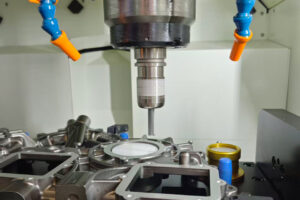
- Milling: Bu en yaygın olanlardan biridir soft machining techniques. A freze makinesi dönen çok noktalı kullanır kesici aletler bir iş parçasından malzeme çıkarmak için. Düz yüzeyler, yuvalar, cepler ve karmaşık 3D konturlar oluşturabilen son derece çok yönlüdür. İçin yumuşak metaller ve plastikler, frezeleme yüksek malzeme kaldırma oranları ve mükemmel yüzey kalitesi elde edebilir.
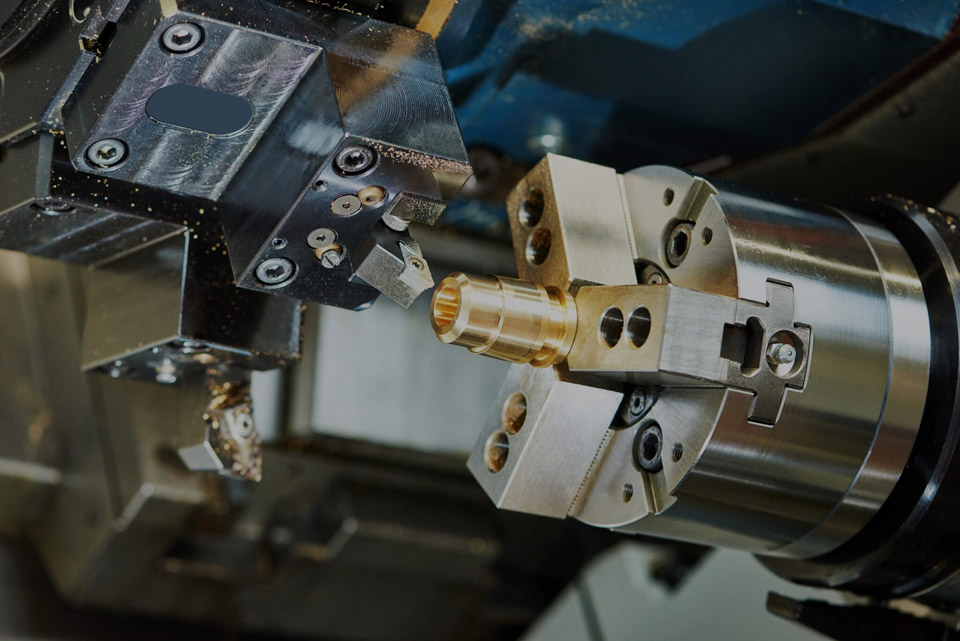
- Dönüyorum: Esas olarak silindirik parçalar oluşturmak için kullanılan tornalama, iş parçasını sabit tek noktalı bir kesici alet. Bu işleme süreci şaftları, pimleri ve diğer dönen bileşenleri şekillendirmek için oldukça etkilidir. CNC tornalama hizmetlerini keşfedin.
- Sondaj: Bu teknik, bir iş parçasında delikler oluşturur. İçinde yumuşak işlemedelme, malzemenin daha düşük sertliği nedeniyle hızla gerçekleştirilebilir. Hassas delme, montaj ve sabitleme için çok önemlidir.
- Sıkıcı: Delme işleminden sonra, raybalama mevcut bir deliği iyileştirir, çapını artırır ve doğruluğunu ve yüzey kalitesini iyileştirir. Bu özellikle ne zaman kullanışlıdır tight tolerances in soft machining are required for internal features.
- Taşlama: Sıklıkla aşağıdakilerle ilişkilendirilse de sert işleme, some forms of grinding are also used in yumuşak işleme for achieving very fine surface finishes or precise dimensions on unhardened materials.
- Sawing: This is a basic material removal technique used to cut raw stock into smaller, more manageable pieces before more detailed soft machining operations.
Bunların her biri soft machining techniques contributes to the versatility and effective machining of unhardened materials, allowing manufacturers to produce high quality components efficiently.
How Does Tooling and Fixturing Impact Soft Machining Performance?
The choice and style of tooling and fixturing profoundly affect soft machining performance. Proper tooling and fixturing are crucial to attain excellent quality outcomes, minimize device wear, and guarantee the security of the work surface throughout the machining process.
İçin yumuşak işleme, cutting devices made from high-speed steel (HSS) or carbide are frequently used. HSS tools are a lot more budget friendly and offer great performance with soft metals and plastics, while carbide devices use exceptional hardness and wear resistance, expanding device life also additionally. The geometry of the cutting tools, including rake angle and helix angle, is optimized for cutting soft and ductile materials to stop burr development and enhance chip discharge. As an example, sharper cutting edges are usually favored when dealing with soft materials to decrease machining pressures and decrease the risk of contortion.
Fixturing in soft machining focuses on securely holding the work surface without triggering deformation or damages. Soft jaws are frequently used in vices to hold soft products delicately but strongly, avoiding squashing or altering of the surface. Vacuum fixtures or specialized clamps can additionally be utilized, depending upon the part geometry and material. Effective fixturing ensures workpiece rigidness, protecting against vibrations that can lead to poor surface coating or dimensional errors. The synergy between enhanced cutting devices and durable fixturing is important for making best use of overall machining performance and creating excellent quality parts in soft machining procedures
What are the Future Trends in Soft Machining?
Bu alan yumuşak işleme continues to evolve, driven by advancements in material science, Makine technology, and manufacturing demands. Several key trends are shaping the future of this critical machining method.
One significant trend is the increasing integration of automation and artificial intelligence (AI) in soft machining operations. AI-powered systems can optimize machining parameters in real-time, adapting to variations in material properties and takım aşınması to enhance efficiency and maintain high quality. This leads to more precise control over the işleme süreci, further extending takım ömrü and reducing human intervention.
Another trend involves the development of new kesici aletler and coatings specifically designed for yumuşak malzemeler. These innovations aim to further reduce friction, improve chip evacuation, and extend takım ömrü beyond current capabilities. For example, specialized diamond-like carbon (DLC) coatings are being explored to enhance the performance of kesici aletler when machining soft metals and plastics, offering a significant advantage compared to traditional hard coatings.
Furthermore, the demand for soft machining in the medical and aerospace industries continues to push for higher precision and the ability to process more complex geometries. This drives innovation in multi-axis CNC makineleri, enabling the creation of intricate parts with fewer setups. As materials may become more diverse and designs more complex, soft machining techniques will adapt, offering even greater versatility and efficiency. These trends ensure that yumuşak işleme remains a dynamic and indispensable part of modern manufacturing.
Sonuç
Soft machining is a form . machining as a material removal process that is indispensable in modern manufacturing. It allows for the efficient and precise shaping of unhardened materials, serving as a crucial preliminary step before sert işleme or as a standalone process for softer components. Its advantages, including extended takım ömrü, higher material removal rates, and cost-effectiveness, make it ideal for prototyping, low-volume production, and a wide array of industrial applications. While challenges exist, such as burr formation and potential material deformation, careful planning and optimized işleme tekniği can mitigate these issues, ensuring high quality outcomes.
Anlamak differences between hard and soft machining empowers manufacturers to select the most appropriate strategy for their specific needs, enhancing efficiency and product quality. As technology advances, yumuşak işleme will continue to evolve, offering even greater precision and versatility in shaping raw materials into precise components. Embrace the power of yumuşak işleme to optimize your production processes and achieve superior results.
Yorumlar
Son Yazılar
İlgili Bloglar
Senyo'nun blogu, prototip üretimi konusundaki kapsamlı bilgimizi paylaşmaya odaklanmıştır. Makalelerimiz aracılığıyla, ürün tasarımınızı geliştirmenize ve hızlı prototiplemenin karmaşıklıklarını daha etkin bir şekilde yönlendirmenize yardımcı olmayı hedefliyoruz.