Pochopení měkkého obrábění pro optimální produkci
Obsah
Měkké obrábění, zásadní aspekt moderní výroby, se zaměřuje na tvarování výrobků, které jsou poměrně ohebné nebo ještě neprošly procesem vytvrzování. Tato technika obrábění je zásadní pro vývoj komponent s vysokou přesností a výjimečnou povrchovou úpravou před finálním tepelným zpracováním nebo kalením. Pochopení měkkého obrábění je klíčové pro inženýry a výrobce, kteří se snaží optimalizovat své výrobní operace, snížit náklady a prodloužit životnost zařízení. Zahrnuje pečlivé odstraňování materiálu ze zdrojů k dosažení požadované geometrie, běžně funguje jako zprostředkující krok před agresivnějšími procesy tvrdého obrábění.
Tento obsáhlý průvodce se ponoří do složitosti měkkého obrábění, zkoumá jeho aplikace, použité materiály, jeho výhody a zásadní rozdíly od tvrdého obrábění. Naším cílem je poskytnout jasný, spolehlivý a poutavý přehled pro každého, kdo se zabývá CNC obráběcími službami a rychlým prototypováním.
Co přesně je měkké obrábění?
Měkké obrábění, zásadní aspekt moderní výroby, se zaměřuje na tvarování výrobků, které jsou poměrně ohebné nebo ještě neprošly procesem vytvrzování. Tato technika obrábění je zásadní pro vývoj komponent s vysoká přesnost a výjimečnou povrchovou úpravou před finálním tepelným zpracováním nebo kalením. Pochopení měkkého obrábění je klíčové pro inženýry a výrobce kteří se snaží optimalizovat své výrobní operace, snížit náklady a prodloužit životnost zařízení. Zahrnuje pečlivé odstraňování materiálu ze zdrojů k dosažení požadované geometrie, běžně funguje jako zprostředkující krok před agresivnějšími procesy tvrdého obrábění.
Tento obsáhlý průvodce se ponoří do složitosti měkkého obrábění, zkoumá jeho aplikace, použité materiály, jeho výhody a zásadní rozdíly od tvrdého obrábění. Naším cílem je poskytnout jasný, spolehlivý a poutavý přehled pro každého, kdo se zabývá CNC frézování službami a rychlým prototypováním.
What are the Common Materials Used in Soft Machining?
Měkké obrábění processes handle a diverse array of materials, primarily those that are not yet hardened. These materials used in soft machining typically possess lower hardness values, making them easier to cut and shape. Understanding these common materials used is essential for selecting the appropriate machining technique a řezné nástroje.
| Material Type | Příklady | Key Characteristics for Soft Machining | Typické aplikace |
|---|---|---|---|
| Steels | 1018, 4140 (annealed) | Good machinability, ductile | General purpose parts, automotive components |
| Aluminum Alloys | 6061, 7075 | Excellent machinability, lightweight | Aerospace, consumer electronics |
| Mosazné | C360 | Very good machinability, low friction | Fittings, connectors, decorative parts |
| Měď | C110 | Good electrical/thermal conductivity | Electrical components, heat sinks |
| Plasty | ABS, Nylon, Delrin | Easy to machine, various properties | Prototypes, insulation, consumer goods |
Materiály jako low carbon steels (e.g., 1018), aluminum alloys (e.g., 6061), and various plastics are frequently processed through soft machining. Tyto stránky soft metals and polymers are ideal for machining due to their relatively low hardness. This allows for less tool wear a rychleji proces obrábění cycles. For instance, soft machining of plastics je běžné při výrobě prototypů a zakázkových krytů. Schopnost stroj přesně řezat tyto měkké materiály zajišťuje vysoce kvalitní výsledky.
Jak se měkké obrábění liší od tvrdého obrábění?
Na rozdíl mezi tvrdým obráběním a měkkým obráběním spočívá zásadně v tvrdosti materiálu a proces obrábění použité. Měkké obrábění nastává, když je materiál ve svém neztvrzeném nebo žíhaném stavu. Naopak, tvrdé obrábění probíhá poté, co materiál prošel tepelným zpracováním, čímž se stal výrazně tvrdším. Tento rozdíl má zásadní dopad na vše od životnosti nástroje po výběr řezné nástroje a celkově výkonu obrábění.
Měkké obrábění umožňuje vyšší řezné rychlosti a posuvy. Je to proto, že měkké materiály jsou tvárnější a kladou menší odpor řezné nástroje. Na stránkách . tool wear rate is generally lower in soft machining operations ve srovnání s tvrdé obrábění. This means řezné nástroje last longer, reducing operational costs. Hard machining, on the other hand, deals with harder materials like hardened steels and superalloys. These materials demand specialized řezné nástroje made from materials like cubic boron nitride (CBN) or ceramics, slower cutting speeds, and lower feed rates to manage intense tool wear and heat generation. While soft machining allows for rapid material removal to define the general shape, hard machining typically focuses on achieving tight tolerances and superior surface finishes on the hardened part. Explore more about CNC precision machining.
What are the Key Benefits of Soft Machining for Production?
Soft machining provides a range of substantial advantages that contribute to effective and top notch manufacturing. These benefits make soft machining a crucial action in the manufacturing of many accuracy elements.
- Extended Tool Life: Working with soft materials significantly minimizes anxiety on cutting devices. This directly converts to longer device life and less constant device changes. Consequently, this reduces tooling prices and boosts general machining performance.
- Greater Material Removal Rates: The fundamental pliability of soft products allows the equipment to run at greater reducing speeds and feed rates. This accelerates the machining process, allowing much faster manufacturing cycles and boosted throughput.
- Nákladová efektivita: Reduced device wear and faster cycle times add to reduced manufacturing expenses. Soft machining is excellent for prototyping and tiny set manufacturing, as it is usually extra economical than difficult machining which needs customized devices and devices.
- Enhanced Surface Finish (Pre-Hardening): While soft machining isn’t the final finishing step, it can achieve a very good surface finish on unhardened products. This sets a solid structure for subsequent completing procedures, including hard machining, ensuring a premium quality final product.
- Layout Flexibility: Because soft machining is a procedure that commonly precedes solidifying, it offers greater flexibility for style modifications early in the production cycle. Adjustments are much easier to apply on soft products before they become more tough to device.
These benefits of soft machining emphasize its importance in modern-day manufacturing, allowing for reliable manufacturing of top quality components.
Where is the Application of Soft Machining Most Prevalent?
Na application of soft machining spans numerous industries, proving its versatility and necessity in modern manufacturing. It is primarily used when parts require shaping before hardening or when the material itself is inherently soft.
Zdravotnický průmysl
Soft machining is crucial in the medical industry. It creates intricate components for medical devices from materials like biocompatible plastics and softer metals. Prototypes for surgical instruments, implants, and diagnostic equipment often undergo soft machining. This ensures high quality and precise initial geometries. For example, parts for orthotic devices or enclosures for sensitive electronics are frequently machined in their soft state before any final treatments. Learn more about medical device prototyping.
Automobilový průmysl
V automobilovém průmyslu, soft machining is used extensively for creating engine components, transmission parts, and chassis elements. Many of these parts begin as soft metals or alloys, which are then precisely machined before being hardened for durability and performance. This initial shaping with soft machining allows for the accurate creation of complex geometries and features. Components like gears, shafts, and housings are routinely processed using soft machining techniques. Discover more about automotive prototyping.
Letecký a kosmický průmysl
The aerospace industry demands unparalleled precision. Měkké obrábění is vital for fabricating components from aluminum alloys and other soft metals used in aircraft structures, engine parts, and landing gear. These materials like aluminum 6061 and 7075 are easily machined in their soft state, allowing for complex geometries to be created with high quality a přísné tolerance. Na stránkách machining process uses advanced CNC stroje to ensure every component meets stringent aerospace standards.
Consumer Electronics
Soft machining is commonly used in the consumer electronics industry for creating housings, internal structural components, and prototypes. Materials like plastic (e.g., ABS, polycarbonate) and soft metals are ideal for soft machining of plastics. This enables rapid prototyping and efficient production of electronic device enclosures with excellent surface finishes. Explore consumer product prototyping.
This broad range of application of soft machining highlights its critical role in various manufacturing sectors.
When Should You Choose Soft Tooling Over Hard Tooling?
The decision between měkké nástroje a tvrdé nástroje jsou taktické, silně ovlivňující náklady na úkol, přípravu a množství komponent. Oba druhy nástrojů mají své specifické výhody, přesto měkké nástroje obvykle září za určitých okolností.
Měkké nástroje popisuje plísně a padlí nebo komponenty vyrobené z méně trvanlivých nástrojových produktů, jako je hliník, měkčí oceli nebo možná určité pryskyřice. Obvykle je cenově dostupnější a rychlejší na výrobu než obtížné nástroje. To dělá měkké nástroje vynikající volba pro prototypování, malosériovou výrobu nebo když se očekávají změny stylu. Například v rychlém prototypování pro nový růst položek umožňuje použití měkkých nástrojů návrhářům rychle vytvářet modely a iterovat návrhy, aniž by se věnovali drahým a náročným tvrdým nástrojům. Tato technika pomáhá úspěšně ověřovat návrhy a provádět testování trhu.
Na druhou stranu, obtížné nástroje zahrnují formy vyrobené z tvrdé oceli nebo jiných vysoce odolných produktů. I když je zpočátku mnohem dražší a pomalejší na výrobu, tvrdé nástroje poskytují výjimečné životnost a přesnost pro velkoobjemovou výrobu. Odolává náročným podmínkám milionů cyklů, což z něj činí nejlepší alternativu pro masovou výrobu, kde je konzistence a životnost zařízení nesmírně důležitá. Rozdíl mezi tvrdými a měkkými nástroji často závisí na rozsahu a životním cyklu projektu. Pokud váš obráběcí úkol vyžaduje flexibilitu a rychlost při zahájení, je měkké nástroje jasným šampionem. Pokud potřebujete odolné a trvanlivé nástroje pro masovou výrobu, jsou tvrdé nástroje zásadní.
Jaké jsou výzvy při práci s měkkými materiály při obrábění?
Práce s měkké materiály na adrese proces obrábění představuje svou vlastní sadu jedinečných výzev. Zatímco měkké obrábění nabízí výhody, jako je rychlejší odstraňování materiálu a delší životnosti nástroje, inženýři si musí být vědomi potenciálních problémů, aby zajistili high quality výsledky.
Jednou z hlavních výzev je tvorba otřepů. Měkké materiály jako je hliník nebo určité plasty, mají tendenci tvořit otřepy během řezání. To vyžaduje další operace odjehlování, které mohou prodloužit čas a zvýšit náklady na celkové proces obrábění. Dalším problémem je deformace materiálu. Měkké materiály can easily deform or lose their shape during machining due to excessive machining forces or improper clamping. This necessitates careful selection of cutting parameters and fixture design. For example, drilling in soft machining requires a sharp drill bit and appropriate feed rates to prevent material pull-out or excessive heat generation.
Chip evacuation also poses a challenge. Soft and ductile materials often produce long, stringy chips that can entangle around the řezné nástroje or workpiece, leading to surface defects or even tool breakage. Effective chip management, often involving optimized cutting strategies and coolant application, becomes crucial. Finally, achieving tight tolerances in soft machining can be difficult due to the material’s tendency to deform. Precision fixture and carefully controlled cutting environments are essential to maintain dimensional accuracy. Addressing these challenges is key to successful soft machining and producing high quality díly.
Can Soft Machining Be Used for Prototyping and Low-Volume Production?
Rozhodně. Soft machining is ideal for prototyping and low-volume production. In fact, it is often the preferred machining method for these applications due to its cost-effectiveness, speed, and flexibility. When developing new products, companies frequently need to create multiple iterations of a design to test functionality, form, and fit. Soft machining allows for quick turnaround times for these prototypes.
Consider the scenario of a startup developing a new consumer electronic device. They need several prototypes for investor presentations, functional testing, and market feedback. Using soft machining for components made from materials like plastic or aluminum enables them to rapidly produce these prototypes at a fraction of the cost and time compared to traditional hard tooling nebo tvrdé obrábění methods. This iterative process is crucial for refining designs before committing to mass production. Refer to consumer product prototyping for more information.
Moreover, for specialized or niche products that only require limited quantities, soft machining offers an economical solution. It avoids the significant upfront investment associated with hard tooling, making it an attractive option for businesses that need high quality parts without the need for millions of units. This flexibility makes soft machining invaluable in bridging the gap between design conception and full-scale manufacturing.
What Specific Techniques Are Employed in Soft Machining?
Soft machining encompasses a variety of techniques, each tailored to efficiently remove material and achieve specific geometric features on unhardened parts. The choice of machining technique depends on the material, the complexity of the part, and the desired precision.
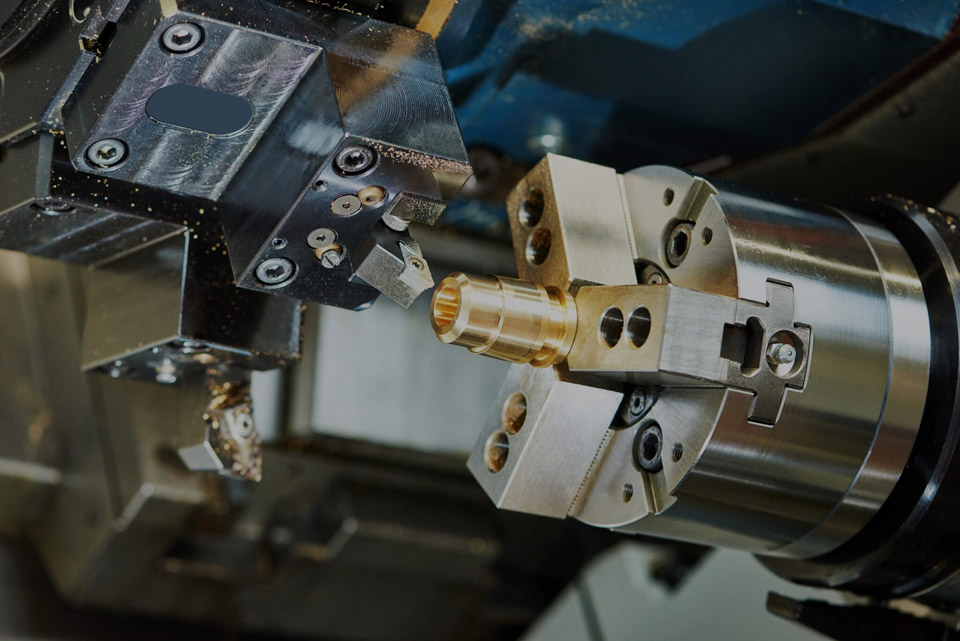
- Frézování: This is one of the most common soft machining techniques. A milling machine uses rotating multi-point řezné nástroje to remove material from a workpiece. It is highly versatile, capable of creating flat surfaces, slots, pockets, and complex 3D contours. For soft metals and plastics, milling can achieve high material removal rates and excellent surface finishes.
- Otáčení: Used primarily for creating cylindrical parts, turning involves rotating the workpiece against a stationary single-point řezný nástroj. Tento proces obrábění is highly effective for shaping shafts, pins, and other rotational components. Explore CNC turning services.
- Vrtání: This technique creates holes in a workpiece. In soft machining, drilling can be performed rapidly due to the material’s lower hardness. Precise drilling is crucial for assembly and fastening.
- Nuda: After drilling, boring refines an existing hole, increasing its diameter and improving its accuracy and surface finish. This is particularly useful when tight tolerances in soft machining are required for internal features.
- Broušení: Ačkoli je často spojován s tvrdé obrábění, some forms of grinding are also used in soft machining for achieving very fine surface finishes or precise dimensions on unhardened materials.
- Řezání: This is a basic material removal technique used to cut raw stock into smaller, more manageable pieces before more detailed soft machining operations.
Každý z těchto soft machining techniques contributes to the versatility and effective machining of unhardened materials, allowing manufacturers to produce high quality components efficiently.
How Does Tooling and Fixturing Impact Soft Machining Performance?
The choice and style of tooling and fixturing profoundly affect soft machining performance. Proper tooling and fixturing are crucial to attain excellent quality outcomes, minimize device wear, and guarantee the security of the work surface throughout the machining process.
Pro soft machining, cutting devices made from high-speed steel (HSS) or carbide are frequently used. HSS tools are a lot more budget friendly and offer great performance with soft metals and plastics, while carbide devices use exceptional hardness and wear resistance, expanding device life also additionally. The geometry of the cutting tools, including rake angle and helix angle, is optimized for cutting soft and ductile materials to stop burr development and enhance chip discharge. As an example, sharper cutting edges are usually favored when dealing with soft materials to decrease machining pressures and decrease the risk of contortion.
Fixturing in soft machining focuses on securely holding the work surface without triggering deformation or damages. Soft jaws are frequently used in vices to hold soft products delicately but strongly, avoiding squashing or altering of the surface. Vacuum fixtures or specialized clamps can additionally be utilized, depending upon the part geometry and material. Effective fixturing ensures workpiece rigidness, protecting against vibrations that can lead to poor surface coating or dimensional errors. The synergy between enhanced cutting devices and durable fixturing is important for making best use of overall machining performance and creating excellent quality parts in soft machining procedures
What are the Future Trends in Soft Machining?
Oblast soft machining continues to evolve, driven by advancements in material science, stroj technology, and manufacturing demands. Several key trends are shaping the future of this critical machining method.
One significant trend is the increasing integration of automation and artificial intelligence (AI) in soft machining operations. AI-powered systems can optimize machining parameters in real-time, adapting to variations in material properties and tool wear to enhance efficiency and maintain high quality. This leads to more precise control over the proces obrábění, further extending životnosti nástroje and reducing human intervention.
Another trend involves the development of new řezné nástroje and coatings specifically designed for měkké materiály. These innovations aim to further reduce friction, improve chip evacuation, and extend životnosti nástroje beyond current capabilities. For example, specialized diamond-like carbon (DLC) coatings are being explored to enhance the performance of řezné nástroje when machining soft metals and plastics, offering a significant advantage compared to traditional hard coatings.
Furthermore, the demand for soft machining in the medical and aerospace industries continues to push for higher precision and the ability to process more complex geometries. This drives innovation in multi-axis CNC stroje, enabling the creation of intricate parts with fewer setups. As materials may become more diverse and designs more complex, soft machining techniques will adapt, offering even greater versatility and efficiency. These trends ensure that soft machining remains a dynamic and indispensable part of modern manufacturing.
Závěr
Soft machining is a form z machining as a material removal process that is indispensable in modern manufacturing. It allows for the efficient and precise shaping of unhardened materials, serving as a crucial preliminary step before tvrdé obrábění or as a standalone process for softer components. Its advantages, including extended životnosti nástroje, higher material removal rates, and cost-effectiveness, make it ideal for prototyping, low-volume production, and a wide array of industrial applications. While challenges exist, such as burr formation and potential material deformation, careful planning and optimized machining technique can mitigate these issues, ensuring high quality výsledky.
Porozumění differences between hard and soft machining empowers manufacturers to select the most appropriate strategy for their specific needs, enhancing efficiency and product quality. As technology advances, soft machining will continue to evolve, offering even greater precision and versatility in shaping raw materials into precise components. Embrace the power of soft machining to optimize your production processes and achieve superior results.
Komentáře
Nejnovější Příspěvky
Související Blogy
Senyo ' s blog je zaměřen na sdílení naše rozsáhlé znalosti z prototypové výroby. Prostřednictvím našich článků, naším cílem je podporovat vás ve rafinace produktu design a navigaci složitosti rapid prototyping efektivněji.