Розуміння м’якої обробки для оптимального виробництва
Зміст
М'яка обробка, важливий аспект сучасного виробництва, зосереджується на формуванні виробів, які є досить гнучкими або ще не пройшли процес затвердіння. Цей метод обробки є основоположним для розробки компонентів з високою точністю та винятковою обробкою поверхні перед остаточною термообробкою або затвердінням. Розуміння м'якої обробки має вирішальне значення для інженерів і виробників, які прагнуть оптимізувати свої виробничі операції, знизити ціни та продовжити термін служби пристрою. Це передбачає ретельне видалення продукту з ресурсів для досягнення бажаної геометрії, зазвичай працюючи як проміжний крок перед більш агресивними процесами складної обробки.
Цей вичерпний посібник заглиблюється в складності м'якої обробки, вивчаючи її застосування, використовувані продукти, її переваги та ключові відмінності від твердої обробки. Ми маємо намір надати чіткий, надійний і залучений огляд для всіх, хто бере участь у послугах обробки з ЧПК і швидкому прототипуванні.
Що саме таке м'яка обробка?
М'яка обробка, важливий аспект сучасного виробництва, зосереджується на формуванні виробів, які є досить гнучкими або ще не пройшли процес затвердіння. Цей метод обробки є основоположним для розробки компонентів з висока точність і виняткова обробка поверхні перед остаточною термообробкою або затвердінням. Розуміння м'якої обробки має вирішальне значення для інженерів і виробників прагнучи оптимізувати свої виробничі операції, знизити ціни та продовжити термін служби пристрою. Це передбачає ретельне видалення продукту з ресурсів для досягнення бажаної геометрії, зазвичай працюючи як проміжний крок перед більш агресивними процесами складної обробки.
Цей вичерпний посібник заглиблюється в складності м'якої обробки, вивчаючи її застосування, використовувані продукти, її переваги та ключові відмінності від твердої обробки. Ми маємо намір надати чіткий, надійний і залучений огляд для всіх, хто бере участь у Фрезерування з ЧПУ послуги та швидке прототипування.
Які звичайні матеріали використовуються в м'якій обробці?
М'яка обробка процеси обробляють різноманітний спектр матеріалів, переважно тих, які ще не затверділи. Ці матеріали, що використовуються в м'якій обробці зазвичай мають нижчі значення твердості, що полегшує їх різання та формування. Розуміння цих звичайні матеріали, що використовуються має важливе значення для вибору відповідного техніка обробки і ріжучі інструменти.
| Тип матеріалу | Приклади | Ключові характеристики для м'якої обробки | Типові області Застосування |
|---|---|---|---|
| Сталі | 1018, 4140 (відпалений) | Хороша оброблюваність, пластичність | Деталі загального призначення, автомобільні компоненти |
| Алюмінієві сплави | 6061, 7075 | Відмінна оброблюваність, легка вага | Аерокосмічна промисловість, споживча електроніка |
| Латунь. | C360 | Дуже хороша оброблюваність, низьке тертя | Фітинги, з'єднувачі, декоративні частини |
| Мідь | C110 | Хороша електро/теплопровідність | Електричні компоненти, радіатори |
| Пластмаси | ABS, Nylon, Delrin | Легко обробляти, різні властивості | Прототипи, ізоляція, споживчі товари |
Такі матеріали, як низьковуглецеві сталі (наприклад, 1018), алюмінієві сплави (наприклад, 6061) і різні пластмаси часто обробляються за допомогою м'якої обробки. Ці м'які метали і полімери ідеально підходять для обробки завдяки їх відносно низькій твердості. Це дозволяє зменшити знос інструменту і швидше процес обробки цикли. Наприклад, м'яка обробка пластмас є поширеним у виробництві прототипів і спеціальних корпусів. Здатність машина точно різати ці м'які матеріали забезпечує високу якість результатів.
Чим відрізняється м'яка обробка від твердої обробки?
В різниця між твердою обробкою та м'якою обробкою полягає в основному в твердості матеріалу та процес обробки застосовується. М'яка обробка відбувається, коли матеріал знаходиться в незагартованому або відпаленому стані. І навпаки, тверда обробка відбувається після того, як матеріал пройшов термічну обробку, що робить його значно твердішим. Ця відмінність глибоко впливає на все, від термін служби інструменту до вибору ріжучі інструменти і в цілому продуктивність обробки.
М'яка обробка дозволяє використовувати вищі швидкості різання та швидкості подачі. Це тому, що м'які матеріали є більш податливими, пропонуючи менший опір ріжучі інструменти. The знос інструменту швидкість зазвичай нижча в операціях м'якої обробки порівняно з тверда обробка. Це означає ріжучі інструменти служать довше, зменшуючи експлуатаційні витрати. Жорстка обробка, з іншого боку, має справу з більш твердими матеріалами як-от загартовані сталі та суперсплави. Ці матеріали вимагають спеціалізованих ріжучі інструменти виготовлених з таких матеріалів, як кубічний нітрид бору (CBN) або кераміка, менших швидкостей різання та нижчих швидкостей подачі для управління інтенсивним знос інструменту і тепловиділення. У той час як м'яка обробка дозволяє для швидкого видалення матеріалу, щоб визначити загальну форму, жорстка обробка зазвичай зосереджується на досягненні жорстких допусків і чудової обробки поверхні на загартованій деталі. Дізнайтеся більше про точну обробку з ЧПК.
Які основні переваги м'якої обробки для виробництва?
Soft machining provides a range of substantial advantages that contribute to effective and top notch manufacturing. These benefits make soft machining a crucial action in the manufacturing of many accuracy elements.
- Extended Tool Life: Working with soft materials significantly minimizes anxiety on cutting devices. This directly converts to longer device life and less constant device changes. Consequently, this reduces tooling prices and boosts general machining performance.
- Greater Material Removal Rates: The fundamental pliability of soft products allows the equipment to run at greater reducing speeds and feed rates. This accelerates the machining process, allowing much faster manufacturing cycles and boosted throughput.
- Економічна ефективність: Reduced device wear and faster cycle times add to reduced manufacturing expenses. Soft machining is excellent for prototyping and tiny set manufacturing, as it is usually extra economical than difficult machining which needs customized devices and devices.
- Enhanced Surface Finish (Pre-Hardening): While soft machining isn’t the final finishing step, it can achieve a very good surface finish on unhardened products. This sets a solid structure for subsequent completing procedures, including hard machining, ensuring a premium quality final product.
- Layout Flexibility: Because soft machining is a procedure that commonly precedes solidifying, it offers greater flexibility for style modifications early in the production cycle. Adjustments are much easier to apply on soft products before they become more tough to device.
These benefits of soft machining emphasize its importance in modern-day manufacturing, allowing for reliable manufacturing of top quality components.
Where is the Application of Soft Machining Most Prevalent?
В application of soft machining spans numerous industries, proving its versatility and necessity in modern manufacturing. It is primarily used when parts require shaping before hardening or when the material itself is inherently soft.
Медична промисловість
Soft machining is crucial in the medical industry. It creates intricate components for medical devices from materials like biocompatible plastics and softer metals. Prototypes for surgical instruments, implants, and diagnostic equipment often undergo soft machining. This ensures high quality and precise initial geometries. For example, parts for orthotic devices or enclosures for sensitive electronics are frequently machined in their soft state before any final treatments. Learn more about medical device prototyping.
Автомобільна промисловість
В автомобільному секторі, soft machining is used extensively for creating engine components, transmission parts, and chassis elements. Many of these parts begin as м'які метали or alloys, which are then precisely machined before being hardened for durability and performance. This initial shaping with м'яка обробка дозволяє for the accurate creation of complex geometries and features. Components like gears, shafts, and housings are routinely processed using soft machining techniques. Discover more about automotive prototyping.
Аерокосмічна промисловість
The aerospace industry demands unparalleled precision. М'яка обробка is vital for fabricating components from aluminum alloys and other м'які метали used in aircraft structures, engine parts, and landing gear. These materials like aluminum 6061 and 7075 are easily machined in their soft state, allowing for complex geometries to be created with high quality і жорсткі допуски. У "The machining process uses advanced Верстати з ЧПУ to ensure every component meets stringent aerospace standards.
Consumer Electronics
Soft machining is commonly used in the consumer electronics industry for creating housings, internal structural components, and prototypes. Materials like plastic (e.g., ABS, polycarbonate) and м'які метали are ideal for м'яка обробка пластмас. This enables rapid prototyping and efficient production of electronic device enclosures with excellent surface finishes. Explore consumer product prototyping.
This broad range of application of soft machining highlights its critical role in various manufacturing sectors.
When Should You Choose Soft Tooling Over Hard Tooling?
The decision between м'який інструмент and hard tooling is a tactical one, heavily affecting task cost, preparation, and component quantity. Both kinds of tooling have their particular benefits, yet soft tooling usually beams in particular circumstances.
М'який інструмент describes mold and mildews or components made from less long lasting tooling products like aluminum, softer steels, or perhaps certain resins. It is typically more affordable and quicker to generate than difficult tooling. This makes м'який інструмент an excellent option for prototyping, low-volume production runs, or when style changes are expected. For example, in rapid prototyping for new item growth, using soft tooling permits designers to swiftly create models and iterate on designs without dedicating to pricey, taxing hard tooling. This technique aids validate designs and conduct market testing successfully.
On the other hand, difficult tooling involves molds made from hard steel or various other highly durable products. While much more pricey and slower to generate at first, hard tooling supplies exceptional longevity and precision for high-volume production. It withstands the rigors of millions of cycles, making it the best alternative for mass production where consistency and device life are extremely important. The distinction in between tough and soft tooling often comes down to the project’s scale and lifecycle. If your machining task needs versatility and speed in beginning, soft tooling is the clear champion. If you need durable, durable tools for mass production, hard tooling is important.
What Are the Challenges of Working with Soft Materials in Machining?
Працюємо з м'які матеріали в процес обробки presents its own set of unique challenges. While soft machining offers advantages like faster material removal and longer термін служби інструменту, engineers must be aware of potential issues to ensure high quality outcomes.
One primary challenge is burr formation. Soft materials like aluminum or certain plastics are prone to forming burrs during cutting. This requires additional deburring operations, which can add time and cost to the overall процес обробки. Another concern is material deformation. Soft materials can easily deform or lose their shape during machining due to excessive machining forces or improper clamping. This necessitates careful selection of cutting parameters and fixture design. For example, drilling in soft machining requires a sharp drill bit and appropriate feed rates to prevent material pull-out or excessive heat generation.
Chip evacuation also poses a challenge. Soft and ductile materials often produce long, stringy chips that can entangle around the ріжучі інструменти or workpiece, leading to surface defects or even tool breakage. Effective chip management, often involving optimized cutting strategies and coolant application, becomes crucial. Finally, achieving tight tolerances in soft machining can be difficult due to the material’s tendency to deform. Precision fixture and carefully controlled cutting environments are essential to maintain dimensional accuracy. Addressing these challenges is key to successful м'якої обробки and producing high quality частини.
Can Soft Machining Be Used for Prototyping and Low-Volume Production?
Звісно. Soft machining is ideal for prototyping and low-volume production. In fact, it is often the preferred machining method for these applications due to its cost-effectiveness, speed, and flexibility. When developing new products, companies frequently need to create multiple iterations of a design to test functionality, form, and fit. Soft machining allows for quick turnaround times for these prototypes.
Consider the scenario of a startup developing a new consumer electronic device. They need several prototypes for investor presentations, functional testing, and market feedback. Using м'якої обробки for components made from materials like plastic or aluminum enables them to rapidly produce these prototypes at a fraction of the cost and time compared to traditional hard tooling або тверда обробка methods. This iterative process is crucial for refining designs before committing to mass production. Refer to consumer product prototyping for more information.
Moreover, for specialized or niche products that only require limited quantities, м'якої обробки offers an economical solution. It avoids the significant upfront investment associated with hard tooling, making it an attractive option for businesses that need high quality parts without the need for millions of units. This flexibility makes м'якої обробки invaluable in bridging the gap between design conception and full-scale manufacturing.
What Specific Techniques Are Employed in Soft Machining?
Soft machining encompasses a variety of techniques, each tailored to efficiently remove material and achieve specific geometric features on unhardened parts. The choice of техніка обробки depends on the material, the complexity of the part, and the desired precision.
- Фрезерування: This is one of the most common soft machining techniques. A milling machine uses rotating multi-point ріжучі інструменти to remove material from a workpiece. It is highly versatile, capable of creating flat surfaces, slots, pockets, and complex 3D contours. For м'які метали and plastics, milling can achieve high material removal rates and excellent surface finishes.
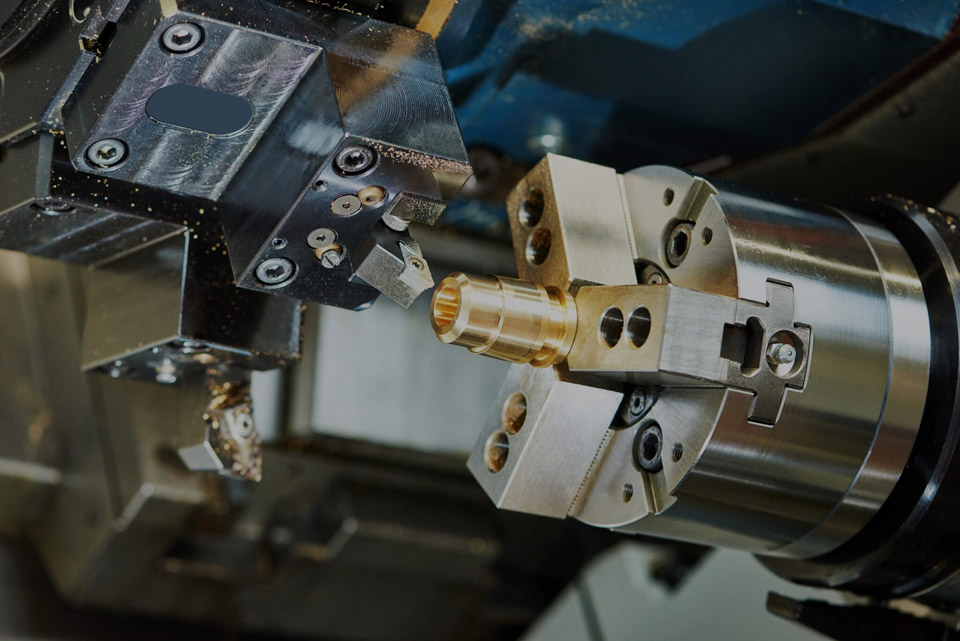
- Поворот: Used primarily for creating cylindrical parts, turning involves rotating the workpiece against a stationary single-point ріжучий інструмент. Це процес обробки is highly effective for shaping shafts, pins, and other rotational components. Explore CNC turning services.
- Буріння: This technique creates holes in a workpiece. In м'якої обробки, drilling can be performed rapidly due to the material’s lower hardness. Precise drilling is crucial for assembly and fastening.
- Нудно: After drilling, boring refines an existing hole, increasing its diameter and improving its accuracy and surface finish. This is particularly useful when tight tolerances in soft machining are required for internal features.
- Шліфування: Хоча часто асоціюється з тверда обробка, some forms of grinding are also used in м'якої обробки for achieving very fine surface finishes or precise dimensions on unhardened materials.
- Розпилювання: This is a basic material removal technique used to cut raw stock into smaller, more manageable pieces before more detailed операціях м'якої обробки.
Кожен з них soft machining techniques contributes to the versatility and effective machining of unhardened materials, allowing manufacturers to produce high quality components efficiently.
How Does Tooling and Fixturing Impact Soft Machining Performance?
The choice and style of tooling and fixturing profoundly affect soft machining performance. Proper tooling and fixturing are crucial to attain excellent quality outcomes, minimize device wear, and guarantee the security of the work surface throughout the machining process.
Для м'якої обробки, cutting devices made from high-speed steel (HSS) or carbide are frequently used. HSS tools are a lot more budget friendly and offer great performance with soft metals and plastics, while carbide devices use exceptional hardness and wear resistance, expanding device life also additionally. The geometry of the cutting tools, including rake angle and helix angle, is optimized for cutting soft and ductile materials to stop burr development and enhance chip discharge. As an example, sharper cutting edges are usually favored when dealing with soft materials to decrease machining pressures and decrease the risk of contortion.
Fixturing in soft machining focuses on securely holding the work surface without triggering deformation or damages. Soft jaws are frequently used in vices to hold soft products delicately but strongly, avoiding squashing or altering of the surface. Vacuum fixtures or specialized clamps can additionally be utilized, depending upon the part geometry and material. Effective fixturing ensures workpiece rigidness, protecting against vibrations that can lead to poor surface coating or dimensional errors. The synergy between enhanced cutting devices and durable fixturing is important for making best use of overall machining performance and creating excellent quality parts in soft machining procedures
What are the Future Trends in Soft Machining?
Сфера діяльності м'якої обробки continues to evolve, driven by advancements in material science, машина technology, and manufacturing demands. Several key trends are shaping the future of this critical machining method.
One significant trend is the increasing integration of automation and artificial intelligence (AI) in операціях м'якої обробки. AI-powered systems can optimize machining parameters in real-time, adapting to variations in material properties and знос інструменту to enhance efficiency and maintain high quality. This leads to more precise control over the процес обробки, further extending термін служби інструменту and reducing human intervention.
Another trend involves the development of new ріжучі інструменти and coatings specifically designed for м'які матеріали. These innovations aim to further reduce friction, improve chip evacuation, and extend термін служби інструменту beyond current capabilities. For example, specialized diamond-like carbon (DLC) coatings are being explored to enhance the performance of ріжучі інструменти when machining soft metals and plastics, offering a significant advantage compared to traditional hard coatings.
Furthermore, the demand for soft machining in the medical and aerospace industries continues to push for higher precision and the ability to process more complex geometries. This drives innovation in multi-axis Верстати з ЧПУ, enabling the creation of intricate parts with fewer setups. As materials may become more diverse and designs more complex, soft machining techniques will adapt, offering even greater versatility and efficiency. These trends ensure that м'якої обробки remains a dynamic and indispensable part of modern manufacturing.
Висновок
Soft machining is a form з machining as a material removal process that is indispensable in modern manufacturing. It allows for the efficient and precise shaping of unhardened materials, serving as a crucial preliminary step before тверда обробка or as a standalone process for softer components. Its advantages, including extended термін служби інструменту, higher material removal rates, and cost-effectiveness, make it ideal for prototyping, low-volume production, and a wide array of industrial applications. While challenges exist, such as burr formation and potential material deformation, careful planning and optimized техніка обробки can mitigate these issues, ensuring high quality outcomes.
Розуміння того, що differences between hard and soft machining empowers manufacturers to select the most appropriate strategy for their specific needs, enhancing efficiency and product quality. As technology advances, м'якої обробки will continue to evolve, offering even greater precision and versatility in shaping raw materials into precise components. Embrace the power of м'якої обробки to optimize your production processes and achieve superior results.
Коментарі
Останні публікації
Пов'язані блоги
Блог Senyo зосереджений на тому, щоб поділитися нашими глибокими знаннями у сфері виробництва прототипів. За допомогою наших статей ми прагнемо допомогти вам удосконалити дизайн вашого продукту та ефективніше розібратися зі складнощами швидкого прототипування.