Акрил з ЧПК: простий посібник з розуміння обробки ПММА
Зміст
Ми справді бачили, як акрилові компоненти, що виготовляються з верстата з ЧПК, виглядають як ювелірні вироби. Ми також бачили, як вони виглядають так, ніби людина вдарила гарячою ложкою по акваріуму. Той самий продукт. Інші звички магазину. Ось такі вони з ПММА. Він компенсує терпіння, гострі інструменти, акуратне кріплення та трохи поваги. Ставтеся до нього як до легкого алюмінію, і він кусається. Ставтеся до нього як до прозорого термочутливого пластику, яким він є, і ви отримаєте чіткі боки, чисті отвори, блискучі поверхні та деталі, які виглядають набагато дорожче, ніж вони є насправді.
Що таке акрил з ЧПК?
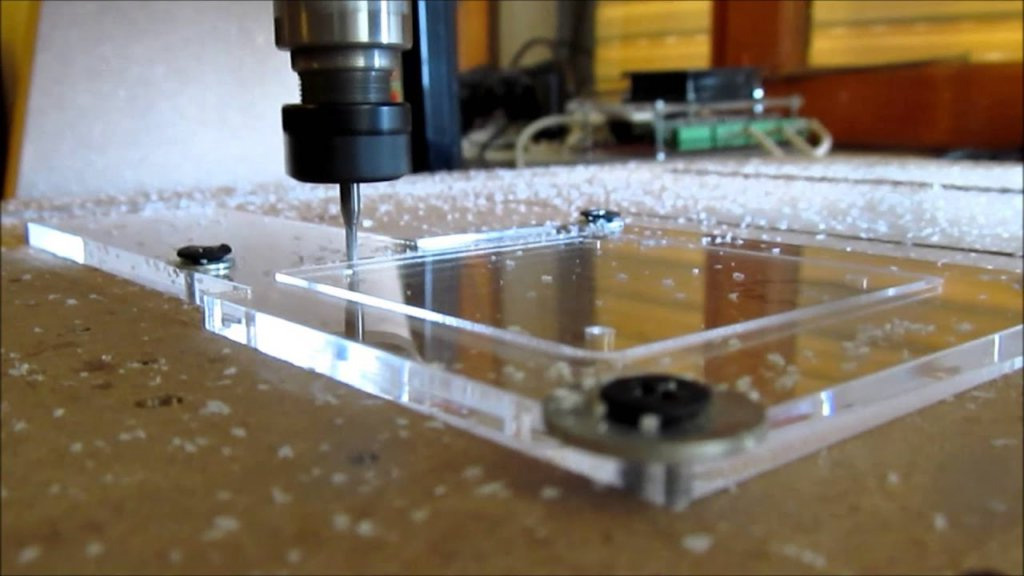
Акрилові способи обробки на верстатах з ЧПК: ми зменшуємо листи, стрижні, трубки або блоки з ПММА за допомогою комп'ютерно-керованих обробних пристроїв. ПММА розшифровується як поліметилметакрилат. Багато людей називають його акрилом. Деякі покупці кажуть, що це пластик у стилі плексигласу, лист у стилі перспексу або прозорий пластиковий лист. Добре. У магазині ми розуміємо, що вони мають на увазі.
Дизайнери люблять акрил, тому що він має рідкісне поєднання якостей: Висока оптична прозорість; Відмінна стійкість до погодних умов; Менша вага, ніж у скла; Велика жорсткість для пластику; Сильна візуальна привабливість; Легке надання блиску; Відмінна оброблюваність за умови правильного догляду. Остання лінія несе всю роботу. За належного поводження. Акрил може виглядати дорого. Чистий. Блискучий. Майже як скло. Однак він також може відколюватися, плавитися, тріснути, розколюватися або запітніти, якщо процес гарячий або різець масажує. Ми бачили, як дрібні деталі ламаються або ж прості деталі. Неправильне свердло. Надмірне навантаження на затиск. Стружка, застрягла в отворі.
Нудний пристрій, який треба було викинути днями. Бум. Металобрухт. Попит на ПММА насправді нікуди не зник. Маркетологи, такі як Гранд В'ю Ресеарч і Розвідка Мордору продовжуйте відстежувати PMMA як багатомільярдну групу матеріалів, пов'язану з автомобільною, електронічною, будівельною, вивісковою, медичною, освітлювальною та споживчою продукцією. Тож ні, PMMA не належить до «чудового маленького пластикового екрану». Він прагне поширитися на реальні галузі.
Обробка ПММА, простою англійською мовою
Обробка ПММА передбачає видалення матеріалу з акрилової заготовки, доки компонент не відповідатиме макету.
Ця робота може включати:
- Фрезерування з ЧПУ
- Токарна обробка з ЧПУ
- Drilling
- Нудно
- Маршрутизація
- Гравірування
- Різьблення
- Полірування
- Зняття фаски
- Оздоблення поверхні
Обладнання дотримується програми. Різак видаляє продукт. Пристрій контролює деталь. Теоретично просто. Не завжди елементарно насправді. Полімер не поводиться як алюміній. Він не поводиться як нержавіюча сталь. Він також не поводиться точно так само, як полікарбонат, нейлон, ABS або PETG.
ПММА добре утримує тепло поблизу зрізу, і коли нагрівається, деталь починає розповідати вам все про себе. Краї розмазуються. Стружки прилипають. Отвори ламаються. Прозорі поверхні перевертаються на литі поверхні. Ми насправді навчилися цьому нудним способом, що зазвичай означає вирішення проблем, яких ніхто не хотів мати спочатку.
Чому акрил з ЧПК, а не лазерне різання, лиття під тиском або 3D-друк?
Дивіться, лазерне різання має своє місце. Так само, як і лиття під тиском. Так само, як і 3D-друк. Проте акрил з ЧПК знаходиться на дуже цінній середній смузі. Лазерне різання може бути ефективним з плоскими поверхнями, але тепло може залишати напружені боки. Це має значення, коли ви пізніше склеюєте, поліруєте або піддаєте деталь очищенню. Лиття під тиском чудово працює на великих відстанях, але витрати на інструменти можуть здатися безглуздими, коли вам потрібні лише прототипи, виробництво мостів або дизайн, який все ще змінюється раз на два тижні. 3D-друк може створювати дику геометрію, але він зазвичай не може зрівнятися з обробленим ПММА за чіткістю, монотонністю або якістю полірованих країв.
Акрил з ЧПК має сенс, коли вам потрібно:
- Малосерійне виробництво
- Функціональні прототипи
- Оптична чіткість
- Щільні особливості спарювання
- Отвори, кишені або різьба
- Контроль площинності
- Поліровані краї
- Швидкі зміни дизайну
- Без вартості прес-форми
Річ у тім, що вам потрібен постачальник, який розуміється на пластмасах, а не просто металообробна майстерня, готова «спробувати». Ця різниця швидко проявляється. Якщо вам потрібен ширший партнер з обробки для прототипів та виробництва, почніть з цього. найкраща обробка з ЧПУ ресурс.
Литий акрил проти екструдованого акрилу: вибирайте ретельно
Полімер – це не просто акрил. Ця маленька деталь позбавляє від розчарувань. Виробники змінюють спосіб, у який лист ріжеться, відбілюється, свердлиться та як він поводиться після обробки. Виробники литого полімеру виготовляють литий акрил, заливаючи рідкий мономер між скляними пластинами або безпосередньо у форми, а потім полімеризуючи його.
За нашим досвідом, литий акрил зазвичай забезпечує вам:
- Краща оброблюваність
- Набагато краща оптична якість
- Набагато краща реакція полірування
- Краща стійкість до розтріскування від натягу
- Краща ефективність нанесення знаків
- Надміцні навички під час розточування та фрезерування
Якщо вам потрібна приваблива сторона, яскраве обличчя, щільна інформація або нитки, литий акрил зазвичай коштує дорожче. Не завжди. Зазвичай. І в цьому продукті «зазвичай» виникають проблеми. Виробники екструдованих полімерів виготовляють екструдований акрил, пресуючи продукт за допомогою матриці для створення листа або рахунків.
Зазвичай він пропонує вам:
- Зменшення витрат
- Ще більш рівномірна товщина листа
- Чудовий графік
- Легше термоформування
Однак він несе в собі набагато більше внутрішнього стресу та тривоги. Ця напруга може проявитися, коли різак торкається його. Розморожування, розкол, клейкість, утворення тріщин навколо отворів – все це звичайні ознаки. Чи справді ми використаємо екструдований акрил? Звичайно. Для відповідного компонента. Але ми б бездумно пропустили його для прецизійного оптичного компонента, полірованого експоната або різьбової деталі, яка потребує повторюваного налаштування.
Акрил проти полікарбонату проти PETG проти скла
У багатьох запитах цінових пропозицій зазначено «прозорий пластик». Ця фраза охоплює багато проблем.
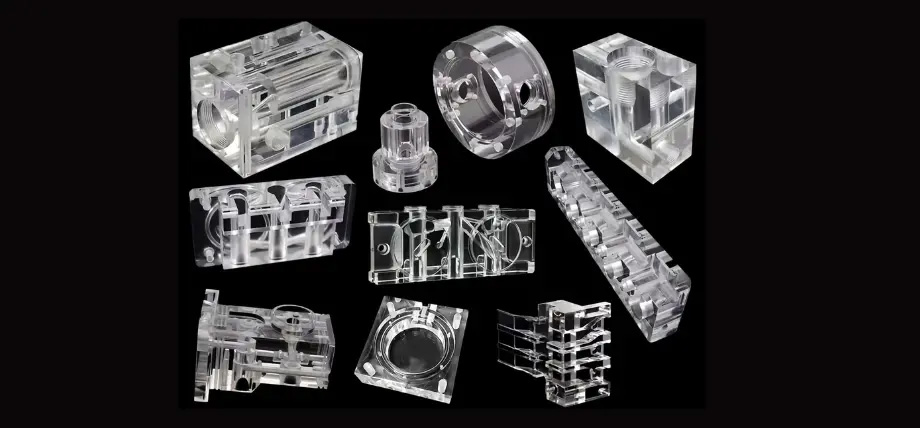
Акрил, полікарбонат, PETG та скло виглядають однаково з іншого боку кімнати. Вони не піддаються механічній обробці, дряпаються, гнуться, тріскаються та витримують удари однаково.
Ось швидка версія.
| Матеріал | Оптична чіткість | Ударна міцність | Стійкість до подряпин | Оброблюваність на верстатах з ЧПК | Найкращі варіанти використання | Обережно |
|---|---|---|---|---|---|---|
| ПММА / Акрил | Дуже високий, часто до 92% світлопроникності залежно від сорту | Помірний | Краще, ніж полікарбонат | Дуже добре працює з гострими інструментами та має контроль температури | Кришки дисплеїв, світловоди, лінзи, вікна, вивіски, прозорі корпуси | Може тріснути або розтріскатися під навантаженням; не підходить для сильних ударів |
| Полікарбонат | Високий, але зазвичай менш схожий на скло, ніж акрил | Відмінно | Нижче, ніж акрил, якщо не покрито | Добре, але може бути липким | Захисні щитки, захисні екрани, ударні кришки, захисні деталі | Легко дряпається; оптично важче полірувати |
| ПЕТГ | Добре | Добре | Помірний | Добре підходить для багатьох профілів | Дисплеї, кришки, формовані деталі, деталі, пов'язані з упаковкою | Не такий жорсткий або оптично чіткий, як ПММА |
| Скло | Високий | Від низького до помірного залежно від типу | Високий | Стандартні майстерні не обробляють його на верстатах з ЧПК, як пластик | Оптика, вікна, лабораторне обладнання, високоякісні поверхні | Важкі, крихкі, дорожчі у формуванні |
ПММА продовжує отримувати замовлення, оскільки він має гарний вигляд і добре обробляється, коли процес залишається під контролем. Посібник з матеріалів SpecialChem PMMA підкреслює його високу прозорість, стійкість до атмосферних впливів та поширену роль як замінника скла.
І все ж, давайте будемо реалістами.
Якщо ваша деталь може сильно постраждати, оберіть полікарбонат. Якщо ж вашій деталі потрібен чистий полірований край і висока візуальна чіткість, PMMA, ймовірно, підійде краще.
Що ускладнює обробку акрилу?
Акрил не реагує на різець, як загартована сталь. Він грає в різні відеоігри. Він швидко реагує на нагрівання, напруження, напругу та поганий контроль стружки.
Швидко розвивається спека:Звичайний різак тертий. Масажування розвиває тепло. Теплий матеріал розм'якшує акрил. М'який акрил залишається з інструментом. Потім різак розтягує теплий продукт по краю та руйнує поверхню. Іноді це можна почути. Ви також можете відчути його запах. Акрил потребує акуратного різу, а не повільного плавлення.
Внутрішній стрес може запрограмуватися пізніше:Це всіх дратує. Деталь може виглядати ідеально після механічної обробки, а потім зламатися під час склеювання, очищення, полірування або складання. Чому? Внутрішнє напруження. Занадто великий тиск інструменту. Гострі внутрішні кути. Негативна стратегія свердління. Агресивні розчинники. Полірування полум'ям без продумування наступного кроку. Деталь сьогодні проходить перевірку, а завтра перестає працювати. Ніхто цього не хоче.
Закріплення може позначити деталь:Прозорі компоненти не пропускають негативного кріплення. Крихітний слід від щелепи на несподіваному алюмінієвому кронштейні може ніколи не мати значення. Розмістіть такий самий слід на прозорій кришці, і всі побачать її з відстані 3 футів. Ми розподіляємо тиск затискача. Ми захищаємо помітні поверхні. Ми враховуємо плівку, м'які щелепи, конфігурацію вакууму, стрічку, колодки, чохли для ручок водія. Все це.
Чіпси повинні залишати розріз:Полімерна стружка потребує місця, куди її подіти. Якщо стружка потрапляє в отвір, вона нагрівається, труться, розморожується та дряпається. Тепер у вас немає стружки. У вас є теплі пластикові осколки, що потрапили всередині різу. Допомагає повітряний потік. Пилосос допомагає. Розумні траєкторії інструменту допомагають. Відповідна геометрія канавки дуже допомагає.
Технології обробки полімерів на верстатах з ЧПК
Різні акрилові деталі потребують різних машин, пристроїв та процедур. Плоске оптичне вікно не поводиться як вигнутий світловод. Товстий блок не ріжеться як тонка панель екрана.
Фрезерування акрилу з ЧПУ
Фрезерування обробляє більшість рівних акрилових компонентів. Ми використовуємо його для: портів, кишень, розтенків, фасок, гравірування. Поради роботодавцям щодо встановлення отворів. Персоналізоване описує панелі Think, кришки, світловоди, оптичні вікна, компоненти дисплеїв та персоналізовані корпуси. Фрезерування акрилу компенсує чистий хід різця. Майстерні потрібне надійне видалення стружки, стабільна підтримка та найкращий план виконання. Для такого типу роботи потрібен спеціалізований фахівець. Послуги фрезерування з ЧПУ зазвичай дає вам найкращу відправну точку.
Токарний верстат з ЧПК-полімером
Токарна обробка круглих деталей з ПММА. Типові приклади включають: прозорі трубки, проставки, втулки, циліндричні лінзи, деталі світловодів, ручки, стрижневі оптичні деталі, круглі деталі, показати дописи в блозі, рідинні компоненти. Акрил добре точить, коли пристрій залишається гострим, а налаштування стабільне. Але він все ще ненавидить тепло. Він все ще ненавидить вібрацію. Він все ще зневажає недбалий контроль стружки. Якщо деталь вимагає округлої геометрії, концентричних атрибутів або чистих циліндричних поверхонь, спеціалізована токарна обробка з ЧПК має набагато більше сенсу, ніж перенесення всього на фрезерний верстат.
Точна обробка полімерів на верстатах з ЧПК
Деяким акриловим компонентам просто потрібно виглядати чудово. Інші потребують підгонки, герметизації, вирівнювання світла, утримання датчиків або контролю рідини. Різниця велика. Коли конструкція включає обмежені параметри отвору, поверхні з'єднання, оптичне розміщення, протоколи оцінки або повторюване налаштування, вам потрібна точна обробка на верстатах з ЧПК, а не фундаментальне керівництво схрещеними пальцями. Точність не походить від надії. Вона походить від кріплення, керування пристроєм, аналізу, контролю рівня температури та драйверів, які знають, коли акрил починає дивно поводитися.
Де підходить EDM, а де ні
Давайте одразу з'ясуємо це. Електроерозійна обробка не подрібнює акрил безпосередньо. Електроерозійна обробка потребує провідного матеріалу. ПММА не проводить електрику. То навіщо про це говорити? Тому що для роботи з акрилом зазвичай потрібні металеві опорні компоненти. Пристосування. Вставки для прес-форм. Пристрої для розробки. Калібри. Виробниче обладнання. Електроди. Всі елементи, що використовуються за лаштунками, допомагають правильно виготовити акриловий компонент. Для цих сталевих елементів послуга електроерозійної обробки може впоратися з більшою роботою. Просто не надсилайте акриловий матеріал на електроерозійне обладнання та не очікуйте спрацьовування. Цього не станеться.
Рекомендована установка для обробки акрилу на верстаті з ЧПК
Кожна машина поводиться трохи по-різному. Кожен сорт акрилу ріже трохи по-різному. Марка інструменту, кількість рифлів, товщина листа та геометрія деталі – все це змінює налаштування.
Тож ставтеся до цієї таблиці як до практичної відправної точки, а не як до істини.
| Операція | Вибір інструменту | Порада щодо налаштування магазину | Основний ризик | Практичні поради для початку |
|---|---|---|---|---|
| Профільне фрезерування | Одно- або O-подібний твердосплавний фрезер/кінцева фреза | Використовуйте потужне видалення стружки | Плавлення та повторне зварювання стружки | Тримайте різак гострим; використовуйте струмінь повітря; уникайте тертя |
| Фрезерування кишень | Полірована твердосплавна кінцева фреза | Використовуйте адаптивні або відкриті траєкторії інструменту, коли це можливо | Упаковка чіпсів | Уникайте закопування інструменту у вузькі щілини |
| Drilling | Пластиковий дриль, модифікований спіральний дриль або свердло з наконечником | Поверніться назад з боку виходу | Тріщина на виході з отвору | Свердління з відсіканням, видалення стружки, зменшення тиску поблизу прориву |
| Гравірування | Гострий інструмент для гравіювання | Глибина випробувань на металобрухті | Білі сліди стресу | Використовуйте неглибокі проходи та стабільне кріплення |
| Поворот. | Гострий інструмент з позитивним кутом нахилу | Підтримка довгих стрижнів/трубок | Балаканина та спека | Використовуйте легкі різи та стабільний контроль стружки |
| Різьблення | Ретельно формуйте або використовуйте вставки | Уникайте агресивної глибини різьби | Розтріскування під навантаженням | Розгляньте металеві вставки для багаторазового складання |
| Оздоблення країв | Шліфування, полірування, алмазне полірування, полірування полум'ям | Підберіть метод обробки відповідно до класу та рівня напруження | Розтріскування після полірування | Відпалити, коли це необхідно, перед остаточною обробкою |
Якщо постачальник пропонує одну універсальну подачу та швидкість для кожного акрилового завдання, це викликає занепокоєння. Тонка гравірована панель та товстий оптичний блок не потребують однакового ставлення.
Допуск на обробку акрилу: чого насправді очікувати?
Ось тут і виникає питання покупця.
«Яку толерантність ви можете витримати?»
Ми чуємо це постійно.
Чесна відповідь залежить від деталі, заготовки, налаштування, характеристик та методу перевірки. Тим не менш, ми можемо говорити про корисні діапазони.
Для багатьох акрилових деталей з ЧПК ви можете побачити:
- ±0,25 мм для більших фрезерованих або косметичних деталей
- ±0,10 мм для добре розроблених фрезерованих елементів
- ±0,05 мм у вибраних елементах з правильною геометрією, налаштуванням та перевіркою
- Міцніше, лише коли конструкція, матеріал, кріплення, температура та метод вимірювання – все це підтримується.
Акрил рухається більше, ніж метал, при зміні температури. Він також згинається під тиском затискання та різання. Тонкі стінки, великі панелі, глибокі кишені та довгі непідтримувані елементи ускладнюють дотримання жорстких допусків.
Отже, ось наша порада.
Не робіть припуск ±0,02 мм на кожній особі, оскільки це було в шаблоні креслення.
Запитайте, що насправді важливо.
Затягніть сполучні поверхні. Контролюйте оптичні елементи вирівнювання. Залиште косметичні та неконтактні зони з практичними обмеженнями. Ви отримаєте кращу цінову пропозицію, кращу обробку та менше суперечок щодо перевірки.
Поради щодо дизайну для кращих акрилових деталей з ЧПК
Гарна обробка акрилу починається ще до того, як виробник почне працювати. Все починається в САПР.
Використовуйте литий акрил для високоякісних оброблених компонентів
Якщо вашому компоненту потрібен полірування, прозорість, струни або обмежені характеристики, частіше обирайте литий акрил. Екструдований полімер може заощадити гроші на аркуші та витратити вас на металобрухт. Ми вже бачили цей фільм.
Додати внутрішні радіуси
Гострі внутрішні кути викликають занепокоєння. Вони також змушують використовувати дрібні різці, уповільнюють обробку та збільшують ризик пошкодження. Використовуйте радіуси скрізь, де це дозволяє конструкція. Також невеликий радіус може допомогти зменшити чистоту інструменту та допомогти деталі пережити налаштування.
Уникайте тонких непідтримуваних стін
Полімер справді відчувається щільним, але тонкі стінки все одно вібрують. Резонанс створює вібрацію. Вибухи створюють потворні ділянки поверхні. Жахливі поверхні призводять до появи електронних листів, на які ніхто не збирається відповідати.
Як сувора практика, по можливості, зберігайте товщину стінок не менше 1,5–2,0 мм для дрібних деталей. Для більших деталей зазвичай потрібно більше.
Тримайте отвори подалі від країв
Полімер може зламатися, якщо отвір знаходиться занадто близько до бокової поверхні. Чудове початкове правило: якщо конструкція це дозволяє, тримайте центр отвору на відстані щонайменше 2 діаметра від краю.
Чи можна порушити це правило? Інколи. Чи варто робити це делікатно? Ні.
Використання методів Put для повторного складання
Акрилові струни можуть функціонувати. Однак багаторазове налаштування змінює ситуацію. Якщо хтось буде відкривати, закривати, затягувати, розчиняти або затягувати компонент знову і знову, використовуйте сталеві вставки.
Акрилові струни можуть зламатися. Вони можуть розірватися. Вони можуть призвести до виходу з ладу абсолютно чудового компонента у найневідповідніший момент.
Не перебільшуйте польську мову
Витрати на полірування готівкою. Тож один край звернений до споживача, вкажіть цей один бік. Якщо оптичний блиск потрібен всій деталі, чітко це вкажіть. Якщо оброблене покриття підходить, не платіть за поверхню в виставковому залі, яку ніхто не побачить.
Просто.
Подумайте про хімічні засоби для чищення
Деякі засоби для чищення агресивно впливають на акрил або викликають утворення тріщин поблизу проблемних ділянок. Цей ризик зростає після механічної обробки, склеювання, лазерного маркування або полум'яної обробки.
Якщо компонент містить розчинники, антибактеріальні засоби, клеї або миючі рідини, повідомте про це постачальника перед початком виробництва. Неправильний миючий засіб може швидко зіпсувати значну частину деталі.
Варіанти акрилового покриття поверхні
Поверхнева поверхня може зробити акрил дорогим. Або недорогим. Різниця зазвичай зводиться до уточнення вибору та очікувань.
Готовий стан після механічної обробки:Акрилове покриття, оброблене машинною обробкою, підходить для прихованих поверхонь, компонентів, внутрішніх деталей та неоптичних зон. Ви можете побачити бліді сліди від інструменту. Це не означає, що магазин припинив роботу. Це означає, що ви не визначили полірування.
Тонко оброблена обробка:Тонкооброблене покриття використовує гостріші інструменти, легші проходи, набагато кращі траєкторії інструменту та суворіший контроль процесу для зменшення помітних слідів. Для багатьох функціональних прозорих деталей цей рівень добре підходить. Не все потребує полірування.
Відшліфовано та затерто повністю:Дрібне подрібнення піску та тертя можуть створити чіткі, привабливі краї. Нам подобається це для компонентів екранів дисплеїв, естетичних кришок та видимих боків. Однак це вимагає часу, вмінь та уважного поводження. Праця додає витрат. Тут немає нічого загадкового.
Рубі прикрашає:Рубінове відбілювання може створювати виняткові оптичні якості країв на відповідних акрилових компонентах. Воно підходить для цінних екранів, світловодів, оптичних деталей та естетичних елементів. Коли воно працює, воно виглядає фантастично.
Полум'я, що прикрашає: Полум'яне відбілювання швидко видаляє акрилові боки. Іноді також швидко. Воно також може створювати поверхневе напруження або спричиняти утворення тріщин пізніше, особливо коли деталь згодом стикається зі зв'язуючими хімікатами або агресивними засобами для чищення. Ми використовуємо його дуже обережно і лише тоді, коли подальший процес має сенс.
Гарні справи. Постійні проблеми більше.
Типові дефекти акрилових деталей на верстатах з ЧПК та як їх уникнути
Дефекти полімерів зазвичай залишають сліди. Вам просто потрібно їх перевірити.
Розплавлені краї
- Причина: Надмірне нагрівання, простий інструмент, слабке відведення стружки, занадто повільна подача, занадто швидкий шпиндель.
- Рішення: Використовуйте гостріші інструменти, ретельно збільшуйте навантаження на стружку, вмикайте обдув повітрям, зменшуйте масаж, видаляйте стружку.
Чіпінг
- Причина: Зламаний бік, неправильна геометрія різця, погана допомога, сильний вхід або вихід.
- Рішення: Використовуйте правильні акрилові різаки, підтримуйте лист, оберіть підйом або традиційну стратегію залежно від потреби, уникайте безжальних падінь.
Шалений
- Причина: Внутрішній натяг, вплив розчинника, напруження від полірування вогнем, агресивна обробка, поганий відпал.
- Рішення: Використовуйте литий акрил, мінімізуйте напругу, подумайте про відпал, уникайте використання агресивних засобів для чищення, перевірте процес склеювання перед початком виробництва.
Хмарний кінець
- Причина: сліди від пристрою, плавлення, неправильний підхід до глянцю, проблеми з якістю матеріалу.
- Рішення: Покращте умови різання, використовуйте завершальні проходи, оберіть литий акрил, належним чином відполіруйте.
Тріщини навколо отворів
- Причина: Критерій прожигання геометрії, занадто великий тиск, відсутність підтримки підкладки, отвір також біля краю.
- Рішення: Використання геометрії для пластикового розточування, свердла з виїмкою, підтримка сторони відхилення, збільшення відстані від кромки.
Задирки
- Причина: Затуплення інструменту, поганий баланс подачі та швидкості, нагрівання, слабка траєкторія інструменту.
- Рішення: Використовуйте гострі гладкі інструменти, налаштуйте умови різання, ретельно видаліть задирки без пошкодження деталі.
Найкращі застосування для акрилових деталей з ЧПК
ПММА випромінює себе, коли завдання вимагає якості, контролю форми та охайного зовнішнього вигляду.
Зазвичай ми бачимо це в:
- Прозорі кришки
- Захисні кожухи для машин з низьким навантаженням
- Оптичні вікна
- Світловоди
- Світлодіодні розсіювачі
- Панелі відображення
- Компоненти роздрібної торгівлі
- Чохли для медичних інструментів
- Лабораторні компоненти
- Сенсорні нерухомості
- Моделі автомобільного освітлення
- Таблички та вивіски з іменами
- Частини флюїдного дослідження
- Обкладинки для споживчих електронних пристроїв
- Камера та вікна оцінки будинку
Візерунок залишається досить чітким. Полімер підходить для компонентів, які повинні мати гарний вигляд, передавати світло, витримувати погодні умови або виконувати точні функції без ваги та крихкості скла.
Якщо компонент має витримувати знос, працювати з високими температурами або витримувати вплив агресивних хімічних речовин, врахуйте його. Серйозно. Перш ніж визначати, що таке PMMA, врахуйте його.
Коли не можна використовувати акрил
Нам подобається акрил. Ми також відмовляємося від нього, коли робота потребує чогось іншого.
Оберіть інший продукт, якщо ваш компонент вимагає:
- Висока стійкість до впливу
- Високотемпературна продуктивність
- Стійка хімічна стійкість
- Значні різьбові навантаження
- Надзвичайна адаптивність
- Тривалий прямий вплив певних розчинників
- Атрибути тонкої застібки-фіксації
- Герметизація під високим тиском без належного проектування
Полікарбонат, PETG, нейлон, PEEK, склопластик, алюміній або нержавіюча сталь можуть підійти краще. Хороший постачальник повинен це стверджувати.
Якщо магазин погоджується на кожен варіант продукту, кожен допуск, кожну поверхню та кожен термін, не ставлячи жодних питань, будьте обережні. Питання захищають роботу.
Фактори, що впливають на вартість обробки акрилу на верстатах з ЧПК
Акрил можна обробляти машиною за доступною ціною.
Доки дизайн не зажадає досконалості.
Прозорі деталі оголюють все. Подряпини. Відбитки пальців. Бризкання. Помутніння. Сліди від затискачів. Дрібні відколи. Погане пакування. Все це.
Основні фактори, що впливають на вартість, включають:
- Тип матеріалу: литий зазвичай коштує дорожче, ніж екструдований
- Товщина матеріалу
- Вимоги до оптичної прозорості
- Жорсткі допуски
- Поліровані краї
- Вимоги до великої площинності
- Тонкі стіни
- Глибокі кишені
- Маленькі різаки
- Ручне видалення задирок
- Звіти про перевірку
- Захисна упаковка
- Ризик браку через косметичні дефекти
Чиста акрилова деталь потребує ретельного поводження, від підготовки заготовки до остаточного пакування. Захисна плівка, чисті робочі поверхні, м’які губки, рукавички, засоби захисту від пилу, інспекційне освітлення та упаковка, що захищає від подряпин, – все це вимагає зусиль.
Ці зусилля коштують грошей.
І чесно кажучи, так і мало б бути.
Ніхто не хоче, щоб чудова оброблена деталь була зіпсована недбалою коробкою.
Контрольний список покупця акрилових виробів з ЧПУ
Перш ніж надсилати запит цінової пропозиції (RFQ), зберіть інформацію, яка насправді потрібна вашому постачальнику.
Ви отримаєте швидше цінову пропозицію та менше додаткових електронних листів.
- 2D-креслення з допусками
- 3D-файл САПР
- Перевага сорту акрилу: литий або екструдований
- Прозорий, матовий, кольоровий, стійкий до ультрафіолетового випромінювання або спеціального сорту
- Необхідні поверхні для полірування
- Стандарт прийнятності косметичних засобів
- Кількість
- Товщина або форма заготовки
- Спосіб складання
- Очищення або хімічний вплив
- Вплив температури
- Використання в приміщенні або на вулиці
- Потреби в різьбі, вставках або фурнітурі
- Вимоги до звіту про перевірку
- Вимоги до упаковки
Якщо деталь лежить перед клієнтом, скажіть про це.
Прозора косметична кришка та прихована проставка потребують зовсім іншого поводження.
Найчастіші запитання
Чи можна обробляти акрил на верстаті з ЧПУ?
Так. Акрил дуже добре обробляється, коли в цеху контролюється температура, сколи, гострота інструменту та напруження. Литий акрил зазвичай краще підходить для прецизійних або полірованих деталей.
Чи ПММА те саме, що й акрил?
Так. ПММА – це назва полімеру. Акрил – це назва матеріалу, який впізнає більшість покупців.
Що краще для обробки на ЧПУ з литим чи екструдованим акрилом?
Литий акрил зазвичай краще піддається обробці, поліруванню, гравіруванню та стійкості до навантажень. Екструдований акрил часто коштує дешевше та забезпечує більш рівномірну товщину листа, але він може легше плавитися або тріснути під час обробки.
Чи можна нарізати акрил різьбою?
Так. Але обережно поводьтеся з різьбою. Акрилова різьба не може зрівнятися з металевою за міцністю. Для багаторазового складання металеві вставки зазвичай роблять конструкцію безпечнішою.
Який реальний допуск для акрилу з ЧПК?
Багато акрилових деталей мають похибку від ±0,10 мм до ±0,25 мм. Кваліфікована майстерня може точніше утримувати вибрані елементи, якщо це підтверджують геометрія, кріплення та перевірка.
Коментарі
Останні публікації
Пов'язані блоги
Блог Senyo зосереджений на тому, щоб поділитися нашими глибокими знаннями у сфері виробництва прототипів. За допомогою наших статей ми прагнемо допомогти вам удосконалити дизайн вашого продукту та ефективніше розібратися зі складнощами швидкого прототипування.