Систематичний аналіз для оптимізації циклу лиття під тиском
Зміст
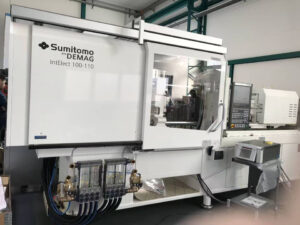
В епоху низьких норм прибутку конкуренція між лиття під тиском Змагання компаній, по суті, є змаганням в ефективності. Деякі компанії досі покладаються на «відчуття» та «досвід» для налаштування своїх машин, вважаючи, що немає місця для подальшої оптимізації циклу лиття під тиском. Ця стаття, починаючи з наукових принципів, систематично розкриває повну логіку та шлях впровадження оптимізації циклу лиття під тиском.
У цеху лиття під тиском ми часто чуємо такі розмови:
«Пане Ван, чи можна пришвидшити цей цикл?»
«Він уже на найшвидшій швидкості! Ще швидше — і це призведе до надмірного побіління/усадки!» — нетерпляче кричить Ван.
За цим криється поширена дилема: оптимізація циклу лиття під тиском часто спирається на особистий досвід досвідчених операторів, що нагадує своєрідне «містичне мистецтво», яке важко систематизувати, стандартизувати та постійно вдосконалювати. В результаті багато компаній потрапляють у замкнене коло «високих витрат, низької ефективності та нестабільної якості». Однак правда полягає в тому, що цикл лиття під тиском більшості продуктів має потенціал оптимізації від 10% до 30%. Ключ полягає в тому, чи можемо ми перейти від «досвідного» до «науково-орієнтованого».
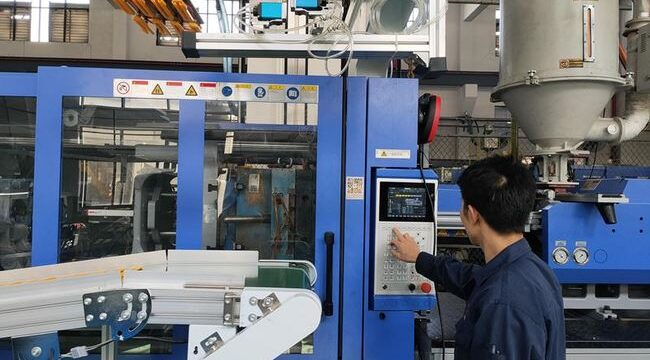
"Чотири основні артерії" циклу лиття під тиском
Для підвищення ефективності необхідно глибоке розуміння циклу формування. Він не є неподільним цілим, а складається з чотирьох основних етапів, пов'язаних між собою:
Загальний цикл (T) = Час відкриття/закриття форми (To) + Час впорскування (Ti) + Час витримки (Th) + Час охолодження (Tc).
Ці чотири етапи подібні до артерій людського тіла, кожен зі своїми унікальними правилами роботи та логікою оптимізації. Оптимізація циклу полягає не в сліпому прискоренні всього процесу, а в ретельному вимірюванні, аналізі, перевірці та врахуванні цих чотирьох часових модулів. Час охолодження (Tc) зазвичай становить 60-80% усього циклу, що є найбільшою «чорною дірою часу» та вирішальною областю для оптимізації.
Час відкриття/закриття форми (до): Безпосередньо пов'язана з тоннажем машини, спрощена формула має вигляд To ≈ 0,013X + 3,6 (X – тоннаж). Оптимізація зосереджена на оптимізації прискорення та уповільнення закриття/відкриття форми, зменшенні зайвих повільних сегментів та забезпеченні плавного, безперешкодного руху форми. Одночасно, шляхом оптимізації кривої закриття форми (повільно-швидко-повільно) та встановлення відповідного ходу відкриття форми, зменшується кількість холостих ходів. Ще одне значне покращення полягає в «автоматичному обробленні деталей роботизованою рукою», яка автоматично розміщує вставки та захоплює ручку матеріалу, повністю виключаючи втручання людини та досягаючи стабільного та ефективного циклу.
Час впорскування (Ti): Золоте правило: «чим швидше, тим краще, за умови, що якість дозволяє». Побудувавши криву в'язкості матеріалу, можна знайти «вікно процесу», де швидкість впорскування має найменший вплив на в'язкість матеріалу, що дозволяє досягти швидкого та стабільного заповнення.
Час витримки тиску (Th): Не обов'язково чим довше, тим краще. Його науковою кінцевою точкою є «заморожування затвора». Тиск витримки призначений для компенсації усадки пластику при охолодженні. Оптимальний час витримки під тиском повинен тривати до затвердіння затвора. Надмірний час витримки під тиском може призвести до високого внутрішнього напруження у виробі, тоді як недостатній час може спричинити усадку. Науковий метод - це «метод зважування»: поступово збільшуйте час витримки, а оптимальний момент часу - це коли вага виробу більше не збільшується.
Час охолодження (Tc): Це найскладніша технічна частина. Суть охолодження полягає в передачі тепла від розплаву до форми. Основна формула розкриває шлях оптимізації, який можна просто сформулювати так: товщина виробу (D) є невід'ємним фактором, але ми можемо значно пришвидшити охолодження, покращивши теплопровідність (α) пластику та знизивши температуру форми (Tm). Ось чому так важливо очищати канали охолоджувальної води та використовувати контролер температури форми для підтримки низьких температур води!
Основна логіка полягає в тому, що оптимізація циклу полягає не в простому та грубому прискоренні всього, а в точній діагностиці кожного етапу, виявленні вузьких місць та втручанні за допомогою цілеспрямованих наукових методів.
Опануйте «три хірургічні скальпелі» циклу оптимізації
З чого ж почати, маючи теоретичне керівництво? Наступні три «хірургічні інструменти» є основними інструментами на практиці.
1. Оптимізація параметрів процесу: від «грубої сили» до «вмілої техніки»
- Стадія ін'єкції: Використовуйте функцію багатоступеневого впорскування ливарної машини. Наприклад, дотримуйтесь стратегії «повільно-швидко-повільно»: повільне впорскування на вході, щоб запобігти утворенню слідів від струменів, швидке заповнення основного корпусу для зменшення в'язкості та знову уповільнення в кінці для полегшення вентиляції. Це набагато ефективніше та стабільніше, ніж одноразове високошвидкісне впорскування.
- Перемикання V/P (швидкість/тиск): Це ключ до успіху чи невдачі на етапі заповнення. Занадто раннє перемикання призведе до дефіциту матеріалу, тоді як занадто пізнє перемикання легко спричинить спалах та надмірне внутрішнє напруження. Оптимальна точка перемикання зазвичай настає, коли порожнина заповнена на 95%-98%.
- Координація тиску охолодження та витримки: Тиск витримки має бути завершений до того, як затвор зависне. Визначаючи час заморожування затвора за допомогою експериментів та встановлюючи відповідний час тиску витримки, період очікування охолодження можна значно скоротити. Випадок: прозора лінза з полікарбонату, початковий цикл становив 24 секунди. Завдяки оптимізації точки перемикання V/P, застосуванню сегментованого впорскування та зменшенню часу тиску витримки з 4 секунд до 1,5 секунд, час охолодження було скорочено з 10 секунд до 3 секунд, що зрештою скоротило час циклу до 12,5 секунд і майже подвоїло ефективність.
2. Оптимізація системи прес-форм: від «пасивної адаптації» до «активного проектування». Прес-форма є «матір'ю» лиття під тиском, і її конструкція безпосередньо визначає межу ефективності.
Система охолодження є основою: досягнення рівномірної температури форми важливіше, ніж просто зниження її температури. Замість послідовних водяних каналів використовуються паралельні (за умови достатнього тиску води на заводі), щоб забезпечити стабільну ефективність охолодження по всій поверхні. Для глибоких порожнин і тонких стрижнів для вирішення проблеми мертвих зон охолодження використовуються водовіддільники, труби для розпилення води або матеріали з високою теплопровідністю, такі як берилієва мідь.
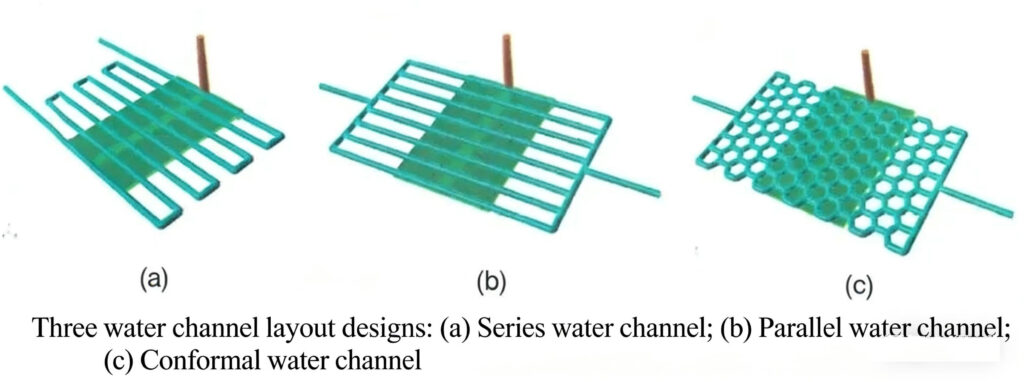
Бігуни та ворота: Щоб мінімізувати навантаження на охолодження та забезпечити баланс заповнення, розмір та довжину жолоба слід мінімізувати. Технологія гарячого жолоба є найкращим рішенням для скорочення часу охолодження жолоба, особливо підходить для багатопорожнинних форм та великих деталей.
Система вентиляції: Належна вентиляція дозволяє забезпечити вищу швидкість впорскування без затримки повітря або його пригоряння. Глибина вентиляційних каналів залежить від величини переливу матеріалу, зазвичай 0,02-0,05 мм, і повинна розташовуватися на кінцях та в місцях злиття потоку розплавленого матеріалу.
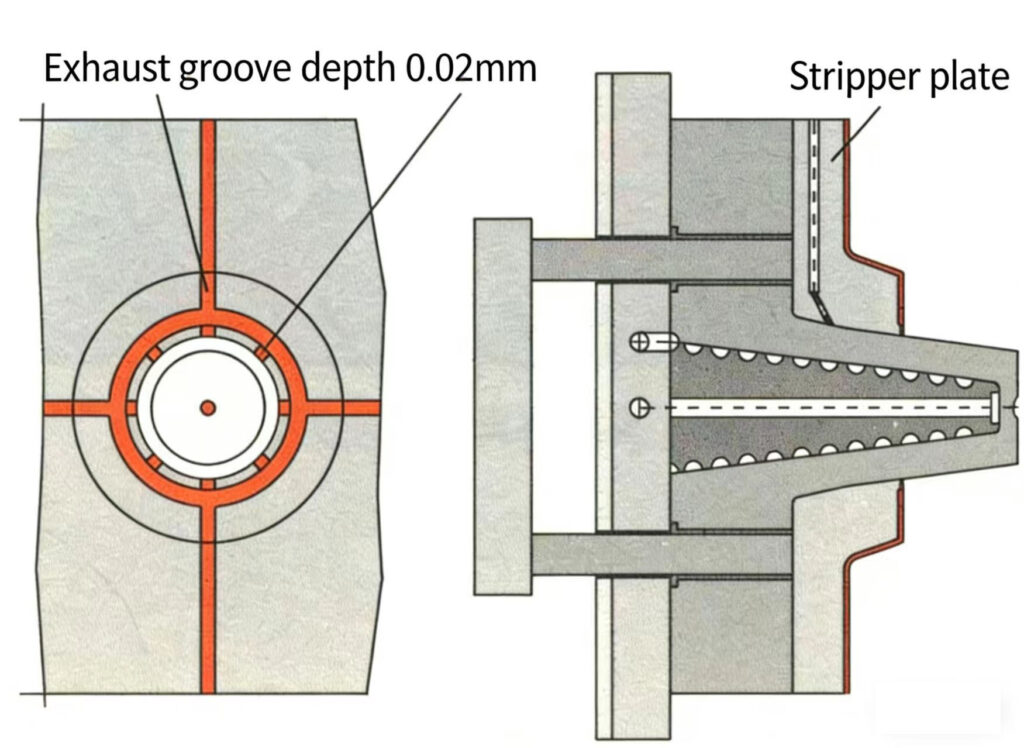
3. Підбір матеріалів та обладнання: від «імпровізованого» до «вишуканого».
- Характеристики матеріалу: Кристалічні матеріали (такі як PP та PA) швидко охолоджуються за коротких циклів, але усадка велика, що вимагає ретельного витримування тиску; аморфні матеріали (такі як ABS та PC) охолоджуються повільно за довгих циклів, що вимагає оптимізованого охолодження. Недостатньо висушені матеріали також значно подовжать цикл і спричинять дефекти.
- Вибір обладнання: Використання великої машини для невеликого завдання призводить до марнування енергії, тоді як використання малої машини для великого завдання призводить до недостатнього тиску та швидкості. Виходячи з формули Сила затискання = Тиск у порожнині × Площа проекції × Коефіцієнт безпеки, науково оберіть машину з відповідною вантажопідйомністю.
Розвінчуємо два основні міфи про підвищення ефективності
У прагненні до ефективності деякі глибоко вкорінені «переживання» стали каменем спотикання.
Міф 1: «Температура викиду = 80% від температури теплової деформації (ТТД)».— це найвідоміше емпіричне правило, але йому бракує наукової основи. Більш науковий підхід полягає в тому, щоб зосередитися на профілі модуль-температура матеріалу. Оптимальний час для вилучення з форми — це коли деталь охолоджується до точки, де її модуль є достатнім для опору силі деформації викиду. Це потрібно визначати за допомогою наукових методів, таких як DMA (динамічний динамічний аналіз), а не просто застосовуючи відсоток.
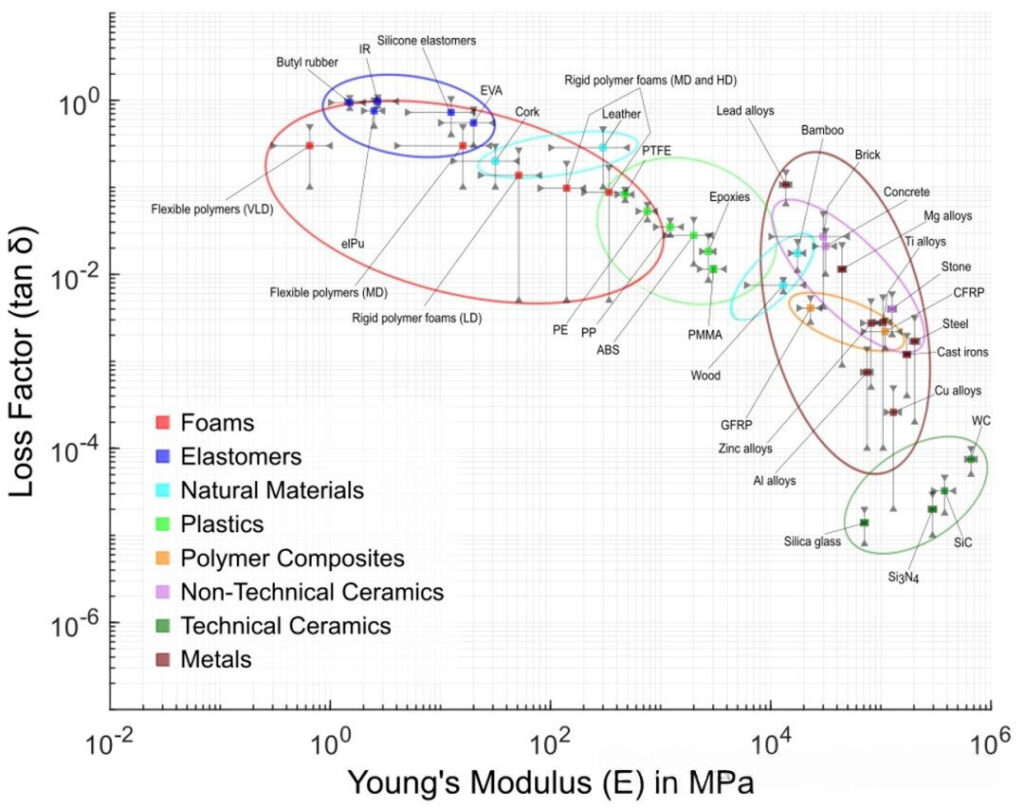
Міф 2: «Нижча температура форми означає швидше охолодження та коротший час циклу». Це небезпечна помилка. Надмірно низькі температури форми можуть призвести до неповної кристалізації напівкристалічних матеріалів, нерівномірного усадження виробу, а також до деформації або невідповідності розмірів після виймання з форми. Це фактично вимагає тривалішого циклу для зміни форми або коригування після обробки, що збільшує відсоток браку. Тому відповідна температура форми є балансом між якістю та ефективністю. (Див. попередні статті :)
Побудова безперервно оптимізуючого «ефекту маховика»
Систематичне підвищення ефективності — це не одноразовий проект, а процес, який потрібно інтегрувати в щоденне управління. Зрозумівши теорію, давайте розглянемо, як впровадити відтворюваний процес оптимізації в межах підприємства. Це класичний цикл PDCA.
Крок 1: Точний діагноз – нехай говорять дані
Дія: Створіть робочу групу, що складається з ключових співробітників з технологічної, прес-формової та виробничої команд. Виберіть продукт, який є «вузьким місцем», і використовуйте секундомір або машинні дані, щоб точно виміряти поточний цикл і розбити його на To, Ti, Th та Tc. Інструмент: «Таблиця статистики розкладання циклу лиття під тиском». Мета: Встановити базовий рівень для поточної ситуації, наприклад, виявивши, що в 24-секундному циклі продукту час охолодження становить 10 секунд!
Крок 2: Аналіз вузьких місць – знайдіть «крадія часу»
Дія: Порівняйте теоретичні розрахунки з фактичними значеннями, щоб проаналізувати джерело розбіжності. Чи це погане охолодження форми? Чи час витримки тиску занадто консервативний? Метод: Використовуйте «діаграму риб'ячої кістки» для комплексного дослідження з шести аспектів: «люди, машина, матеріал, метод, середовище та форма». Результат: Визначте основну ціль, наприклад, «низька ефективність охолодження є основним вузьким місцем».
Крок 3: Розробіть план – багатогранний
Дія: Розробіть конкретні заходи для кожного часового модуля. Оптимізуйте Tc: Негайно очистіть канали охолодження форми, перевірте роботу контролера температури форми та розгляньте можливість використання охолоджувальної води з нижчою температурою. Оптимізуйте Th: Скиньте криву часу витримки та тиску за допомогою «методу зважування». Оптимізуйте Ti: Встановіть три рівні швидкості впорскування, використовуючи різні швидкості в різних місцях, таких як бігун, затвор та корпус. Оптимізуйте To: Оптимізуйте параметри закриття форми та впровадьте або оптимізуйте програму роботизованої руки.
Крок 4: Пілотна перевірка – дрібні кроки, швидка ітерація
Дія: Впровадити нове рішення на пілотній машині. Ключовий принцип: Налаштовувати лише один параметр за раз! Наприклад, спочатку зменшити час охолодження з 10 секунд до 8 секунд, виготовити 20 форм і перевірити якість продукції (розміри, зовнішній вигляд, напруження). Після стабілізації зменшити його до 6 секунд і повторити цей цикл. Мета: Знайти граничне значення кожного параметра, забезпечуючи при цьому якість. Записати дані кожного налаштування.
Крок 5: Розрахунок та стандартизація вигод – Закріплення результатів
Дія: Після успішної оптимізації точно розрахуйте вигоди. Збільшення виробництва: (3600 секунд/годину/новий цикл) × 24 години × кількість порожнин = щоденне збільшення виробництва. Зменшення витрат: Зменшуються амортизація електроенергії та робочої сили на одиницю продукції.
Крок 6: Горизонтальне просування та постійне вдосконалення – відтворення успіху
Дія: Організувати навчання в рамках семінару для обміну успішним досвідом та методологіями пілотного проекту (такими як «метод зважування» та «стандарти очищення каналів охолоджувальної води»), а також просувати їх на інших подібних продуктах та машинах.
Культура: Інституціоналізуйте цей науково оптимізований процес, регулярно проводите огляди, заохочуйте співробітників надавати пропозиції щодо покращення та зробіть підвищення ефективності частиною корпоративної культури.
Реальний випадок: Як науково скоротити час з 24 секунд до 12,5 секунд?
Виробнича лінія прозорих лінз з полікарбонату мала цикл виробництва 24 секунди, чого було недостатньо для задоволення щомісячного попиту клієнта в 450 000 штук.
Для подолання вузького місця було використано такі наукові методи:
Діагноз: Найбільшою проблемою було визначено 10-секундний час охолодження; теоретичні розрахунки показали, що час охолодження має становити лише 2,17 секунди. Оптимізація: Цвіль: Систему охолодження було ретельно очищено для забезпечення турбулентного потоку води.
Процес: Було застосовано багатоступеневе лиття під тиском та тиск витримки, що оптимізувало час витримки з 4 секунд до 1,5 секунд; час охолодження було значно скорочено з 10 секунд до 3 секунд.
Автоматизація: Для стабілізації часу обробки деталей було впроваджено роботизовану руку.
Результати: Загальний час циклу було успішно скорочено до 12,5 секунд, щоденний обсяг виробництва збільшився більш ніж на 90%, що не лише задовольнило вимоги щодо доставки, але й значно знизило собівартість одиниці продукції та збільшило прибутки компанії.
Висновок
Підвищення ефективності лиття під тиском вимагає від нас відмовитися від залежності від нечіткого досвіду та перейти до даних, принципів та систематичних методів. Це перехід від «орієнтованого на досвід» до «орієнтованого на дані та науку». Давайте перестанемо розглядати цикл лиття під тиском як чорну скриньку та натомість розділимо його на серію фізичних та хімічних процесів для точного контролю.
Винагородою буде не лише скорочення часу циклу на 30%, але й переваги у вартості, стабільна якість та основна стійкість вашої компанії в умовах жорсткої ринкової конкуренції. Ця стаття має на меті надати інженерам-продуктовикам та інженерам-технологам методологію аналізу циклу лиття під тиском трьох провідних продуктів їхньої компанії, де найбільше потрібні зниження витрат та підвищення ефективності, розробити плани наукової валідації та впровадити їх за допомогою команди.
Найчастіші запитання
Чи справді є можливість оптимізувати час циклу, якщо досвідчені техніки кажуть, що це на межі можливостей?
Так. Більшість продуктів все ще мають Потенціал оптимізації від 10% до 30%Покладання виключно на «відчуття» чи досвід часто маскує справжні вузькі місця. Справжня оптимізація вимагає переходу до наукового підходу: розбиття всього циклу на чотири конкретні частини — відкриття/закриття форми (To), впорскування (Ti), витримка (Th) та охолодження (Tc) — та оптимізації їх окремо, а не просто сліпо прискорення машини.
Який етап триває найдовше, і як ми можемо його скоротити?
Час охолодження (Tc) є найбільшим вузьким місцем, що займає 60%–80% повного циклу. Щоб ефективно скоротити його:
Оптимізація охолодження прес-форми: Регулярно очищуйте охолоджувальні канали для забезпечення турбулентного потоку води та використовуйте паралельні водопроводи замість послідовних контурів.
Усунення мертвих зон: Використовуйте перегородки, барботери або високопровідні матеріали (наприклад, берилієву мідь) для глибоких порожнин і довгих осердь.
Уникайте міфу «чим холодніше, тим краще»: Не варто різко знижувати температуру форми. Занадто низька температура призводить до нерівномірної усадки та деформації, що, у свою чергу, призводить до вищого рівня браку.
Чи запобігає довший час витримки усадці деталі?
Ні, довший час витримки не завжди кращий. Тиск, що утримується, стає абсолютно марним, як тільки заморожування воріт (герметизація затвора). Надмірний час призводить лише до високого внутрішнього напруження та втрати часу циклу.
Виправлення: Використовуйте «Метод зважування». Поступово збільшуйте час витримки та зважуйте деталі. Точний момент, коли збільшення ваги деталі припиняється, – це момент, коли затвор завмирає. Встановіть час витримки трохи вище цієї точки на 1 секунду.
Як слід налаштувати швидкість впорскування та перемикання V/P?
Ін'єкція повинна бути настільки швидкою, наскільки дозволяє якість, але не з однією швидкістю.
Профіль швидкості: Використовуйте «Повільно-Швидко-Повільно» Стратегія. Повільно рухайтеся на вході, щоб запобігти утворенню струменів, швидко рухайтеся в основному корпусі, щоб зменшити в'язкість, і повільно рухайтеся в кінці для належного вентиляції.
Перемикання V/P: Занадто раннє перемикання призводить до коротких пострілів; занадто пізнє перемикання призводить до спалаху та високого напруження. Оптимальна точка перемикання V/P зазвичай настає, коли порожнина Заповнено на 95–98%.
Як нам слід впроваджувати оптимізацію циклу на заводському цеху?
Використовуйте структурований, керований даними підхід PDCA (Плануй-Виконуй-Перевіряй-Дій):
Спочатку виміряйте: Використовуйте секундоміри або дані машини, щоб точно зафіксувати поточний час для To, Ti, Th та Tc.
Золоте правило — один параметр за раз: Під час виконання налаштувань на машині, ніколи не змінюйте кілька параметрів одночасноНаприклад, зменште час охолодження на 2 секунди, виконайте 20 знімків, перевірте якість, а потім повторіть.
Стандартизація (СОП): Після успішного виконання збережіть нові параметри в базі даних машини та опублікуйте стандартизовану стандартну операційну процедуру (СОП) на машині, щоб запобігти поверненню операторів до старих звичок.
Коментарі
Останні публікації
Пов'язані блоги
Блог Senyo зосереджений на тому, щоб поділитися нашими глибокими знаннями у сфері виробництва прототипів. За допомогою наших статей ми прагнемо допомогти вам удосконалити дизайн вашого продукту та ефективніше розібратися зі складнощами швидкого прототипування.