Veiledning til de ulike operasjonene til en fresemaskin
Innholdsfortegnelse
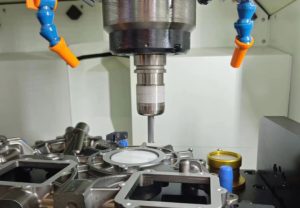
Den CNC-fresing prosessen står som en hjørnestein i moderne produksjon. Denne allsidige metoden forvandler råmateriale til presise komponenter med utrolig nøyaktighet. En CNC-fresemaskin utfører mange forskjellige oppgaver for å håndtere komplekse deldesign.
Hver spesifikke oppgave fjerner materiale fra et arbeidsstykke. Maskinen bruker roterende kuttere festet til en bevegelig spindel. Selv om kjernekonseptet forblir det samme, endres verktøyene og spindelbevegelsene basert på jobben.
Denne artikkelen utforsker de ulike operasjonene til en fresemaskin i detalj. Vi vil undersøke deres spesifikke fordeler og vanlige industrielle bruksområder. Denne informasjonen hjelper deg med å velge den mest effektive maskineringsstrategien for ditt neste prosjekt.
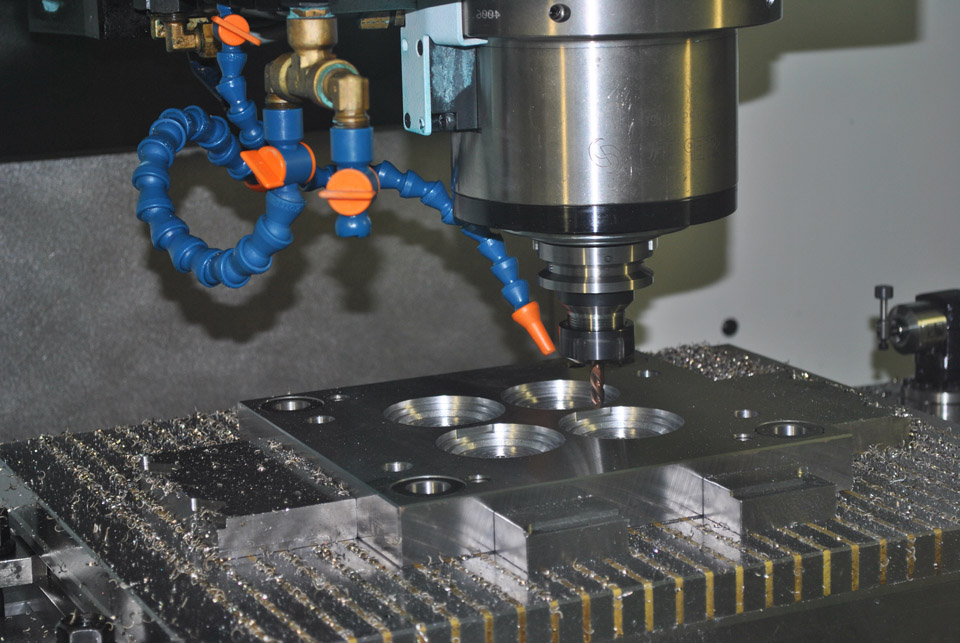
Hvordan CNC-freseprosessen fungerer
Hvert freseprosjekt starter med en digital design. Ingeniører konverterer disse 3D-modellene til G-kode- og M-kodeinstruksjoner. Disse kodene forteller maskinen nøyaktig hvor den skal bevege seg og hvor raskt den skal rotere. Riktig verktøy og oppsett følger denne programmeringsfasen.
Viktige komponenter i en fresemaskin
Maskinvaren må fungere i harmoni for å utføre presise kutt. Tabellen nedenfor beskriver hoveddelene som finnes i de fleste freseoppsett.
| Komponent | Teknisk beskrivelse | Funksjon i prosessen |
|---|---|---|
| Maskingrensesnitt | CNC-kontrollpanelenheten. | Oversetter G-kode til fysisk maskinbevegelse. |
| Spindel | En høyhastighets roterende enhet. | Holder skjæreverktøyet og gir rotasjonskraft. |
| Arbeidsseng | Et flatt, stivt bord med T-spor. | Fester arbeidsstykket med klemmer eller spesialskruestikker. |
| Søyle | En massiv vertikal støttestruktur. | Gir stabilitet og huser Z-aksedriveren. |
| Sal | En glidende komponent på kneet eller sengen. | Gjør det lettere å bevege arbeidsbordet horisontalt. |
| Lysthus | En forlengelse av hovedspindelen. | Støtter flere freser under horisontal fresing. |
| Skjæreverktøy | Herdede bits (karbid eller verktøystål). | Fjerner spon fra materialet via skarpe kanter. |
Å velge riktig operasjon for en fresemaskin sikrer resultater av høy kvalitet. For eksempel skaper planfresing flate overflater. Gjengefresing produserer nøyaktige innvendige eller utvendige gjenger. Å matche teknikken til designkravet er avgjørende for suksess.
Teknisk oversikt over freseoperasjoner
CNC-teknologi tilbyr et enormt mangfold av maskineringsmuligheter. Den håndterer alt fra enkle spor til komplekse underskjæringer. Tabellen nedenfor gir et øyeblikksbilde av 12 viktige freseteknikker.
| Operasjon | Hovedformål | Viktigste fordel | Felles søknad |
|---|---|---|---|
| Planfresing | Utjevning av toppflater. | Høy materialfjerningshastighet. | Topplokk. |
| Vanlig fresing | Skjæring av brede, flate overflater. | Effektiv for ytre lag. | Grunnleggende blokker. |
| Sidefresing | Maskinering av vertikale flater. | Lager presise sideprofiler. | Spor og riller. |
| Straddle Fresing | Skjæring av to parallelle sider. | Sikrer perfekt parallellitet. | Braketter og spaker. |
| Gjengmølling | Bruk av flere kuttere. | Sparer tid på komplekse deler. | Motorblokker. |
| Vinkelfresing | Skjæring av bestemte vinkler. | Høy presisjon for avfasninger. | Svalehale-sklier. |
| Formfresing | Å lage uregelmessige former. | Perfekt for tilpassede konturer. | Turbinblader. |
| Endefresing | Flerveis skjæring. | Svært allsidig for detaljer. | Lommer og hull. |
| Sagfresing | Skjæring av smale snitt. | Dyp skjæreevne. | Avskjed fra arbeidet. |
| Tannhjulsfresing | Forming av girtenner. | Ekstremt høy nøyaktighet. | Spiral- og koniske gir. |
| Gjengefresing | Lage skruegjenger. | Bedre for store diametre. | Festehull. |
| CAM-fresing | Maskinering av CAM-profiler. | Produserer spesifikke bevegelsesbaner. | Mekaniske tidtakingsdeler. |
Detaljert oversikt over geometriske freseoperasjoner
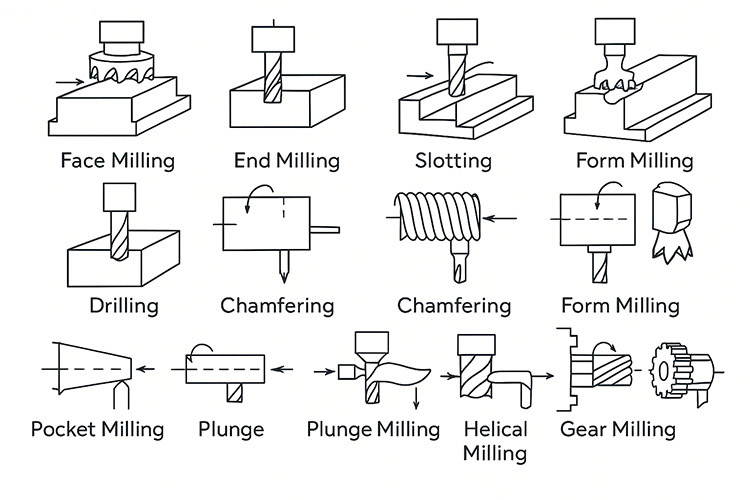
Vi kan kategorisere freseoppgaver basert på formene de produserer. Noen lager flate plan, mens andre genererer komplekse 3D-geometrier.
1. Planfresing
Planfresing fokuserer på overflaten av arbeidsstykket. Fresens akse forblir vinkelrett på materialoverflaten. Tennene på verktøyets periferi gjør den tunge skjæringen. Samtidig gir tennene på verktøyflaten en jevn finish.
Denne metoden fjerner materiale svært raskt. Det er det beste valget for utjevning av store blokker. Produsenter bruker den til motorblokker i biler og elektroniske kjøleribber.
2. Vanlig fresing
Vanlig fresing, eller skivefresing, produserer flate overflater der freseaksen forblir parallell med arbeidsstykket. Maskinen bruker en sylindrisk freser. Disse fresene kan ha rette eller spiralformede tenner.
Denne operasjonen utmerker seg ved fjerning av brede overflater. Den fungerer ofte som det første trinnet i en større maskineringssekvens. Den forbereder de ytre dimensjonene til en blokk for mer intrikate detaljer senere.
3. Sidefresing
Denne operasjonen er rettet mot de vertikale sidene av et arbeidsstykke. Operatøren bruker en sidefres. Verktøyet har tenner på sidene og omkretsen. Dette oppsettet lar maskinen lage vertikale vegger og dype spor.
Sidefresing er avgjørende for produksjon av opphengsfester. Det bidrar også til å lage de komplekse finnene som finnes på luftfartskomponenter. Både horisontale og vertikale maskiner kan utføre denne oppgaven effektivt.
4. Skråfresing
Skråfresing bruker to eller flere sidekuttere på én spindel. Dette lar maskinen frese to parallelle flater samtidig. Skjærebladene «skrever» arbeidsstykket.
Denne teknikken garanterer at de to sidene forblir helt parallelle. Det er en svært effektiv metode for å produsere jigger og festeanordninger. Den reduserer også antall oppsett som kreves for en enkelt del.
5. Gjengmølling
Gruppefresing innebærer å montere en «gruppe» med forskjellige freseverktøy på én spindel. Disse freseverktøyene kan ha forskjellige former og diametre. Maskinen utfører flere forskjellige operasjoner i én omgang.
Denne tilnærmingen sparer enormt mye produksjonstid. Det er vanlig i storskalaindustrier. Fabrikker bruker gruppefresing for å produsere komplekse girkasser og motorkomponenter.
6. Vinkelfresing
Ingeniører bruker vinkelfresing for å lage elementer som ikke er vinkelrette på basen. Freseaksen sitter i en bestemt vinkel i forhold til arbeidsstykket. Vanlige vinkler inkluderer 45, 60 og 75 grader.
Denne operasjonen produserer avfasninger, skråkanter og V-blokker. Det er den primære metoden for å skjære svalehalesleider i maskinverktøyproduksjon.
7. Formfresing
Formfresing skaper uregelmessige eller buede konturer. Skjæreverktøyet har den nøyaktige negative formen til den ønskede delen. Når verktøyet passerer over metallet, etterlater det den spesifikke profilen.
Denne metoden er viktig for buede deler som turbinblader. Den spiller også en viktig rolle i produksjon av ortopediske implantater og spesialtilpassede gitarkropper.
8. Endefresing
Endefresing er sannsynligvis den vanligste av alle operasjoner på en fresemaskin. Endefresen kan skjære i både aksial og radial retning. Den lager lommer, spor og intrikate 3D-former.
Endefreser har skjærekanter på spissen og sidene. Denne allsidigheten gjør dem perfekte for formproduksjon og prototyping. De gir utmerket overflatefinish på vertikale vegger.
9. Sagfresing
Sagfresing bruker en tynn freser med stor diameter. Den fungerer som en sirkelsag. Denne operasjonen er ideell for å skjære dype, smale spor. Den fungerer også bra for «avstikking» eller å kutte et enkelt stykke i to.
Operatører må kjøre sagbruk med lavere hastigheter. De tynne bladene kan overopphetes raskt. Det er imidlertid fortsatt en pålitelig måte å skjære gjennom tykt materiale.
10. Tannhjulsfresing
Dette er en spesialisert prosess for å lage tannhjulstenner. Maskinen bruker evolvente tannhjulsfreser for å oppnå presise tannprofiler. Den kan produsere sylindriske, spiralformede og koniske tannhjul.
Mens fresearbeid er raskere for masseproduksjon, er tannhjulsfresing mer fleksibelt. Det muliggjør produksjon av spesialtilpassede tannhjul uten dyrt spesialmaskineri. Det sikrer høy nøyaktighet og glatte tannoverflater.
11. Gjengefresing
Gjengefresing kutter innvendige og utvendige gjenger ved hjelp av et roterende verktøy. I motsetning til en gjengetapp kan en gjengefres lage forskjellige gjengestørrelser med samme verktøy. Det er mye tryggere for store eller dyre deler.
Hvis en gjengetapp ryker, ødelegger den delen. Hvis en gjengefres ryker, bytter du ganske enkelt verktøyet. Denne operasjonen er standard for komponenter innen luftfart og motormontering.
12. CAM-fresing
CAM-fresing produserer kammer, som omdanner rotasjonsbevegelse til lineær bevegelse. Prosessen krever et delehode eller et rotasjonsbord. Arbeidsstykket roterer mens fresen beveger seg i henhold til en spesifikk profil. Dette skaper de presise «lobene» som trengs for mekaniske tidsstyringssystemer.
Den kritiske rollen til kjølevæsker og smøremidler
Varme er et problem ved fresing. Metallgnissing skaper ild. Temperaturer smelter verktøy og bøyer deler. Kjølevæske stopper det – uten unntak.
Den fører varmen ut av kuttet. Det sparer verktøyet mer tid. Den glir også mellom sponen og kanten. Mindre friksjon betyr bedre finish. Overflaten holder seg ren.
En kraftig strøm fjerner spon raskt. Dype lommer holder på rester. En fastsittende spon kan sprekke bladet. Trykket blåser dem løs. Verktøyet fortsetter å skjære nytt materiale hver gang.
Fremtidstrender: Hybridfresing og 5-akset innovasjon
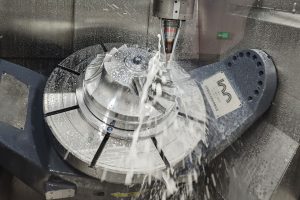
Freseverdenen bremser ikke ned, den endrer seg raskt. Maskiner gjør nå mer enn å bevege seg langs tre akser. De spinner deler og verktøy samtidig, fem akser, faktisk. Det lar deg kutte kompliserte former uten å flytte dem.
Hybridsystemer dukker også opp. Du skriver ut en del med lasersmelting, og bruker deretter CNC til å forme den ned. Prosessen reduserer avfall betraktelig. Og den bygger også interne kjølevæskebaner – noe tradisjonell fresing ikke klarer.
Kategorisering av operasjoner etter mekanisme
Vi kan også gruppere disse oppgavene etter hvordan operatøren styrer maskinen eller hvordan verktøyet samhandler med materialet.
Manuell vs. CNC-fresing
Fresing med datamaskiner følger digitale kommandoer nøyaktig. Økser beveger seg med presisjon ingen kan matche. Former blir mer komplekse enn manuelle evner. Delene blir identiske hver gang. Masseproduksjon blir mulig på denne måten.
Det skjer fortsatt noen ganger at man dreier håndhjul. En person stiller inn hastighet, mating og dybde for hånd. Enkle jobber eller reparasjoner passer fint her. Men hastighet? Repetisjon? Det mangler helt.
Konvensjonell vs. klatrefresing
Dette beskriver forholdet mellom kutterrotasjonen og materetningen.
- Konvensjonell fresing: Verktøyet roterer mot matingsretningen. Sponen starter tynn og blir tykkere. Dette forårsaker mer verktøyslitasje, men er tryggere for eldre, løse maskiner.
- Klatrefresing: Verktøyet roterer i samme retning som matingen. Sponen starter tykk og blir tynnere. Dette gir en mye bedre overflatefinish og bruker mindre strøm. De fleste moderne CNC-oppsett foretrekker stigningsfresing.
| Funksjon | Konvensjonell fresing | Klatrefresing |
|---|---|---|
| Overflatekvalitet | Grovere | Jevnere |
| Verktøyets levetid | Kortere (på grunn av gnissing) | Lengre (renere skjæring) |
| Strømbehov | Høyere | Lavere |
| Best brukt til | Støpegods og ru overflater | Etterbehandling og harde materialer |
Velge den beste fresestrategien
Du kan ikke velge en freseoperasjon tilfeldig. Flere tekniske faktorer må styre avgjørelsen din.
Materialegenskaper
Harde materialer som titan krever andre operasjoner enn myke materialer som aluminium. Hardere metaller trenger lavere hastigheter og stivere oppsett. Konvensjonell fresing kan være nødvendig for materialer med hard ytre skala.
Nødvendig overflatebehandling
Hvis delen din trenger en speilblank overflate, må du velge riktig operasjon. Planfresing og endefresing gir generelt den beste overflatekvaliteten. «Ra»-verdien (gjennomsnittlig ruhet) er en nøkkelmåling her.
| Operasjon | Typisk Ra-verdi (μm) |
|---|---|
| Planfresing | 0,8–3,2 |
| Endefresing | 0,8–6,3 |
| Tannhjulsfresing | 1,6–3,2 |
Geometrisk kompleksitet
Enkle, flate plater trenger bare planfresing eller planfresing. En kompleks form krever imidlertid flerakset endefresing. Du må vurdere om verktøyet faktisk kan nå funksjonene i designet ditt.
Maskinspesifikasjoner
Maskinens hestekrefter og maksimale turtall begrenser valgene dine. En liten maskin kan ikke håndtere et stort gruppefreseoppsett. Tilpass alltid operasjonen til maskinens stivhet og effektkapasitet.
Konklusjon
Fresemaskiner kutter ikke bare metall, de former deler med presisjon. Grunnleggende planfresing fungerer fint for flate overflater; girskjæring? Det er for når du trenger nøyaktig tannavstand. Velg riktig metode, så vil du oppnå nøyaktighet, redusere svinn og arbeidstimer. Med CNC som nå gjør jobben, blir nye verktøyformer stadig testet i virkelige oppsett.
Selv det å bygge en knestøtte eller et bilfeste krever denne kunnskapen. Verktøyene gjør jobben, personen bestemmer. Programvaren styrer matehastigheten, maskinvaren holder seg fast, og praktisk kunnskap bestemmer hvor nær du kommer perfeksjon – ingen snarveier tillatt.
Vanlige spørsmål
1. Hva er hovedforskjellen mellom vertikal og horisontal fresing?
Vertikal fresing bruker en spindel som står oppreist. Den er best for detaljarbeid og endefresing. Horisontal fresing bruker en spindel som ligger flatt. Den er bedre for fjerning av tungt materiale og gruppefresing.
2. Hvorfor er klatrefresing å foretrekke i CNC-maskinering?
Klatrefresing trekker arbeidsstykket inn i freseverktøyet. Dette reduserer friksjon og varme. Det resulterer i en bedre overflatefinish og forlenger levetiden til skjæreverktøyet.
3. Kan en fresemaskin lage et hull som en boremaskin?
Ja. Endefresingsoperasjoner kan lage hull. Fresing er imidlertid bedre for å lage store eller ikke-standardiserte hullstørrelser. For standard små hull er et tradisjonelt bor vanligvis raskere.
4. Hvilket materiale er best for freser?
De fleste moderne fresere bruker wolframkarbid. Det holder seg hardt selv ved høye temperaturer. Høyhastighetsstål (HSS) er også vanlig for billigere verktøy eller spesialiserte former.
5. Hvordan reduserer jeg vibrasjoner under fresing?
Vibrasjon, eller «vibrasjon», ødelegger overflatefinishen. For å stoppe det kan du redusere skjæredybden. Du kan også øke stivheten til arbeidsoppsettet eller bruke et verktøy med variabel riflavstand.
Anbefalte ytre lenker
Kommentarer
Siste Innlegg
Relaterte Blogger
Senyo blogg er fokusert på å dele vår omfattende kunnskap om prototype produksjon. Gjennom våre artikler, vi har som mål å støtte deg i å raffinere ditt produkt, design og navigering kompleksiteten av rapid prototyping mer effektivt.