Prototype Deler: Mastering Metall og Plast Produksjon
Innholdsfortegnelse
Å utvikle et nytt produkt eller en komponent begynner med en idé. Transformere at ideen inn i en konkret form, krever imidlertid en kritisk trinn: prototyping. Prototyping kan innovatører til å validere design, identifisere feil tidlig, og vurdere et produkt som har passform og holdbarhet lenge før full-skala produksjon. Denne innledende fasen er avgjørende for å redusere risikoen og sikre en vellykket lansering.
Å velge riktig metode for produksjon for prototype deler er en svært viktig avgjørelse. Den ideelle prosessen balanserer prisgunstig, en kort ledetid, og kompromissløs kvalitet. Denne omfattende guide utforsker felles rask utvikling av nye metoder, og tilbyr innsikt i å velge den beste tilnærmingen for dine spesifikke behov. Vi vil også gi nødvendige design hensyn til både metall og plast prototype deler.
4 Tast Metoder for Rapid Prototyping
Landskapet i rapid prototyping tilbyr flere kraftige teknikker, hver med klare fordeler. Å forstå disse metodene gir deg mulighet for å ta informerte beslutninger for din prototype deler.
1. CNC Maskinering
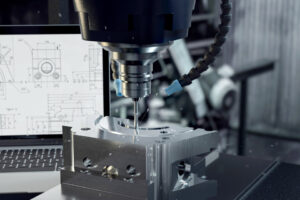
CNC (Computer Numeric Control) maskinering står som en hjørnestein i prototypen skapelsen. Utbredt adopsjon er tydelig i mange bransjer, for eksempel Apple utnyttet CNC-maskiner til prototype MacBook ' s aluminium når overgangen fra polykarbonat design.
CNC-maskinering opererer som en subtraktiv produksjonsprosessen. Datastyrt kontroller guide skjærende verktøy, nettopp for å fjerne materiale fra en rå arbeidsstykket. Denne grundige prosessen fortsetter helt til ønsket tilpasset prototypen del kommer.
Denne metoden har eksepsjonell nøyaktighet for å oppnå toleranser så tett som ±4 µm. Videre, CNC maskinering plass til et stort utvalg av materialer, inkludert nesten alle metall eller plast, forutsatt at de er tilgjengelig i blokk form. Denne allsidigheten gjør dette til en go-to for mange komplekse og høy presisjon prototype deler.
2. 3D-Utskrift
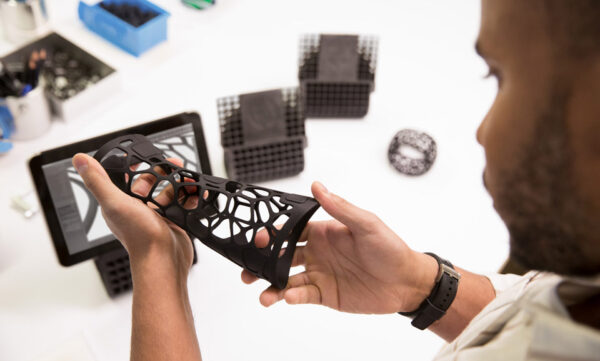
3D-printing, en additiv produksjon teknikk, deler en grunnleggende likhet med CNC-maskinering: begge stole på 3D CAD modeller og instruksjonene på datamaskinen for å automatisere prototypen del etableringen. Men, deres tilnærminger er vesentlig forskjellig. Mens CNC-maskinering fjerner materiale, 3D-utskrift bygger objekter som lag på lag fra grunnen av.
Ulike 3D-utskrift teknologier eksisterer, hver egnet for forskjellige applikasjoner. Stereolithography (SLA), Smeltet Avsetning Modellering (FDM), og Selective Laser Sintring (SLS) er fremtredende eksempler. Disse teknologiene vanligvis tilby minimum har størrelser fra 0,25 mm til 0,8 mm, og gir tilstrekkelig nøyaktighet for de fleste prototyping krav. 3D-printing utmerker seg i å produsere intrikat og kompleks geometrisk prototype deler det kan være utfordrende eller umulig med tradisjonelle metoder.
3. Uretan Støping
Uretan støping, også kjent som vakuum støping, tilbyr en effektiv løsning for å produsere plast prototype deler ved hjelp av silikon former under vakuum forhold. Prosessen begynner vanligvis med å opprette en master mønster, ofte ved hjelp av CNC-maskiner eller 3D-skrivere. Væske polyuretan helles deretter i silikon mold, kopiere master mønster for å lage flere kopier av prototypen del design. Denne metoden er spesielt effektiv for å produsere små og mellomstore grupper av høy kvalitet, funksjonelle plast prototyper.
4. Rask Injeksjon Molding
Rask Injeksjon Molding (RIM) er en akselerert versjon av konvensjonell sprøytestøping. Denne prosessen benytter hastighet og presisjon CNC-maskinering å raskt lage mold hulrom. Denne evnen gjør det mulig for effektiv produksjon av komplekse prototype deler med intrikate funksjoner. RIM er ideelt for scenarier som krever større mengder plast prototyper med utmerket overflatebehandlinger og mekaniske egenskaper, bygge bro over gapet mellom lav-volum prototyping og masseproduksjon.
Å velge Riktig Metode for Produksjon for Prototypen Deler
Velge optimal metode for produksjon for prototype deler innebærer veier flere kritiske faktorer. Hver teknikk har et unikt sett av fordeler.
Vurder følgende når du gjør din beslutning:
- Ønsket Mekaniske Egenskaper: Hvilke konkrete styrke, fleksibilitet, eller andre fysiske egenskaper må din prototype deler har?
- Volum Krav: Hvor mange identiske prototype deler har du behov for?
- Budsjett Begrensninger: Hva er dine finansielle tildeling for prototyping fase?
- Ledetid: Hvor raskt trenger du prototype deler?
- Materiale Kompatibilitet: Hvilke materialer er avgjørende for ditt design, og hvilke metoder støtte dem?
Komparativ Analyse av utvikling av nye Metoder
| Funksjon | CNC Maskinering | 3D-Utskrift | Uretan Støping | Rask Injeksjon Molding |
|---|---|---|---|---|
| Toleranse/Korrektheten | Utmerket (opp til ±4 µm) | God (0.25-0,8 mm feature size) | God | Veldig Bra |
| Materiale Kompatibilitet | Bred (de fleste metaller, plast i blokker) | Begrenset (termoplast, enkelte metaller) | Polyuretan (plast-lignende egenskaper) | Termoplast, Thermosets |
| Volum Egnethet | Lav til Middels store individuelle deler | Lav til Middels store, komplekse geometrier | Lav til Middels (10-100 enheter) | Middels til Høy (100+ enheter) |
| Ledetid | Kort | Kort til Medium | Middels | Middels til Lang (første mold creation) |
| Kostnad | Moderat (per delvis er avhengig av kompleksitet) | Moderat til Høy (materielle kostnader, maskin tid) | Lav til Moderat (etter master mønster) | Moderat (verktøy kostnadene kan bli betydelige) |
| Overflate | Veldig Bra | Variabel (avhengig av teknologi, post-prosessering) | Utmerket | Utmerket |
| Design Kompleksitet | Moderat til Høy (begrenset av verktøy for tilgang) | Svært Høy (kompliserte geometrier, interne funksjoner) | Moderat til Høy | Høy |
| Materiale Avfall | Betydelig (subtraktive) | Minimal (additiv) | Minimal | Minimal |
Du bør velge for CNC-rapid prototyping hvis dine prioriteringer inkluderer en blanding av kvalitet, en kort ledetid, rimelig, og omfattende materiale kompatibilitet. CNC-maskinering beviser også ideell for å produsere større mengder av prototyper med spesifikke, ønskelig mekaniske egenskaper. Imidlertid, dette subtraktive prosessen iboende genererer materiale avfall.
3D-printing adresser materialet svinn utfordring forbundet med CNC-maskinering, og leverer høy kvalitet overflaten er ferdig. Men, det kommer ofte med høyere kostnader og et mer begrenset utvalg av materialer. 3D-printing technology primært arbeider med termoplast som ABS, nylon, PLA, og ULTEM, sammen med noen få utvalgte metaller som verktøy, stål, rustfritt stål, titan og aluminium.
Uretan cast og injeksjon støpte prototype deler kombiner den strukturelle integriteten av CNC maskinerte komponenter med utmerket overflatebehandlinger oppnåelig gjennom 3D-printing. Disse metodene er også ganske rimelig, spesielt når fabrikere større kjører av plast prototyper.
Likevel, uretan støping og rask injeksjon molding vanligvis innebære lengre ledetider i forhold til 3D utskrift og CNC-maskinering. Som en generell retningslinje, bør du vurdere disse metodene hvis du trenger til å lage 100 eller flere identiske plast prototype deler.
Øke Ytelsen: Tips for Rapid Prototyping metalldeler
Produksjon av metall prototype deler krav til presisjon og tilslutning til et bestemt design prinsipper. Disse tipsene vil hjelpe deg å oppnå optimale resultater.
- Prioritere CNC-Rapid Prototyping: Bruk CNC-rapid prototyping for metalldeler mindre designen har innfelt funksjoner som CNC-maskiner ikke har lett tilgang.
- Utnytte 3D-Utskrift for Komplekse Funksjoner: Benytter 3D-skrivere til å lage prototyper med innfelt funksjoner eller intrikate interne geometrier som viser seg å være utfordrende for CNC-maskiner.
- Optimalisere Hulrom Design: Design hulrom med en dybde-til-bredde-forhold på mindre enn 4. Dette bidrar til å redusere overdreven vibrasjon og verktøy nedbøyning under CNC-maskinering, noe som sikrer høyere nøyaktighet for din prototype deler.
- Opprettholde Tilstrekkelig Veggtykkelse: Design din metall prototype deler med en veggtykkelse større enn 0,8 mm. Tynne vegger metall strukturer er utsatt for deformasjon under CNC-maskinering prosessen.
- Outsource til Eksperter: Partner med en anerkjent verksted for å spare tid og redusere produksjons kostnader. Eksperter gi spesialisert kunnskap og utstyr, noe som sikrer høy kvalitet prototype deler.
Effektivisering av Produksjon: Tips for Prototyping Plast Deler
Mens 3D-printing, injeksjon molding, og uretan støping forbli populær i plast prototype deler, CNC maskinering kan tilby et supert alternativ i spesielle situasjoner. For eksempel, CNC maskinering utmerker seg når design ørsmå detaljer eller når du arbeider med spesialitet plastmaterialer som PVC, PEI, og KIKKE.
Hvis du velger 3D-utskrift for plast prototype delerdisse design hensyn vil hjelpe deg å redusere kostnader og sikre en vellykket produksjon.
- Hul Ut Store Deler: Gjøre store ikke-funksjonelle prototype deler, spesielt de som er ment for visuell representasjon, hul. Dette reduserer material-bruk og print time.
- Minimere Støtte Strukturer: Redusere behovet for støtte strukturer i din design. Overdreven støtter forbruke mer materiale og øke 3D-utskrift varighet.
- Velg et Avansert Produsent: Velg en tredjepart produsenten utstyrt med state-of-the-art 3D-utskrift teknologi, høyt kvalifiserte teknikere, og strenge kvalitetskontroll eksperter. Deres kompetanse garanterer førsteklasses plast prototype deler.
Konklusjon
Vellykket produksjon prototype deler er en kritisk fase i produktutvikling. Det gjør det mulig for streng testing, design forbedring, og det er til syvende og sist, etablering av en overlegen endelige produktet. Ved nøye vurderer fordeler og begrensninger for CNC-maskinering, 3D-printing, uretan casting, og rask injeksjon molding, kan du velge den mest hensiktsmessige metoden for dine spesifikke prosjektet. Det å forholde seg til de beste løsningene for både metall og plast prototyper videre sikrer kvalitet, funksjonalitet og kostnadseffektivitet av prototype deler. Strategisk planlegging og høyre produksjon partner forvandle innovative konsepter til vellykket realiteter.
Kommentarer
Siste Innlegg
Relaterte Blogger
Senyo blogg er fokusert på å dele vår omfattende kunnskap om prototype produksjon. Gjennom våre artikler, vi har som mål å støtte deg i å raffinere ditt produkt, design og navigering kompleksiteten av rapid prototyping mer effektivt.