Injection Molding vs 3D Printing: Which is Right For You?
Table of Contents
Conclusion
Both injection molding and 3D printing offer unique advantages depending on your production needs. Injection molding is perfect for large runs and high-quality parts, while 3D printing excels at prototyping and low-volume, custom parts. By considering factors like cost, production volume, and design flexibility, you can make an informed decision about which method is best for your project.

What is Injection Molding?
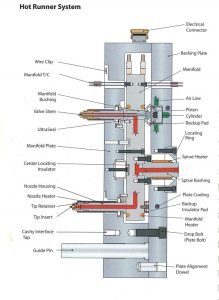
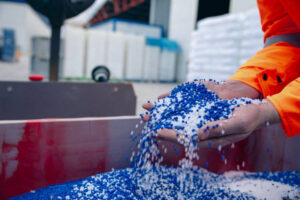
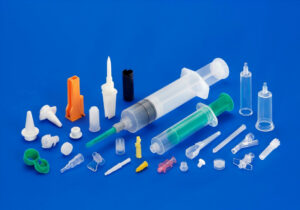
Injection molding is a manufacturing process where molten plastic is injected into a mold to form a part. The plastic cools and hardens inside the mold, taking its shape. This method is often used for mass production of plastic parts, particularly when high volumes are required.
Benefits of Injection Molding
Injection molding is ideal for high-volume production because once the mold is created, it can produce thousands, if not millions, of identical parts quickly. The process is highly automated and can result in very consistent part quality. Injection molds are versatile and can be used to produce a wide range of parts with different geometries.
Limitations of Injection Molding
However, injection molding does come with significant upfront costs, particularly for the mold itself. Creating the mold can be time-consuming and expensive, making injection molding less viable for smaller production runs. Additionally, the design flexibility of injection molding is limited once the mold is created; changes to the part design may require new molds, which can be costly.
What is 3D Printing?
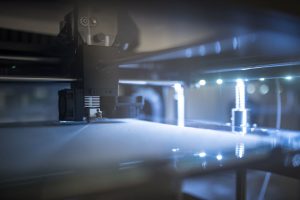
3D printing, also known as additive manufacturing, is a process where a material is deposited layer by layer to build up a three-dimensional object. Unlike injection molding, 3D printing does not require a mold. It is used for producing both functional parts and prototypes.
Pros of 3D Printing
3D printing offers unparalleled design flexibility. Because no mold is required, complex geometries can be created easily, and design changes can be made on the fly. It also has a much lower startup cost than injection molding, making it ideal for small production runs, rapid prototyping, and custom parts.
Cons of 3D Printing
While the flexibility of 3D printing is an advantage, it can also be a limitation in terms of production speed and material options. 3D printing is generally slower than injection molding, and the surface finish and material properties may not match the high standards that injection molded parts can achieve.
How Do Injection Molding and 3D Printing Compare?
When comparing injection molding and 3D printing, several key differences emerge. Injection molding is typically more suitable for high-volume production, while 3D printing excels in low-volume or custom projects.
The choice between the two often depends on the specific requirements of the project, such as production volume, design complexity, and material needs.
For instance, if you need to produce thousands of identical parts, injection molding is likely the more cost-effective option. However, if you’re developing a prototype or require a unique design, 3D printing may be the better choice due to its flexibility and speed.
Cost Comparison: Injection Molding vs 3D Printing
Initial Costs vs Long-Term Costs
The initial cost of 3D printing is much lower than injection molding, which requires expensive tooling and mold creation. However, for large production runs, injection molding becomes more cost-effective. This is because the per-part cost decreases significantly as the volume increases, making it a better choice for high-volume production.
Cost Breakdown for Small vs Large Runs
For small runs (under 1000 parts), 3D printing is generally the more economical choice. Once production exceeds 1000 parts, injection molding typically becomes more cost-efficient. This cost analysis will depend heavily on the complexity of the part and the required material properties.
Cost Compare Table
| Cost Factor | Injection Molding | 3D Printing |
|---|---|---|
| Initial Setup Cost | High (mold creation) | Low (no mold needed) |
| Cost per Part | Low (high volume) | Moderate (low volume) |
| Material Costs | Varies by plastic type | Varies by material type |
| Production Speed | Fast (once mold is ready) | Slower (layering process) |

Design Flexibility: Injection Molding or 3D Printing?
Design flexibility is another critical consideration when choosing between injection molding and 3D printing.
Injection molding requires precise mold designs, which can limit the complexity of the parts produced. While it can create intricate shapes, any changes to the design may necessitate a new mold, leading to additional costs and time delays.
On the other hand, 3D printing offers unparalleled design freedom. Designers can create complex geometries and intricate details without the constraints of traditional manufacturing methods. This flexibility allows for rapid prototyping and iterative design processes, making it easier to refine products before mass production.
Which Is More Suitable for Prototyping: 3D Printing or Injection Molding?
Speed and Cost for Prototypes
3D printing is far faster and more affordable for prototyping than injection molding. With 3D printing, you can create prototypes in a matter of hours, making it ideal for quick iteration and testing. Injection molding requires mold creation, which can take weeks, and is far more expensive for prototyping.
Accuracy and Material Properties
However, the material properties and accuracy of injection-molded parts are generally superior. If your prototype needs to closely resemble the final production part in terms of performance or appearance, injection molding may be a better choice. But for quick, conceptual testing, 3D printing is more efficient.
Injection Molding vs 3d Printing For Production Speed: Which Method is Faster?
When it comes to production speed, injection molding generally outpaces 3D printing, especially for large production runs. Once the mold is created, injection molding can produce parts in seconds, allowing for high-volume manufacturing. This efficiency makes it the preferred choice for industries that require large quantities of identical parts.
Conversely, 3D printing can be slower, as it builds parts layer by layer. While it is excellent for rapid prototyping and small batches, the time required for printing can be a drawback for large-scale production. However, advancements in 3D printing technology are continually improving speed and efficiency.
Injection Molding vs 3D Printing: Material Options
Available Materials for Each Method
Injection molding offers a wider variety of materials, from standard plastics like polyethylene and polypropylene to more specialized materials such as metal-filled polymers. 3D printing is primarily limited to certain thermoplastics and resins. However, 3D printing technology is improving, and more materials are becoming available, including metal and composite filaments.
Performance Characteristics of Different Plastics
Injection molding parts tend to have superior mechanical properties and can withstand higher temperatures and stress. 3D printed parts, while sufficient for many applications, may not have the same level of durability or strength depending on the material used.
Quality and Precision: Injection Molding vs 3D Printing
Quality and precision are vital factors in manufacturing.
Injection molding is known for producing high-quality parts with tight tolerances, making it suitable for applications that require precision, such as automotive and aerospace components. The consistency of the parts produced is a significant advantage of this method.
3D printing, while improving in quality, may not always match the precision of injection molding. The layer-by-layer process can lead to slight variations in dimensions, which may be acceptable for prototypes but not for final products. However, advancements in 3D printing technology are closing this gap, allowing for higher precision in printed parts.
Environmental Impact and Future Trends : Injection Molding vs 3D Printing
Sustainability Concerns for Each Process
Injection molding can generate a significant amount of waste due to the excess plastic and energy used in the process. 3D printing, on the other hand, is more efficient with materials, as it only uses the plastic required to form the part. However, 3D printed parts can be less durable, leading to more waste in the long run if they need to be replaced frequently.
Waste Generation and Recycling Options
Both methods have environmental impacts, but 3D printing can offer better opportunities for recycling, as excess material is often reusable. Injection molding can generate plastic scrap, which can be recycled, but the overall waste from large-scale production can be significant.
The future of manufacturing is bright for both injection molding and 3D printing. Innovations in materials, processes, and technologies are continually evolving. For injection molding, advancements in automation and smart manufacturing are enhancing efficiency and reducing costs.
In the realm of 3D printing, developments in multi-material printing, faster printing speeds, and improved material properties are expanding its applications. As industries seek more sustainable and efficient manufacturing solutions, both methods will play crucial roles in shaping the future of production.
FAQs
What are the main differences between injection molding and 3D printing?
Injection molding is a high-volume production process that requires a mold, while 3D printing builds parts layer by layer without a mold. Injection molding is cost-effective for large runs, while 3D printing is ideal for prototyping or small batches.
Which is more cost-effective, injection molding or 3D printing?
3D printing is more cost-effective for low-volume production and prototyping. Injection molding becomes more cost-efficient for large-scale production due to lower per-part costs.
Can I use 3D printing for mass production?
While 3D printing can be used for small to medium production runs, it is not as efficient or cost-effective as injection molding for high-volume production.
When should I switch from 3D printing to injection molding?
You should consider switching when production volumes exceed a certain threshold, usually around 1000-2000 parts, at which point injection molding becomes more cost-effective.
Can I use the same materials for both injection molding and 3D printing?
While there is some overlap, injection molding primarily uses thermoplastics, while 3D printing can utilize a wider range of materials
Comments
Latest Posts
Related Blogs
Senyo’s blog is focused on sharing our extensive knowledge of prototype manufacturing. Through our articles, we aim to support you in refining your product design and navigating the complexities of rapid prototyping more effectively.