
Injection Molding Tools
The design and production precision of injection molding tools are key factors for products, and reliable molds are the key to producing high-quality products.
- Free DFM Report For Design Review
- Cost-effective and Fast Delivery Time
- Outstanding Mold Quality
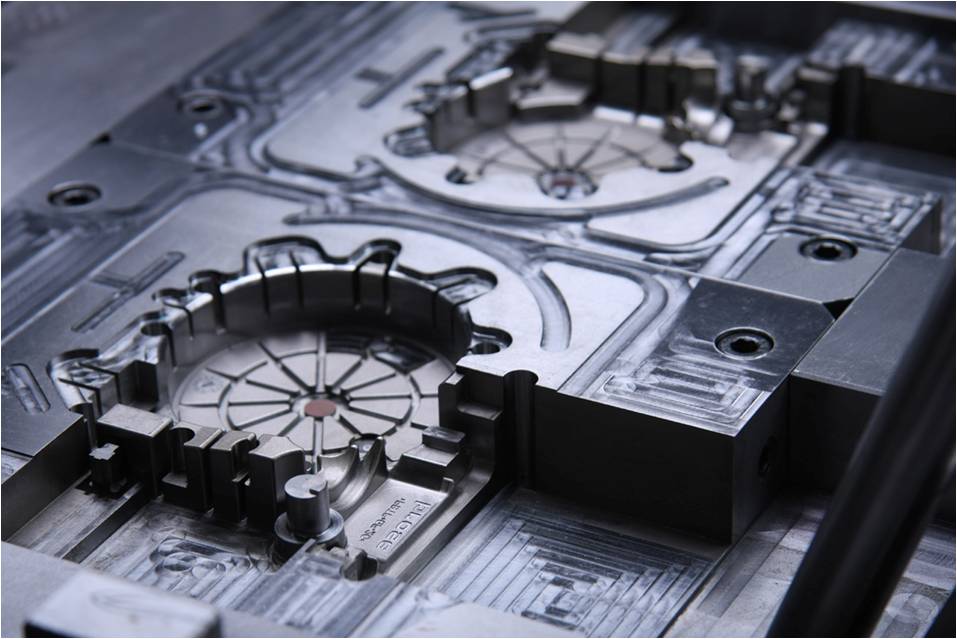
Build Injection Molding Tools With Passion
The design and manufacturing of injection molding tools require a high level of precision and technical proficiency. This is because plastic products formed by injection molding tools must meet precise size and shape requirements and must have high-quality surface and dimensional accuracy.
Our diversity ensures that we can provide not only prototype molds but also production molds. Based on your requirements, we will choose the best solution to improve production efficiency and ensure that your products can be launched faster. Are you ready to join SENYO to start the project?
Types of Plastic Injection Molding Tools
You can always find the solution from SENYO from the various mold types, no matter from prototypes to productions, SENYO is your good partner. Below is the basic information for mold types
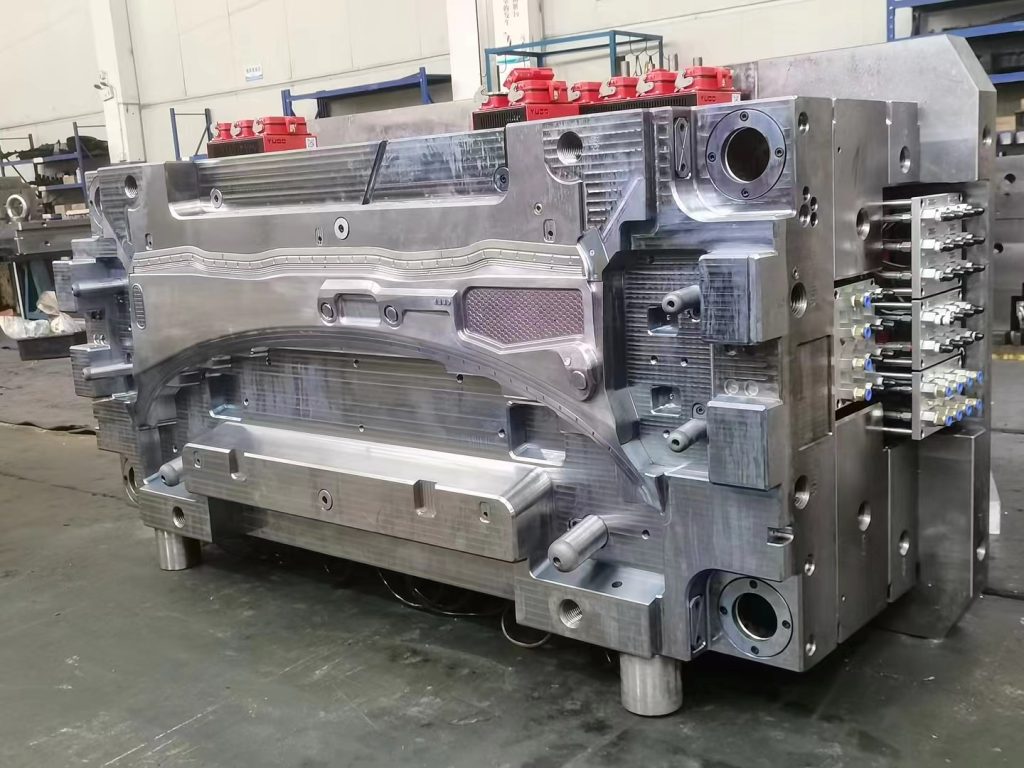
By Injection Process:
Single Injection: Most of injection molding tools are single injection, and injection molding has a short production cycle and high productivity. Using injection molding tools can produce plastic parts with complex shapes, high size requirements, and various inserts, which is difficult to achieve by other plastic molding methods.
Bi Injection/2 shot injection molding: Generally used for multifunctional plastic parts to reduce secondary processing, it should be noted that two color injection molding requires dedicated injection machines.
By Material:
Aluminum Mold: Normally for rapid solution and low-volume products
Steel Mold: For production mold with different quality steel.
By Runner System:
Cold Runner Mold: Mold design simple, suitable for low cavity mold and some plastics not suitable for cold runner.
Hot Runner Mold: The most obvious difference compared to the cold runner is that the hot runner has no waste material and has a high ROI(return on investment), which is more specific in multi-cavity injection molding tools.
By Structure:
Single Face Mold: Single face mold is the most common mold, and according to different product design requirements, there are two plate molds, three plate molds, family molds, and so on.
Stack Mold is used for high-volume products or limited injection molding machines.
Injection Molding Tools Process At SENYORAPID
Upload Your File to Have a Quote
After receiving your drawing file, we will provide your instant qutoation in 24H
DFM or Mold Flow Analysis
When encountering products that require repeated confirmation or have functional doubts, we will provide a DFM analysis report to avoid discovering problems during the production process and rework. For some products, we will assist with mold flow analysis, and through software analysis, we can have a clear understanding of plastic flow and make design adjustments.
Design Approval and Molding Production
After confirming your specific requirements, selecting appropriate mold materials and surface treatments, we will begin manufacturing molds and corresponding products
On Time Delivery With QC Inspection Report
Under strict QC inspection, we usually conduct multiple tests on appearance, function, and size. Before shipment, we will provide customers with a strict inspection report for re inspection and shipment.
Low Volume or Mass Production
With receiving your T1 samples approval and your request for production we will proceed to low volume or mass production as quickly as possible to ensure the on time delivery.
T1 Sample Validation
T1 samples will send to you for validation to ensure quality before mass production
Injection Molding Tools Capabilities
| Mold Class | Level | Mold Life | Mold Material | Cost and Applications | |
|---|---|---|---|---|---|
| Class 101 | Very High | over 1 Million Shots | Mold steel with HRC30 and inserts with HRC48 with certain surface finishing | Quite high and suitable for tight tolerance and fast cycle time | |
| Class 102 | Medium to High | 500K to 1 million shots | Mold steel with HRC30 and inserts with HRC48 | Medium to high volume products with tight tolerance | |
| Class 103 | Medium | 500K shots | Mold steel with certain hardness | From low to medium volume products | |
| Class 104 | Low | 100K shots | Soft steel or aluminum | Quite low and suitable for prototypes and low volume products | |
| Class 105 | Quite Low | Less than 100K shots | Epoxy resin or other materials that can provide sufficient strength | Very low and suitable for prototypes |
Materials For Injection Molding Tools
The material of injection molding tools to some extent determines the service life of the molds, and choosing different mold materials according to different mold requirements is a wise choice. SENYO selects the most suitable steel for customers based on our experience. Please let us know your requirements.
Steel and Stainless Steel Injection Molds
Before producing the mold, we need to first select the materials. Common steel is suitable for prototype testing or small batch production, while stainless steel is generally chosen to ensure the lifespan of the mold for large-scale production. The common mold steels are as follows:
Steel: 45#, P20,718,H13, NAK80…
Stainless Steel: S136,1.2316,1.2343,1.2344,1.2083…
Aluminum injection molds
Aluminum injection molds have lower costs compared to steel molds, do not require heat treatment or other processes, and have shorter delivery times, making them particularly suitable for hand boards and low production products.
The commonly used aluminum materials:5052,7075,6061…
Surface Finishing For Plastic Injection Molding Tooling

We can offer SPI polishing standards, from A-1, A-2, and A-3 to D-1, D-2, D-3.
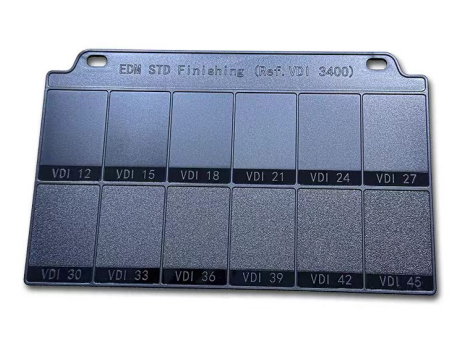
We can offer VDI 3400 surface finishing, listing some types for your reference above.
FAQs For Plastic Injection Molding Tools
What is the tool for plastic injection?
Tool for plastic injection we also call it mold, which is the cornerstone of modern industrial production, which can significantly improve the processing accuracy and production efficiency of products, reduce production costs, and improve product quality. Molds are widely used in multiple industries such as machinery, electronics, automobiles, and household appliances.
What is the difference between soft tooling and hard tooling injection molding?
The materials used for making soft and hard molds are different. Soft molds generally refer to the production of flexible materials such as rubber, while hard molds are made using materials such as steel and aluminum. Due to high wear and tear, the lifespan of soft molds is usually only a few dozen times, while the lifespan of hard molds, especially after heat treatment, can reach 500K or even over 5M shots.
What are common problems with injection molding of plastic parts?
- Product deviation
- Materials not fulfilled
- The product has bubbles
- Mold sticking
- The product has burrs
- The product has flow marks
- Product scratches
- Surface dents on the product
What are the typical tolerances for injection molded parts?
The tolerance of a product cannot be generalized, and all dimensions of a product cannot use a single tolerance. Generally speaking, the size of the fit or the size that ensures functionality are considered critical dimensions and need to be particularly within the tight tolerance range.