
CNC Milling Service
CNC milling service for various metal and plastic materials. From milling prototypes to volume CNC milling parts in a cost-effective way.
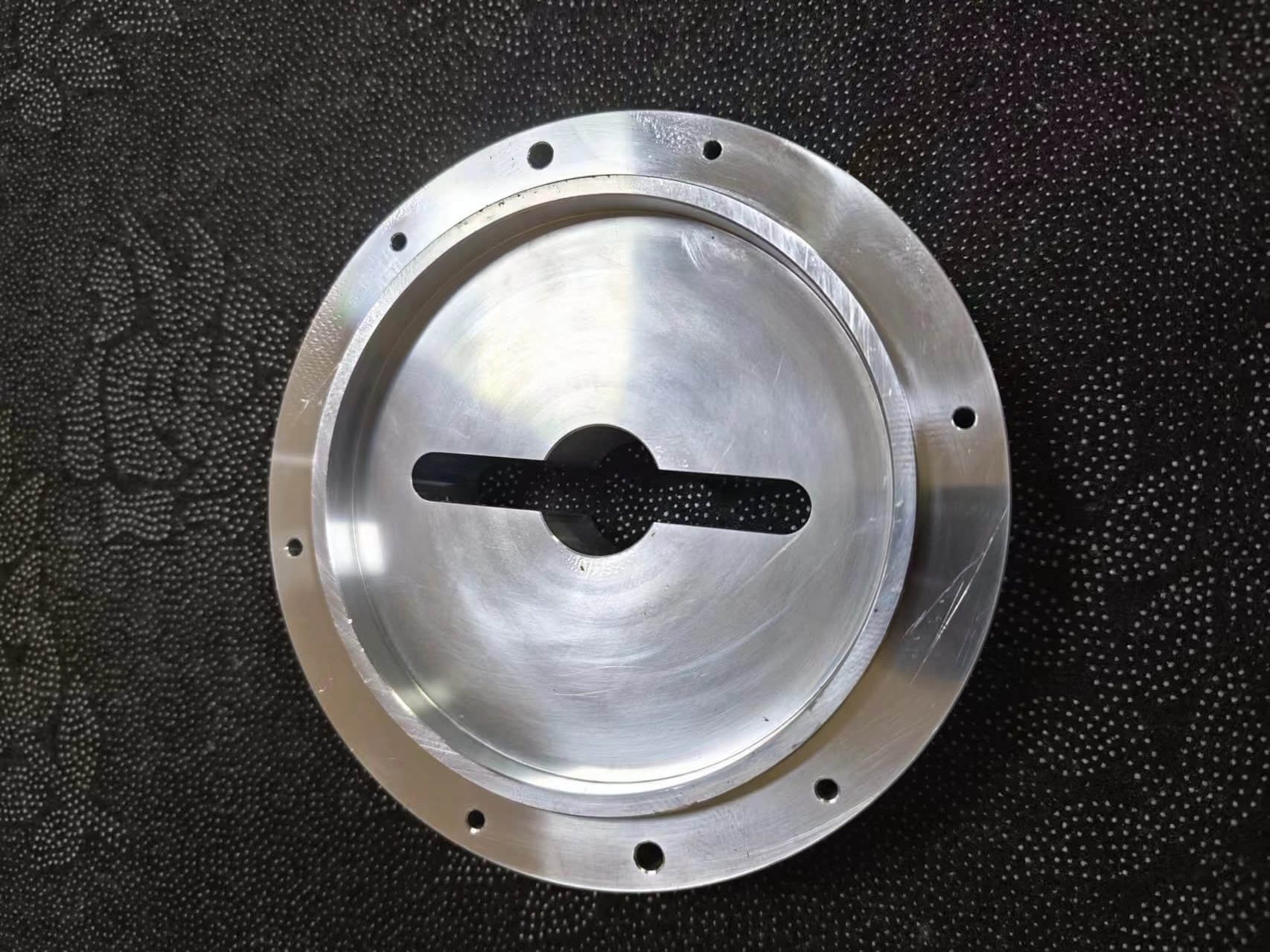
Applications of CNC Milling Service

Tooling
Milling machines can perform high-precision cutting of metal materials and customize processing for different shapes and sizes of molds, greatly improving the processing efficiency and accuracy of molds, and improving product quality and production efficiency.

Prototypes
When you need to quickly obtain high-quality parts or multiple components, CNC machining is the best choice for rapid prototyping manufacturing for cost effeciency.

Finished Parts
Multiple material selection, tolerance precise to “μm” and mass production capability, helps many industries to produce precision parts.
Advantages of CNC Milling Service
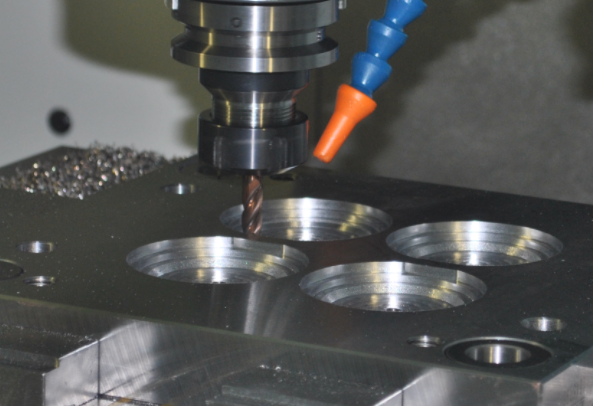
High Efficiency
CNC machine can continuous running in 24/7 , can complete a large amount of material processing in a relatively short time, especially suitable for curved parts processing and small batch production.
High Precision Tolerance
Senyo can hold a machining tolerance of +/- 0.005 mm for critical dimension, ensure our products meet the highest quality standard.
Variety Of Industries
CNC Milling Service processes widely used in various industries, widely used in aerospace, automotive, medical, electronics and other industries
Variety of Materials
Widely applicable, suitable for 30+ metals and plastics,various shapes of components can also be manufactured to meet different needs.
CNC Milling Service Tolerance
Adhering to these principles can alleviate many potential challenges, thereby avoiding costly errors and product defects.
CNC Milling Tolerance:
The general milling machine accuracy is around 0.01mm, and the precision milling machine accuracy can reach 0.005mm. The factors that affect the machining accuracy of milling machines include the accuracy of the equipment itself, the selection of processing technology and cutting tools, and the skill level of operators.
Surface Finishing Standard: the machining accuracy of milling can generally reach IT8~IT7, and the surface roughness is 6.3~1.6 μ M.
- The machining accuracy during rough milling is IT11~IT13, and the surface roughness is 5-20 μ M.
- The machining accuracy during semi precision milling is IT8~IT11, and the surface roughness is 2.5~10 μ M.
- The machining accuracy during precision milling is IT16~IT8, and the surface roughness is 0.63~5 μ M.
Custom CNC Milling Materials
SENYO has production experience in over 30 production-grade plastics and metal parts, suitable for various component applications and industries
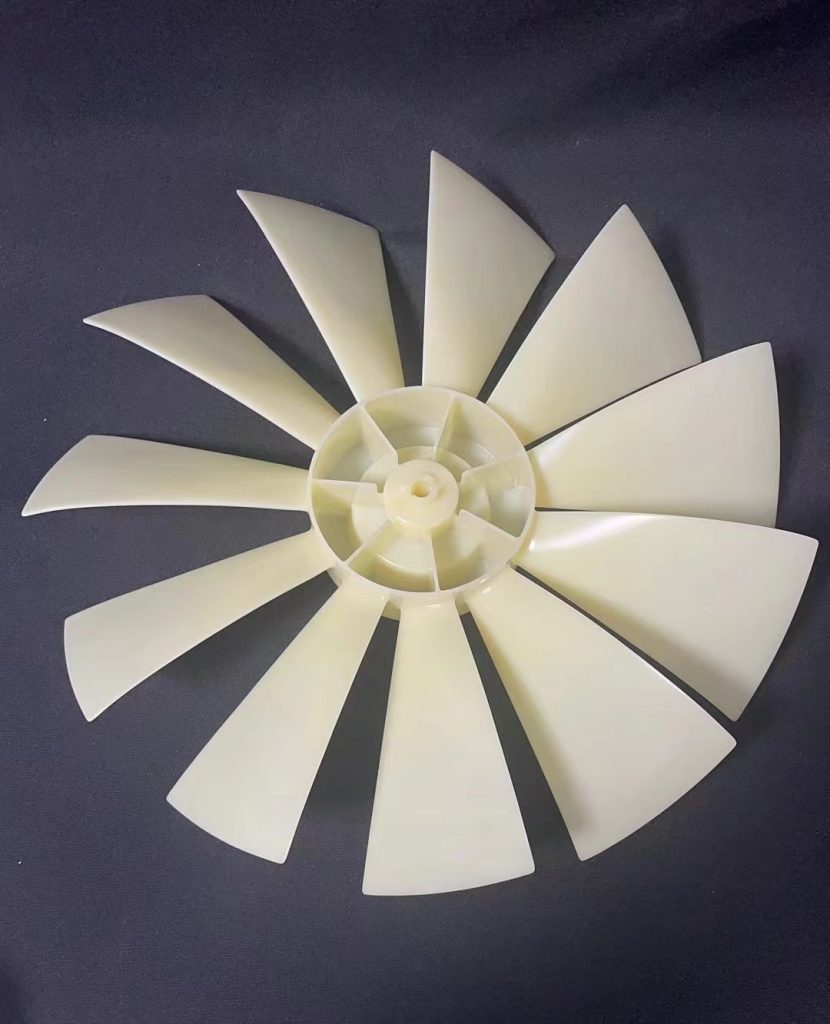
Plastic
- ABS
- PMMA(Acrylic)
- Delrin (Acetal)
- Garolite
- HDPE
- PC Nylon(+GF30)
- PVC
- PEEK
- PP
- PTFE
- PEI(Ultem)
- Teflon
- PS
- PSU
- POM
- …
Metals
- Aluminum
- Steel
- Stainless Steel
- Brass
- Copper
- Bronze
- Magnesium Alloy
- Titanium Alloy
- Zinc Alloy
What is CNC Milling Service:
CNC Milling service refers to the process of using a milling machine for machining. A milling machine is a type of machine tool used to cut metal, plastic or other composite materials. It performs cutting operations by rotating cutting tools, and selecting tools of different shapes and sizes to manufacture parts of different shapes and sizes.
Features of CNC Milling Service:
- Mainly based on the rotational motion of the milling cutter, convenient for adjusting the machining position, suitable for processing flat and complex-shaped composite workpieces.
- Using multi-blade cutting tools for machining, gear change cutting, good tool cooling effect, and long tool life
- Milling processing is suitable for processing various materials, such as metals, plastics, composite materials, etc.
- It occupies a very important position in the parts manufacturing and mold manufacturing industry.
Get High Quality CNC Milling Service Parts
What is CNC Milling Service?
Types of CNC Mills
3-Axis CNC Machine
The main technical feature of a three-axis machining center lies in its three linear motion axes: X, Y, and Z.
This type of machining center usually has two types: vertical and horizontal.
The spindle of a vertical machining center is perpendicular to the workbench, suitable for processing small and lighter workpieces; The spindle of the horizontal machining center is parallel to the workbench, making it suitable for processing large and heavy workpieces.
The functions of three-axis machining centers mainly include milling, drilling, boring, etc., which are suitable for processing various complex shapes.
4-Axis CNC Machine
A four axis machining center adds a rotation axis on top of the three axes, usually the A or B axis.
The A-axis is the axis that rotates around the X-axis, and the B-axis is the axis that rotates around the Y-axis. The rotation axis of a four axis machining center can increase the machining angle of the workpiece, improve machining accuracy and efficiency.
A four axis machining center adds a rotation axis on top of the three axes, usually the A or B axis.
The A-axis is the axis that rotates around the X-axis, and the B-axis is the axis that rotates around the Y-axis. The rotation axis of a four axis machining center can increase the machining angle of the workpiece, improve machining accuracy and efficiency.
5-Axis CNC Machine
A five axis machining center adds an inclined axis on top of the four axes, usually the C-axis or inclined A-axis.
This inclined axis can maintain the optimal cutting angle of the tool during the machining process, thereby achieving high-precision machining of spatial curves and surfaces.
The five axis machining center has more powerful functions and can complete various difficult and complex machining tasks, such as machining complex curved parts such as impellers and blades.