Multi Jet Fusion 3D Printing: The Ultimate Guide to MJF vs SLS and HP Technology
Table of Contents
Conclusion
Are you a product developer looking for a cutting-edge 3d print solution that delivers speed, precision, and versatility? This comprehensive guide delves into the world of multi jet fusion (mjf) 3d printing, exploring its advantages, comparing it to other 3d printing technologies like selective laser sintering (sls), and showcasing the power of hp technology.
Multi jet fusion (mjf) 3d printing offers a compelling solution for product developers seeking speed, precision, and material versatility. The printing process is a powerful additive manufacturing technology, and it can be used with fusion 3d printing materials. By understanding the technology, comparing it to alternatives such as sl, and considering design and post-processing options, you can leverage mjf to create innovative products and gain a competitive edge.
Here are some key takeaways to remember:
- MJF 3d printing is a fast and accurate 3d printing process.
- Hp leads the way in mjf 3d printing technology.
- Compared to sls, mjf offers greater speed and more consistent material properties.
- MJF is versatile and works with a variety of 3d printing materials.
- Consider your needs and objectives and use hp hp multi jet fusion 3d.
- You can compare sls and mjf and consider the mjf vs sls.
Ready to explore the possibilities of mjf 3d printing for your next project? Get an instant quote today. Contact Senyorapid to discuss your project requirements. Let us help you unlock the full potential of this innovative 3d printing process. With mjf technology, you can benefit from fusion technology and discover the hp digital manufacturing network.
What is 3D Printing and Multi Jet Fusion (MJF) 3D Printing?
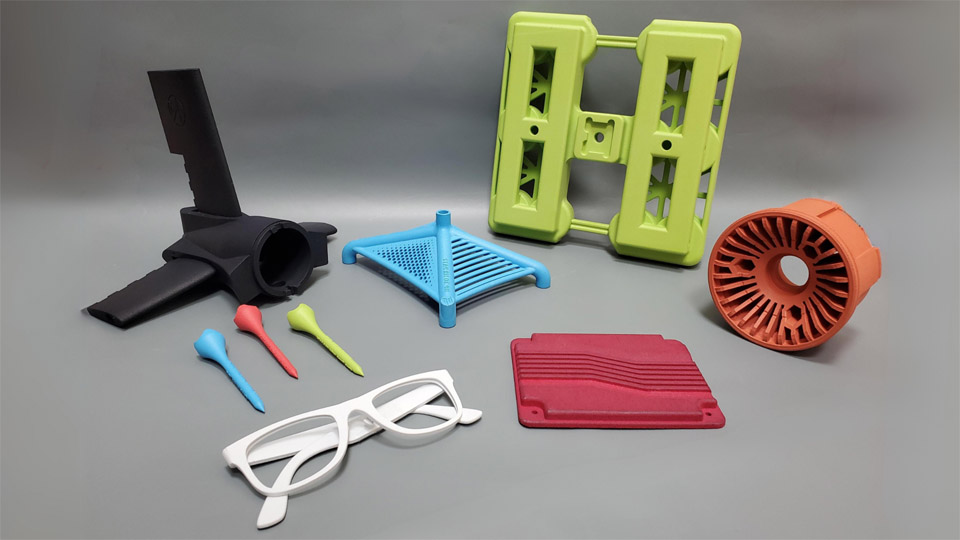
3d printing, also known as additive manufacturing, is a revolutionary process that builds three-dimensional objects layer by layer from a digital design. It’s transforming how product developers create prototypes and produce end-use parts. In the realm of 3d printing technologies, multi jet fusion (mjf) 3d printing stands out as a high-performance method.
Multi jet fusion is a powder bed fusion process, offering a combination of speed, accuracy, and material versatility. It is often the go-to choice for businesses seeking 3d printing service. HP has developed the innovative jet fusion 3d technology. MJF 3d printing is often used for functional mjf part.
How Does Multi Jet Fusion (MJF) 3D Printing Work?
The printing process for multi jet fusion (mjf) involves several key steps:
- Powder Bed: A thin layer of powder material (typically nylon) is spread across the build platform.
- Fusing Agent Deposition: A fusing agent is selectively printed onto the powder bed where the part is to be created.
- Detailing Agent Deposition: A detailing agent is applied to the edges of the part to improve edge definition and accuracy.
- Fusion: The material is fused, with the fuse reacting to the agent. Heat is applied to fuse the powder. The process repeats, adding layer upon layer to build the object.
- Cooling: The build chamber is cooled down.
- Part Removal: The 3d printed parts are extracted from the powder bed.
This printing process allows for fast, efficient production of complex geometries. It also produces high-quality 3d printed parts.
What are the Key Advantages of Using Multi Jet Fusion (MJF) 3D Printing?
Multi jet fusion offers many advantages over traditional manufacturing methods and even other 3d printing technologies. Here are some of the main benefits:
- Speed: MJF is significantly faster than sls in producing 3d printed parts, which means that you can create a design faster!
- Accuracy and Detail: MJF produces parts with fine details and excellent dimensional accuracy.
- Material Properties: Parts exhibit isotropic mechanical properties, which means that their strength and other properties are consistent in all directions.
- Versatility: MJF is compatible with a range of materials, including nylon and other polymers, with a variety of material properties.
- Cost-Effectiveness: MJF is often more cost-effective than other printing process for large production runs.
- Repeatability: The process repeats and produces consistent results, which can be helpful when manufacturing a mjf part.
What Materials are Commonly Used in Multi Jet Fusion (MJF) 3D Printing?
Multi jet fusion works with various 3d printing materials, making it suitable for a wide range of applications. Some common materials used in the multi jet fusion process include:
- Nylon 12 (PA 12): This is the most common material and offers a good balance of strength, flexibility, and chemical resistance. You can find printed with mjf in a lot of places!
- Nylon 11 (PA 11): This is a bio-based nylon material, known for its ductility and toughness.
- Glass-Filled Nylon: Offers increased strength and stiffness.
- Polypropylene: Offers flexibility and chemical resistance.
The fusion 3d printing materials are selected based on the required mechanical properties and the intended application of the printed part. Fusion 3d printing technology and multi jet fusion printing technology can both use these fusion 3d printing materials.
How Does MJF Compare to Selective Laser Sintering (SLS) 3D Printing?
Selective laser sintering (sls) is another powder bed fusion technology. It’s important to compare sls and mjf to determine which is the best option for your needs. They have some key differences:
- Printing Technology: SLS uses a laser to fuse powdered materials, while mjf uses a fusing agent and energy to create parts.
- Print Speed: MJF is generally faster than sls, especially for high-volume production.
- Material Properties: Parts printed with mjf often have more consistent mechanical properties than sls parts.
- Surface Finish: MJF typically produces a smoother surface finish than sls
- Cost: MJF printers are generally more efficient, which can make it more cost-effective for certain applications.
For example, if you compare sls and mjf 3d printing technology, you can also determine which one is right for you! SLS and MJF and sls and mjf 3d printing are good options.
What are the Differences Between SLS and MJF?
The differences between mjf and sls are significant when choosing a 3d printing service. Let’s examine some key points:
| Feature | Multi Jet Fusion (MJF) | Selective Laser Sintering (SLS) |
|---|---|---|
| Printing Process | Fusing agent and heat applied to powder | Laser selectively fuses powder |
| Speed | Faster, especially for high volumes | Slower |
| Surface Finish | Smoother | Rougher |
| Material Properties | Isotropic, consistent | Anisotropic, can vary |
| Material Options | Wider range, including PA12, PA11, PP | Limited, typically nylon-based |
| Cost | Potentially lower for larger production runs | Potentially higher for certain applications |
| 3d printing process that produces | printing process that produces functional | printing process that produces functional |
Understanding the differences between mjf and sls allows you to compare sls and mjf, and make informed decisions about what technology to use for 3d printing.
What are the Key Applications of MJF Technology Across Industries?
Multi jet fusion finds applications in various industries. Let’s look at what 3d printing technologies use fusion technology. Here are some of the key areas where mjf excels:
- Manufacturing: MjF printers are generally used to create jigs and fixtures.
- Automotive: Prototyping and production of interior components, air ducts, and other parts. Jet fusion 3d printing technology and the multi jet fusion printing technology is often used in automotive.
- Consumer Products: Production of custom goods, sporting equipment, and other consumer items.
- Healthcare: Production of medical devices, prosthetics, and surgical tools. Mjf technology can often be used in healthcare.
- Aerospace: HP offers solutions for aerospace and their hp mjf 3d can be extremely helpful.
The versatility of mjf technology and industrial 3d printing make it a great choice.
What are the Design Considerations for MJF 3D Printing?
Designing parts for multi jet fusion requires taking into account some specific considerations:
- Wall Thickness: A minimum wall thickness is required to ensure part strength.
- Holes and Features: Smaller holes and features may require support structures.
- Orientation: The part’s orientation during the printing process can affect its surface finish and mechanical properties.
- Texturing: Hp and hp offers a variety of surface finishes, which need to be specified in your design.
- Surface Finish: Parts printed with mjf often have a smooth finish.
Understanding these design guidelines will help you maximize the benefits of the mjf process.
What Post-Processing Options are Available for MJF 3D Printed Parts?
Post-processing can significantly improve the appearance, performance, and functionality of mjf parts.
Common post-processing options include:
- Bead Blasting: Removes residual powder and improves the surface finish.
- Dyeing: Allows parts to be colored in a range of colors.
- Surface Finishing: Includes sanding, polishing, and coating to improve aesthetics and performance.
- Vapor Smoothing: Can be applied to achieve a smoother, more uniform surface.
- Annealing: Heat treatment to improve mechanical properties.
The right post-processing steps will depend on the application of the printed part and the desired outcome.
How to Choose the Best 3D Printing Service for MJF 3D Printing?
Choosing the right 3d printing service for mjf 3d printing is critical to ensuring project success. Consider these factors:
- Experience: Look for a service with experience with mjf 3d printing and hp multi jet fusion technology.
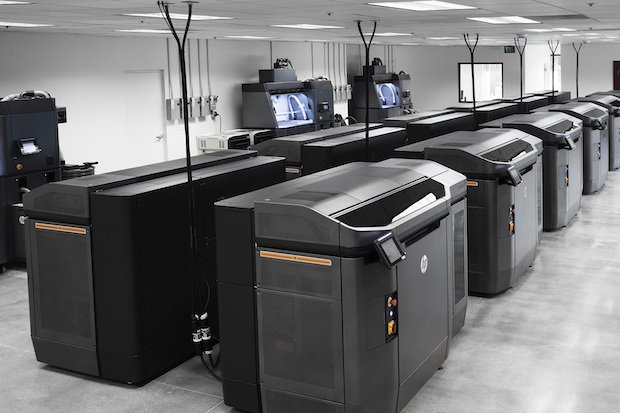
- Capabilities: Ensure that the service has the equipment and materials needed for your project. Hp 3d printers are great to have!
- Quality Control: Ask about their quality control processes to ensure part accuracy and consistency.
- Turnaround Time: Understand their lead times to meet your project deadlines.
- Cost: Obtain get an instant quote to compare pricing.
Finding a reliable and experienced 3d printing service will make a difference in the quality of the printed part.
FAQs
What is the best 3d printer for mjf 3d printing?
Hp is a leader in mjf 3d printers.
How does mjf compare to sls printing?
MjF is typically faster than sls, offering a smoother surface finish and more consistent mechanical properties.
What materials are available for mjf 3d printing?
The most common material is nylon 12 (PA 12), but other materials are also used.
What is the cost of the 3d printers?
The cost of the 3d printers varies widely depending on the size.
What is multi jet fusion 3d printing?
Multi jet fusion 3d printing combines an inkjet printing process to fuse powdered material layer by layer.
Comments
Latest Posts
Related Blogs
Senyo’s blog is focused on sharing our extensive knowledge of prototype manufacturing. Through our articles, we aim to support you in refining your product design and navigating the complexities of rapid prototyping more effectively.