Unleashing Innovation: 3D Printing and Rapid Prototyping
Table of Contents
Conclusion
3D printing is transforming the way we bring new products to life, especially with rapid prototyping. This technology allows designers and engineers to quickly create tangible models of their ideas, accelerating the product development process and fostering innovation.
Rapid prototyping is a crucial step in product development, allowing for quick testing and iteration.
3D printing revolutionizes rapid prototyping by offering speed, cost-effectiveness, and design flexibility.
FDM and SLA are two popular 3d printing technologies used for prototyping.
A wide variety of 3d printing materials are available, including plastics, resins, and metals.
Using 3d printing for rapid prototyping enables faster design cycles and helps bring products to market faster.
You can choose between investing in a 3D printer or outsourcing to rapid prototyping services.
The future of 3D printing in rapid prototyping is promising, with advancements in technology and materials expected to continue.
What is Rapid Prototyping and How Does 3D Printing Fit In?
Rapid prototyping refers to the quick creation of a physical model based on a digital design. The main goal is to enable quick iteration and testing of new designs without the time and expense of traditional manufacturing methods.
When paired with 3D printing, this process becomes even more streamlined. 3D printing for rapid prototyping uses additive manufacturing to build prototypes layer by layer, based on a computer-aided design (CAD). This allows for faster and more cost-effective production, as you only need a digital file to create the prototype — no tooling, molds, or machinery.
With rapid prototyping services, businesses can skip the lengthy process of model building and quickly test and modify prototypes to see how their designs work in real life.
How Does 3D Printing Revolutionize Rapid Prototyping?
Traditional prototyping methods, like machining or molding, can be slow, expensive, and inflexible. 3D printing, also known as additive manufacturing, completely changes the game. It works by building an object layer by layer from a digital 3D model. Imagine a robot that magically creates objects out of thin air! This makes the rapid prototyping process much faster, cheaper, and more versatile. You’ll get your prototype in hours, not weeks.
3D printing also unlocks the ability to create incredibly complex shapes and intricate designs that were previously impossible or very difficult to make. This opens up new possibilities for innovation, allowing designers to push the boundaries of what’s possible. 3D printing also enables rapid iteration, so you can use 3D printing to quickly test multiple design variations and find the optimal solution. This is the power of 3d printing.
What are the Main Types of 3D Printers Used for Prototyping?
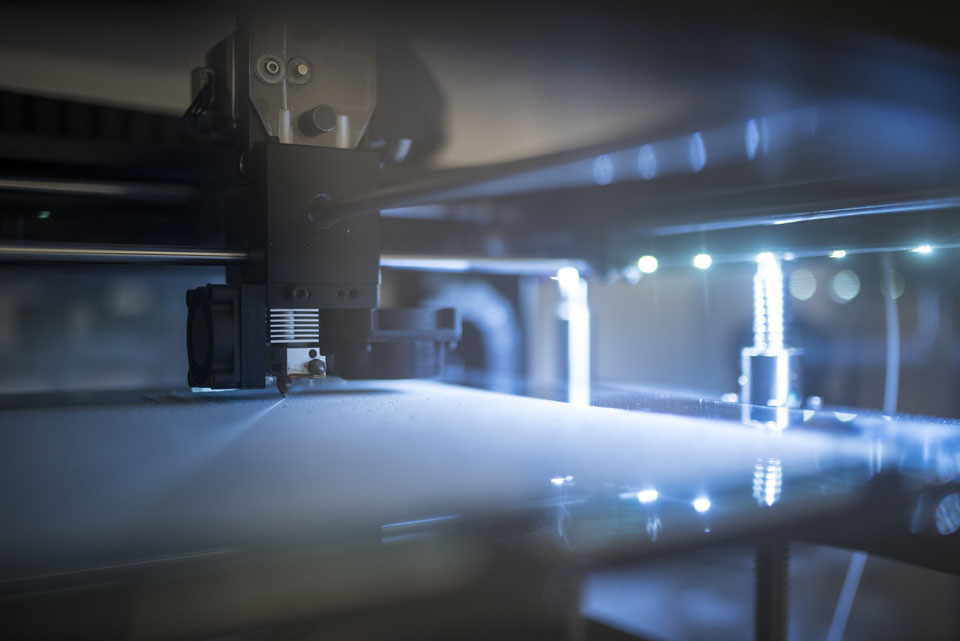
There are several popular 3d printing technologies, but two of the most common 3d printers for prototyping are Fused Deposition Modeling (FDM) and Stereolithography (SLA). FDM printers work by melting a plastic filament and extruding it through a nozzle, building the object layer by layer. They are like highly precise, robotic hot glue guns! FDM printers are generally affordable, easy to use, and a good choice if you are just getting started with rapid prototyping.
SLA printers, on the other hand, use a laser to cure a liquid resin, solidifying it layer by layer. This results in very detailed and accurate prints with smooth surfaces. SLA is a great option when you need high precision and a more polished look for your prototype. Choosing between FDM and SLA depends on your specific needs and the complexity of your design.
What Materials are Commonly Used for Rapid Prototyping with 3D Printing?
The choice of 3d printing materials is vast and continues to grow. For FDM printers, common materials for rapid prototyping include thermoplastics like PLA, ABS, and PETG. PLA is a biodegradable, eco-friendly option that’s easy to print, making it great for initial prototypes. ABS is stronger and more durable, suitable for functional testing. PETG combines strength and flexibility, offering a good balance.
SLA printers typically use liquid resins that can be formulated to have different properties, such as being flexible, rigid, or even heat-resistant. This versatility allows you to choose a material that closely matches the properties of your final product. The wide range of 3d printing materials is constantly expanding, offering even more options for creating realistic and functional prototypes. There are even metal options used for rapid prototyping.
What are the Key Advantages of Using 3D Printing for Rapid Prototyping?
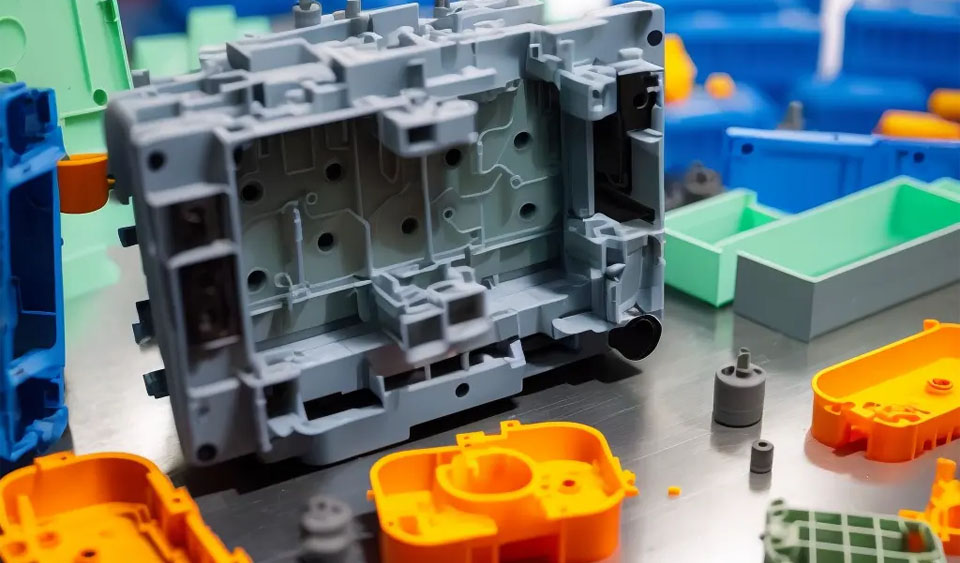
3d printing for rapid prototyping offers numerous advantages. The most significant is speed. You can get a 3d print of your prototype in a matter of hours, compared to weeks with traditional methods. This dramatically accelerates the product development cycle.
Secondly, 3D printing is often more cost-effective, especially for low-volume production runs. It eliminates the need for expensive tooling and reduces material waste. You only use the material you need. This makes it a great option for testing multiple designs without a large financial investment.
Thirdly, 3D printing offers unparalleled design flexibility. You can create complex geometries and intricate details that would be difficult or impossible to achieve with other manufacturing methods. This allows you to leverage 3d printing to innovate and create truly unique products.
Here’s a table summarizing the advantages:
| Advantage | Description |
| Speed | 3D printing significantly reduces the time it takes to create a prototype. |
| Cost | 3D printing is often more economical than traditional methods, especially for small batches. |
| Flexibility | 3D printing allows for complex designs and easy modifications. |
| Accessibility | 3D printing technology is becoming more accessible, making it easier for individuals and small businesses to utilize rapid prototyping. |
| Iteration | 3D printing facilitates rapid iteration, allowing designers to quickly test and refine multiple versions of a design before arriving at the final product. |
How Can I Get Started with 3D Printing for My Prototyping Needs?
Getting started with rapid prototyping using 3d printing is easier than you might think. If you’re considering printing prototypes in-house, the first step is to choose a 3d printer for rapid prototyping that suits your needs and budget. Consider factors like the size of the objects you want to print, the level of detail required, and the types of materials you want to use.
You’ll also need 3D modeling software to create or modify your designs. There are many user-friendly options available, including free and open-source programs. Once you have a design, you can send it to your printer and watch your prototype come to life!
Alternatively, you can utilize rapid prototyping services. These companies specialize in 3D printing and can handle the entire process for you, from design optimization to printing and finishing. This is a great option if you don’t have the time or resources to invest in your own 3D printer.
What Should I Look for in Rapid Prototyping Services?
When choosing from available rapid prototyping services, there are several factors to consider. First, look at the range of 3D printing and rapid prototyping technologies and materials they offer. Make sure they can handle the specific requirements of your project.
Secondly, consider their experience and expertise. Look for a company with a proven track record of delivering high-quality prototypes. Check out their portfolio and read customer reviews to get an idea of their capabilities.
Thirdly, evaluate their turnaround time and pricing. A good service provider should be able to deliver your rapid prototype quickly and at a competitive price. It’s also a good idea to inquire about their design support services. Some companies offer assistance with design optimization and file preparation, which can be very helpful, especially if you’re new to 3D printing.
Is it Better to Invest in a 3D Printer or Outsource to a Prototyping Service?
The decision of whether to invest in a 3d printer or use rapid prototyping services depends on your specific needs and resources. Printing prototypes in-house gives you more control over the process, faster turnaround times for iterations, and can be more cost-effective in the long run if you have a high volume of prototyping work.
However, owning a 3D printer requires an upfront investment, as well as ongoing costs for materials and maintenance. You’ll also need to invest time in learning how to operate the printer and design software.
Outsourcing to a prototyping service eliminates these burdens. You don’t have to worry about equipment, materials, or technical expertise. This can be a more convenient and cost-effective option if you have infrequent prototyping needs or require specialized printing technologies or materials that you don’t have access to in-house. This is a big difference between 3D printing in-house and outsourcing.
How Does 3D Printing Accelerate the Product Development Cycle?
3D printing significantly speeds up the product development cycle by enabling rapid iteration and faster testing. In the traditional rapid prototyping process, creating a new iteration of a prototype could take weeks. With 3D printing, you can have a new version in your hands within hours.
This allows you to quickly test different design variations, gather feedback, and make improvements much faster than before. The ability to rapidly iterate means you can identify and address design flaws early on, reducing the risk of costly mistakes and delays later in the process. This ultimately leads to a better final product and a shorter time to market. In a competitive landscape, the speed and agility that 3D printing provides can be a major advantage, helping you bring products to market faster.
What is the Future of 3D Printing in Rapid Prototyping?
The future of 3d printing in rapid prototyping is incredibly bright. We can expect to see even faster and more precise printers, a wider range of 3d printing materials with enhanced properties, and greater accessibility to the technology. Advancements in artificial intelligence and machine learning will likely lead to more automated and optimized printing processes.
The lines between prototyping and manufacturing are becoming increasingly blurred. 3D printing is not just for creating prototypes anymore; it’s also being used to produce end-use parts and products, particularly for customized or low-volume applications. The power of 3d printing is still developing, so we’re likely to see even more innovative uses for this transformative technology in the years to come.
FAQs
What is the main difference between 3d printing and traditional manufacturing?
Traditional manufacturing often involves subtractive processes (removing material), while 3D printing is an additive process (adding material layer by layer).
How much does it cost to use rapid prototyping services?
The cost varies depending on the complexity of the design, the materials used, and the printing technology, but it’s generally more affordable than traditional prototyping methods, especially for small batches.
Can 3d printing materials be used for final products?
Yes, some 3d printing materials are suitable for end-use parts, especially in industries like aerospace, medical, and custom manufacturing.
How do I choose between the 3d printers for prototyping?
Consider factors like print volume, resolution, material compatibility, and price when selecting a 3D printer for your prototyping needs.
Is it difficult to learn how to use a 3D printer?
Modern 3D printers are becoming increasingly user-friendly, and there are many online resources and tutorials available to help you get started.
Comments
Latest Posts
Related Blogs
Senyo’s blog is focused on sharing our extensive knowledge of prototype manufacturing. Through our articles, we aim to support you in refining your product design and navigating the complexities of rapid prototyping more effectively.