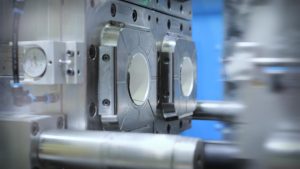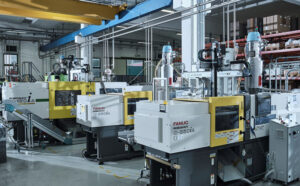
Automotive injection molding is a manufacturing technique where molten plastic is injected into a pre-designed mold cavity. The plastic is cooled and solidified, forming precise, durable parts used in various automotive applications. Injection molding is particularly favored in the automotive industry due to its ability to produce high volumes of parts with complex shapes and tight tolerances.
Metal Rapid Prototyping: Fast, Precise Solutions for Design
Table of Contents
Conclusion
Automotive injection molding is a manufacturing process used to produce various plastic parts for vehicles. This technique involves injecting molten plastic into a custom-designed injection mold, where it cools and solidifies into the desired shape.
The process is crucial in the automotive industry due to its ability to create complex geometries with high precision and repeatability.The importance of automotive injection molding cannot be overstated. It enables manufacturers to produce high-quality automotive parts efficiently, making it a preferred choice for mass production. From dashboard components to exterior panels, injection molding plays a vital role in ensuring the functionality and aesthetic appeal of vehicles.
- Automotive injection molding is essential for producing high-quality plastic parts in the automotive industry.
- The injection molding process involves material preparation, injection, cooling, and ejection.
- Key advantages include cost-effectiveness, design flexibility, and precision.
- A wide range of automotive parts are produced, including interior and exterior components.
- The choice of materials impacts performance and cost-effectiveness.
- Challenges in the process can be mitigated through quality control and collaboration.
- Future trends include advancements in materials, technology, and sustainability.
By understanding the intricacies of automotive injection molding, industry professionals can make informed decisions that enhance their production processes and product quality.
What is Automotive Injection Molding?
Definition and Basic Overview of the Process
Importance of Injection Molding in the Automotive Industry
In the automotive sector, injection molding allows manufacturers to create parts that are lightweight, durable, and cost-effective. This process has become integral in producing everything from cosmetic exterior trims to critical interior components. As vehicles become more complex, the ability to produce intricate, functional parts at scale becomes increasingly vital.
How Does Automotive Injection Molding Work?
Step-by-Step Process Explanation
The injection molding process begins by heating plastic pellets in an injection machine until they become molten. The molten plastic is then injected under high pressure into a mold, where it takes the shape of the cavity. Once the plastic cools and solidifies, the mold is opened, and the finished part is ejected. This process can be repeated continuously for high-volume production.
Key Components Involved in the Process
- Injection Machine: The machine responsible for heating, injecting, and cooling the plastic.
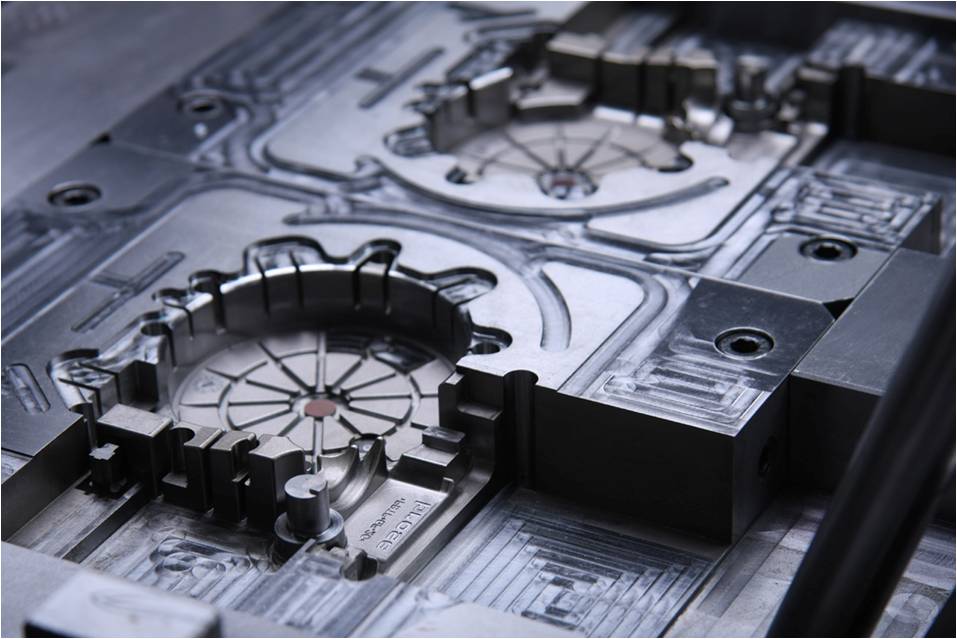
- Mold: A custom-designed tool that shapes the plastic into the desired part.
- Plastic Material: The polymer or plastic resin that is melted and molded to form the part.
- Cooling System: A crucial part of the process, cooling the plastic inside the mold to solidify it before ejection.
What Are the Advantages of Injection Molding in Automotive Production?
Injection moldingoffers several advantages that make it ideal for automotive production. One of the primary benefits is cost-effectiveness. Although the initial setup costs for creating molds can be high, the ability to produce large quantities of parts at a low cost per unit makes injection molding an economically viable option for automotive manufacturers.
Additionally, injection molding provides exceptional design flexibility. Engineers can create intricate designs with tight tolerances, ensuring that parts fit together seamlessly. This precision is particularly important in the automotive industry, where safety and performance are paramount.
Common Automotive Parts Made with Injection Molding
Examples of Auto Parts Made with Injection Molding
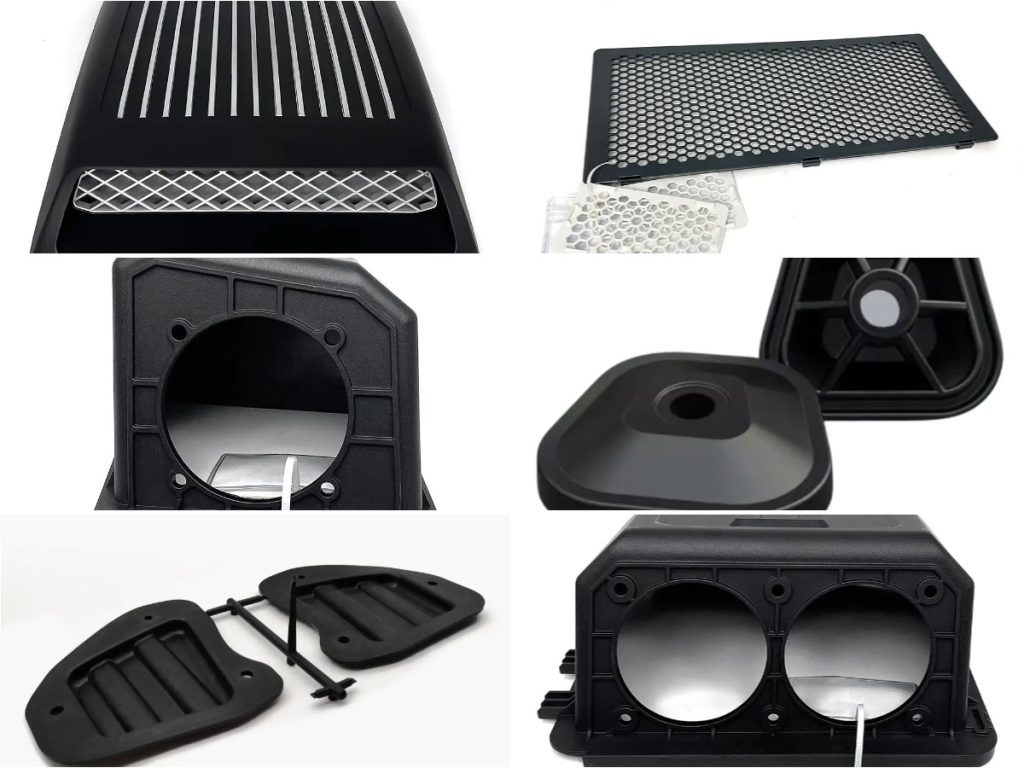
Injection molding is used to manufacture a wide variety of automotive parts, including:
- Exterior Parts: Bumpers, grilles, side mirrors, and lighting housings.
- Interior Components: Dashboard panels, center consoles, trim, and air vents.
- Functional Parts: Engine components, fuel tanks, and brackets.
Role of Injection Molded Parts in Vehicle Performance
Injection molded parts are not just about aesthetics—they also contribute significantly to vehicle performance. For instance, lightweight plastic components can reduce the overall weight of the vehicle, improving fuel efficiency. Moreover, molded parts can be designed for high strength, impact resistance, and durability, ensuring the vehicle’s safety and longevity.
What Materials Are Used in Automotive Injection Molding?
Types of Plastics and Polymers Used
Automotive injection molding uses a variety of materials, with the most common being thermoplastics such as:
- ABS (Acrylonitrile Butadiene Styrene): Known for its impact resistance and durability.
- Polycarbonate (PC): Used for transparent parts like headlight covers.
- Polypropylene (PP): Commonly used for interior components due to its chemical resistance.
- Nylon (PA): Ideal for engine components and high-temperature parts.
Considerations for Material Selection in Automotive Applications
The selection of injection molding material in the automotive industry depends on the specific application and required properties, such as strength, heat resistance, or flexibility. Additionally, materials must comply with automotive industry standards for safety, durability, and environmental regulations.
Automotive Injection Molding vs Other Manufacturing Techniques
Comparison with Die-Casting, Stamping, and 3D Printing
Injection molding offers several advantages over other manufacturing methods:
- Die-Casting: While die-casting is excellent for metals, injection molding works better for high-volume plastic parts.
- Stamping: Stamping is often used for sheet metal but doesn’t offer the same design flexibility or material options as injection molding.
- 3D Printing: Though 3D printing offers flexibility in prototyping, it’s not cost-effective for high-volume production like injection molding.
When to Choose Injection Molding Over Other Methods
Injection molding is the preferred method when large quantities of high-precision, complex plastic parts are needed. It’s ideal for parts that require consistent quality and durability at a low per-unit cost.
The Role of Injection Molding in Automotive Safety
How Molded Plastic Parts Contribute to Vehicle Safety
Injection molded parts are critical to automotive safety. For example, airbags, seatbelt buckles, and safety sensors are made from high-performance, molded plastic. These components help ensure that vehicles meet safety standards and protect passengers during accidents.
Examples of Safety-Critical Parts Made Using Injection Molding
- Bumpers: Molded plastic bumpers are designed to absorb impacts and protect both passengers and pedestrians.
- Interior Components: Parts like dashboard panels and console covers must be molded to meet specific impact resistance standards.
Injection Molding and Sustainability in the Automotive Industry
Environmental Benefits of Injection Molding
Injection molding is considered an environmentally friendly manufacturing process. It produces minimal waste since the plastic is precisely injected into the mold, and any excess can be recycled. Additionally, the use of lightweight plastics helps reduce the overall weight of vehicles, contributing to fuel efficiency and reduced emissions.
Reducing Waste and Improving Efficiency
Advances in material science and molding techniques have also led to improvements in energy efficiency and waste reduction. Many automotive manufacturers are now implementing closed-loop systems, where leftover plastic material is reused in future molding cycles, making the process even more sustainable.
Automotive Injection Molding Applications: Where Is It Used?
In-Depth Look at Different Automotive Applications
Injection molding is used in various automotive applications, from cosmetic trim to critical safety components. It is particularly prevalent in:
- Exterior Parts: Bumpers, grills, spoilers, and headlights.
- Interior Parts: Dashboards, door panels, consoles, and HVAC vents.
- Engine and Functional Components: Intake manifolds, fuel tanks, and brackets.
Injection Molding for Both Exterior and Interior Components
Injection molded plastic parts are used for both exterior and interior components, offering flexibility in design and performance. For example, exterior parts like bumpers and side mirrors must be impact-resistant and weatherproof, while interior parts like dashboards and trim components must be aesthetically pleasing and durable.
Future Trends in Automotive Injection Molding
Emerging Technologies and Innovations in the Process
The future of automotive injection molding is shaped by several key innovations:
- Smart Molding: The integration of sensors and IoT technologies into the molding process.
- 3D-Printed Molds: Hybrid manufacturing techniques, like 3D-printed molds, are becoming more common, speeding up the prototyping and production processes.
- Bio-Based Plastics: The use of renewable, eco-friendly materials is on the rise in response to increasing environmental concerns.
The Evolving Role of Automotive Injection Molding in Future Vehicles
As vehicles become smarter and more efficient, the role of injection molding will expand. With advancements in materials and molding techniques, manufacturers will be able to produce even more complex, lightweight, and environmentally friendly parts.
FAQs
What are the benefits of using injection molding for automotive parts?
Injection molding offers high precision, speed, and cost-effectiveness, making it ideal for producing large quantities of durable plastic parts in the automotive industry.
What materials are commonly used in automotive injection molding?
Common materials include ABS, polycarbonate, polypropylene, and nylon, each chosen for their specific properties such as impact resistance, heat resistance, and chemical stability.
Why is injection molding preferred for automotive production?
Injection molding is preferred due to its ability to produce complex parts with high accuracy and minimal waste, making it ideal for high-volume automotive production.
How does automotive injection molding contribute to vehicle safety?
Injection molded parts, such as bumpers, airbags, and seatbelt buckles, play a crucial role in vehicle safety by providing impact resistance and durability.
How does injection molding impact the design of automotive parts?
Injection molding allows for complex shapes and precise dimensions, enabling innovative designs and improved vehicle functionality.
Comments
Latest Posts
Related Blogs
Senyo’s blog is focused on sharing our extensive knowledge of prototype manufacturing. Through our articles, we aim to support you in refining your product design and navigating the complexities of rapid prototyping more effectively.