CNC Lathe Turning Parts: Achieving Unmatched Precision
Table of Contents
Are you searching for ways to enhance your production with high-precision cnc turning parts? This article explores the world of CNC lathe technology, highlighting how it can transform your manufacturing processes. We’ll delve into the intricacies of CNC turning service, the critical parts of a CNC lathe, and how our turning center can produce superior components for your needs. Understanding these elements is crucial for production departments aiming to optimize efficiency and elevate product quality through precise CNC turning parts.
What is a CNC Lathe and How Does it Work?
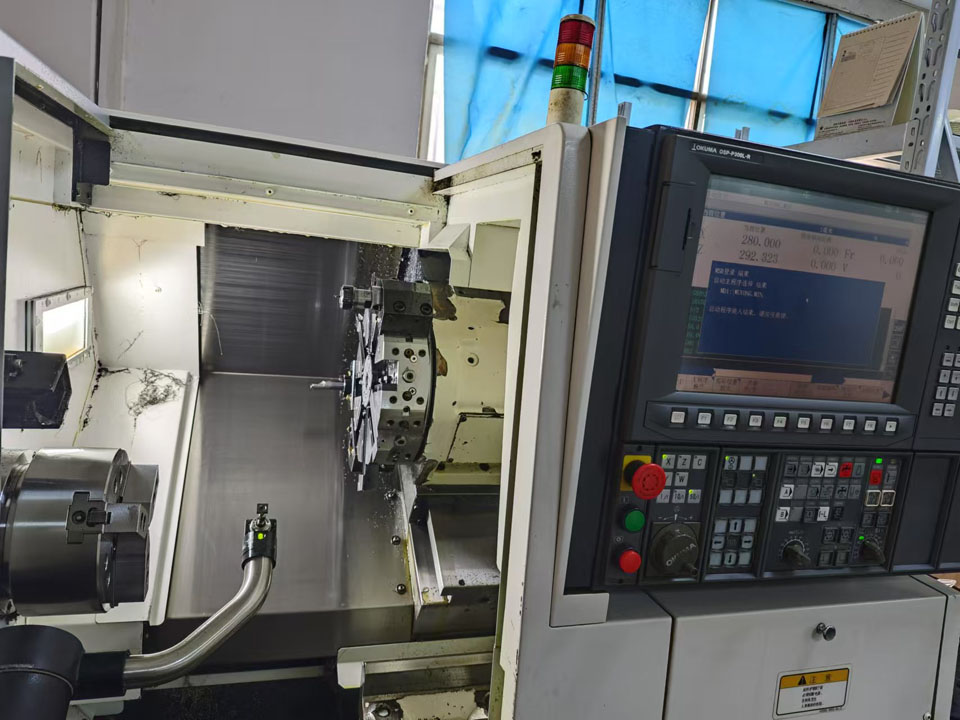
A CNC lathe is a sophisticated machine used in modern manufacturing to create cylindrical parts with high precision. Unlike traditional lathes, a CNC lathe operates using computer numerical control (CNC), which automates the machining process. The workpiece is held firmly and rotates while a cutting tool moves along it to remove material, shaping the part to the exact specifications programmed into the machine.
The primary function of a CNC lathe machine is to shape materials such as metal, plastic, or wood into cylindrical forms. This process is vital for producing a variety of machine parts and components used across numerous industries. The ability to rotate the workpiece while precisely controlling the cutting tool ensures that cnc turning parts are crafted with exceptional accuracy.
What are the Key Parts of a CNC Lathe?
Understanding the parts of a CNC lathe is essential for appreciating how this machine delivers precision and efficiency. The CNC lathe bed provides a stable foundation for all operations, ensuring minimal vibration and maximum accuracy. The spindle holds and rotates the workpiece, while the cutting tool, mounted on a turret, shapes the material.
Another crucial component is the CNC control panel, which allows the machinist to input commands and monitor the machining process. This panel is the brain of the CNC machine, enabling precise control over every movement and operation. Proper knowledge of these lathe components is essential for precision work. For a detailed look at our CNC machining capabilities, visit our CNC machining page.
What Are the Benefits of CNC Turning?
CNC turning offers numerous advantages that make it a preferred choice for manufacturing precision components. One of the primary benefits of CNC turning is its ability to produce high-quality cnc turning parts with exceptional accuracy. This precision ensures that all parts made meet the stringent requirements of industries such as aerospace, automotive, and medical.
Another significant benefit is the efficiency of CNC turning machines. These machines can operate continuously with minimal human intervention, reducing labor costs and increasing production output. Additionally, CNC turning allows for the creation of complex geometries and intricate designs, providing versatility for a wide range of applications. Understanding the benefits of CNC turning is crucial for optimizing your production process.
How Does a CNC Turning Center Enhance Production?
A CNC turning center is an advanced machine that combines the capabilities of a CNC lathe with additional features to enhance productivity. These turning centers are equipped with multiple tools and can perform various operations, such as milling, drilling, and tapping, in a single setup. This integration reduces the need to transfer parts between different machines, streamlining the manufacturing process.
Turning centers are designed to handle complex machining tasks with high precision. The ability to perform multiple operations on a single machine not only saves time but also improves the overall surface finish and accuracy of the turned parts. For more information on our precision machining services, visit our CNC precision machining page.

What Types of Parts Can Be Made with CNC Turning?
CNC turning is incredibly versatile, capable of producing a wide variety of parts. Common types of parts made include shafts, bushings, pins, and other cylindrical parts. These components are crucial in numerous applications, from automotive engines to aerospace systems.
In addition to standard shapes, CNC turning machines can create parts with intricate features such as threads, grooves, and tapers. This capability makes CNC turning parts essential for industries requiring high precision and complex designs. Whether you need simple cylindrical components or more complex parts, CNC turning can deliver.
Here is a comparison table showcasing different types of CNC turning parts that can be made with CNC turning:
| Part Type | Description | Material | Applications | Surface Finish |
|---|---|---|---|---|
| Shafts | Cylindrical components used to transmit power or motion. | Stainless steel, Brass | Automotive engines, industrial machinery | Smooth, polished |
| Bushings | Cylindrical linings used to reduce friction between moving parts. | Brass, Bronze | Machinery, automotive suspensions | Smooth, precise |
| Pins | Small, cylindrical fasteners used to secure parts together. | Stainless steel, Titanium | Aerospace, medical devices | Fine, polished |
| Spacers | Components used to create a gap between two objects. | Aluminum, Plastic | Electronics, machinery | Smooth |
| Threaded Rods | Rods with a helical ridge used for fastening or converting between rotational and linear movement. | Steel, Stainless steel | Construction, machinery | Varies |
| Nozzles | Devices designed to control the direction or characteristics of a fluid flow. | Brass, Stainless steel | Fuel systems, industrial spray equipment | Precise, smooth |
What is the Difference Between CNC Turning and Milling?
While both CNC turning and CNC milling are essential machining processes, they serve different purposes and use distinct methods. CNC turning involves rotating the workpiece while a stationary cutting tool removes material, primarily creating cylindrical shapes. In contrast, CNC milling uses a rotating tool to cut a stationary workpiece, allowing for more complex shapes and features.
The main difference between CNC turning and milling lies in how the workpiece and tool interact. Turning is ideal for creating symmetrical, cylindrical parts, while milling is better suited for parts with flat surfaces, slots, and intricate details. Both processes are often used together to produce components that require both turning and milling operations. Check out our CNC milling service for more details.
How to Ensure Precision in CNC Turning Parts?
Achieving precision in CNC turning requires meticulous attention to detail and a thorough understanding of the machining process. The first step is to use a high-quality CNC lathe machine equipped with precise tools and a reliable CNC control panel. Proper machine setup is crucial, ensuring the workpiece is securely held and the cutting tool is correctly positioned.
Another critical factor is the expertise of the machinist. A skilled machinist knows how to program the CNC machine to achieve the desired tolerances and surface finish. Regular maintenance of the machine and tools also plays a vital role in maintaining precision. By adhering to these practices, we ensure that our CNC turning parts meet the highest standards of quality and accuracy. These practices are essential for precision in all turning operations.
What are the Typical Lead Times for CNC Turning Parts?
Lead times for CNC turning parts can vary depending on several factors, including the complexity of the parts, the quantity required, and the current workload of the machine shop. Generally, simpler parts with standard specifications can be produced relatively quickly, with lead times ranging from a few days to a couple of weeks.
More complex parts or large orders may require additional time for programming, tool setup, and machining. At our facility, we strive to provide accurate estimates and work closely with our clients to meet their deadlines. Our efficient processes and experienced team enable us to offer competitive turnaround time while maintaining the highest quality of parts.
How Does Material Selection Impact CNC Turning Parts?
The choice of material significantly influences the CNC turning process and the final quality of the turned parts. Different materials, such as stainless steel, brass, aluminum, and titanium, have unique properties that affect how they are machined. For instance, harder materials like stainless steel and titanium require more robust cutting tools and slower machining speeds to achieve a good surface finish.
In contrast, softer materials like brass and aluminum can be machined more quickly but may require different tooling to prevent issues like material buildup or deformation. Understanding these characteristics helps us select the appropriate tools and parameters for each material, ensuring optimal results. Proper material selection is crucial for achieving the desired precision and quality in CNC turned parts. Material selection impacts part quality significantly.
What Advanced Features Do Our CNC Turning Centers Offer?
Our CNC turning centers are equipped with advanced features designed to enhance precision and efficiency. These machines can handle multi-axis operations, allowing for the creation of complex geometries in a single setup. The integration of multiple tools in a single machine reduces the need for manual intervention, streamlining the manufacturing process.
One of the standout features is the ability to perform both CNC turning and CNC milling operations within the same machine. This capability, often referred to as a mill-turn center, enables us to produce parts that require both types of machining without transferring the workpiece between different machines. This not only saves time but also improves accuracy and surface finish. The machine features of our equipment ensure top-notch results.

FAQs
What is a CNC turning center?
A CNC turning center is an advanced machine that combines CNC lathe capabilities with additional functions like milling and drilling, all controlled by a computer for high precision and efficiency.
How does CNC turning differ from CNC milling?
CNC turning rotates the workpiece against a stationary tool to create cylindrical shapes, while CNC milling uses a rotating tool on a stationary workpiece for more complex shapes.
What materials can be used in CNC turning?
CNC turning can process various materials, including stainless steel, brass, aluminum, titanium, and plastics.
How do you ensure the precision of CNC turned parts?
We ensure precision through meticulous machine setup, using high-quality tools, employing skilled machinists, and performing regular maintenance.
Can CNC turning create complex shapes?
Yes, especially with multi-axis CNC turning centers, which can produce intricate designs and features in a single part.
Summary
- CNC lathe technology is essential for manufacturing high-precision turned parts.
- Key components like the CNC lathe bed, spindle, and CNC control panel are crucial for the machine’s operation.
- CNC turning offers significant benefits, including high accuracy, efficiency, and versatility.
- A CNC turning center enhances production by combining multiple machining operations in one machine.
- CNC turning can produce a wide range of parts, from simple cylindrical shapes to complex designs.
- Understanding the differences between CNC turning and milling helps in selecting the right process for specific needs.
- Precision in CNC turning is achieved through careful planning, skilled operation, and regular maintenance.
- Material selection significantly impacts the CNC turning process and the quality of the finished parts.
- Advanced features in our CNC turning centers allow for efficient production of complex parts.
- We are committed to delivering high-quality parts with competitive lead times and exceptional customer service.
By partnering with us, you can leverage the power of advanced CNC turning to enhance your production capabilities. Our expertise and state-of-the-art turning equipment ensure that we deliver parts that meet your exact specifications with unmatched precision and reliability. Let us help you achieve excellence in your manufacturing processes. Our turning capabilities are designed to meet your specific needs. For more information about our services, visit our homepage. We also offer specialized services like medical device prototyping, robot prototyping, and industrial prototyping. If you need injection molding, explore our prototype plastic injection molding and rapid injection molding services.
Comments
Latest Posts
Related Blogs
Senyo’s blog is focused on sharing our extensive knowledge of prototype manufacturing. Through our articles, we aim to support you in refining your product design and navigating the complexities of rapid prototyping more effectively.