Rapid Prototyping for the Automotive Industry: Accelerate Your Product Development
Table of Contents
Conclusion
Are you looking to revolutionize your automotive design and production process? This article explores the transformative power of rapid prototyping in the automotive industry. Learn how rapid prototyping is changing the game, speeding up development cycles, reducing costs, and enabling the creation of innovative automotive prototypes. It’s a must-read for anyone involved in automotive engineering, design, or part manufacturing, helping you to navigate the complexities of modern automotive innovation and gain a competitive advantage.
- Rapid prototyping accelerates the product development cycle in the automotive industry.
- It provides cost-effective solutions for prototyping new automotive parts.
- It allows for the quick testing and validation of new designs.
- It improves the overall quality and performance of automotive products.
- Advanced manufacturing technology such as 3D printing and CNC machining are at the core of this process.
- We provide rapid prototyping solutions that will give you a competitive edge.
Ready to revolutionize your automotive prototyping process? Don’t hesitate to contact us today and let us help you with your prototyping needs. Whether you’re looking for rapid prototyping for medical devices or you need consumer product prototyping we can help. Explore our injection molding services as well, or perhaps our cnc machining. We also specialize in metal bending and laser cutting to help you create your prototypes.
What is Rapid Prototyping Automotive Industry?
Rapid prototyping automotive is a set of advanced manufacturing techniques that enable the fast and efficient creation of physical prototypes for automotive parts. Unlike traditional methods, which can be slow and expensive, rapid prototyping allows engineers to quickly produce a tangible prototype of their designs. These prototypes can be used for a variety of purposes including, testing fit, form, and function. This approach is critical in accelerating product development and reducing prototyping timeframes. It’s a way to quickly get a feel for what a new automotive component would look and perform like. We specialize in rapid automotive prototyping, and understand the specific needs of this industry.
By leveraging rapid prototyping technology, automotive designers can swiftly move from a digital concept to a real-world prototype. This not only speeds up the design process, but also allows for early testing and validation of designs, reducing the risk of costly errors down the line. We have seen first-hand how rapid prototyping can transform a design process for our clients. We offer prototyping services that help you bring your designs to life.
Why is Rapid Prototyping Important for Automotive Innovation?
In the highly competitive automotive sector, innovation is the key to success. Rapid prototyping plays a pivotal role in this process by enabling automotive manufacturers to quickly test new ideas and refine their designs. The importance of rapid prototyping lies in its ability to drastically reduce the development cycle, allowing companies to bring new models and features to market faster. It’s not just about being quicker, it’s about being smarter and more efficient.
The prototyping process helps in identifying design flaws and potential problems early on, before they become significant issues in mass production. Rapid prototyping reduces the need for expensive and time-consuming rework, saving both time and resources. This ultimately leads to better and more reliable products. We help automotive companies maintain a competitive edge with cutting-edge prototyping solutions.
What Are the Key Benefits of Rapid Prototyping Automotive?
The benefits of rapid prototyping in the automotive industry are numerous. Firstly, it speeds up the entire product development timeline, allowing for more iterations and faster improvements. With rapid prototyping techniques, automotive engineers can quickly get feedback on their designs and make changes in real time. This means less time between the concept and the final product.
Secondly, rapid prototyping is a cost-effective way to test new automotive parts and prototypes before they go into mass automotive production. It’s far more economical to make adjustments on a prototype than it is on a production process. You can save a lot of time and money when you test with functional prototypes. We focus on creating high-quality quality parts that are not only precise but also cost-effective.
Thirdly, rapid prototyping improves overall quality control. It helps identify any flaws in the design process or the materials used and allows automotive engineers to address these issues in early stages. This results in higher-quality, more reliable final products and ultimately allows you to test new ideas faster.
How Does the Rapid Prototyping Process Work in Automotive Manufacturing?
The rapid prototyping process typically begins with a digital model created by automotive designers using CAD software. This digital model is then sent to a machine that utilizes rapid prototyping technology. The most common of these is 3D printing, which allows for the creation of a physical prototype layer by layer.
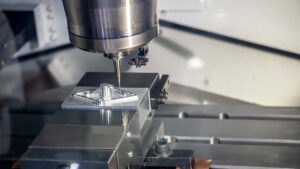
Other manufacturing technologies include cnc machining, which is used for creating more precise automotive parts from materials like metal or plastic. We use advanced rapid tooling options to fabricate a piece that’s closer to the end product. The choice of method often depends on the complexity, material, and intended use of the prototype. Our prototyping services are custom tailored to your requirements.

What Machine and Technologies Are Used for Rapid Prototyping Automotive?
The automotive industry uses rapid prototyping through a wide array of advanced machines and technologies. 3D printers are the workhorses of the rapid prototyping field. They use techniques like fused deposition modeling (FDM), stereolithography (SLA), and selective laser sintering (SLS) to build prototypes with incredible precision. We use state of the art 3d printer technology to get you the results you need.
CNC machining is another crucial technology that allows for the creation of highly accurate metal parts. Additionally, rapid tooling processes and advanced materials are used to help create durable and functional automotive prototypes. Our focus is to select the most suitable manufacturing solution based on your project’s unique needs. These processes work in tandem to produce a product that closely reflects the final design.
How Does Rapid Prototyping Automotive Improve Design?
Rapid prototyping automotive enables designers to test and refine their concept design much faster than before. This allows the design teams to quickly move from idea to physical part, enabling rapid iterations and improvements. It’s easier to see design flaws on an actual prototype that you can hold in your hand, rather than trying to see them on the computer screen.
By making prototypes quickly, automotive engineers can identify and correct any design errors early in the development cycle. They can also use prototypes to test different materials and designs, optimizing both the performance and the aesthetics of their final products. Our prototyping services include design feedback and optimization. Rapid prototyping allows designers to think outside the box and push the boundaries of what is possible in automotive design.
What Are the Different Applications of Rapid Prototyping in the Automotive Sector?
The applications of rapid prototyping in the automotive sector are vast and diverse. Automotive companies use rapid prototyping for creating engine components, interior parts, exterior panels, dashboards, and even complex electronic housing. Rapid prototyping allows to produce a variety of automotive parts to test and refine.
Rapid prototyping is also used in creating functional prototypes that can be tested in real-world conditions. For example, a prototype can be tested in a wind tunnel to see how it behaves aerodynamically. These real-world tests are essential for refining and improving product design. Our part manufacturing services are tailored to meet the specific needs of the automotive industry.
What Are the Most Common Automotive Parts Created With Rapid Prototyping?
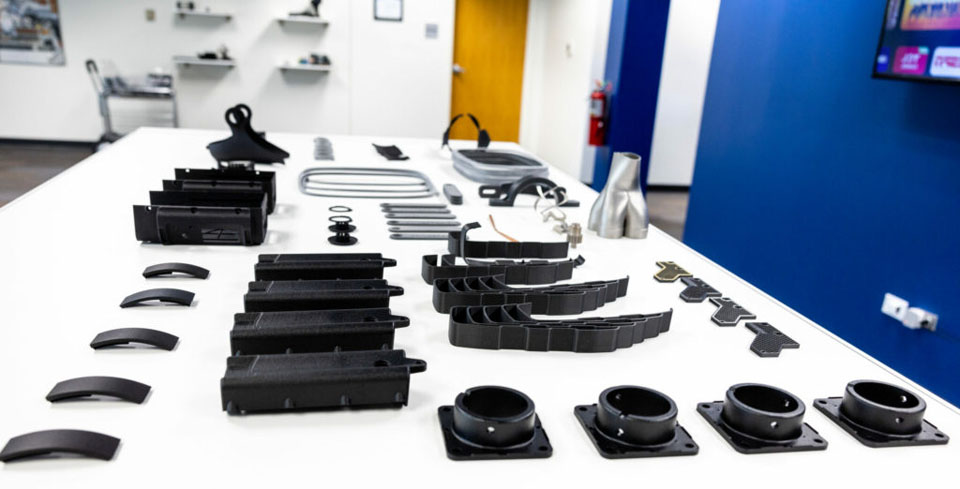
Rapid prototyping is used to create a wide range of automobile parts and prototypes. Some of the most common include intake manifolds, dashboards, gear knobs, door handles, and headlight assemblies. Additionally, complex automotive components like brackets, housings, and connectors are often made using rapid prototyping techniques.
Automotive engineers create parts and use rapid prototyping for creating plastic parts, metal parts, and even composites. The versatility of rapid prototyping makes it a suitable method for creating almost any auto part, making it an invaluable tool in the automobile industry. Our goal is to provide you with automotive parts and prototypes that perfectly match your vision.
How Does Rapid Prototyping Compare to Traditional Methods in Automotive?
Compared to traditional methods, rapid prototyping offers a significant advantage in terms of speed, cost, and flexibility. Traditional methods of making prototypes involve intricate tool making and are time-consuming, often taking weeks or months. Rapid prototyping techniques, on the other hand, can produce a prototype in a matter of days or even hours. We are experts in rapid tooling and understand the difference rapid prototyping can bring to the table.
Rapid prototyping reduces the cost of tools significantly, especially for low-volume production and prototyping. This flexibility makes it an indispensable tool for automotive manufacturers who need to quickly adapt to changing market demands and customer preferences. We offer parts manufacturing services that are modern, efficient, and cost-effective.
What is the Future of Rapid Prototyping in the Automotive Industry?
The future of rapid prototyping in the automotive industry is bright. With advancements in additive manufacturing technologies, rapid prototyping is becoming even faster, more precise, and more accessible. The use of techniques such as 3D printing is going to continue to be a major driver in this industry. The use of advanced materials and manufacturing technologies is changing the way automotive parts are made, allowing for even more complex and innovative designs. Rapid prototyping enables new possibilities for automotive manufacturing, and it’s only going to get more exciting. It is clear that rapid prototyping will play an increasingly important role in the automotive industry, enabling faster, more efficient, and innovative car design and production.
Latest Posts
Related Blogs
Senyo’s blog is focused on sharing our extensive knowledge of prototype manufacturing. Through our articles, we aim to support you in refining your product design and navigating the complexities of rapid prototyping more effectively.