Optimizing Plastic Manufacturing: A Deep Dive into Injection Mold Tooling
Table of Contents
Conclusion
The secret to successful plastic manufacturing lies in the tool: the injection mould. Masterful injection mold tooling translates directly to high-quality plastic injection and consistent plastic part production. This guide offers an in-depth exploration of injection mold tooling, covering essential aspects from tool design to material selection and advanced manufacturing techniques. If you’re seeking to optimize your plastic manufacturing operations, this article is your go-to resource for understanding the critical role of superior injection mold tooling. As injection mold tooling Manufacturing plants for products, we’re dedicated to providing the insights you need to achieve manufacturing excellence.
- Injection mold tooling is the foundation of successful plastic manufacturing, directly impacting plastic part quality, consistency, and production efficiency.
- Excellent tool design is crucial, encompassing DFM principles, optimized gating and runner systems, efficient mold cooling, and robust ejection mechanisms.
- Tool steel is the primary tooling material for injection moulds, with various grades offering different properties for specific applications.
- The injection mold manufacturing process involves precision machining (often with CNC machining), EDM, heat treatment, polishing, and meticulous assembly.
- Choosing the right injection mold tooling supplier with the necessary expertise, capabilities, and commitment to quality is paramount.
- Different types of injection molding tools (two-plate, three-plate, hot runner, cold runner, etc.) are suited for various plastic part designs and production requirements.
- Latest trends in injection mold tooling include 3d printing for mold components, conformal cooling, high-precision machining, and smart molds with integrated sensors.
- Regular mold maintenance is essential for extending tool life, preventing downtime, and ensuring consistent production of high-quality plastic parts.
- Injection mold tooling is a significant investment, but superior tooling yields substantial returns through enhanced product quality, production efficiency, and long-term cost savings.
As injection mold tooling Manufacturing plants for products, we are dedicated to providing you with the highest quality tooling and expertise to optimize your plastic manufacturing operations. Contact us today to discuss your injection mold tooling needs and discover how we can help you achieve superior results in your plastic injection projects. Let us be your trusted partner in transforming your plastic product concepts into reality with precision-engineered injection moulds.
Explore our injection molding services Learn about our injection molding tools Discover the benefits of multi-cavity injection molding See how overmolding and insert molding can enhance your plastic parts. Understand our rapid injection molding capabilities

What is Injection Mold Tooling and Why Is It the Foundation of Quality Plastic Parts?
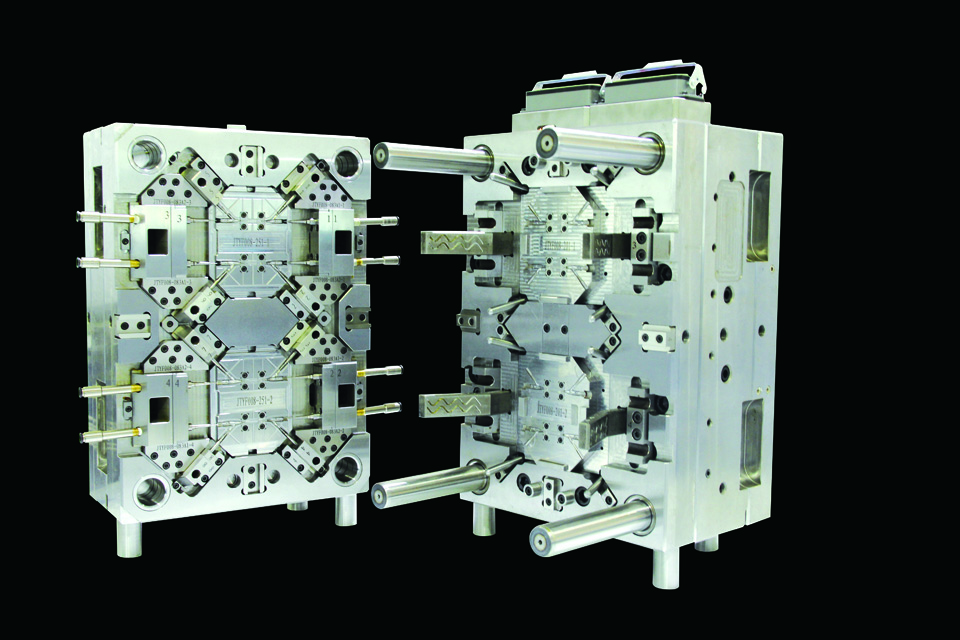
Injection mold tooling encompasses all the specialized components and precision engineering necessary to create an injection mould, the very instrument used to shape molten plastic into a desired plastic part. It’s more than just a tool; it’s a sophisticated system requiring meticulous tool design, careful selection of robust tooling materials, and precise manufacturing processes.
Why is injection mold tooling so pivotal? Simply put, the quality, precision, and efficiency of the entire injection moulding process are directly dependent on the quality and accuracy of the tooling. Think of the tooling as the heart of the operation – a flawed or poorly designed tool will inevitably lead to flawed or poorly plastic injection molded parts. Proper mold design is key.
Superior injection mold tooling delivers:
- Exceptional Precision: Achieving the desired tight tolerances and intricate details in your plastic parts hinges on precise tool construction.
- Flawless Surface Finish: The surface finish of the tool is directly replicated on the moulded plastic, impacting the aesthetic appeal and functionality of the finished product.
- Unwavering Consistency: High-quality tooling ensures consistent plastic part production, minimizing variations and maintaining uniform specifications.
- Optimized Cycle Times: Efficient mold cooling and streamlined ejection systems, facilitated by expert tool design, contribute to faster cycle times and increased production output.
- Extended Tool Lifespan: Durable mold components and robust construction maximize the tool’s lifespan, ensuring a greater return on your investment and reducing the frequency of costly replacements.
- Complex Designs: Creating parts with undercuts, intricate geometries, or specialized features of injection requires well-engineered tool designs.
In essence, injection mold tooling is the bedrock of a successful plastic manufacturing operation. It’s not just an expense; it’s an investment in product quality, efficiency, and long-term profitability. Quality tooling is the key to unlocking superior results.
What Constitutes Excellent Injection Mold Tooling Design?
The tool design phase is where the magic truly happens. It’s where the vision of a plastic part transforms into a meticulously engineered blueprint for its creation. Tool design isn’t just about aesthetics; it’s a complex undertaking that demands a deep understanding of plastic materials, the injection moulding process, and the interplay of various engineering principles.
So, what constitutes excellent injection mold tooling design? Several key elements contribute to a truly exceptional tool design:
- Design for Manufacturability (DFM): The part design must be optimized for efficient injection molding. This involves considering factors like uniform wall thickness, appropriate draft angles, strategically placed ribs and bosses, and minimizing sharp corners – all to ensure smooth molten plastic flow and prevent defects.
- Strategic Gating and Runner Systems: The gating system (where the molten plastic is injected) and runner system (the channels distributing the plastic to the cavity or cavities) must be thoughtfully designed. The goal is to ensure even filling of the mold, minimize pressure drops, and reduce material waste. The choice of material also plays a role.
- Optimized Cooling System: Mold cooling is crucial in the injection moulding process. Cooling channels within the mold regulate temperature, facilitating even plastic solidification and preventing warping or distortion. Conformal cooling, which follows the contours of the cavity, can significantly improve cooling efficiency.
- Robust Ejection System: The molded part must be ejected from the mold cleanly and efficiently. Tool design incorporates ejector pins, sleeves, or other mechanisms, carefully positioned to push the plastic has cooled part out without causing damage.
- Precise Venting: As molten plastic is injected into the mold, air must escape. Tool design includes strategically placed vents to allow air to escape, preventing defects like air traps or short shots (incomplete filling).
- Material Selection: The tooling material is critical. Tool steel is commonly used in injection molding tooling due to its hardness, wear resistance, and ability to withstand high pressures and temperatures. The specific tool steel grade is chosen based on the plastic material being processed and the expected tool life. Steel and aluminum are common.
- Mold Component Considerations: Injection mold tooling is made of many mold components. The tool design accounts for all of these, such as guide pins.
- Undercut features: Moulds may require moving components in order to create plastic products with an undercut.
Injection molding tooling design is best entrusted to experienced tooling engineers who understand the intricate interplay of these factors.
What Materials Are Used in Injection Mold Tooling?
The materials used in the construction of injection moulds are carefully selected to withstand the demanding conditions of the injection moulding process, including high pressures, temperatures, and repeated cycles. Tooling material selection directly impacts the mold‘s durability, performance, and lifespan.
Here’s an overview of common materials for injection mold tooling:
Tool Steel: Tool steel is the workhorse of injection mold tooling, offering exceptional hardness, wear resistance, and dimensional stability. Various grades of tool steel are used, each with specific properties:
- P20: A pre-hardened steel, commonly used for prototype tooling and molds for less abrasive plastics. It offers good machinability and reasonable durability.
- H13: A hot-work tool steel known for its high toughness and resistance to thermal fatigue. It’s a popular choice for molds that will process abrasive plastics or experience high injection pressures and temperatures.
- S7: A shock-resistant tool steel often used for molds with complex geometries or those requiring high impact resistance.
- 420 Stainless Steel: Offers excellent corrosion resistance, making it suitable for molds used with corrosive plastics or in humid environments. It’s also used when optical clarity is needed in the molded part.
- D2: A high-carbon, high-chromium tool steel known for its exceptional wear resistance. It’s often used for molds that will produce a very high number of plastic parts (millions of cycles).
Aluminum: While not as hard or durable as steel, aluminum is sometimes used for prototype tooling or short-run production molds. Aluminum offers faster machining times and better thermal conductivity (for faster mold cooling), but it has a shorter lifespan compared to steel tooling.
Beryllium-Copper Alloys: These alloys are sometimes used as inserts in steel molds to improve mold cooling in specific areas. Beryllium-copper has excellent thermal conductivity.
The choice of material for injection mold tooling depends on several factors:
- Type of Plastic: Abrasive or corrosive plastics require harder, more wear-resistant tool materials.
- Production Volume: High-volume production necessitates tool steels with superior wear resistance.
- Part Complexity: Intricate part geometries may require specialized tool steels or manufacturing processes.
- Tolerances: Achieving tight tolerances requires mold materials with high dimensional stability.
- Budget: Tool steel grades vary in cost, so the budget can influence material selection.
Experienced tooling manufacturers will carefully evaluate these factors to select the optimal tooling material for each injection mold project, ensuring the mold delivers the required performance, lifespan, and cost-effectiveness. The material used will determine the lifetime.
How are Injection Molds Manufactured?
The manufacturing process for injection moulds is a highly specialized and precise undertaking, combining advanced technology, skilled craftsmanship, and meticulous attention to detail. This process transforms raw tooling material (typically tool steel) into the sophisticated tools that drive plastic injection manufacturing.
Here’s a step-by-step overview of the injection mold manufacturing process:
- Mold Design (CAD/CAM): The process begins with a detailed mold design created using Computer-Aided Design (CAD) and Computer-Aided Manufacturing (CAM) software. This 3D model of the injection mould incorporates all the necessary features, including the cavity, core, cooling channels, ejection system, and gating system. This is where all the tooling design decisions are made.
- Material Selection: The appropriate grade of tool steel (or other mold material) is selected based on the plastic material to be molded, the expected mold life, and the complexity of the plastic part.
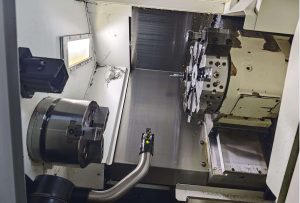
- Rough Machining: The tool steel blocks are initially rough-machined using CNC machining centers. This removes large amounts of material to create the basic shape of the mold components.
- Heat Treatment: After rough machining, the tool steel components are heat-treated to achieve the desired hardness and wear resistance. This process involves heating the steel to a specific temperature, holding it for a period, and then carefully cooling it.
- Finish Machining (CNC Machining & EDM): Precision CNC machining is used to create the final dimensions and intricate features of the mold cavity, core, and other mold components. Electrical Discharge Machining (EDM) is often used for features that are difficult or impossible to machine with conventional CNC machining, such as sharp corners or complex internal geometries.
- Grinding and Polishing: The surface of the tool, specifically the cavity and core surfaces that will contact the molten plastic, are meticulously ground and polishinged to achieve the required surface finish and dimensional accuracy. This step is crucial for the aesthetics and functionality of the molded plastic parts.
- Mold Assembly: All the individual mold components (cavity, core, ejector pins, cooling channels, guide pins, etc.) are carefully assembled to create the complete injection mould. This requires precise fitting and alignment of all components.
- Mold Testing (Trial Shots): Before the injection mould is put into full production, it undergoes trial runs, often called “first shots.” Molten plastic is injected into the mold, and the resulting plastic parts are thoroughly inspected for any defects, dimensional accuracy, and overall quality of the plastic. Adjustments are made to the mold or injection moulding process parameters as needed.
- Mold Maintenance and Repair: Throughout its operational life, the injection mould will require regular maintenance and occasional repairs to ensure continued performance and longevity.
The injection mold manufacturing process requires a high level of skill, precision, and attention to detail. Tooling engineers and machinists must be experts in their respective fields to create molds that can consistently produce high-quality plastic parts. Using specialized software and machinery is also essential.
What are the Different Types of Injection Molding Processes?
While the fundamental principle of injection molding involves injecting molten plastic into a mold cavity, there are various types of injection molding processes, each with its own unique characteristics and applications. Understanding these different types of injection molding is crucial for selecting the most appropriate process for your specific plastic part and production needs.
Here’s an overview of common injection molding processes:
- Standard (Single-Shot) Injection Molding: This is the most common type of injection molding. Molten plastic is injected into a mold cavity, where it cools and solidifies to form the plastic part. It’s suitable for a wide range of plastic materials and part geometries.
- Overmolding: This process involves molding one plastic material over another material (which could be a different plastic, metal, or other substrate). It’s often used to create parts with soft-grip handles, combine different colors or textures, or encapsulate metal inserts.
- Insert Molding: Similar to overmolding, insert molding involves placing a pre-formed insert (typically metal) into the mold cavity before injecting the molten plastic. The plastic then flows around and encapsulates the insert, creating a single, integrated part.
- Two-Shot (or Multi-Shot) Injection Molding: This advanced process uses a single injection moulding machine and a specialized mold with multiple cavities to inject two or more different plastic materials or colors in a single cycle. It’s ideal for creating complex parts with integrated features or multiple colors/materials.
- Gas-Assisted Injection Molding: In this process, an inert gas (usually nitrogen) is injected into the mold cavity along with the molten plastic. The gas pushes the plastic against the mold walls, creating hollow sections within the part. This reduces material usage, weight, and cycle times, and is often used for parts with thick sections.
- Liquid Silicone Rubber (LSR) Injection Molding: LSR is a thermosetting material with excellent heat resistance, flexibility, and biocompatibility. LSR injection molding uses specialized equipment and molds to process this unique material. It’s commonly used for medical devices, seals, gaskets, and other applications requiring high-performance elastomers.
- Thin-Wall Injection Molding: This process is optimized for producing plastic parts with very thin walls (typically less than 1mm). It requires high injection pressures, fast injection speeds, and specialized mold designs to ensure complete filling of the cavity and prevent defects.
- Micro Molding: Micro molding is used to produce extremely small, high-precision plastic parts, often with features measured in microns. It requires specialized injection molding machines, molds, and process control.
- Reaction Injection Molding (RIM): RIM is used for processing thermosetting plastics, typically polyurethanes. Two or more liquid components are mixed and injected into the mold, where they react and solidify. RIM is often used for larger parts with complex geometries.
- Hot Runner Molding: With a hot runner, you do not have to deal with removing the solidified runner.
The type of injection molding process used will depend on the plastic part‘s design, material, required properties, production volume, and budget. Plastic manufacturers should work closely with their injection mold tooling provider to determine the most suitable injection process for their specific needs.
How to Choose the Right Injection Mold Tooling Supplier
Selecting the right injection mold tooling supplier is a critical decision that can significantly impact the success of your plastic manufacturing project. The ideal supplier will possess not only the necessary technical expertise and manufacturing process capabilities but also a commitment to quality, customer service, and on-time delivery.
Here are key factors to consider when choosing an injection mold tooling supplier:
- Experience and Expertise: Look for a supplier with extensive experience and a proven track record in designing and building high-quality injection moulds. They should have a deep understanding of tool design principles, various tooling materials, machining techniques, and the intricacies of the injection moulding process.
- Tooling Capabilities: Ensure the supplier offers the full range of injection mold tooling capabilities you require, including tool design (CAD/CAM), CNC machining, EDM, grinding, polishing, heat treatment, mold assembly, and mold testing.
- Quality Management System: Inquire about the supplier‘s quality management system and certifications (e.g., ISO 9001). A robust quality system demonstrates a commitment to consistent quality and process control, which is essential for producing precision molds.
- Materials Expertise: The supplier should have expertise in working with a variety of tooling materials, primarily different grades of tool steel and aluminum, and be able to recommend the optimal material used for your specific injection molding application and plastic part requirements.
- Technology and Equipment: Assess the supplier‘s technology and equipment. They should have modern, well-maintained CNC machines, EDM equipment, and other necessary tools for producing high-precision injection moulds. State-of-the-art machinery enhances their capabilities.
- Communication and Project Management: Effective communication and strong project management are crucial for a successful tooling project. Choose a supplier that is responsive, communicative, and provides clear project timelines and updates.
- Design for Manufacturability (DFM) Support: A valuable tooling supplier will offer DFM feedback and guidance, helping you optimize your plastic part design for efficient and cost-effective injection molding. DFM expertise can save you time and money in the long run.
- Mold Maintenance and Repair Services: Inquire about the supplier‘s mold maintenance and repair services. Even the best injection moulds require periodic maintenance and occasional repairs, and having a reliable partner for these services is essential for minimizing downtime and maximizing mold life.
- Cost and Value: While cost is a factor, focus on overall value. Consider the supplier‘s expertise, quality, speed, capabilities, and ability to deliver a high-quality injection mould that meets your specific needs and contributes to the long-term success of your injection molding operation.
- Prototyping: Many companies, such as injection mold tooling Manufacturing plants for products will offer to make a prototype before creating your tool.
By carefully evaluating these factors and selecting a reputable and capable injection mold tooling supplier, you are laying the foundation for a successful plastic manufacturing project. A strong partnership with the right tooling provider is an investment in quality, efficiency, and long-term profitability.
What are the Latest Trends in Injection Mold Tooling?
The field of injection mold tooling is constantly evolving, driven by advancements in technology, materials science, and the increasing demands of the plastic injection industry. Staying abreast of these trends is crucial for both tool makers and plastic manufacturers seeking to optimize their processes, improve efficiency, and produce increasingly complex and high-quality plastic parts.
Here are some of the latest trends in injection mold tooling:
- Additive Manufacturing (3D Printing) for Mold Components: 3D printing is revolutionizing injection mold tooling. It’s being used to create complex mold components, such as conformal cooling channels, prototype tooling, and injection mould inserts, with greater design freedom and faster lead times.
- Conformal Cooling: Conformal cooling channels, which follow the contours of the mold cavity, are becoming increasingly prevalent. These channels, often created using 3D printing, provide more uniform and efficient mold cooling, leading to reduced cycle times, improved part quality, and less warpage.
- High-Precision Machining and Micro-Molding: Advancements in CNC machining and micro-machining techniques are enabling the creation of injection moulds with extremely tight tolerances and intricate micro-features, supporting the growing demand for miniaturized plastic parts and microfluidic devices.
- Advanced Mold Materials: Research and development in mold materials are leading to new alloys and coatings with improved wear resistance, thermal conductivity, and corrosion resistance. These advanced materials extend mold life, enhance performance, and allow for the processing of more challenging plastic resins. Steel and aluminum are still popular.
- Industry 4.0 and Smart Molds: The integration of sensors, data analytics, and automation into injection moulds (smart molds) is gaining traction. These technologies enable real-time monitoring of mold performance, predictive maintenance, and closed-loop process control, optimizing injection moulding process efficiency and quality.
- Scientific Molding: Scientific molding principles, which emphasize data-driven process optimization and precise control of injection moulding parameters, are becoming increasingly important for achieving consistent part quality and minimizing defects.
- Rapid Tooling and Bridge Tooling: Rapid tooling techniques continue to evolve, offering faster and more cost-effective ways to create molds for prototypes and low-volume production. Bridge tooling bridges the gap between prototype and full-scale production, providing a cost-efficient solution for initial market launches.
- Sustainable Mold Making Practices: Sustainability is a growing concern in all industries, including injection mold tooling. Tool makers are adopting more environmentally friendly practices, such as using recycled materials, reducing energy consumption, and designing molds for longer lifespans and recyclability.
These trends reflect a shift towards greater precision, efficiency, automation, and sustainability in injection mold tooling. Embracing these advancements is essential for tool makers and plastic manufacturers to remain competitive and meet the evolving demands of the plastic injection industry.
How to Maintain and Extend the Life of Your Injection Mold Tooling
Injection mold tooling represents a significant investment, and proper maintenance is crucial for maximizing its lifespan, ensuring consistent production of high-quality plastic parts, and minimizing downtime in your plastic injection operation. A well-maintained injection mould can produce millions of plastic parts over its lifetime, offering a substantial return on investment.
Here are key practices for maintaining and extending the life of your injection mold tooling:
- Regular Cleaning: Molds should be cleaned regularly to remove plastic resin residue, grease, and other contaminants that can build up over time. The cleaning frequency depends on the type of injection plastic material being used and the mold design. Use appropriate cleaning solvents and tools that won’t damage the mold surfaces.
- Proper Lubrication: Moving parts in the injection mould, such as ejector pins, slides, lifters, and guide pins, require regular lubrication to prevent wear and ensure smooth operation. Use the recommended lubricants and lubrication schedule specified by the mold maker.
- Inspection and Preventive Maintenance: Establish a regular mold inspection schedule to identify any signs of wear, damage, or potential issues before they lead to major problems. This includes checking for cracks, erosion, corrosion, damaged ejector pins, and proper venting. Preventive maintenance, such as replacing worn components, can prevent costly repairs and downtime.
- Controlled Operating Conditions: Operating the injection molding machine within the recommended parameters (temperature, pressure, injection speed, mold cooling time) is crucial for preventing excessive stress on the injection mould. Overheating or over-pressurizing the mold can lead to premature wear and damage.
- Correct Plastic Resin Selection: Using the specified plastic resin for the injection mould is important. Some plastics are more abrasive or corrosive than others, and using an incompatible plastic material can damage the tool.
- Proper Mold Storage: When not in use, injection molds should be stored in a clean, dry, and temperature-controlled environment to prevent corrosion and damage. Apply a rust preventative coating to protect the mold surfaces during storage.
- Careful Mold Handling: Handle injection molds with care to avoid dropping or damaging them. Use appropriate lifting equipment and follow safe handling procedures. The surface of the tool is important.
- Professional Mold Repair: If the injection mould sustains damage, it’s crucial to have it repaired by a qualified mold maker or mold repair specialist. Attempting to repair a complex injection mould without the proper expertise can lead to further damage and compromise its performance.
- Record Keeping: Maintain detailed records of mold usage, maintenance activities, repairs, and any modifications made to the mold. This documentation helps track mold performance, identify recurring issues, and plan for future maintenance needs.
- Proper Mold Opening and Closing: It is important that the mold opening and closing is done correctly to ensure the tool is not damaged.
By implementing these mold maintenance practices, you can significantly extend the life of your injection mold tooling, ensure consistent production of high-quality plastic parts, and minimize downtime and repair costs, maximizing the return on your tooling investment. Preventative maintenance is always more cost-effective than major repairs.
FAQs
What is the lifespan of an injection mold?
A well-maintained injection mould made from high-quality tool steel can last for hundreds of thousands, even millions, of cycles. However, mold life depends on factors like the mold material, the type of plastic being molded, the complexity of the plastic part, and the maintenance practices followed.
What is the difference between a hot runner and a cold runner mold?
A hot runner mold keeps the runner system (the channels that deliver molten plastic to the cavities) heated, eliminating runner scrap and reducing cycle times. A cold runner mold solidifies the runner with each cycle, generating scrap material but typically has a lower upfront tool cost.
Can injection molds be repaired?
Yes, injection molds can often be repaired, depending on the extent and nature of the damage. Common repairs include welding cracks, replacing worn components, and re-polishing surfaces. However, extensive damage might necessitate a new mold.
What is Design for Manufacturability (DFM) in the context of injection mold tooling?
DFM is the practice of designing plastic parts and injection molds to be easy and cost-effective to manufacture. It involves considering factors like wall thickness, draft angles, undercuts, and material flow to optimize the design for efficient injection molding.
What is the typical lead time for manufacturing an injection mold?
Lead times vary widely depending on the mold‘s complexity, size, material, and the tool maker’s workload. Simple molds can be built in a few weeks, while complex, multi-cavity molds can take several months. The design is finalized before tooling begins.
Comments
Latest Posts
Related Blogs
Senyo’s blog is focused on sharing our extensive knowledge of prototype manufacturing. Through our articles, we aim to support you in refining your product design and navigating the complexities of rapid prototyping more effectively.