A Guide to The Aluminum CNC Part:Lightweight Powerhouse
Table of Contents
Aluminum CNC parts are everywhere
If you have ever used a luxurious mobile phone, been impressed by the stylish body of a new electric vehicle, or seen a drone flying with great accuracy, then you have most probably come into contact with an aluminum cnc part. These precision components are the invisible champions of the contemporary world, the mainstay devices and machines which they our daily lives they make possible without us realizing it.
What is it that makes an aluminum CNC part so valuable? Besides what, why has aluminum been termed the “gold standard” in industries such as aerospace and medical devices? By unpacking each layer of the CNC machining sphere, we will discover in this extensive manual why aluminum turns out to be the perfect material for manufacturers and how it is leading to the next innovative breakthroughs.
What Exactly is an Aluminum CNC Part?
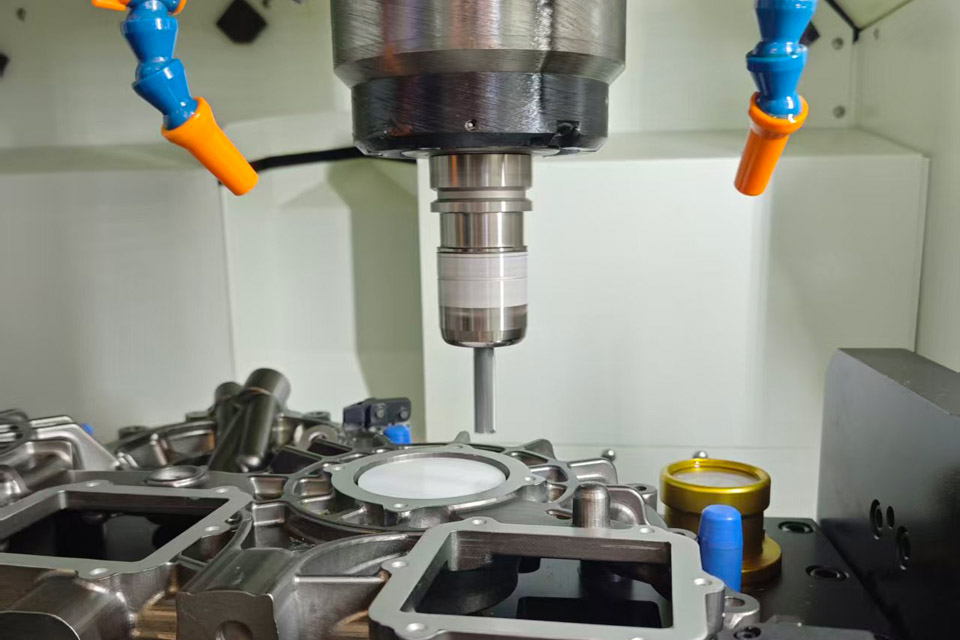
Basically, an aluminum cnc part is a metal unit that has been separated from a metal block through Computer Numerical Control (CNC) technology. You can compare it to a very advanced form of sculpting but done digitally. There is no human hand that directly holds the chisel, instead, a computer program directs the high, speed cutting tools to remove the material until the final shape is perfect.
This manufacturing process that removes the material is very precise to the point of being hardly measurable. As you might be the maker of a medical device prototype or a complicated component for industrial prototyping, using CNC machining you can achieve an extremely high level of detail and a great number of identical copies of the same item which would hardly be possible if manual methods were used.
The Secret Recipe: Understanding Aluminum Alloys
To be honest, aluminum in its most natural form is a soft metal, not soft enough for use in industry though. So as to turn it into the material powerhouse aluminum is today, it is alloyed (mixed) with other elements such as copper, magnesium, silicon, and zinc. Every combination generates a new “series” of aluminum, thus the selection of the right one is the very first step of producing a high, quality aluminum cnc part.
A Quick Guide to the “Aluminum Personalities”:
- 1xxx Series (The Purists): These are 99% pure aluminum. Because they are excellent electrical conductors, they are the best choice for wiring, but they do not have enough strength for structural parts.
- 2xxx Series (The Heavy Hitters): Alloyed with copper, these are extremely strong and thus are the first choice of the engineers for the manufacture of aircraft. On the other hand, they are more difficult to machine compared to other aluminum alloys.
- 3xxx(The Workhorses): These 1.0% manganese alloyed aluminum products are used in situations where medium strength, good shear test results, and excellent formability are required.
- 5xxx Series (The Sailors): Magnesium is the alloy used to create these the kings of the ocean. The sea salts will not corrode these metals hence their popularity in the fabrication of marine hardware.
- 6xxx(The All, Stars): The “sweet spot” of aluminum is this “6061 aluminum” is the most widely used material for an aluminum CNC part as it is easy to machine, resistant, and strong.
How an Aluminum CNC Part is Born
The journey from a digital idea to a physical aluminum cnc part is a blend of art and science. It’s not as simple as just “pushing a button.” Here is how the magic happens:
1. The Digital Blueprint (CAD)
Every part starts as a 3D model created in CAD (Computer-Aided Design) software. This is where engineers specify every dimension, hole, and curve.
2. Translating to Machine Code (CAM)
The 3D model is then “translated” into G-code using CAM (Computer-Aided Manufacturing) software. G-code is the language the CNC machine speaks. It tells the machine exactly where to move, how fast to spin the cutting tool, and how deep to cut.
3. Material Selection & Setup
The machinist selects the specific aluminum alloy (like 6061 or 7075) and secures it into the machine. They then set up the specific tools—drills, end mills, and lathes—needed to create the part.
4. The Machining Process
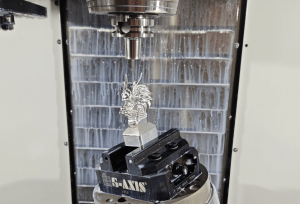
The machine takes over, whittling away the aluminum layer by layer. For complex shapes, a CNC milling machine is used. For cylindrical or symmetrical parts, a CNC turning lathe is the preferred choice.
Adding the Finishing Touches: Anodizing and More
A raw aluminum cnc part looks great right off the machine, but sometimes it needs a little extra protection or a specific look. This is where finishing processes like anodizing come in.
Anodizing is an electrochemical process that thickens the natural oxide layer on the aluminum’s surface. It doesn’t just sit on top like paint; it becomes part of the metal.
- Type II Anodizing: This is the most common and allows the part to be dyed in vibrant colors—perfect for consumer product prototyping.
- Type III (Hard Anodize): This creates a thick, ceramic-like coating that is incredibly wear-resistant. It’s the go-to finish for military and automotive parts.
Why Industries are Obsessed with Aluminum CNC Parts
Why not use steel? Or plastic? While those materials can be used, aluminum provides a “Triple Threat” of benefits, which are tough to be surpassed.
1. Strength, to, Weight Ratio Aluminum is about one, third the weight of steel. In the industries of automotive prototyping and aerospace, literally every gram matters. By using an aluminum cnc part, engineers are able to create machines which are strong enough to perform the task but light enough to cut down on fuel consumption.
2. Exceptional Machinability Since aluminum is a relatively soft metal when compared to steel, it can be cut at a much higher speed. Consequently, the machine time is shortened, which results in lower costs and faster delivery times for the customer.
3. Natural Corrosion Resistance Unlike iron, which rusts, aluminum produces a protective layer when it comes in contact with the air. This makes an aluminum cnc part very durable even if it is in an aggressive environment.
4. Thermal and Electrical Conductivity What if you want to remove the heat from a computer processor? Aluminum is one of the best materials for heat sinks in that case. What if you want a lightweight frame for conducting electricity? Aluminum is the answer.
Where Will You Find Them? (Applications)
The aluminum CNC part’s versatility is the reason why it is found in some of the harshest areas on the planet (and beyond it).
- Aircraft: Aluminums light character is the main factor from seat frames to engine parts.
- Automotive: As we get close to electric vehicles, aluminum is still necessary to counterbalance the weight of the heavy batteries, thus increasing the range and the performance.
- Medical Equipment: Very accurate CNC is a surgical tool and implant production method which results lightweight and bio, compatible products.
- Electronics: The most likely single intricately machined aluminum CNC part is the unibody frame of your laptop along with the internal chassis of your phone.
- Robot Prototyping: When it comes to robot prototyping, aluminum is the material that can give the robotic arms the required stiffness for them to be strong but still light enough to move efficiently.
The "Green" Side of Aluminum
We can’t talk about modern manufacturing without talking about the planet. One of the best things about producing an aluminum cnc part is that it is highly sustainable.
Aluminum is 100% recyclable. In a professional machine shop, all those little metal shavings (called chips) are collected, melted down, and turned back into new blocks of aluminum. This “circular economy” reduces the need for raw mining and significantly lowers the environmental impact of manufacturing.
Challenges in the Industry
While aluminum is a dream material, it’s not without its hurdles.
- Cost of Machinery: High-precision CNC machines are massive investments.
- Variability: Not all aluminum is created equal. A machinist has to know exactly how a specific alloy will react to heat and pressure to ensure the part doesn’t warp.
- Labor Shortages: As the older generation of master machinists retires, there is a massive demand for young, tech-savvy professionals who understand both the mechanics and the software side of CNC.
The Future of the Aluminum CNC Part
As we look ahead, the industry is getting smarter. We are seeing the rise of AI-driven machining that can predict tool wear before it happens, and the integration of 3D printing with CNC to create parts that were once thought impossible.
The demand for the aluminum cnc part is only growing. As drones, electric vehicles, and space exploration become more common, we will continue to rely on this incredible metal and the precision of CNC technology to build the future.
Why Partner with Senyorapid?
Whether you are an engineer at a Fortune 500 company or a designer with a brilliant new invention, you need a partner who understands the soul of the machine. At Senyorapid, we don’t just make parts; we solve problems.
When you need a high-quality aluminum cnc part, you shouldn’t have to worry about tolerances or lead times. We specialize in:
- Extreme Precision: We hold tolerances as tight as ±0.001mm.
- Speed: Our 3-5 day lead times keep your project moving at the speed of business.
- Flexibility: With our No MOQ policy, we are just as happy making one prototype as we are making a thousand production parts.
- Expert Guidance: Not sure which alloy to use? Our engineers can help you choose the perfect material for your specific application, whether it’s vacuum casting or rapid injection molding.
Ready to bring your project to life? Contact Senyorapid today and let’s create your next aluminum cnc part with the precision it deserves.
Comments
Latest Posts
Related Blogs
Senyo’s blog is focused on sharing our extensive knowledge of prototype manufacturing. Through our articles, we aim to support you in refining your product design and navigating the complexities of rapid prototyping more effectively.