Aluminum Injection Molding in Rapid Prototype Manufacturing
Table of Contents
Summary
Aluminum injection molding has emerged as a critical tool in the rapid prototype manufacturing process, offering a fast, cost-effective way to create prototypes and even production-quality parts. This article dives deep into aluminum injection molding and its benefits, applications, and processes, especially for those looking for alternatives to traditional steel molds. Read on to understand why aluminum tooling is the go-to choice for speed, flexibility, and precision in the prototype and product development world.

What is Aluminum Injection Molding?
Aluminum injection molding is a manufacturing process that involves injecting molten aluminum into a mold to create precise parts and components. This method is faster and more efficient than traditional steel tooling, making it an ideal choice for rapid prototype manufacturing. Unlike conventional methods that can take weeks or months to produce prototypes, aluminum injection molding can yield parts in just a matter of days.The injection mold itself is designed to withstand high pressures, which allows for the production of intricate designs with fine details. This capability is particularly important for industries that require high-performance prototypes, such as automotive and aerospace. Understanding the fundamentals of aluminum injection molding is essential for anyone involved in product development.
Why Choose Aluminum for Injection Molding?
Aluminum injection molds offer several advantages over other materials, particularly steel. One of the primary benefits is cost-effectiveness. Aluminum molds typically have a lower upfront cost and shorter lead times, which is crucial for businesses aiming to get their products to market quickly. Additionally, the lightweight nature of aluminum makes it easier to handle and transport, further reducing overall manufacturing costs.Another significant advantage is the efficiency of the aluminum injection molding process. Aluminum has excellent thermal conductivity, which allows for faster cooling times during production. This means that manufacturers can produce more parts in less time, ultimately leading to increased productivity and a quicker return on investment. For companies looking to optimize their manufacturing processes, aluminum injection molds are often the clear choice.
How Does Aluminum Injection Molding Work?
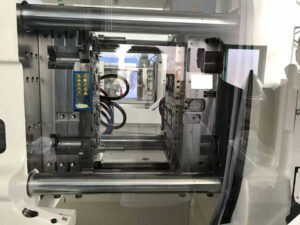
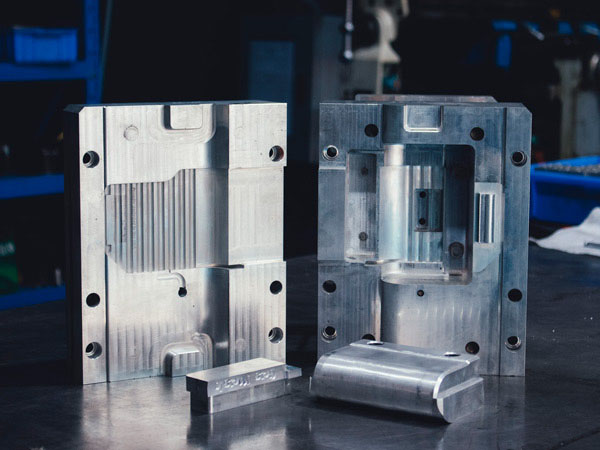
The aluminum injection molding process involves creating a precise mold using CNC machining, followed by injecting molten plastic or other materials into the mold cavity. Once the material cools and solidifies, the mold opens, and the final part is ejected. This entire process is repeated multiple times, enabling the production of several identical prototype parts quickly and efficiently.
Aluminum molds differ from steel molds in several ways, especially in terms of cost and weight. CNC machining aluminum is faster than machining steel, which reduces production lead times. Additionally, aluminum’s lower density makes it easier to handle and store. These differences make aluminum the preferred material for prototype injection molding, where speed and flexibility are paramount.
What are the Key Features of Aluminum Injection Molds?
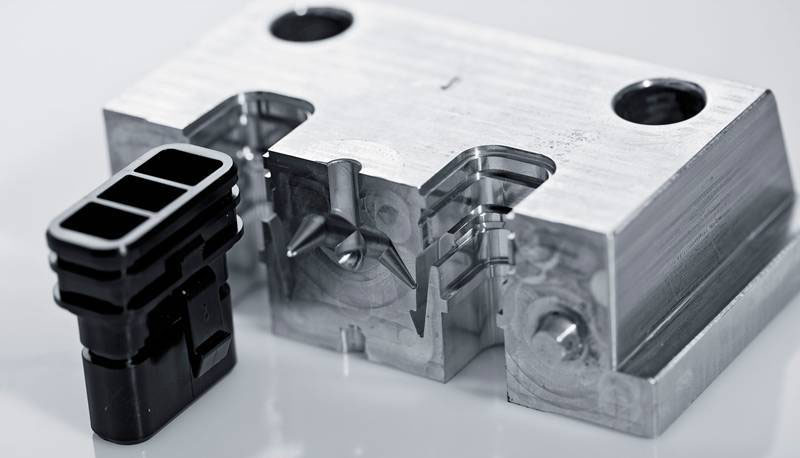
Aluminum injection molds are characterized by several key features that make them highly effective for rapid prototype manufacturing. First and foremost, aluminum molds are known for their durability. Unlike other materials, aluminum is resistant to wear and can withstand high temperatures, making it suitable for multiple production cycles.
Precision is another critical feature of aluminum molds. The material allows for tight tolerances and intricate designs, which are essential for producing high-quality prototypes. This level of precision ensures that the final product meets the exact specifications required by manufacturers and clients alike.
What is the Role of Prototype Tooling in Product Development?
Prototype tooling plays a crucial role in the product development process by enabling designers and engineers to create and test prototypes quickly. This process allows for rapid iterations and refinements based on feedback from testing and evaluation. Effective prototype tooling provides the necessary framework for producing parts that closely resemble the final product.
Moreover, prototype tooling can significantly impact the overall timeline of product development. By using aluminum injection molds, companies can reduce the time it takes to create prototypes, allowing them to stay ahead of competitors and respond to market demands more effectively.
What are the Differences Between Aluminum and Steel Injection Molding?
When comparing aluminum and steel injection molding, there are several key differences to consider. Aluminum molds generally have a lower initial investment than steel molds, making them more accessible for small to mid-sized businesses. Additionally, aluminum molds are easier to manufacture and modify, which is particularly advantageous during the prototyping phase.
However, steel molds tend to have a longer lifespan and are better suited for high-volume production runs. They can endure more cycles without significant wear, making them ideal for products that require extensive manufacturing. Understanding these differences is crucial for selecting the right material for specific production needs.
Advantages of Aluminum Injection Molds
Aluminum injection molding offers several advantages over traditional steel injection molding, particularly in rapid prototyping scenarios. Some of the key benefits include:
- Cost-Effectiveness: Aluminum molds are generally less expensive to produce than steel molds, making them a viable option for low-volume production runs.
- Faster Production Times: The softer nature of aluminum allows for quicker machining and shorter lead times, enabling faster turnaround for prototypes.
- Design Flexibility: Aluminum molds can be easily modified, allowing for design changes without significant additional costs or delays.
These advantages make aluminum injection molding an attractive choice for companies looking to innovate and bring products to market more efficiently.
Key Takeaways
- Aluminum injection molding is a fast and cost-effective method for producing high-quality prototypes.
- Rapid tooling enhances manufacturing efficiency by allowing for quick mold production and design modifications.
- Custom injection molding provides tailored solutions that meet specific project needs, driving innovation across various industries.
- Understanding the differences between aluminum and steel molds is essential for selecting the right material for your production requirements.
By leveraging the advantages of aluminum injection molding in rapid prototype manufacturing, businesses can accelerate their product development processes and remain competitive in a dynamic market.
Future Trends for Aluminum Injection Molding in Rapid Prototyping
The future of aluminum injection molding in rapid prototyping is bright, driven by advancements in technology, sustainability, and material innovation. As manufacturers embrace automation and sustainable practices, they will be better equipped to meet the demands of a rapidly changing market. By staying informed about these trends and adapting to new challenges, businesses can leverage aluminum injection molding to enhance their product development processes and maintain a competitive edge.
FAQs
What are the typical costs associated with aluminum injection molding?
Costs vary based on the complexity and size of the mold, but generally, aluminum molds are 40-60% cheaper than steel molds.How many cycles can an aluminum injection mold handle?
Aluminum molds can typically endure thousands of cycles, which is adequate for low- to medium-volume production runs.Can aluminum molds be used for mass production?
Aluminum molds are generally used for prototyping and short-run production, as they may wear down faster than steel molds in high-volume settings.What are the limitations of aluminum injection molding?
Aluminum is softer than steel, so it may not withstand the high pressures of mass production. It’s best for rapid prototyping and short runs.Is aluminum injection molding environmentally friendly?
Yes, aluminum’s thermal efficiency reduces energy usage, and the materials are recyclable, making it a sustainable choice.
Comments
Latest Posts
Related Blogs
Senyo’s blog is focused on sharing our extensive knowledge of prototype manufacturing. Through our articles, we aim to support you in refining your product design and navigating the complexities of rapid prototyping more effectively.