Aluminum Rapid Prototyping: Fast, Precise Manufacturing
Table of Contents
Conclusion
In today’s fast-paced manufacturing industry, the ability to quickly iterate and validate designs is paramount. Aluminum rapid prototyping has emerged as a game-changing manufacturing service, offering an efficient and precise way to create prototypes and parts from metal. This article delves into the world of aluminum rapid prototyping, exploring its benefits of rapid, applications, and how it can transform your prototyping project. Discover how aluminum rapid prototyping is not just a faster way to create prototypes, but a strategic advantage for any company looking to accelerate product development and bring high-quality aluminum prototype products to market faster.
- Aluminum rapid prototyping revolutionizes manufacturing aluminum prototypes by offering speed, precision, and design flexibility.
- CNC machining, DMLS, aluminum die casting, and sheet metal fabrication are key rapid prototyping methods for aluminum.
- Benefits of rapid aluminum rapid prototyping include accelerated development, cost reduction, design freedom, and functional testing with real material.
- Industries like aerospace, automotive, consumer electronics, and medical devices heavily rely on aluminum rapid prototyping services.
- Choosing the right rapid prototyping service provider is crucial for project success; consider technology, quality, turnaround, expertise, and customer service.
- Aluminum rapid prototyping empowers manufacturers to innovate faster, reduce risks, and bring high-quality aluminum products to market more efficiently.
Ready to accelerate your product development with aluminum rapid prototyping? Contact us today to discuss your prototyping needs and discover how our aluminum rapid prototyping service and manufacturing service can help you create exceptional prototypes and parts with speed and precision. Let Sunrise metal offers be your partner in innovation and rapid manufacturing.
Explore our CNC machining services for high-precision aluminum prototypes. Learn about our sheet metal fabrication capabilities for aluminum prototypes. Discover the benefits of vacuum casting service for creating aluminum prototypes in specific scenarios. See how 3D printing (DMLS) can create complex aluminum prototypes. Understand our rapid tooling capabilities for aluminum die casting prototypes.

What is Aluminum Rapid Prototyping and Why is it Essential for Modern Manufacturing?
Aluminum rapid prototyping is a suite of advanced manufacturing techniques used to quickly build prototypes and parts from aluminum alloys. Unlike traditional methods that can take weeks or months, rapid prototyping allows manufacturers to create a physical prototype in a matter of days, sometimes even hours. This speed is achieved through manufacturing technologies like CNC machine machining aluminum, 3D printing or rapid, and specialized casting processes adapted for rapid turnaround. It’s about transforming computer-aided design (CAD) data into metal prototypes with remarkable speed and precision and accuracy.
Why is this so essential? In the competitive landscape of modern manufacture, time is money and agility is key. Rapid prototyping is often the critical link between concept and reality. It allows engineers and designers to test designs, validate functionality, and identify potential design flaws early in the development process. This early detection prevents costly mistakes down the line and accelerates the entire prototyping process and production cycle. For industries demanding lightweight yet strong components, like aerospace, automotive, and consumer electronics, aluminum is the most common material used in rapid prototype manufacturing. Aluminum rapid prototyping isn’t just about making things fast; it’s about making better products, faster.
What are the Key Benefits of Using Aluminum Rapid Prototyping?
The benefits of rapid aluminum rapid prototyping are numerous and impactful, touching various aspects of the manufacturing process and product lifecycle. For companies aiming to optimize their prototyping projects and gain a competitive edge, aluminum rapid prototyping offers a compelling value proposition.
Here are some key advantages:
- Accelerated Product Development: The most significant benefit is speed. Rapid prototyping allows for faster design iterations and quicker validation, drastically reducing the time it takes to move from concept to final product. What once took weeks or months can now be achieved in days.
- Cost Reduction: While the initial investment in rapid prototyping might seem considerable, it saves money in the long run. Early detection of design flaws prevents expensive rework in later stages. Reduced tooling costs, especially compared to traditional manufacturing methods for metal, also contribute to overall cost savings.
- Design Flexibility and Complexity: Rapid prototyping techniques like CNC machine aluminum cnc machining and additive manufacturing techniques offer greater design flexibility. Complex geometries and intricate features that are challenging or impossible with conventional methods become achievable.
- Functional Testing with Real Materials: Aluminum prototypes made through rapid prototyping are functional and made from real aluminum alloys. This allows for accurate performance testing under real-world conditions, ensuring design validation is based on tangible data, not just simulations. They can be used to test for mechanical properties, thermal conductivity, and other critical performance metrics.
- Improved Communication and Collaboration: A physical aluminum prototype is an invaluable communication tool. It allows engineers and designers, stakeholders, and clients to visualize and interact with the design, fostering better understanding and more effective feedback.
- Risk Mitigation: By identifying and addressing potential issues early through prototype testing, aluminum rapid prototyping significantly reduces the risk of costly failures or delays in the production phase.
- Customization and Low-Volume Production: Rapid prototyping and low-volume manufacture go hand-in-hand. It’s ideal for creating customized prototype parts or producing small batches of production parts directly from aluminum prototype processes when demand is limited or highly specialized.
In essence, aluminum rapid prototyping is not just about making prototypes quickly; it’s about making smarter, more efficient, and ultimately more successful products.
What are the Common Rapid Prototyping Methods Used for Aluminum?
When it comes to aluminum, several common rapid prototyping processes are employed, each with its strengths and suitability for different applications and design complexities. Understanding these prototyping methods is crucial for choosing the right approach for your prototyping project.
Here are some of the primary rapid prototyping methods for aluminum:
| Method | Description | Advantages | Common Applications |
|---|---|---|---|
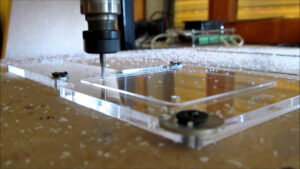
| CNC Machining (Aluminum CNC Machining) | Subtractive prototype manufacturing process using CNC machines to precisely cut aluminum blocks into desired shapes. | High precision and accuracy, excellent surface finish, wide range of aluminum alloys can be machined, suitable for complex geometries. | Functional prototypes used for fit, form, and function testing, high-precision components, molds and tools for other manufacturing processes. |
| Direct Metal Laser Sintering (DMLS) | Additive manufacturing techniques where a laser fuses aluminum powder layer by layer to build the prototype. | Highly complex geometries possible, intricate internal features, minimal material waste, good material properties. | Complex metal prototypes, lightweight structures, parts with internal channels or lattices, customized components. |
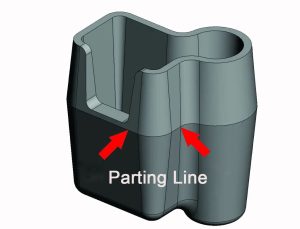
| Aluminum Die Casting (Rapid Tooling) | Uses rapid tooling process to create molds quickly, then employs the aluminum die casting casting process to produce aluminum parts. | Faster and more cost-effective for producing multiple aluminum parts once the mold is ready, good for simulating mass production casting process. | Larger quantities of prototype parts, prototypes and production parts for initial market testing, parts requiring casting process characteristics. |
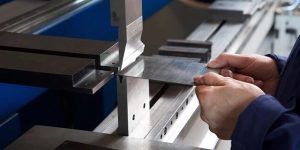
| Sheet Metal Fabrication (Aluminum Sheet Metal Fabrication) | Forming sheet metal prototypes from sections of the aluminum through processes like cutting, bending, and welding. | Cost-effective for thin-walled aluminum parts, good for enclosures, brackets, and structural components, relatively fast turnaround. | Enclosures, brackets, panels, chassis components, sheet metal prototypes, parts with uniform thickness. |
The choice of common rapid prototyping processes depends heavily on the specific requirements of the prototype, including geometry, material properties, quantity, and budget.
How Does CNC Machining Excel in Aluminum Rapid Prototyping?
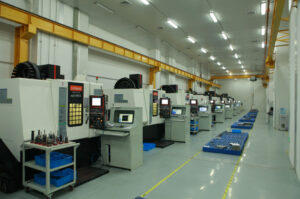
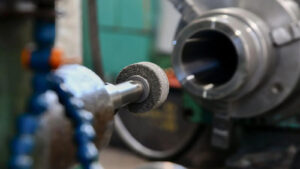
CNC machine machining aluminum, particularly aluminum cnc machining, stands out as a leading subtractive prototype manufacturing method in aluminum rapid prototyping due to its exceptional precision and accuracy and versatility. It’s a process where a CNC machine precisely removes material from an aluminum block to create the desired prototype parts.
Here’s why aluminum cnc excels:
- Unmatched Precision and Accuracy: CNC machines offer incredibly tight tolerances and dimensional accuracy, making them ideal for creating high-precision aluminum prototype parts that require exact specifications. This precision and accuracy is crucial for functional testing and ensuring proper fit and assembly.
- Wide Range of Aluminum Alloys: CNC machining can handle a vast wide range of aluminum alloys, from common grades like 6061 and 7075 to more specialized alloys. This allows for the selection of the optimal aluminum alloy based on the desired mechanical properties, corrosion resistance, and other performance requirements of the prototype.
- Excellent Surface Finish: CNC machining produces machined parts with superior surface finishes compared to many other rapid prototyping methods. This is important not only for aesthetics but also for functional aspects like sealing surfaces or bearing interfaces.
- Robust Material Properties: CNC machined parts retain the full mechanical properties of the original aluminum block. This is a significant advantage over some additive manufacturing techniques where material properties might be slightly different from wrought alloys.
- Versatility in Geometry: While DMLS excels in highly complex internal geometries, CNC machines are highly capable of producing a wide range of external and moderately complex internal geometries with high precision and accuracy.
- Scalability to Production: CNC machining is not just for prototypes; it’s also a widely used manufacturing process for production parts. This makes the transition from prototype manufacturing to low-volume or even mass production smoother when using CNC machining as the prototyping method.
For applications demanding high precision and accuracy, excellent material properties, and a wide material selection, aluminum cnc machining is often the preferred rapid prototyping service for aluminum prototypes.
What is Direct Metal Laser Sintering (DMLS) and its Role in Aluminum Prototyping?
Direct Metal Laser Sintering (DMLS) is a powerful additive manufacturing technique that plays a significant role in aluminum rapid prototyping, especially when complexity and design freedom are paramount. DMLS, a type of 3D printing or rapid prototyping method, builds metal prototypes layer by layer by selectively fusing aluminum powder with a high-powered laser.
Here’s how DMLS contributes to aluminum prototyping:
- Unmatched Design Complexity: DMLS excels at creating highly complex geometries, including intricate internal features, conformal cooling channels, and lattice structures that are virtually impossible to achieve with subtractive prototype manufacturing methods like CNC machineing. This prototyping allows for optimized designs and functional integration.
- Lightweighting Potential: DMLS is ideal for creating lightweight aluminum prototype parts with optimized strength-to-weight ratios. Lattice structures and hollow designs can be readily produced, reducing material usage and part weight without compromising structural integrity.
- Customization and Design Iteration: DMLS facilitates rapid design iteration and customization. Design changes can be implemented in the CAD model and a new prototype can be 3d printed relatively quickly, accelerating the design process.
- On-Demand Manufacturing: DMLS is well-suited for on-demand prototype manufacturing and low-volume production. Parts are built directly from digital data, eliminating the need for tooling and reducing lead times for small batch production.
- Material Efficiency: DMLS is a relatively material-efficient process compared to subtractive prototype manufacturing. Unfused aluminum powder can be recycled and reused, minimizing waste.
However, DMLS also has considerations:
- Surface Finish: DMLS parts typically have a rougher surface finish compared to CNC machined parts, which may require post-processing depending on the application.
- Build Size Limitations: DMLS machines have build chamber size limitations, which might restrict the size of aluminum prototypes that can be produced in a single build.
- Cost: DMLS can be more expensive than CNC machining for simpler geometries, especially for larger volumes.
Despite these considerations, DMLS is an indispensable rapid prototyping method for aluminum when complex geometries, lightweighting, and design freedom are critical requirements in the prototyping project.
How Does Aluminum Die Casting Fit into Rapid Prototyping?
Aluminum die casting, while traditionally a mass production process, has been adapted for rapid prototyping through rapid tooling processes. It offers a unique approach to aluminum prototype manufacturing, particularly when simulating the characteristics of high-volume casting processes is important or when larger quantities of prototype parts are needed.
Here’s how aluminum die casting is used in rapid prototyping:
- Simulating Production Casting: Aluminum die casting prototyping is often employed when the final production method will be die casting. It allows for creating a prototype that closely replicates the material properties, surface finish, and overall characteristics of die-cast aluminum parts. This is crucial for functional testing and validation in applications where die casting is the intended manufacturing process.
- Producing Multiple Prototypes Quickly: Once rapid tooling (molds) is created, aluminum die casting can produce multiple aluminum prototype parts relatively quickly and cost-effectively compared to CNC machining or DMLS for larger quantities. This makes it suitable for initial market testing or when multiple prototypes used for various tests are required.
- Cost-Effective for Moderate Volumes: For prototyping and low-volume production runs where die casting is the desired manufacturing process, rapid tooling and aluminum die casting can be more economical than machining or DMLS, especially as the number of prototype parts increases.
- Larger Part Sizes: Compared to DMLS, aluminum die casting can handle larger prototype sizes, although still limited by the machine and tooling capabilities.
However, there are also limitations:
- Tooling Lead Time: Even with rapid tooling, creating molds for aluminum die casting takes longer than preparing for CNC machining or DMLS. It’s not as “rapid” as other rapid prototyping methods in terms of initial setup.
- Design Changes: Making significant design changes after molds are created can be costly and time-consuming. Die casting prototyping is best suited when the design is relatively stable.
- Geometric Complexity: While die casting can produce complex shapes, it’s generally less flexible than DMLS in terms of intricate internal geometries or highly customized features.
Aluminum die casting in rapid prototyping bridges the gap between true rapid prototyping methods like CNC machining and DMLS and mass production casting processes. It’s a valuable approach when simulating die-cast parts or needing moderate volumes of aluminum prototype parts quickly and cost-effectively.
What Industries Benefit Most from Aluminum Rapid Prototyping Services?
A wide range of industries benefit significantly from aluminum rapid prototyping services, leveraging its speed, precision, and aluminum‘s lightweight yet strong properties. Industries where rapid iteration, functional testing, and high-performance materials are critical are prime beneficiaries.
Here are some key industries that heavily rely on aluminum rapid prototyping:
- Aerospace: The aerospace industry demands lightweight, high-strength components. Aluminum rapid prototyping is crucial for developing and testing aircraft parts, satellite components, and drone structures, accelerating innovation and reducing development timelines.
- Automotive: In the automotive sector, aluminum rapid prototyping is used extensively for designing and testing new vehicle components, from engine parts and chassis elements to interior trim and body panels. Lightweighting and performance are key drivers.
- Consumer Electronics: The fast-paced consumer electronics industry relies on aluminum rapid prototyping to quickly develop and refine designs for electronic enclosures, heat sinks, and structural components in laptops, smartphones, and other devices. Aesthetics and thermal management are important factors.
- Medical Devices: The medical device industry utilizes aluminum rapid prototyping for creating surgical instruments, medical equipment housings, and components for diagnostic devices. Biocompatibility (with appropriate aluminum alloy selection and finishing) and precision are crucial.
- Industrial Equipment: Manufacturers of industrial machinery and equipment use aluminum rapid prototyping for developing and testing gears, housings, brackets, and other components that require strength, durability, and often corrosion resistance.
- Robotics: The robotics industry benefits from aluminum rapid prototyping for creating lightweight yet robust robot chassis, arms, and structural elements, enabling faster development and iteration of robotic systems.
Essentially, any manufacturing industry that values speed, design flexibility, functional testing, and the properties of aluminum can benefit from integrating aluminum rapid prototyping services into their product development workflows.
Finding the Right Aluminum Rapid Prototyping Service Provider
Choosing the right aluminum rapid prototyping service provider is crucial for the success of your prototyping project. The ideal provider should not only possess the necessary manufacturing technologies and prototyping capabilities but also offer expertise, quality aluminum prototype output, and excellent customer service.
Here are key factors to consider when selecting a provider:
- Technology and Material Capabilities: Ensure the provider offers the rapid prototyping methods that align with your prototyping needs, whether it’s CNC machining, DMLS, aluminum die casting, sheet metal fabrication, or a combination. Verify their experience working with the specific aluminum alloys required for your application. Sunrise metal uses a wide range of aluminum alloys and offers various manufacturing technologies.
- Quality and Precision: Inquire about the provider’s precision and accuracy capabilities and quality control processes. Ask for sample parts or case studies to assess the quality aluminum prototype they can deliver. Sunrise metal offers high precision aluminum cnc machining and DMLS services.
- Turnaround Time and Lead Times: Discuss typical prototype can take prototype lead times and turnaround times. Ensure they can meet your project deadlines and offer the speed you require for rapid prototyping.
- Expertise and Engineering Support: A good provider should offer engineering support and expertise to assist with design optimization for rapid manufacturing, material selection, and manufacturing process selection. Look for a provider with a knowledgeable engineering team.
- Finishing and Post-Processing Services: Determine if the provider offers necessary finishing services like surface treatment, anodizing, painting, or assembly to deliver a complete prototype solution.
- Communication and Customer Service: Evaluate the provider’s communication responsiveness and customer service. A smooth and efficient communication process is essential for a successful prototyping project. Sunrise metal offers excellent customer service and project management.
- Cost and Value: While cost is a factor, focus on value. Consider the overall cost-effectiveness, including quality aluminum prototype, speed, expertise, and the provider’s ability to help you achieve your prototyping project goals efficiently.
By carefully evaluating these factors and choosing a reputable and capable aluminum rapid prototyping service provider like aluminum rapid prototyping Manufacturing plants for products, you can ensure a successful prototyping project and accelerate your product development process.
FAQs
What is the typical turnaround time for aluminum rapid prototypes?
Turnaround time varies depending on the complexity of the prototype and the chosen rapid prototyping method. CNC machining and sheet metal fabrication can often deliver prototypes in days, while DMLS and aluminum die casting might take slightly longer due to setup and build times. However, all rapid prototyping methods are significantly faster than traditional methods.
What aluminum alloys are commonly used in rapid prototyping?
Aluminum is the most common alloy grades like 6061, 7075, 5052, and A356 are frequently used in aluminum rapid prototyping due to their excellent machinability, strength, and availability in various forms suitable for different manufacturing technologies. Sunrise metal uses high-strength aluminum alloys and other grades.
Can aluminum rapid prototypes be used for functional testing?
Yes, absolutely. Aluminum prototypes made through rapid prototyping are functional and made from real aluminum alloys, making them ideal for rigorous functional testing, performance validation, and fit checks.
What is the surface finish quality of aluminum rapid prototypes?
Surface finish varies by rapid prototyping method. CNC machined parts typically have excellent surface finishes. DMLS parts are rougher and may require post-processing. Aluminum die casting surface finish depends on mold quality and casting process parameters. Providers often offer finishing services to improve surface quality.
Is aluminum rapid prototyping suitable for large parts?
CNC machining and sheet metal fabrication can handle larger aluminum parts. DMLS has build volume limitations, while aluminum die casting tooling can be created for various sizes, although very large parts might still be challenging for rapid prototyping in all methods.
Comments
Latest Posts
Related Blogs
Senyo’s blog is focused on sharing our extensive knowledge of prototype manufacturing. Through our articles, we aim to support you in refining your product design and navigating the complexities of rapid prototyping more effectively.