Best Rapid Prototype Company: From Prototype to Production
Table of Contents
Conclusion
This article explores the world of rapid prototype development, focusing on how a rapid prototype company can accelerate your product development cycle. We’ll delve into various prototyping service options, the advantages of choosing the right manufacturing services, and how to seamlessly transition from prototype to low-volume manufacturing. Understanding these aspects is crucial for anyone looking to bring a new product to market quickly and efficiently.
- Prototyping is essential for identifying design flaws and saving money.
- A rapid prototype company accelerates product development.
- Rapid prototyping service offers speed and cost-effectiveness.
- CNC machine provides precise prototype parts.
- Injection molding validates designs for mass production.
- Rapid tooling speeds up mold creation.
- Digital manufacturing improves design flexibility.
- Low-volume manufacturing bridges prototyping and mass production.
- Choose the best rapid manufacturing partner carefully.
- Consider manufacturing capabilities and customer service.
What is a Rapid Prototype Company and What Prototyping Service Do They Offer?
A rapid prototype company specializes in quickly creating prototypes using various rapid prototyping technologies. These companies offer a range of prototyping service options, including CNC machine services, injection molding, sheet metal fabrication, and vacuum cast, allowing them to cater to diverse needs and industries. They leverage technologies like 3D printed models to accelerate the rapid prototyping process.
These companies often provide comprehensive manufacturing services, guiding clients from initial concept to final production parts. They can assist with material selection, design optimization, and manufacturing process planning, ensuring that the final product meets the required specifications and performance standards. A rapid prototype company such as hlh rapid can be a valuable asset for businesses looking to get to market faster.
What Are the Most Common Rapid Prototyping Technologies Used Today?
The landscape of rapid prototyping technologies has expanded dramatically in recent years, with each method offering distinct advantages for specific applications.
Additive manufacturing, commonly known as 3D printing, builds objects layer by layer from digital models. This approach excels at creating complex geometries that would be difficult or impossible with traditional methods. Various additive manufacturing technologies exist, from fused deposition modeling (FDM) for quick concept models to selective laser sintering (SLS) for functional prototype parts.
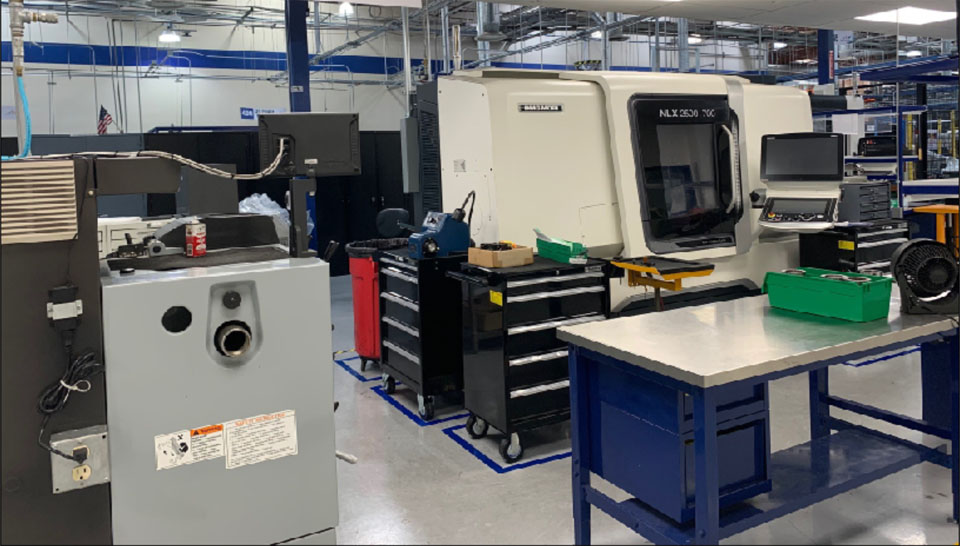
CNC machining represents a subtractive process where material is removed from a solid block to create the desired shape. CNC prototyping delivers exceptional accuracy and can work with a wide range of materials, including metals, plastics, and composites. For products requiring tight tolerances, CNC services often provide the precision needed for functional testing.
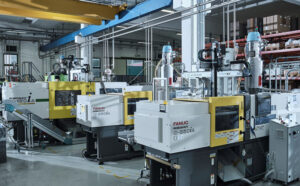
Injection molding creates parts by injecting molten material into a mold cavity. While traditionally associated with mass production, rapid injection molding has emerged as a valuable prototyping method for projects requiring multiple identical parts or materials that match production specifications. Many prototyping companies now offer rapid tooling solutions to expedite this process.
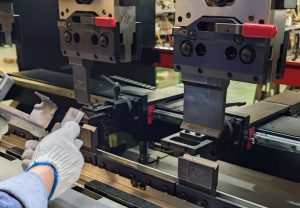
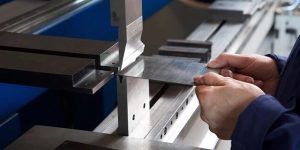
Sheet metal fabrication techniques create prototypes from metal sheets through cutting, bending, and joining processes. Rapid sheet metal services are ideal for enclosures, brackets, and structural components, particularly when metal parts are required for thermal or structural testing.
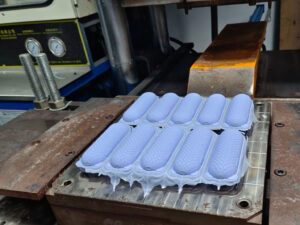
Vacuum casting uses silicone molds created from master patterns to produce small batches of plastic parts. This prototyping method excels at replicating the appearance and feel of injection-molded products without the cost of production tooling.
What Materials Can Be Used in Rapid Prototyping?
The range of materials available for rapid prototyping has expanded dramatically, now encompassing nearly every material category found in traditional manufacturing. This materials versatility allows prototypes to closely match the properties of production parts.
For plastic parts, options range from standard ABS and polycarbonate to engineering-grade thermoplastics like PEEK and ULTEM. Rapid prototyping technologies can also incorporate elastomers and flexible materials that mimic rubber or silicone components.
Metal prototyping has advanced significantly, with CNC machining capable of working with aluminum, steel, titanium, and other alloys. Newer additive manufacturing technologies can produce complex metal parts directly from metal powders, opening new possibilities for lightweight structures and internal features.
Composite materials combining plastic matrices with reinforcing fibers deliver exceptional strength-to-weight ratios for specialized applications. Ceramic and glass materials are also becoming more accessible through specialized prototyping processes.
Material selection should consider not only the functional requirements of the prototype but also how closely the material needs to match the properties of the production part. A prototyping method that accommodates your specific material needs is essential for meaningful testing and validation.
How Do You Transition from Prototype to Production?
The journey from prototype to production represents a critical phase where design meets manufacturing reality. A successful transition requires careful planning and partnership with experienced manufacturing services providers.
The first step involves design for manufacturability (DFM) review, where engineers analyze the prototype design for mass production feasibility. This often leads to modifications that preserve functionality while optimizing for efficient manufacturing. Features that work perfectly in a prototype might need adjustment to accommodate high-volume production methods.
Next comes tooling development for production processes like injection molding or stamping. While rapid tooling suffices for prototypes and low-volume runs, production tooling must withstand thousands or millions of cycles. This represents a significant investment that must be carefully planned and executed.
Manufacturing process development transforms the prototyping approach into a repeatable, efficient production system. This includes designing fixtures, programming automated equipment, and establishing quality control protocols. The goal is to create a robust manufacturing process that delivers consistent results at scale.
Pilot production runs bridge the gap between prototyping and full production, testing the manufacturing process while producing small batches of product. These initial runs help identify and resolve any remaining issues before committing to large-scale production.
Throughout this transition, maintaining close collaboration between design and manufacturing teams is essential. The prototyping company that helped develop your prototype can often provide valuable guidance or even serve as your manufacturing partner for production.
What Industries Benefit Most from Rapid Prototyping Services?
Rapid prototyping technologies have transformed product development across virtually every industry, though some fields have particularly embraced these capabilities.
The medical device industry leverages rapid prototyping to develop complex, customized devices with unprecedented speed. From surgical instruments to patient-specific implants, these technologies enable innovations that were previously impractical or impossible. The ability to iterate quickly addresses the rigorous testing and validation requirements of medical products.
Consumer electronics manufacturers use rapid prototyping to keep pace with accelerating product lifecycles. New smartphones, wearables, and smart home devices can move from concept to market in months rather than years, with multiple design iterations ensuring optimal user experience.
Automotive companies employ rapid prototyping for everything from interior components to under-hood systems. The automotive industry’s focus on weight reduction and fuel efficiency benefits from the design freedom offered by advanced manufacturing technologies like additive manufacturing.
Aerospace and defense contractors utilize rapid prototyping to develop lightweight, high-performance components that push the boundaries of traditional manufacturing. The ability to create complex internal structures and consolidated assemblies drives innovation in aircraft and spacecraft design.
Industrial equipment manufacturers leverage rapid prototyping to customize machinery components for specific applications without the prohibitive costs of traditional customization. This enables more responsive, application-specific solutions for their customers.
What Should You Look for in a Manufacturing Partner for Prototyping and Production?
Finding the right manufacturing partner can make the difference between a struggling product development effort and a streamlined success story. Several key factors should influence your selection decision.
Technical capabilities top the list—look for a partner whose manufacturing capabilities align with both your prototyping and production needs. A company offering diverse prototyping services including CNC machining, injection molding, sheet metal fabrication, and additive manufacturing provides valuable flexibility as your project evolves.
Quality management systems indicate a partner’s commitment to consistent, high-quality output. Certifications like ISO 9001 demonstrate adherence to recognized quality standards, while industry-specific certifications (like ISO 13485 for medical devices) show specialized expertise.
Communication and project management processes reveal how smoothly your collaboration will likely proceed. The best rapid prototyping companies provide transparent updates, responsive service, and collaborative problem-solving. Their project management systems should give you visibility into progress and confidence in meeting deadlines.
Engineering support capabilities determine how much value the partner can add beyond simply manufacturing your design. Partners who can contribute design for manufacturing insights, material selection guidance, and cost optimization suggestions become valuable extensions of your development team.
Scalability ensures your chosen partner can grow with your needs from prototype to low-volume production and potentially to high-volume manufacturing. This continuity preserves institutional knowledge about your product and eliminates the disruption of switching manufacturers mid-development.
8 Chinese Outstanding Rapid Prototype Company
1.Rapid Prototype Company: CNC Rapid Prototyping Services | Rapid Direct
Rapid Prototyping company,Rapid Prototyping Services is a global rapid prototyping services provider in China. Offer high quality rapid prototyping services.
2. Star Rapid – Low-Volume Manufacturing & Prototyping
starrapid.com
Low-volume manufacturing, bridge tooling, bridge production, complete services including 3D metal printing and CNC machining.
Rapid Prototyping · Manufacturing facilities in China ·
3. Rapid Tooling | Rapid Prototyping Services China
NICE Rapid Tooling China provides complete Rapid Tooling, rapid prototyping china, rapid prototyping services and solutions all over the world.
4. CNC Prototyping, Rapid Prototyping Company, | 3E
CNC Prototyping,Rapid Prototyping Company offers full Rapid Prototyping China, CNC prototype and rapid tooling solutions all over the world with all prototype tools, low volume CNC etc.
5. Rapid Prototype Manufacturing in China – WayKen
WayKen is the leading rapid prototype manufacturing company in China, offering professional rapid prototyping and CNC machining services at a lower cost.
6. 3D Print Rapid Prototype, injection Mould, CNC & Precision Machining …
hlhprototypes.com
Conveniently located in Shenzhen, China (next to Hong Kong), HLH provide bespoke project solutions that can be tailored to meet your specific project requirements. Highly flexible, value for money manufacturing services for all of your prototype, tooling and production parts.
7. China CNC Machining Service – Rapid Prototyping – SuNPe Inc.
sunpe.com/
SuNPe is one of the biggest professional rapid prototyping companies in China. Can offer an excellent level of quality, service and reliability, in a very short lead-time and at low cost. Rapid prototyping, rapid tooling and low volume production are our core competencies, which we provide to worldwide customers.
8. Rapid Prototyping China | China Rapid Prototyping
senyorapid.com
Senyo Rapid is a leading Rapid prototype manufacturing company in China. We provide high quality rapid prototype products. For more details call us@ +86-15862339848/Whatsapp
Latest Posts
Related Blogs
Senyo’s blog is focused on sharing our extensive knowledge of prototype manufacturing. Through our articles, we aim to support you in refining your product design and navigating the complexities of rapid prototyping more effectively.