Prototype Plastic Injection Molding: Product Development
Table of Contents
Conclusion
In today’s fast-paced manufacturing world, prototype plastic injection molding stands out as a transformative process that enables companies to bring their ideas to life swiftly and effectively. This article dives deep into the intricacies of prototype injection molding, exploring its benefits, processes, and applications. If you’re interested in understanding how this technique can enhance product development and accelerate time-to-market, you’re in the right place!
- Prototype Injection Molding is an essential tool for testing and refining product designs before mass production.
- Aluminum molds and 3D printed molds are often used for prototypes due to their cost-effectiveness and faster production times.
- The prototype molding process is highly versatile, offering the ability to test various materials and designs at an early stage.
- Working with an experienced injection molding service can help you optimize the design and manufacturing process, ensuring high-quality prototypes and efficient turnaround times.
By understanding the ins and outs of prototype plastic injection molding, you can make informed decisions that speed up your product development and reduce risks in the manufacturing process.
What is Prototype Plastic Injection Molding?
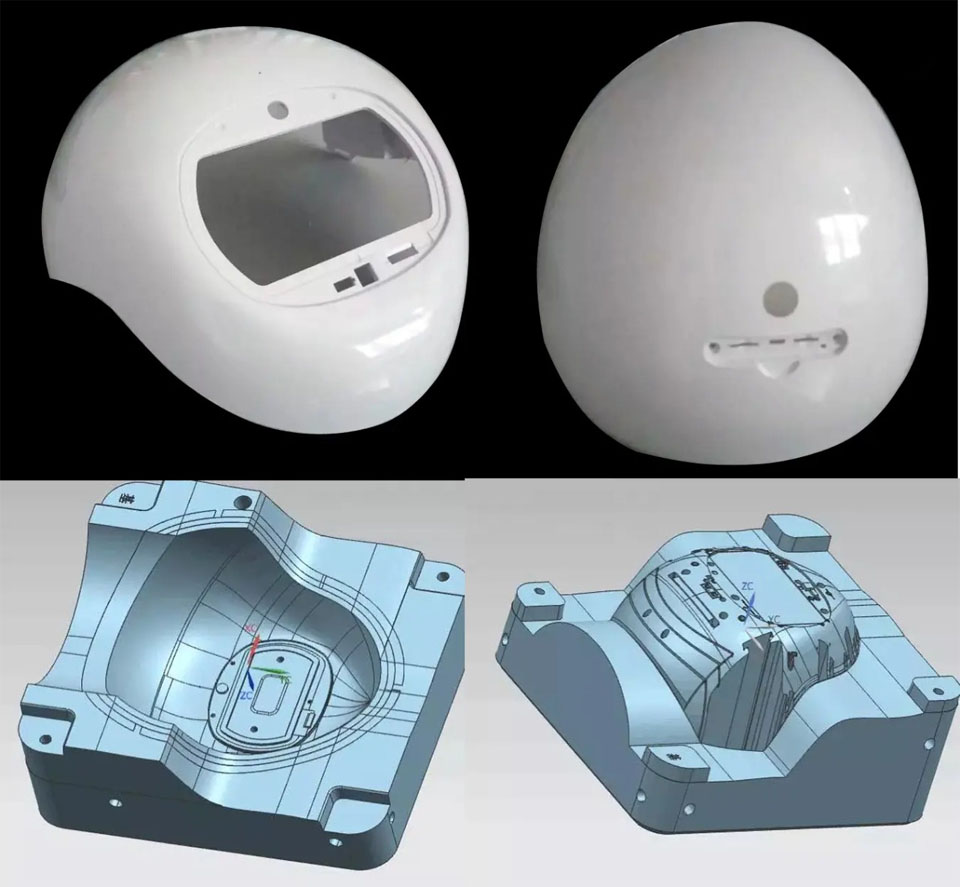
Prototype plastic injection molding refers to a process where molten plastic is injected into a mold to create parts that serve as prototypes for product development. This method is particularly advantageous for its ability to produce high-quality, prototype plastic injection molding quickly and affordably.
The molding process begins with designing a prototype tool, which is crucial for the accuracy and functionality of the final product. Unlike traditional methods, prototype injection molding allows for rapid adjustments and iterations, making it an ideal choice for industries that demand speed and precision.
How Does the Prototype Plastic Injection Molding Process Work?
The prototype plastic injection molding process involves several key steps. First, the design phase includes creating a 3D model of the desired part. This is followed by the fabrication of the mold itself, often using CNC machining or 3D printing techniques. Once the mold is ready, injection molded parts are produced by injecting heated plastic into the mold cavity.
After the plastic cools and solidifies, the mold opens, and the finished parts are ejected. This process can be repeated multiple times, allowing for consistent production of injection molded prototypes.
What Are the Benefits of Using Prototype Plastic Injection Molding?
Prototype plastic injection molding offers several advantages over traditional methods like 3D printing or handcrafting models. Some key benefits include:
- Faster Turnaround Time: Aluminum and 3D printed molds are faster to produce than steel molds, allowing prototypes to be created in a fraction of the time.
- High Precision and Detail: The injection molding process allows for the creation of parts with high precision, capturing even the finest details in the design.
- Cost-Effective: While full-scale production molds are expensive, prototype molds made from aluminum or 3D printed materials are significantly cheaper, reducing the cost of developing early-stage prototypes.
- Material Variety: Prototype plastic injection molding can be used with a wide variety of thermoplastics, allowing for testing of different material properties before making a decision on the final material for mass production.
- Functional Testing: Prototypes produced through injection molding are functional parts, not just visual representations. This allows for real-world testing and validation of design concepts.
By using prototype plastic injection molding, manufacturers can test the fit, form, and functionality of their designs before committing to mass production.
What is the Difference Between Prototype and Production Injection Molding?
Prototype injection molding and production injection molding both involve similar processes, but the key differences lie in the tooling, materials, and purpose of the parts produced:
- Tooling: Prototype molds are often made from aluminum or 3D printed materials, whereas production molds are typically made from steel, which is more durable and capable of withstanding the high pressures of mass production runs.
- Material Choice: Prototype plastic injection molding can use a wider range of materials that are less expensive, while production injection molding uses higher-quality, more durable materials that are better suited for long-term use.
- Part Quantity: Prototype injection molding is ideal for creating small quantities of parts (usually fewer than a thousand units), while production injection molding is intended for mass production with higher quantities of parts.
- Purpose: The purpose of prototype injection molding is to test and refine the design of a part, whereas production injection molding focuses on creating large quantities of parts for sale or distribution.
Understanding these differences is critical when deciding whether to use prototype injection molding or move forward with full-scale production.
When Should You Use a Prototype Injection Mold?
Prototype injection molds are ideal in several scenarios:
- Early Design Validation: When you need to quickly assess the functionality and fit of a new part or product design.
- Pre-Production Testing: If you’re unsure about the durability or manufacturing feasibility of a part, prototype injection molds provide a cost-effective way to test different materials and design features.
- Low-Volume Production: When you need to create a limited number of parts for testing, marketing, or customer feedback.
- Product Development Iterations: Prototype molds are perfect for refining designs in multiple stages, ensuring that each new version of the part is closer to the final product.
By using a prototype injection mold, you can ensure that your part meets all functional, aesthetic, and cost criteria before moving to large-scale production.
What is Rapid Prototyping and How Does It Relate to Injection Molding?
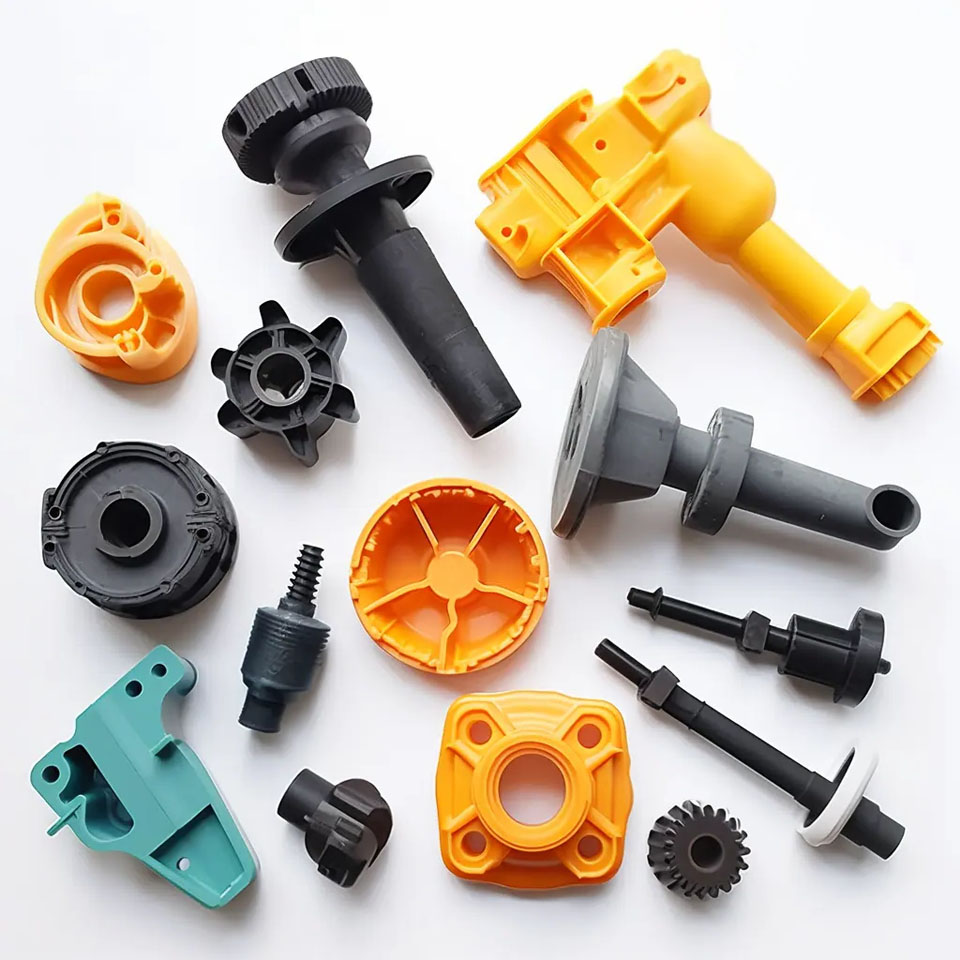
Rapid prototyping refers to the quick creation of physical models from digital designs, enabling designers and engineers to test, refine, and validate concepts before mass production. Prototype injection molding is often considered a form of rapid prototyping, as it allows for the fast creation of functional prototypes from a wide range of materials.
While traditional rapid prototyping methods such as 3D printing can create prototypes quickly, injection molding offers the advantage of producing parts with more durability, precision, and material variety. Rapid injection molding, specifically, refers to using expedited molding techniques to produce prototypes at a faster pace, often with shorter lead times and lower costs.
What Are the Different Types of Injection Mold Designs?
There are various injection mold designs, each suited for different applications. Common types include:
- Single Cavity Molds: Ideal for low-volume production, these molds produce one part per cycle.
- Multi-Cavity Molds: Designed to produce multiple identical parts simultaneously, these molds are efficient for larger production runs.
- Family Molds: These molds can create different parts in a single cycle, optimizing production and reducing costs.
Understanding the types of molds available will help you make informed decisions based on your project needs.
How Does Rapid Prototyping Differ from Traditional Prototyping?
Rapid prototyping is a method that focuses on quickly fabricating a scale model of a physical part using 3D printing or other additive manufacturing techniques. In contrast, traditional prototyping often involves more time-consuming processes like machining or manual assembly. Key differences include:
- Speed: Rapid prototyping can significantly cut lead times, allowing for faster iterations.
- Flexibility: Changes can be made quickly without the need for new molds or tooling.
- Cost: While traditional methods may incur higher costs for tooling, rapid prototyping can be more budget-friendly for initial tests.
These distinctions make rapid prototyping a valuable strategy for companies looking to innovate.
How to Choose the Right Material for Your Prototype Mold
The material you choose for your prototype mold can significantly impact the performance, cost, and turnaround time of your prototype parts. Common materials include:
- Aluminum: Fast to machine and inexpensive, aluminum is commonly used for prototype molds, providing a good balance between cost and durability.
- 3D Printed Materials: Ideal for low-volume prototypes, 3D printed molds are the fastest and cheapest option but may not offer the same strength as aluminum or steel.
- Steel and Stainless Steel: While expensive and time-consuming, steel is ideal for production molds that will be used for large-scale manufacturing.
How to Optimize Part Design for Prototype Plastic Injection Molding?
Optimizing your part design for prototype injection molding involves several considerations:
- Wall Thickness: Maintaining uniform wall thickness can prevent defects during the molding process.
- Draft Angles: Incorporating draft angles facilitates easier ejection from the mold, reducing the risk of damage.
- Rib Design: Adding ribs can enhance strength without increasing the material used.
By following these design principles, you can improve the efficiency and quality of your injection molded parts.
FAQs
What is the primary advantage of prototype injection molding?
- The primary advantage is its ability to produce high-quality prototypes quickly and cost-effectively.
What is the role of 3D printing in injection molding?
- 3D printing enhances the process by enabling rapid mold creation and the ability to produce complex geometries.
How can I optimize my part design for injection molding?
- Focus on uniform wall thickness, incorporate draft angles, and consider rib design to enhance strength.
Can prototype injection molds be reused for production runs?
- Prototype molds are usually not suitable for mass production because they are made from less durable materials, but they can be used for small production runs or testing.
What is the cost of prototype injection molding?
- The cost can vary widely based on the complexity of the mold, the materials used, and the volume of prototypes required, but it is generally much cheaper than full-scale production molding.
Comments
Latest Posts
Related Blogs
Senyo’s blog is focused on sharing our extensive knowledge of prototype manufacturing. Through our articles, we aim to support you in refining your product design and navigating the complexities of rapid prototyping more effectively.