CNC Metal Lathe Guide: Unlocking Precision in Production
Table of Contents
Conclusion
CNC metal lathe is revolutionizing the way we approach machining and manufacturing. These advanced machines offer precision, versatility, and the ability to work with a variety of materials. Whether you’re a seasoned professional or a novice hobbyist, understanding CNC lathe technology is essential in today’s manufacturing landscape. This article will explore the intricacies of CNC lathe machines, their capabilities, and how they can enhance your craftsmanship.
Why Read This Article?
If you’re looking to dive into the world of CNC metal lathe, this guide is perfect for you. It covers everything from the basics of CNC technology to advanced programming techniques. You will discover the types of CNC lathes available, their applications in prototyping and light production, and how to select the best machine for your needs. With insights, tips, and useful information throughout, this article is a valuable resource for anyone interested in machining.
What is a CNC Lathe Machine?
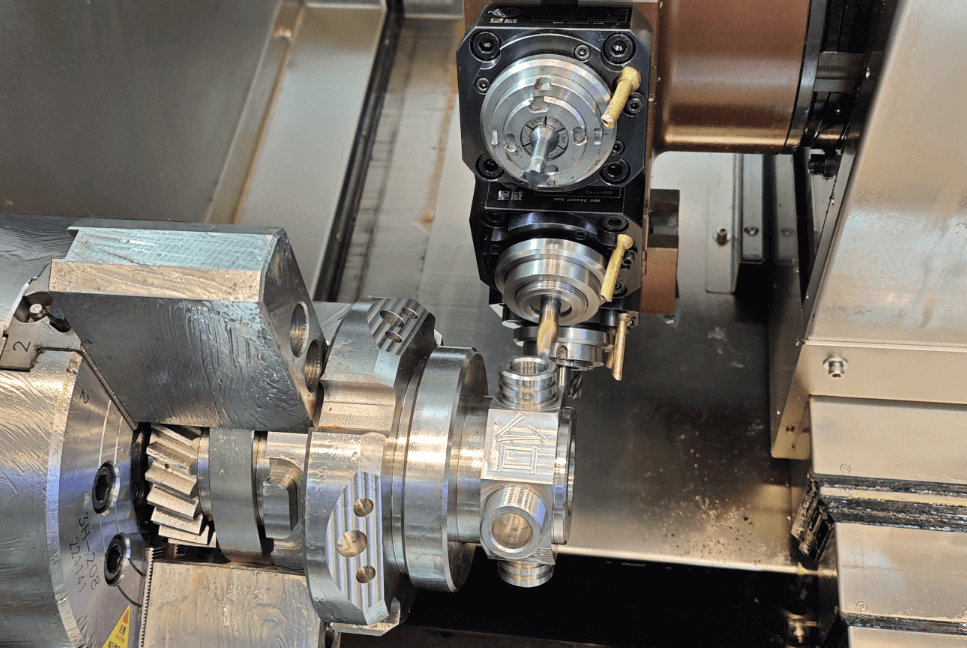
CNC lathe is a computer-controlled tool used for molding materials such as metal, wood, and plastic. The term CNC stands for “computer numerical control” and refers to a technology that allows machines to perform complex designs with high precision. Numerical control lathes can perform various operations, including turning, drilling, and threading, which makes them crucial in manufacturing environments.
CNC lathes are designed to automate machining tasks, reduce the need for manual labor, and minimize human errors to the greatest extent possible. This saves time and improves the quality of the finished product. The integration of CAD (Computer Aided Design) allows for complex designs to be carried out with minimal effort. Overall, CNC lathes are game-changers in the field of mechanical processing.
This article focuses on the application of CNC machine tools in metal processing.
How Does CNC Metal Lathe Work?
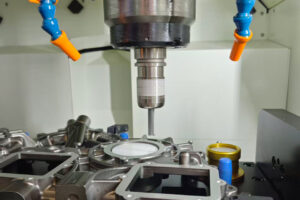
At its core, a CNC lathe rotates a workpiece against a stationary cutting tool. The CNC system interprets digital commands that dictate the machine’s movements and actions. Operators use software to create a program that outlines the desired specifications, such as dimensions and shapes.
The machine’s control panel, often user-friendly, allows operators to monitor and adjust settings in real time. This interaction is crucial for achieving the desired results, especially when working with different materials or creating prototypes. By eliminating the need for manual adjustments, CNC lathes streamline the machining process and enhance efficiency.
What Types of CNC Metal Lathe are Available?
CNC metal lathe come in various types, each designed for specific applications. The primary categories include:
- 2-Axis CNC Lathes: Best for simple turning operations.
- 3-Axis CNC Lathes: Offers more versatility for complex shapes.
- 5-Axis CNC Lathes: Allows for intricate designs by providing additional rotational capabilities.
Each type serves different needs, from hobbyist projects to industrial manufacturing. Understanding the distinctions can help you select the right lathe for your work, whether you’re prototyping or engaging in light production.
What are the Advantages of 5 Axis CNC Metal Lathe?
5 axis CNC lathes offer several advantages over their 3 axis counterparts:
- Increased Precision: The ability to approach the workpiece from multiple angles leads to superior accuracy.
- Complex Designs: Perfect for creating intricate shapes that would be challenging with a standard lathe.
- Reduced Setup Time: Less repositioning of the workpiece is required, streamlining the machining process.
These benefits make 5 axis CNC lathes invaluable in industries that require high precision and complex part production.
How to Choose the Right CNC Metal Lathe for Your Needs?
Selecting the right CNC metal lathe involves considering several factors:
- Project Requirements: Assess the complexity of your designs and the materials you’ll be working with.
- Budget: Determine how much you’re willing to invest in your machine.
- Space Availability: Ensure you have enough room to accommodate the lathe and its operational needs.
By evaluating these criteria, you can find a CNC metal lathe that meets your demands and enhances your production capabilities.
How to Get Started with CNC Metal Lathe Programming?
Getting started with CNC metal lathe programming can seem daunting, but with the right approach, it becomes manageable. Here are some steps to follow:
- Learn the Basics of CNC Programming: Familiarize yourself with G-code and M-code, the languages used to control CNC machines.
- Use Simulation Software: Software like CAD can help visualize and refine your designs before actual machining.
- Start with Simple Projects: Begin with straightforward projects to build your confidence and understanding of the machine’s capabilities.
With practice and patience, you’ll soon be programming intricate designs and maximizing the potential of your CNC metal lathe.
What Materials Can Be Machined with CNC Lathes?
CNC lathes can work with a variety of materials, including:
- Metals: Steel, aluminum, brass, and titanium are commonly machined due to their strength and durability.
- Plastics: Materials like acrylic and polycarbonate offer flexibility and ease of machining.
- Wood: While less common, wood can also be shaped using CNC lathes for certain applications.
Understanding the material properties will help in selecting the right tools and settings for optimal machining results.
Understanding CNC Metal Lathe Machine Tools and Their Applications
Different tools can be attached to a CNC metal lathe machine to achieve a variety of cuts and finishes. These tools include cutting heads, boring bars, and thread-cutting tools, each optimized for specific tasks. Modern CNC machines automatically switch between tools based on the program instructions, enhancing precision and efficiency.
Applications of CNC Metal Lathe Tools
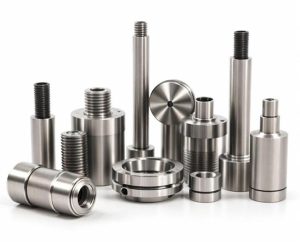
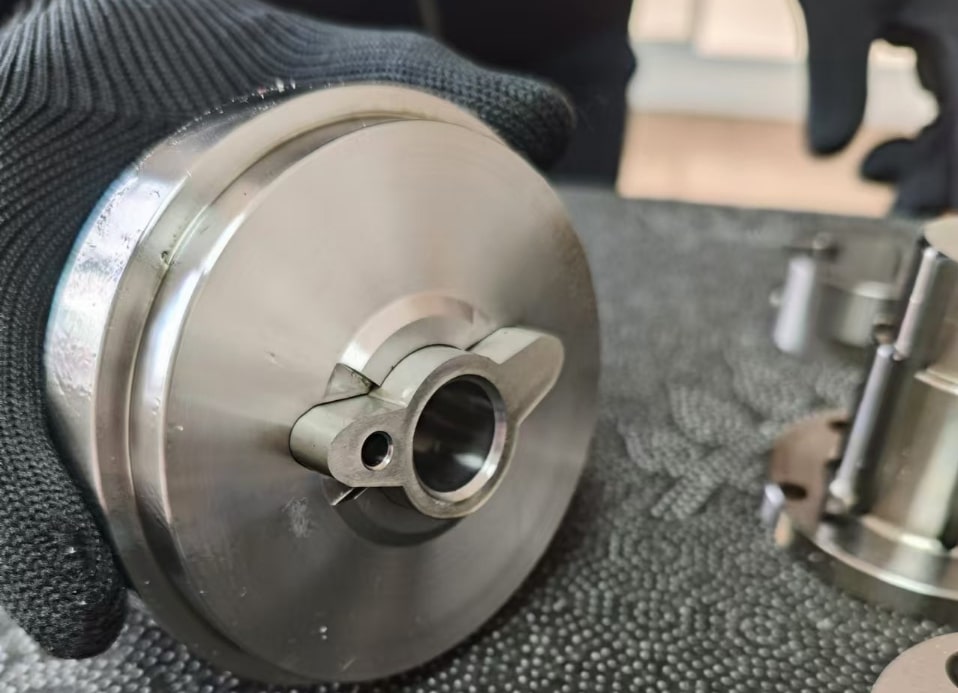
1. Manufacturing various components: Ordinary lathes can process various metal components such as shafts, sleeves, pins, nails, threads, cams, etc., and can perform precision machining according to needs.
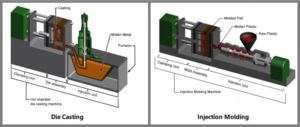
2. Manufacturing molds: Molds are the foundation of various industrial products, and ordinary lathes can manufacture various molds, such as stamping dies, die-casting molds, injection molds, etc.
3. Manufacturing mechanical parts: CNC Metal lathes can process various metal mechanical parts, such as gears, bearings, shaft sleeves, couplings, etc.
4. Manufacturing shaft products: CNC Metal lathes can process various shaft products, such as axles, machine tool spindles, mechanical transmission shafts, etc.
Prototyping with CNC Metal Lathe: A Game-Changer for Craftsmanship and Innovation
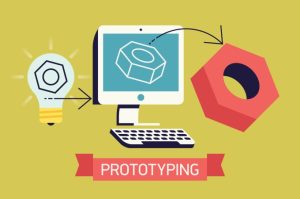
CNC metal lathe have transformed prototyping, making it faster and more cost-effective to bring ideas to life. By using CAD (Computer-Aided Design) software, designers can create precise models that CNC machines then replicate with exacting detail.
Advantages of CNC Lathe Prototyping
- Speed: Prototypes can be created in hours rather than days.
- Precision: Highly accurate measurements ensure the prototype meets specifications.
- Material Variety: CNC lathes can handle multiple materials, from aluminum to plastics.
How is CNC Technology Shaping the Future of Manufacturing?
CNC technology is at the forefront of modern manufacturing, driving innovation and efficiency. Its impact includes:
- Increased Production Speed: Automation reduces the time required for machining, allowing for quicker turnarounds.
- Enhanced Accuracy: CNC lathes achieve tighter tolerances, improving product quality.
- Cost-Effectiveness: Reduced manual labor and waste lead to lower production costs.
As CNC technology continues to evolve, it will play an increasingly significant role in shaping the future of manufacturing across various industries.
FAQs
What is the difference between a CNC lathe and a CNC milling machine?
A CNC lathe rotates the material while a fixed cutting tool shapes it, whereas a CNC milling machine holds the material in place and uses a rotating cutting tool to create designs.
Can CNC metal lathe handle intricate designs?
Yes, especially with advanced models like 5-axis CNC lathes, which can achieve detailed, multi-directional cuts.
Is CNC lathe programming difficult for beginners?
Not necessarily. User-friendly software like PathPilot simplifies the programming process, making it accessible even for novices.
Why are CNC metal lathe essential in prototyping?
CNC lathes provide precision, efficiency, and repeatability, which are critical for creating accurate prototypes quickly and affordably.
Comments
Latest Posts
Related Blogs
Senyo’s blog is focused on sharing our extensive knowledge of prototype manufacturing. Through our articles, we aim to support you in refining your product design and navigating the complexities of rapid prototyping more effectively.