
From Design to Reality: CNC Mills and Lathes in Action
Table of Contents
Summary
In the world of machining, CNC mills and lathes are essential tools that bring unmatched precision, efficiency, and versatility to the manufacturing process. Whether you’re a seasoned machinist or exploring advanced manufacturing technologies, understanding these machines can revolutionize your production capabilities.
This guide will walk you through the benefits of CNC mills and lathes, explain why they are indispensable for modern machine shops, and provide a detailed breakdown of their features, advantages, and applications. If you’re looking to invest in high-quality CNC machines, this is your ultimate resource.

What Are CNC Mills and Lathes?
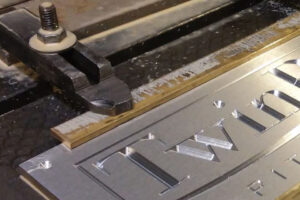
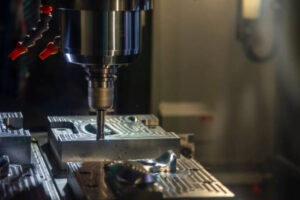
CNC mills and lathes are types of machine tools that utilize computer numerical control (CNC) to automate the machining process. A CNC mill primarily cuts materials using rotating tools, while a CNC lathe shapes materials by rotating the workpiece against a stationary cutting tool.
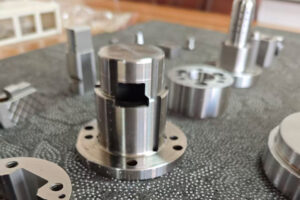
Both machines are essential in modern manufacturing, allowing for high precision and efficiency in producing complex parts.CNC mills are ideal for creating flat surfaces, intricate designs, and holes in various materials, including metals, plastics, and wood. On the other hand, CNC lathes excel in producing cylindrical parts, such as shafts and fittings, making them indispensable in industries like automotive and aerospace.
CNC Mills vs. CNC Lathes: Key Differences Explained
The primary difference between a CNC mill and a CNC lathe lies in how they handle the workpiece:
- CNC mills move cutting tools, while the material remains stationary.
- CNC lathes rotate the workpiece, with tools moving linearly.
Ideal Uses:
| Machine Type | Best For |
|---|---|
| CNC Mill | Intricate cutting and shaping |
| CNC Lathe | Cylindrical or symmetrical parts |
When choosing between the two, consider the material, geometry, and production volume of your projects.
How Does a CNC Machine Work?
CNC machines operate through automation and numerical control, using pre-programmed software to dictate movements.
Process Overview:
- Program Input: Designs are created in CAD/CAM software and transferred to the CNC machine.
- Workpiece Setup: Material is securely mounted on the machine.
- Machining: The machine executes precise cuts, guided by the program.
The ability to create intricate designs with minimal manual intervention makes CNC machines a cornerstone of modern manufacturing.
What Are the Types of CNC Mills and Lathes?
CNC mills and lathes come in various types, each designed for specific applications.
- Types of CNC Mills:
- Vertical Machining Centers (VMCs): These mills have a vertical spindle orientation, making them ideal for machining complex parts with intricate details.
- Horizontal Machining Centers (HMCs): With a horizontal spindle, HMCs are better suited for heavy-duty machining and can handle larger workpieces.
- CNC Bed Mills: These machines have a fixed bed and a movable spindle, providing stability for heavy materials.
- Types of CNC Lathes:
- CNC Turning Centers: These lathes are equipped with live tooling, allowing for milling operations while the workpiece is rotating.
- Cylindrical Lathes: Designed for producing cylindrical parts, these lathes focus on precision and efficiency.
- Multi-Tasking Machines: These advanced lathes combine turning and milling capabilities, offering versatility in machining operations.
What Are the Advantages of Using CNC Machines?
CNC machines offer numerous advantages over traditional machining methods.
- Precision and Accuracy: CNC mills and lathes can produce parts with tight tolerances, ensuring high-quality output.
- Automation: The automation of CNC machines reduces the need for manual intervention, leading to increased productivity and efficiency.
- Complex Geometries: CNC technology allows for the creation of intricate designs that would be challenging or impossible to achieve with manual machining.
- Consistency: Once programmed, CNC machines can produce identical parts consistently, making them ideal for mass production.
How to Choose Between a CNC Mill and a CNC Lathe?
- Choosing between a CNC mill and a CNC lathe depends on the specific requirements of your project. Consider the following factors:
- Part Geometry: If your project involves flat surfaces or complex shapes, a CNC mill is the better choice. For cylindrical parts, a CNC lathe is more suitable.
- Material Type: Different materials may require different machining processes. CNC mills are versatile for various materials, while CNC lathes excel in metals and plastics.
- Production Volume: For high-volume production of cylindrical parts, CNC lathes are often more efficient. Conversely, CNC mills are better for low to medium production runs of complex parts.
What Are the Applications of CNC Mills and Lathes?
CNC mills and lathes are used across various industries, including:
- Aerospace: Precision components for aircraft and spacecraft.
- Automotive: Parts like shafts, gears, and housings.
- Medical: Surgical instruments and implants.
- Manufacturing: Custom tooling and fixtures.
These applications highlight the versatility and importance of CNC technology in modern manufacturing.
What Is Live Tooling in CNC mills and Lathes?
Live tooling is a feature found in some CNC lathes that allows for milling operations while the workpiece is rotating. This capability enhances the versatility of CNC lathes, enabling them to perform both turning and milling tasks without the need for multiple setups.Live tooling is particularly beneficial for producing complex parts that require both cylindrical and flat features. It reduces cycle times and increases efficiency by minimizing the need for tool changes and setups.
How to Maintain CNC Machines?
Proper maintenance of CNC machines is crucial for ensuring their longevity and performance. Here are some essential maintenance tips:
- Regular Cleaning: Keep the machine clean to prevent dust and debris from affecting performance.
- Lubrication: Regularly lubricate moving parts to reduce wear and tear.
- Calibration: Periodically calibrate the machine to ensure accuracy and precision.
- Software Updates: Keep the CNC software up to date to benefit from the latest features and improvements.
What Are the Future Trends in CNC Technology?
The future of CNC technology is promising, with several trends shaping the industry:
- Additive Manufacturing Integration: Combining CNC machining with additive manufacturing techniques for more complex part production.
- Smart CNC Machines: The rise of IoT-enabled machines that provide real-time data and analytics for improved efficiency.
- Automation and Robotics: Increased use of robotics in CNC operations to enhance productivity and reduce labor costs.
FAQs
What is the primary difference between a CNC mill and a CNC lathe?
The primary difference lies in their operation: CNC mills cut materials using rotating tools on a stationary workpiece, while CNC lathes shape materials by rotating the workpiece against a fixed cutting tool.
What materials can be machined using CNC mills and lathes?
CNC mills and lathes can machine a variety of materials, including metals, plastics, and wood, making them versatile tools in manufacturing.
How does live tooling enhance CNC lathe capabilities?
Live tooling allows CNC lathes to perform milling operations while the workpiece rotates, increasing versatility and reducing cycle times.
What industries benefit from CNC machining?
Industries such as aerospace, automotive, medical, and manufacturing benefit significantly from CNC machining due to its precision and efficiency.
How can I maintain my CNC machine for optimal performance?
Regular cleaning, lubrication, calibration, and software updates are essential for maintaining CNC machines and ensuring their longevity.
Comments
Latest Posts
Related Blogs
Senyo’s blog is focused on sharing our extensive knowledge of prototype manufacturing. Through our articles, we aim to support you in refining your product design and navigating the complexities of rapid prototyping more effectively.