Metal Rapid Prototyping: Fast, Precise Solutions for Design
Table of Contents
Introduction
Modern making needs rate and accuracy. Companies race to bring brand-new items to market. They need reputable methods to check styles and confirm capability before mass production. CNC prototype machining emerges as a superior solution. This modern technology permits quick development of little batches of models. It goes beyond various other approaches in regards to rate and accuracy.
CNC prototype machining satisfies varied prototyping requirements. Appearance models demonstrate how a final product will certainly look. Functional prototypes, nonetheless, need higher resistances. They focus on product framework and security. This article discovers the applications, benefits, and drawbacks of CNC machined models. Continue reading to comprehend its impact.
Applications of CNC Machined Prototypes
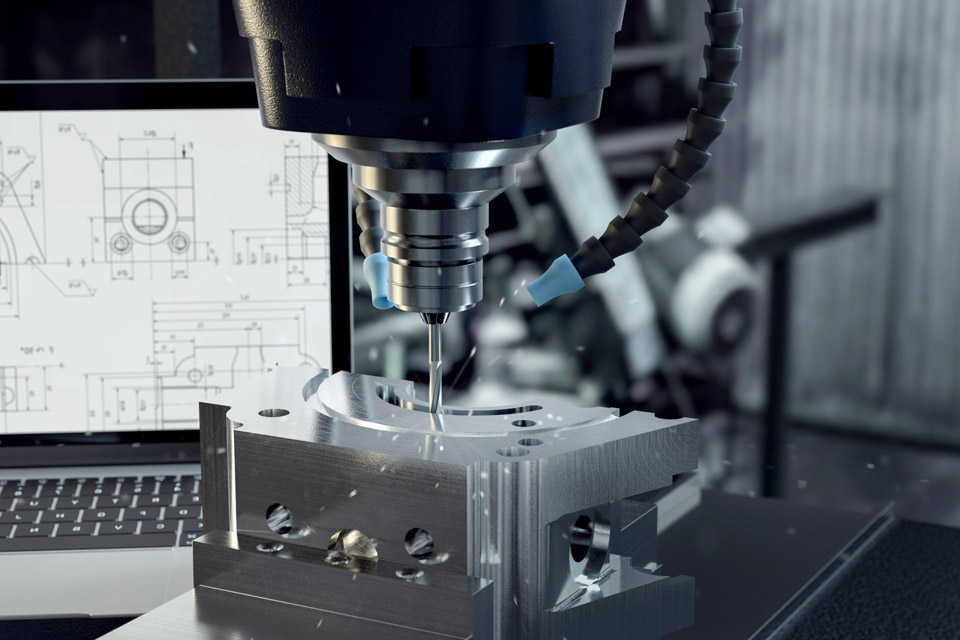
CNC prototype machining locates widespread application. It profits nearly all markets that need accuracy machining. These industries typically require functional prototypes. Occasionally, they simply call for a version demonstrating product procedure. A CNC machining prototype regularly meets these demands.
Machined tooling is commonly the preferred choice for practical models. These models require stamina, mechanical stability, or other qualities. Additive processes might not provide these qualities. Hence, sectors extensively embrace CNC prototyping.
Medical Industry Innovations
Medicine constantly evolves. New equipment becomes necessary. Medical companies require prototypes to validate these innovations. This ensures the product functions as intended. The medical field involves human life. Therefore, little room for error exists. Prototypes must be exact, functional replicas of the final product.
CNC prototype technology enables the creation of this critical equipment. Examples include orthotic devices, safe enclosures, implants, MRI machines, and research equipment. CNC machining is vital for medical advancements.
Automotive Industry Advancements
Automobile companies continuously introduce new innovations. They must develop prototypes before integrating them into the manufacturing line. Similar to the medical industry, they test these prototypes. This verifies proper function and fit within a vehicle. Such testing occurs before mass production.
CNC machining develops automotive prototypes to exact specifications. CNC prototyping also produces parts for other transportation methods. These include shipping vessels and transport trucks. Learn more about automotive prototyping.
Aerospace Industry Precision
The aerospace industry demands absolute accuracy. Even a minor mistake can cause drag. It can also increase part wear. This industry allows no error. Prototypes are therefore essential. They help test component functionality. This occurs before use in an actual aircraft. The CNC prototype machining process creates many components for this industry. These include landing gear ports, bushings, manifolds, and airfoils. Explore CNC machining in aerospace.
Military and Defense Applications
CNC prototyping services are extensively used in the military and defense industry. Ammunition and war vehicles often require complex mechanisms. These mechanisms need prototypes for validation. CNC machining prototypes are ideal for this purpose. Devices produced for this industry include plane parts, transportation components, communication components, and ammunition.
Understanding Prototype Types
Different prototype types serve distinct purposes. CNC prototype machining can produce both. Understanding these differences clarifies their application.
| Prototype Type | Primary Focus | Key Characteristics | Typical Use Cases |
|---|---|---|---|
| Appearance | Visuals | Aesthetic, form, ergonomics | Market research, design review |
| Functional | Performance | Structure, stability, operation | Stress testing, assembly validation |
Appearance prototypes convey visual information. They show how the final part will look. This helps evaluate design aesthetics and user interface. Functional prototypes demand higher precision. They concentrate on the product’s structure and stability. These prototypes undergo rigorous testing. They confirm the product’s operational integrity.
Advantages of CNC Machining for Prototypes
CNC machining offers a number of engaging advantages for prototyping. These benefits make it a favored choice for many engineers and businesses.
Cost-Effectiveness for Small Batches
For tiny prototype quantities, CNC machining is an economical alternative compare to injection molding. It takes months to prepare molds and accomplish resistances. CNC prototype machining, conversely, begins much quicker. When blueprints and resistances are set, manufacturing begins within weeks. This dramatically minimizes preparations and initial investment for low-volume runs.
High Tolerance and Precision
Another key benefit is high tolerance. This accelerates prototype production. Unlike 3D printing, CNC machining creates models with intricate information. They match the finished item’s complexity. This is essential for architectural and functional tests. Prototypes properly show the final product’s efficiency.
Smooth Transition to Production
Prototyping commonly represents a late stage of item growth. Several business make use of prototypes for functionality testing. Others use them to pitch products to financiers. Models enhance the production process. Most necessary requirements prepare at this stage. This promotes a smoother shift from growth to manufacturing.
High Similarity to Final Product
CNC machining prototypes very closely look like the final product. Machining centers generate both end-use components and prototypes. This capacity enables highly accurate models. They very closely mirror the end product.
Product choice plays a significant function. Numerous design metals are extremely machinable. Engineers can utilize the very same (or comparable) products for models and final components. The procedure quality also adds. Machined parts are strong. They do not display directional weak points like printed parts. The machining process can also reproduce various other processes, such as sheet metal creating.
Advanced Features for Enhanced Readability
CNC prototyping is not almost producing parts. It’s likewise about making sure design stability and manufacturability from the beginning. This upfront recognition lowers pricey mistakes later in the production cycle. Designers can refine geometries and test assemblies iteratively. Each model brings them closer to an optimized, manufacturable product. This iterative improvement process saves both time and sources.
Moreover, the flexibility of materials compatible with CNC machining uses a distinct benefit. Designers can choose from a variety of plastics, metals, and compounds. This allows for exact material characterization during the prototyping stage. Replicating real-world problems with ideal materials helps forecast lasting efficiency. This contrasts with methods restricted to a narrower product palette. Such adaptability guarantees the model’s relevance to the end product’s desired application.
Disadvantages of CNC Machining for Prototypes
Despite its several advantages, CNC prototype does provide some downsides. Comprehending these restrictions aids in making educated decisions.
Greater Cost Compared to 3D Printing
CNC prototype machining can be pricey for tiny startups. 3D printing requires less human supervision and power. CNC machining, however, often requires even more sources. Work surfaces and resources for CNC prototyping can be pricey. Basic 3D printing products, like PLA, are usually less costly.
This expense distinction usually leads engineers to alternate prototyping processes. They might still prepare to use machining for final components. Product advancement can deplete sources rapidly. Services require to decrease costs throughout very early prototyping stages.
Ecological Considerations: Material Waste
CNC machining is a subtractive process. It creates significant waste. A big percent of the work surface is gotten rid of to create the item. The majority of removed components become chipped steels or plastics. These commonly lack various other uses. As a result, disposal becomes needed.
CNC prototype machining can incur greater material costs as a result of increased product use and waste. Nevertheless, recycling commonly handles chips successfully. This reduces the ecological impact. Selling recyclable waste material can additionally assist redeem some material costs.
Choosing the Right Prototyping Method
Selecting the optimal prototyping method requires careful consideration. Factors like material, structural requirements, and budget all play a role.
| Feature | CNC Prototyping | 3D Printing | Injection Molding |
|---|---|---|---|
| Material Versatility | High (metals, plastics) | Moderate (plastics, resins) | High (various plastics) |
| Tolerance/Precision | Very High | Moderate to High | Very High |
| Surface Finish | Excellent | Good to Moderate | Excellent |
| Lead Time (Low Volume) | Fast | Very Fast | Slow (mold creation) |
| Cost (Low Volume) | Moderate to High | Low | Very High (tooling) |
| Part Strength | High | Moderate | High |
| Waste Generation | Moderate (chips) | Low | Low (after setup) |
For sturdy, functional prototypes, CNC prototype machining is an excellent choice. If aesthetics and low cost for simple designs are priorities, 3D printing might be better. When mass production is the immediate goal, injection molding becomes viable, despite its higher initial tooling costs.
Conclusion
CNC prototype machining stands out as a superior method for creating prototypes. Its speed and quick cycle times are notable advantages. It also yields prototypes with a high degree of similarity to the final product. This contrasts with methods like 3D printing. Consider CNC machined prototypes for your project. They offer precision, durability, and a smooth transition to production.
Comments
Latest Posts
Related Blogs
Senyo’s blog is focused on sharing our extensive knowledge of prototype manufacturing. Through our articles, we aim to support you in refining your product design and navigating the complexities of rapid prototyping more effectively.