Consumer Goods Prototypes: A Complete Guide to Success
Table of Contents
Conclusion
Consumer goods prototypes are essential for bridging the gap between an idea and a market-ready product. Whether it’s a sleek consumer electronic or an innovative household item, rapid prototyping plays a vital role in ensuring design accuracy, functionality, and user satisfaction. This guide delves deep into product prototyping, exploring its significance, methods, and how it shapes the consumer goods industry. By reading this article, you’ll gain valuable insights into creating prototypes and production parts that stand out in the competitive market.
What Are Consumer Goods Prototypes?
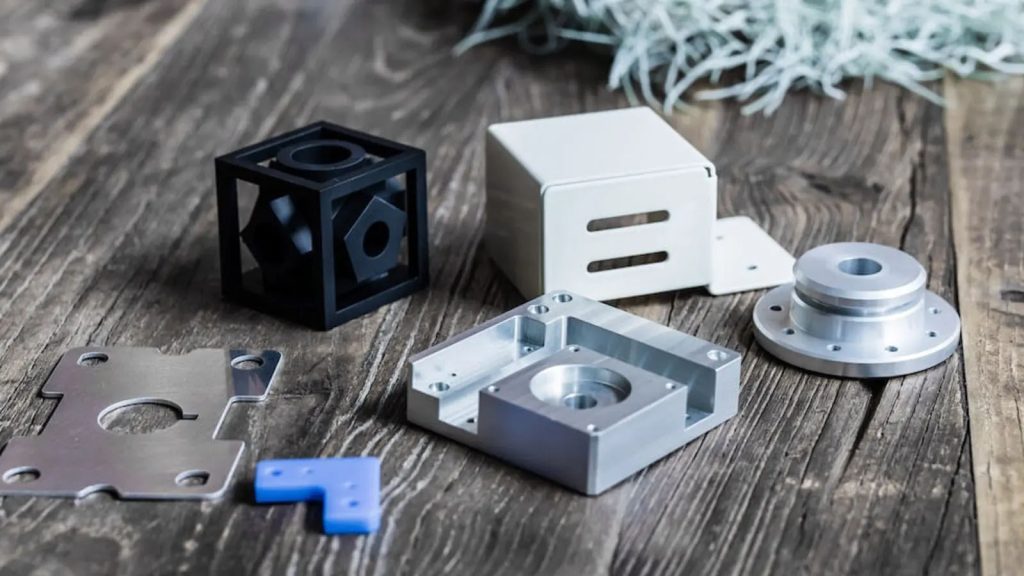
Consumer goods prototypes are preliminary models of products designed to test concepts, features, and usability before full-scale production. These prototypes can range from simple sketches and digital models to fully functional items. The primary goal of creating a prototype is to visualize and evaluate the product’s design and functionality, allowing for necessary adjustments before entering the manufacturing phase.
Prototyping is a critical step in the product development process. It enables designers and engineers to identify potential issues early on, ensuring that the final product meets consumer expectations and market standards. By investing time and resources into prototyping, companies can save money and time in the long run by avoiding costly mistakes during production.
Why Is Prototyping Important for Consumer Products?
Prototyping is vital for several reasons.
Firstly, it allows for user testing and feedback, which are crucial for understanding how consumers interact with a product. By observing users as they engage with a prototype, designers can gather insights that inform design improvements and enhance user experience.Secondly, prototyping helps in validating ideas.
Before committing to large-scale production, businesses can test various concepts and designs to determine which ones resonate best with their target audience. This validation process reduces the risk of launching a product that may not meet market needs.
Lastly, prototyping fosters collaboration among teams. Designers, engineers, and marketers can work together to refine the product, ensuring that all aspects align with the company’s vision and goals. This collaborative approach leads to more innovative and successful consumer goods.
What Types of Prototypes Are Commonly Used?
Different stages of product development require specific types of prototypes:
- Proof-of-Concept Prototype: Tests feasibility and basic functionality.
- Functional Prototype: Demonstrates all operational features.
- Pre-Production Prototype: Closely resembles the final product.
Comparison Table:
| Type | Purpose | Stage |
|---|---|---|
| Proof-of-Concept | Feasibility verification | Early development |
| Functional | Operational testing | Mid-development |
| Pre-Production | Final design verification | Pre-manufacturing |
How Does Rapid Prototyping Benefit the Consumer Goods Industry?
Rapid prototyping is a game-changer in the consumer goods industry. This process allows for the quick creation of prototypes using advanced technologies such as 3D printing. The benefits of rapid prototyping include:
- Speed: Rapid prototyping significantly reduces the time it takes to develop a prototype. This speed allows companies to iterate quickly, making adjustments based on feedback and testing results.
- Cost-Effectiveness: By minimizing the time and resources spent on prototyping, businesses can lower their overall development costs. Rapid prototyping also reduces waste, as materials can be used more efficiently.
- Flexibility: Rapid prototyping enables designers to experiment with different designs and features without the constraints of traditional manufacturing processes. This flexibility fosters innovation and creativity in product development.
Overall, rapid prototyping streamlines the product development process, allowing companies to bring consumer goods to market faster and more efficiently.

What Materials Are Used in Consumer Goods Prototypes?
The choice of materials for consumer goods prototypes is crucial, affecting the prototype’s functionality, appearance, and cost. Common materials used include:
- Plastic: Widely used for its versatility and ease of molding, plastic is ideal for creating both low-fidelity and high-fidelity prototypes. It can be easily shaped and finished to resemble the final product.
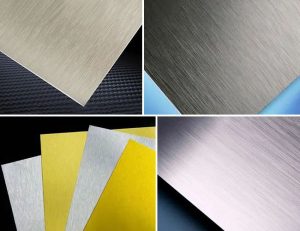
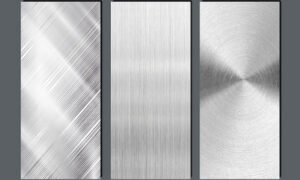
- Metal: For prototypes that require durability and strength, metal materials are often used. They are particularly common in consumer electronics and appliances.
- Foam: Foam is frequently used for low-fidelity prototypes, especially in the early design stages. It is lightweight and easy to manipulate, making it suitable for quick iterations.
Selecting the right materials is essential for achieving the desired functionality and aesthetics in consumer product prototypes.
How to Create Successful Consumer Goods Prototypes?
Creating successful consumer goods prototypes involves several key steps:
- Define Objectives: Clearly outline the goals of the prototype. What aspects of the product do you want to test? Understanding your objectives will guide the design process.
- Sketch and Design: Begin with sketches and digital designs to visualize the product. Use software tools to create detailed models that can be easily modified based on feedback.
- Select Materials: Choose appropriate materials based on the prototype’s purpose and desired characteristics. Consider factors such as cost, durability, and ease of production.
- Build the Prototype: Use the selected materials and techniques to construct the prototype. This may involve 3D printing, molding, or manual assembly, depending on the complexity of the design.
- Test and Iterate: Conduct user testing to gather feedback on the prototype. Analyze the results and make necessary adjustments to improve the design before moving to production.
By following these steps, businesses can create effective prototypes that enhance their product development process.
What Role Does 3D Printing Play in Consumer Goods Prototypes?
3D printing has revolutionized the prototyping process in the consumer goods industry. This technology allows for the rapid creation of complex designs with high precision. The advantages of 3D printing in prototyping include:
- Customization: 3D printing enables the production of highly customized prototypes tailored to specific user needs. This level of personalization is challenging to achieve with traditional manufacturing methods.
- Reduced Lead Times: With 3D printing, prototypes can be produced in a fraction of the time compared to conventional methods. This speed allows for quicker iterations and faster time-to-market.
- Cost Savings: 3D printing reduces material waste and lowers production costs, making it an economical choice for prototyping. Businesses can experiment with various designs without incurring significant expenses.
As 3D printing technology continues to advance, its role in consumer goods prototyping will likely expand, offering even more opportunities for innovation.
What Are the Challenges in Prototyping for Consumer Goods?
While prototyping offers numerous benefits, it also comes with its share of challenges. Some common issues include:
- Cost Management: Prototyping can be expensive, especially if multiple iterations are required. Companies must balance the need for thorough testing with budget constraints.
- Time Constraints: The prototyping process can be time-consuming, particularly when multiple revisions are needed. Delays in prototyping can impact overall product launch timelines.
- Technical Limitations: Not all designs can be easily prototyped due to technical constraints. Companies may encounter challenges related to material properties, manufacturing capabilities, or design complexity.
Addressing these challenges requires careful planning and collaboration among design, engineering, and manufacturing teams to ensure a smooth prototyping process.
On-Demand Manufacturing for Prototyping: Is It the Future?
On-demand manufacturing offers a flexible and cost-effective approach to product prototyping:
- Quick Turnaround: Produces prototypes as needed without inventory buildup.
- Scalability: Easily shifts from prototyping to production.
- Cost Savings: Eliminates the need for large-scale equipment investments.
FAQs
What materials are used in consumer product prototyping?
Common materials include plastics, metals, and composites, chosen based on the prototype’s intended use and final product specifications.
Can rapid prototyping handle complex consumer electronics?
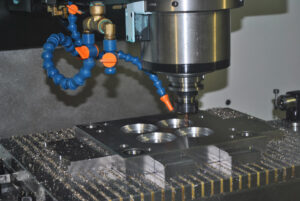
Yes, technologies like 3D printing and CNC machining excel at creating intricate designs.
What industries benefit most from prototyping?
Prototyping is widely used in consumer electronics, automotive, and medical device sectors.
What are the examples of consumer goods concept?
- Smart Home Devices
- Wearable Fitness Trackers
- Electric Toothbrushes
- Eco-Friendly Packaging Solutions
- Sustainable Clothing Lines
- Smart Kitchen Appliances
- Personalized Skincare Products
- Smart Baby Monitors
- Portable Solar Chargers
- VR Headsets for Consumer Entertainment
These are just a few examples of consumer goods concepts that require prototyping to ensure they meet functional, aesthetic, and market needs before going into full-scale production. Product prototyping is essential for these concepts to evolve into market-ready products that satisfy consumer demands and perform reliably.
Comments
Latest Posts
Related Blogs
Senyo’s blog is focused on sharing our extensive knowledge of prototype manufacturing. Through our articles, we aim to support you in refining your product design and navigating the complexities of rapid prototyping more effectively.