Plastic Mold Injection: From Design to Final Plastic Part
Obsah
Plastic mold injection is among the most vital and flexible production processes worldwide. It is the foundation of contemporary production, in charge of creating an incredible range of the plastic products we use daily. From intricate automobile elements to simple household things, this innovation allows for the high-volume production of intricate and sturdy plastic get rid of remarkable accuracy. This short article is your thorough guide to understanding this powerful procedure. We will discover everything from the essential principles of exactly how a shot mold works to sophisticated molding methods and the critical role of customized injection mold and mildew layout, providing you with the understanding to leverage this innovation for your very own projects.
What Exactly is the Plastic Mold Injection Process?
At its core, the plastic mold injection procedure is a manufacturing technique utilized to create plastic components in big quantities. The essential principle is easy yet effective: molten plastic is infused under high pressure right into a thoroughly crafted metal die, called a shot mold or simply a mold and mildew. This mold and mildew contains a dental caries designed exactly like the desired final part. Once the plastic loads the mold dental caries, it is cooled down, strengthens, and takes on the form of the mold and mildew. The device then opens the mold and mildew, and the newly created plastic part is expelled, finishing one cycle. This cycle can be duplicated thousands and even millions of time with the very same shot mold, making it an incredibly efficient method of making plastic parts.
This manufacturing process is renowned for its capability to produce complex geometries with limited tolerances regularly. The accuracy of the shot mold directly equates to the accuracy of every component it creates. While the first investment in developing a high-grade steel injection mold and mildew can be considerable, the low cost per part at high volumes makes it the best technique for mass production. The performance of the entire procedure depends upon the top quality of the injection mold and mildew, as it is the heart of the whole plastic injection molding production line. A well-designed mold makes certain efficiency, part top quality, and a lengthy manufacturing life.
How Does Plastic Mold Injection Work Step-by-Step?
The magic of transforming raw plastic pellets right into an ended up product occurs throughout the plastic mold injection cycle. This series of occasions during the injection molding procedure is an extremely fine-tuned and automated loophole. Understanding these actions is essential to recognizing just how shot molding works and just how a high quality shot mold functions. The process utilized is a symphony of pressure, temperature, and time, managed by the shot molding device.
The cycle begins with securing. The two fifty percents of the mold and mildew, which make up the full injection mold and mildew, are safely closed by the clamping unit of the equipment. Next is the shot of the polymer. In this phase, granular plastic is fed from a hopper right into a heated barrel. A big reciprocating screw thaws and presses the plastic ahead. Once a sufficient quantity of liquified plastic has built up, the screw swiftly pushes ahead, and the thawed plastic is forced under high pressure right into the shut injection mold and mildew. The injection pressure to fill up the mold dental caries have to be specifically controlled, as does the shot rate.
After the shot phase, the procedure transfers to cooling. The liquified plastic inside the injection mold begins to cool down as it makes contact with the interior surface areas of the mold. As the plastic solidifies, it takes on the precise form of the mold and mildew dental caries. This is one of the most taxing component of the injection molding cycle. When the plastic has actually cooled completely, the last step is ejection. The mold opening happens as the clamping device retracts the relocating half of the mold. Ejector pins then press the solid plastic part out of the mold and mildew. The maker is now all set for the following cycle to begin, producing an additional identical part from the exact same shot mold and mildew.
What are the Key Components of Injection Molding Equipment?
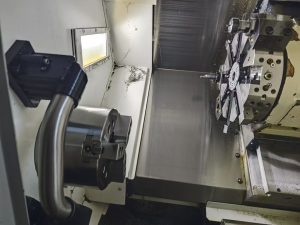
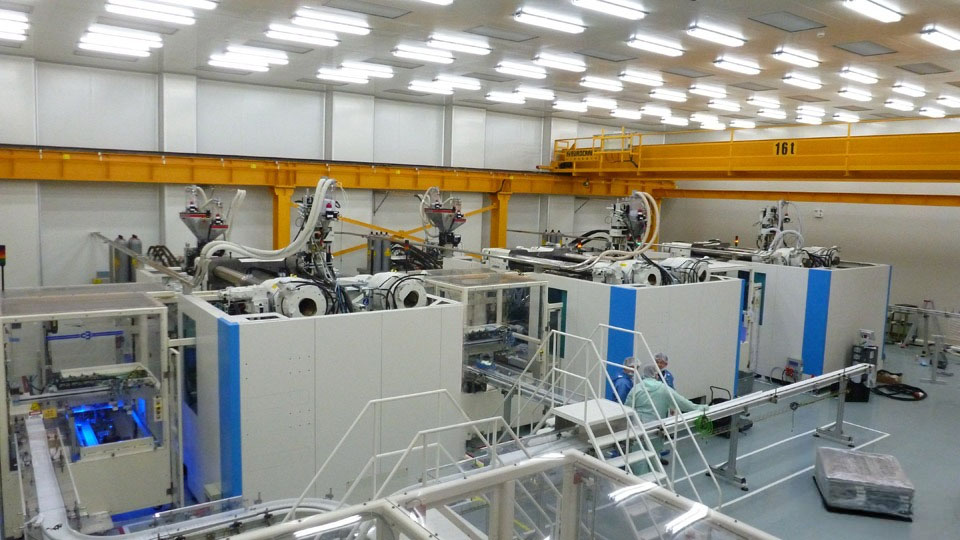
The success of any plastic shot molding operation depends on its specific equipment. The primary item of shot molding tools is the injection molding machine. This effective machine consists of 2 key elements: the injection device and the securing system. The shot device is responsible for melting and injecting the plastic material, while the securing unit holds the shot mold together throughout shot and air conditioning and after that opens the mold and mildew for part ejection.
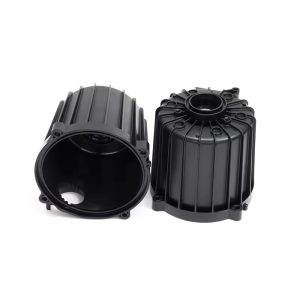
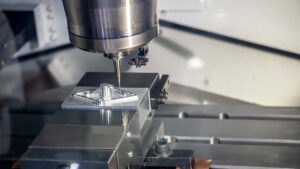
The injection device functions like a high-pressure syringe. It thaws the raw plastic pellets and injects them into the mold. The securing unit is an effective hydraulic or electric press that supplies the clamping force that the equipment requires to maintain the mold cuts in half securely closed throughout the injection of the plastic. This force is enormous, as it has to counteract the high shot stress that would certainly or else force the fifty percents of the mold and mildew apart, developing issues in the shaped component. The mold itself is the most important component. This tailor-made tool, commonly machined from steel or light weight aluminum, consists of the cavity that forms the final plastic part. A single shot mold and mildew can be basic with one dental caries or highly complicated with multiple tooth cavities and complex relocating parts.
Why is Custom Injection Mold Design So Critical?
The high quality, effectiveness, and price of shot molding are all directly connected to the injection mold and mildew layout. A properly designed mold and mildew device is not just a cavity; it is a complicated piece of design that regulates just how the plastic moves, cools down, and is ejected. A poorly made injection mold can lead to a host of problems, including component issues, slow cycle times, and a short mold and mildew lifespan, every one of which boost manufacturing costs. Consequently, purchasing professional customized injection mold style is paramount for any type of severe shot molding project.
An efficient style for a custom shot mold and mildew considers various elements. These consist of the selection of plastic resin, the geometry of the final component, and the needed production volume. The layout should integrate functions like entrances (where plastic goes into the mold cavity), runners (networks that assist the plastic), and cooling networks to make sure the plastic fills the mold and mildew equally and strengthens at the right rate. More complicated functions in a plastic part, such as an undercut, require innovative mold and mildew devices like side-actions or lifters, which make the injection mold extra complicated and cost even more to construct. Ultimately, a premium shot mold and mildew style makes certain the high quality of the final components and a smooth, repeatable manufacturing procedure for thousands of countless components.
What Are the Different Types of Injection Mold Injection Techniques?
While the core concepts continue to be the exact same, numerous specialized molding methods have been developed to meet details making demands. These types of plastic mold injection broaden the capabilities of the procedure, permitting the creation of even more facility and practical plastic elements. Comprehending these various methods is essential for picking the ideal method for a particular item. These sophisticated molding systems are not always covered by the standard process summary however are essential in modern-day production.
Jednou z běžných strategií je vstřikování s vkládáním. Tento proces zahrnuje umístění neplastové součásti, obvykle ocelového prvku, jako je závitová vložka nebo pouzdro, přímo do vstřikovací formy před vstřikováním plastu. Roztavený plast pak obtéká vložku a bezpečně ji instaluje do finálního lisovaného dílu. Další pokročilou technikou je obalové vstřikování, kde je vrstva měkkého plastu (jako je gumový úchop) vytvořena přes tuhý plastový substrát. Pokud je to provedeno nepřesně, mohou se oba produkty začít odlupovat, protože materiály se nemohou správně spojit. Mezi další specializované techniky patří vícekomponentní vstřikování, kde je jediný díl vytvořen ze dvou nebo více různých plastů v jednom cyklu zařízení, a vstřikování tekutého silikonového kaučuku pro vývoj flexibilních a odolných dílů.
Jaké vstřikovací materiály a pryskyřice můžete použít?
Jednou z největších silných stránek vstřikování je jeho kompatibilita s obrovskou škálou produktů. Výběr vstřikovacích materiálů je zásadní rozhodnutí, které ovlivňuje mechanické vlastnosti, vzhled a cenu finálního dílu. Většina termoplastů je vhodná pro vstřikování, což návrhářům poskytuje značnou sbírku možností, ze kterých si mohou vybrat. Každá plastová pryskyřice má jedinečný profil pevnosti, flexibility, teplotní odolnosti a barvy.
Běžně používané vstřikovací materiály zahrnují polypropylen (PP), známý pro svou chemickou odolnost a nízkou cenu; akrylonitrilbutadienstyren (ABS), oblíbený pro svou trvanlivost a rázovou houževnatost; a polykarbonát (PC), který nabízí vynikající trvanlivost a optickou čirost. Kromě použití surového plastu mohou výrobci také používat recyklovaný plast nebo vyvíjet vlastní směsi dříve vytvořených materiálů k dosažení specifických vlastností. Volba plastového materiálu bude určitě určovat parametry zpracování, jako je teplota tavení a vstřikovací tlak, a bude mít značný vliv na design samotné vstřikovací formy. Výběr správného vysoce kvalitního plastu je základním krokem v jakémkoli projektu vstřikování plastových forem.
Jaké jsou nejběžnější aplikace vstřikování?
Flexibilita a efektivita vstřikování plastových forem znamená, že jeho aplikace jsou téměř nekonečné. Vstřikované plastové výrobky najdete téměř v každém průmyslovém odvětví. Vstřikování se používá k vývoji plastových dílů v rozsahu pro spotřební elektroniku, klinická zařízení, automobilové interiéry, obaly a spoustu různých dalších sektorů. Tento proces umožňuje výrobu všeho od jednoduchých uzávěrů lahví až po vysoce složité součásti motorů.
V automobilovém průmyslu zahrnují aplikace vstřikování palubní desky, nárazníky a vnitřní obložení. V lékařské oblasti se používá k výrobě plastových dílů, jako jsou injekční stříkačky, chirurgické nástroje a pouzdra pro diagnostické nástroje. Pro spotřební zboží se tento proces používá k vytváření plastových hraček, kuchyňských potřeb a pouzder pro elektronická zařízení. Schopnost generovat tisíce tisíců komponent z jediné vstřikovací formy s vysokou opakovatelností a nízkými náklady činí tuto inovaci zásadní pro masovou výrobu. Každá tvarovaná část z formy je téměř dokonalou replikou té předchozí.
Jak řešíte běžné problémy u lisovaných dílů?
Ačkoli je vstřikování plastových forem vysoce přesný a opakovatelný proces, není bez problémů. Vstřikování je složitá věda a v lisovaném dílu se může objevit řada defektů, pokud parametry procesu nejsou dokonale kalibrovány nebo pokud má vstřikovací forma konstrukční vady. Pochopení těchto běžných problémů je prvním krokem k výrobě dokonalého finálního plastového dílu. Sekvence událostí během cyklu vstřikování musí být dokonale načasována.
Mezi běžné defekty patří „otřep“, kde tenký přebytek plastu uniká z dutiny formy v dělící rovině mezi oběma polovinami formy. To je často způsobeno nedostatečnou upínací silou nebo nesprávně utěsněnou vstřikovací formou. „Propady“ jsou malé prohlubně na povrchu dílu, které se obvykle vyskytují v silnějších částech, které chladnou příliš pomalu. „Nedolitky“ se stávají, když roztavený plast nevyplní celou dutinu formy, což má za následek neúplný díl. Tyto problémy lze často vyřešit úpravou parametrů, jako je vstřikovací tlak, teplota tavení nebo doba cyklu, nebo úpravou samotné vstřikovací formy, aby se zlepšil tok plastu a chlazení.
Jaká je role 3D tištěné formy v moderní výrobě?
V posledních letech se hranice mezi prototypováním a výrobou rozmazala, a to částečně díky pokroku v aditivní výrobě. 3D tištěná forma nabízí revoluční přístup k malosériové výrobě vstřikováním. Tradičně je vytvoření ocelové vstřikovací formy časově náročný a nákladný proces. Pro prototypování nebo velmi malé výrobní série může být 3D tištěná plastová forma alternativou, která mění hru. Tyto formy lze vyrobit během několika hodin nebo dnů za zlomek nákladů na kovovou formu.
Zatímco 3D tištěná vstřikovací forma nevydrží nároky velkoobjemové výroby – bude mít mnohem menší počet vyrobených dílů, než se opotřebuje – je ideální pro vytvoření několika desítek nebo několika stovek dílů pro funkční testování nebo validaci trhu. To umožňuje návrhářům testovat své návrhy se skutečným výrobním plastovým materiálem předtím, než se zavážou k drahým ocelovým nástrojům. Tento přístup pomáhá rozložit počáteční náklady na vyšší počet dílů v dlouhodobém horizontu validací návrhu v rané fázi, čímž se zabrání nákladným přepracováním finální vstřikovací formy. Tato synergie mezi 3D tiskem a vstřikováním urychluje cykly vývoje produktů.
Jak mohou služby vstřikování prospět vašemu projektu?
Orientace ve složitosti vstřikování, od rozvržení komponent až po výběr materiálu a konstrukci formy, vyžaduje značné odborné znalosti. Zde se stávají důležité odborné služby vstřikování. Partnerství s odborníkem na zakázkové vstřikování plastů může zlepšit celý váš výrobní proces a zaručit, že získáte prémiové plastové díly včas a v rámci rozpočtu. Tyto služby nabízejí komplexní pomoc pro váš projekt vstřikování.
Poskytovatel kompletních služeb vám může pomoci s prvním stylem vstřikovací formy, pomůže vám optimalizovat váš díl pro vyrobitelnost, snížit výdaje a zlepšit vysokou kvalitu. Mohou vám pomoci vybrat optimální plastový materiál pro vaši aplikaci a určitě se postarají o výrobu vaší personalizované vstřikovací formy. Když je forma připravena, postarají se o celý výrobní postup, od nastavení vstřikovacího zařízení až po finální kontrolu kvality. Pro každou společnost, která se snaží využít sílu zakázkových plastových komponent, je jednání se zkušeným zakázkovým partnerem pro vstřikování nejefektivnější cestou k úspěchu. Tato spolupráce zajišťuje, že vaše poslední plastová součást splňuje všechny požadavky.
Komentáře
Nejnovější Příspěvky
Související Blogy
Senyo ' s blog je zaměřen na sdílení naše rozsáhlé znalosti z prototypové výroby. Prostřednictvím našich článků, naším cílem je podporovat vás ve rafinace produktu design a navigaci složitosti rapid prototyping efektivněji.