プラスチック射出成型:設計から最終的なプラスチック部
テーブルの内容
Plastic mold injection is among the most vital and flexible production processes worldwide. It is the foundation of contemporary production, in charge of creating an incredible range of the plastic products we use daily. From intricate automobile elements to simple household things, this innovation allows for the high-volume production of intricate and sturdy plastic get rid of remarkable accuracy. This short article is your thorough guide to understanding this powerful procedure. We will discover everything from the essential principles of exactly how a shot mold works to sophisticated molding methods and the critical role of customized injection mold and mildew layout, providing you with the understanding to leverage this innovation for your very own projects.
What Exactly is the Plastic Mold Injection Process?
At its core, the plastic mold injection procedure is a manufacturing technique utilized to create plastic components in big quantities. The essential principle is easy yet effective: molten plastic is infused under high pressure right into a thoroughly crafted metal die, called a shot mold or simply a mold and mildew. This mold and mildew contains a dental caries designed exactly like the desired final part. Once the plastic loads the mold dental caries, it is cooled down, strengthens, and takes on the form of the mold and mildew. The device then opens the mold and mildew, and the newly created plastic part is expelled, finishing one cycle. This cycle can be duplicated thousands and even millions of time with the very same shot mold, making it an incredibly efficient method of making plastic parts.
This manufacturing process is renowned for its capability to produce complex geometries with limited tolerances regularly. The accuracy of the shot mold directly equates to the accuracy of every component it creates. While the first investment in developing a high-grade steel injection mold and mildew can be considerable, the low cost per part at high volumes makes it the best technique for mass production. The performance of the entire procedure depends upon the top quality of the injection mold and mildew, as it is the heart of the whole plastic injection molding production line. A well-designed mold makes certain efficiency, part top quality, and a lengthy manufacturing life.
How Does Plastic Mold Injection Work Step-by-Step?
The magic of transforming raw plastic pellets right into an ended up product occurs throughout the plastic mold injection cycle. This series of occasions during the injection molding procedure is an extremely fine-tuned and automated loophole. Understanding these actions is essential to recognizing just how shot molding works and just how a high quality shot mold functions. The process utilized is a symphony of pressure, temperature, and time, managed by the shot molding device.
The cycle begins with securing. The two fifty percents of the mold and mildew, which make up the full injection mold and mildew, are safely closed by the clamping unit of the equipment. Next is the shot of the polymer. In this phase, granular plastic is fed from a hopper right into a heated barrel. A big reciprocating screw thaws and presses the plastic ahead. Once a sufficient quantity of liquified plastic has built up, the screw swiftly pushes ahead, and the thawed plastic is forced under high pressure right into the shut injection mold and mildew. The injection pressure to fill up the mold dental caries have to be specifically controlled, as does the shot rate.
After the shot phase, the procedure transfers to cooling. The liquified plastic inside the injection mold begins to cool down as it makes contact with the interior surface areas of the mold. As the plastic solidifies, it takes on the precise form of the mold and mildew dental caries. This is one of the most taxing component of the injection molding cycle. When the plastic has actually cooled completely, the last step is ejection. The mold opening happens as the clamping device retracts the relocating half of the mold. Ejector pins then press the solid plastic part out of the mold and mildew. The maker is now all set for the following cycle to begin, producing an additional identical part from the exact same shot mold and mildew.
What are the Key Components of Injection Molding Equipment?
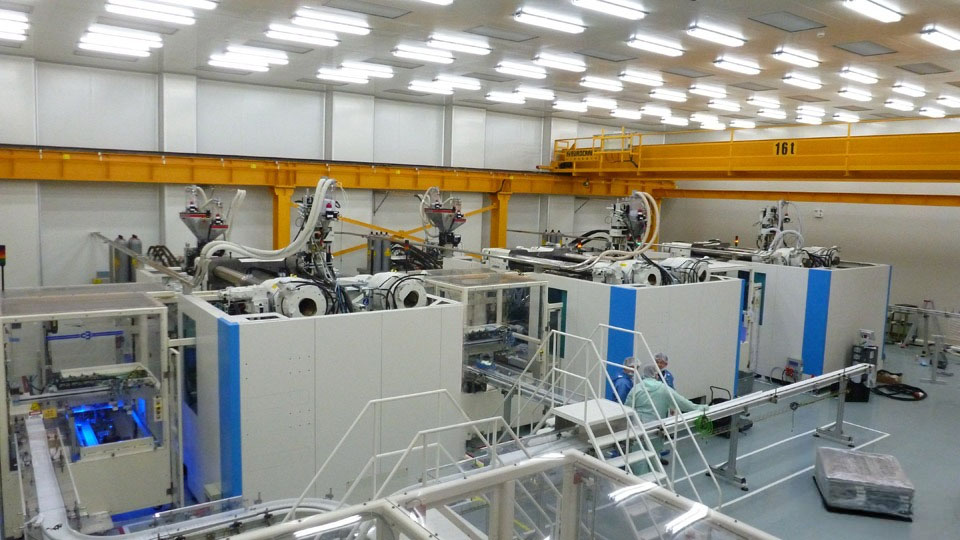
The success of any plastic shot molding operation depends on its specific equipment. The primary item of shot molding tools is the injection molding machine. This effective machine consists of 2 key elements: the injection device and the securing system. The shot device is responsible for melting and injecting the plastic material, while the securing unit holds the shot mold together throughout shot and air conditioning and after that opens the mold and mildew for part ejection.
The injection device functions like a high-pressure syringe. It thaws the raw plastic pellets and injects them into the mold. The securing unit is an effective hydraulic or electric press that supplies the clamping force that the equipment requires to maintain the mold cuts in half securely closed throughout the injection of the plastic. This force is enormous, as it has to counteract the high shot stress that would certainly or else force the fifty percents of the mold and mildew apart, developing issues in the shaped component. The mold itself is the most important component. This tailor-made tool, commonly machined from steel or light weight aluminum, consists of the cavity that forms the final plastic part. A single shot mold and mildew can be basic with one dental caries or highly complicated with multiple tooth cavities and complex relocating parts.
Why is Custom Injection Mold Design So Critical?
The high quality, effectiveness, and price of shot molding are all directly connected to the injection mold and mildew layout. A properly designed mold and mildew device is not just a cavity; it is a complicated piece of design that regulates just how the plastic moves, cools down, and is ejected. A poorly made injection mold can lead to a host of problems, including component issues, slow cycle times, and a short mold and mildew lifespan, every one of which boost manufacturing costs. Consequently, purchasing professional customized injection mold style is paramount for any type of severe shot molding project.
An efficient style for a custom shot mold and mildew considers various elements. These consist of the selection of plastic resin, the geometry of the final component, and the needed production volume. The layout should integrate functions like entrances (where plastic goes into the mold cavity), runners (networks that assist the plastic), and cooling networks to make sure the plastic fills the mold and mildew equally and strengthens at the right rate. More complicated functions in a plastic part, such as an undercut, require innovative mold and mildew devices like side-actions or lifters, which make the injection mold extra complicated and cost even more to construct. Ultimately, a premium shot mold and mildew style makes certain the high quality of the final components and a smooth, repeatable manufacturing procedure for thousands of countless components.
What Are the Different Types of Injection Mold Injection Techniques?
While the core concepts continue to be the exact same, numerous specialized molding methods have been developed to meet details making demands. These types of plastic mold injection broaden the capabilities of the procedure, permitting the creation of even more facility and practical plastic elements. Comprehending these various methods is essential for picking the ideal method for a particular item. These sophisticated molding systems are not always covered by the standard process summary however are essential in modern-day production.
One common strategy is insert molding. This process includes positioning a non-plastic part, commonly a steel element like a threaded insert or a bushing, right into the shot mold and mildew prior to the plastic is infused. The molten plastic then flows around the insert, safely installing it within the last molded part. Another advanced technique is overmolding, where a layer of soft plastic (like a rubbery grasp) is built over a stiff plastic substratum. If done inaccurately, the two products can come to be flaked as the materials can not bond properly. Other specialized techniques include multi-material injection molding, where a single part is created from two or more different plastics in a solitary device cycle, and liquid silicone rubber molding for developing flexible, resilient parts.
Which Injection Molding Materials and Resins Can You Use?
Among the greatest toughness of shot molding is its compatibility with a huge variety of products. The choice of injection molding products is a crucial choice that influences the last part’s mechanical buildings, appearance, and cost. The majority of thermoplastics are suitable for shot, supplying designers with a substantial collection of options to select from. Each plastic resin has an one-of-a-kind account of toughness, adaptability, temperature resistance, and shade.
Typically utilized injection molding materials consist of Polypropylene (PP), recognized for its chemical resistance and inexpensive; Acrylonitrile Butadiene Styrene (ABS), prominent for its durability and influence strength; and Polycarbonate (PC), which provides outstanding sturdiness and optical clearness. Along with using raw plastic, producers can likewise make use of recycled plastic or develop custom blends of formerly created materials to attain certain buildings. The option of plastic material will certainly determine the processing parameters, such as melt temperature and injection stress, and will have a considerable effect on the style of the injection mold itself. Selecting the best high-quality plastic is a foundational step in any plastic mold injection project.
What are the Most Common Injection Molding Applications?
The flexibility and effectiveness of plastic mold injection mean its applications are nearly infinite. You can locate shot built plastic items in almost every industry. Injection molding is made use of to develop plastic parts at range for consumer electronics, clinical gadgets, auto interiors, packaging, and plenty of various other sectors. The process permits the production of every little thing from easy bottle caps to highly intricate engine components.
In the automotive market, shot molding applications consist of dashboards, bumpers, and indoor trim. In the medical area, it is made use of to produce plastic parts like syringes, surgical tools, and housings for diagnostic tools. For consumer goods, the process is made use of to create plastic toys, kitchen area utensils, and housings for electronic devices. The capacity to generate thousands of thousands of components from a single injection mold and mildew with high repeatability and low cost makes this innovation crucial for mass production. Every shaped part from the mold is a near-perfect replica of the one before it.
How Do You Troubleshoot Common Issues in Molded Parts?
Although plastic mold injection is a highly precise and repeatable process, it is not without its challenges. Injection molding is a complex science, and a variety of defects can appear in a molded part if the process parameters are not perfectly calibrated or if the injection mold has design flaws. Understanding these common issues is the first step toward producing a flawless final plastic part. The sequence of events during the injection molding cycle must be perfectly timed.
Common defects include “flash,” where a thin excess of plastic escapes the mold cavity at the parting line between the two mold halves. This is often caused by insufficient clamping force or an improperly sealed injection mold. “Sink marks” are small depressions on the surface of the part, typically occurring in thicker sections that cool too slowly. “Short shots” happen when the molten plastic fails to fill the entire mold cavity, resulting in an incomplete part. These issues can often be resolved by adjusting parameters like injection pressure, melt temperature, or cycle time, or by modifying the injection mold itself to improve plastic flow and cooling.
What is the Role of a 3D Printed Mold in Modern Manufacturing?
In recent years, the line between prototyping and production has blurred, thanks in part to advancements in additive manufacturing. A 3d printed mold offers a revolutionary approach to low-volume injection molding manufacturing. Traditionally, creating a steel injection mold is a time-consuming and expensive process. For prototyping or very small production runs, a 3d printed plastic mold can be a game-changing alternative. These molds can be produced in a matter of hours or days at a fraction of the cost of a metal mold.
While a 3d printed injection mold cannot withstand the rigors of high-volume production—it will have a much lower number of parts made before wearing out—it is perfect for creating a few dozen or a few hundred parts for functional testing or market validation. This allows designers to test their designs with the actual production plastic material before committing to expensive steel tooling. This approach helps spread the initial cost over a higher number of parts in the long run by validating the design early, preventing costly rework of the final injection mold. This synergy between 3D printing and injection molding accelerates product development cycles.
How Can Injection Molding Services Benefit Your Project?
Navigating the complexities of injection molding, from component layout to material choice and mold construction, calls for substantial expertise. This is where expert shot molding services become important. Partnering with an expert in customized plastic shot can enhance your whole production process, guaranteeing you obtain premium plastic parts on time and on budget plan. These services supply end-to-end assistance for your injection molding job.
A full-service provider can help with the first shot mold style, helping you optimize your part for manufacturability to lower expenses and improve high quality. They can help you select the optimal plastic material for your application and will certainly take care of the manufacture of your personalized shot mold. When the mold is ready, they take care of the whole manufacturing procedure, from setting up the injection molding device to final quality control. For any company aiming to utilize the power of custom-made plastic components, dealing with a seasoned custom-made shot partner is the most reliable path to success. This collaboration ensures your last plastic component meets all requirements.
コメント
関連ブログ
仙のブログで共有における幅広い知識と経験による試作品製造. 弊社の記事を支援することを目指します石油精製製品のデザインとナビゲート、および、複雑な造形にします。