Rapid Prototyping könnte eine vorteilhafte Methode sein
Inhaltsverzeichnis
Fazit
Rapid prototyping may be a beneficial method which is frequently utilized in engineering, software development, and instructional design. The main idea behind such a process is to give the team members an opportunity to quickly create and iterate on a prototype thus resulting to a higher level of creativity, more effective problem-solving and, finally, faster innovation. The present article discusses the benefits of rapid prototyping, its use in various sectors, and the reasons why it is indispensable for any design project. People who read this article will be informed about the different ways in which rapid prototyping can be employed to make the process more efficient, to raise the standard of a product and to lower the expenses. Thus, designers, engineers, and educators cannot afford to miss this article.
Was ist Rapid Prototyping?
Rapid prototyping is a design process that is centered around the idea of fast production of a scaled-down version or a prototype of a product or service. The primary goal of this technique is to make the designers and engineers able to see the concept and the working of the product visually before a big production is made. Through the use of different technologies such as 3D printing, computer-aided design (CAD), and software simulations, the teams can produce models that are not only physical but also in a way the user interaction is possible.
The point of rapid prototyping is the iteration cycle. The idea is to spend less time and money on one single design, thus, the teams will be able to come up with numerous versions, test them, and get their concepts refined by real user feedback. This method is mainly useful in sectors such as software development where fast iterations can result in better user experience and functionality.
Warum gilt Rapid Prototyping als vorteilhafte Methodik?
Rapid Prototyping könnte aus mehreren Gründen eine vorteilhafte Methode sein. Erstens ermöglicht sie schnellere Iterationen, so dass die Teams ihre Ideen in Echtzeit testen und verfeinern können. Diese Geschwindigkeit ist in der heutigen Wettbewerbslandschaft, in der die Markteinführungszeit über Erfolg oder Misserfolg eines Produkts entscheiden kann, von entscheidender Bedeutung.Zweitens fördert es die Zusammenarbeit zwischen funktionsübergreifenden Teams. Designer, Ingenieure und Stakeholder können zusammenkommen, um Prototypen zu bewerten und Beiträge zu liefern, um sicherzustellen, dass das Endprodukt den Bedürfnissen und Erwartungen der Nutzer entspricht. Diese kollaborative Umgebung fördert Innovation und Kreativität und führt zu effektiveren Lösungen.Und schließlich ist Rapid Prototyping eine kosteneffiziente Strategie. Durch die frühzeitige Erkennung von Designfehlern können Unternehmen teure Änderungen im späteren Verlauf der Entwicklung vermeiden. Diese Effizienz spart nicht nur Geld, sondern verringert auch das Risiko von Projektverzögerungen und trägt letztlich zu einem reibungsloseren Entwicklungsprozess bei.
Wie unterscheidet sich Rapid Prototyping von herkömmlichen Prototyping-Verfahren?
Usually traditional prototyping methods depict a longer and more sequential way of handling the process. On the other hand, rapid prototyping is less bound to the fixed requirements as it enables continuous iterations and feedback. Whereas traditional methods might invest up to many months in perfecting one single prototype, rapid prototyping is based on the idea that more iterations result in better outcomes.
Technology is the main point where the two methods differ. Traditional prototyping is generally done manually, while rapid prototyping is done with the help of the advanced tools and software which make it possible to give quick adjustments and modifications. Such an inclusion of technology not only opens up for a more flexible designing process, but also is in line with the fast development of the modern projects.
Kann Rapid Prototyping gängige Design-Herausforderungen lösen?
Überwindung von Design-Hindernissen
Designers are, in many cases, confronted with problems like vague requirements, modifications of the specifications, and the reception of the users’ feedback. Rapid prototyping is a tool that solves these problems by offering fast rounds of work and changes. Such flexibility helps to match the end product with the users’ needs and the objectives of the project without any difficulty.
Fallstudien zum Erfolg
For instance, a technology company might employ rapid prototyping to quickly bring to life a new idea for a mobile app. In this way, the company opened the door for user input by producing a prototype. As a result, they fine-tuned the app features based on users’ needs to a greater extent. The company thus shortened the time-to-market while at the same time the chances of app success were raised substantially as a result of the iterative process.
Wie wird Rapid Prototyping im Instruktionsdesign eingesetzt?
In the field of instructional design, employing rapid prototyping might serve as a powerful tool to invent novel computer-based learning programs. Such a process gives freedom to instructional designers for the swift creation and testing of educational materials that are capable of satisfying the requirements of different types of learners. Through the successive versions of the same content, format, and delivery methods, instructors can increase the potency of their teaching aids.
As an illustration, rapid prototyping is capable of contributing to the creation of online learning modules where designers come up with the initial versions, collect feedback from learners, and modify the content according to the practical applications. This cyclic approach is a guarantee that the end product will be attractive, up-to-date, and efficient in the accomplishment of learning objectives.
Welche Rolle spielt das Feedback beim Rapid Prototyping?
Feedback is one of the essential elements in the rapid prototyping process. It steers the iterative development of the prototypes and provides the subsequent design decisions with the necessary information. Feedback, which can be user testing, peer reviews, or stakeholder input, is the main support for design teams in discovering their design functionalities and weaknesses. Frequently and early inclusion of feedback may raise the quality of the final product to a very high level. By knowing user needs and desires, the teams will be able to make the right changes that will improve the product’s functionality and usability. Such a collaborative way of working not only results in better outputs, but also, among team members and stakeholders, it creates the feeling of being owners.
Was sind die Schlüsselkomponenten eines erfolgreichen Prototyps?
Kritische Elemente
Ein erfolgreicher Prototyp sollte die folgenden Komponenten enthalten:
- Funktionsweise: Der Prototyp muss die Kernfunktionen des Endprodukts demonstrieren.
- Benutzerfreundlichkeit: Sie sollte benutzerfreundlich und intuitiv sein.
- Feedback-Mechanismus: Das Feedback der Nutzer ist entscheidend für die iterative Verbesserung.
Steigerung der Effektivität von Prototypen
Um die Effektivität eines Prototyps zu erhöhen, sollten Sie die Beteiligten frühzeitig in den Prozess einbeziehen, klare Ziele setzen und den Entwurf auf der Grundlage des Nutzerfeedbacks kontinuierlich verfeinern. Auf diese Weise wird sichergestellt, dass der Prototyp die gewünschten Anforderungen und Erwartungen erfüllt.
Ist Rapid Prototyping ein brauchbares Verfahren für alle Branchen?
Branchenspezifische Überlegungen
Although rapid prototyping is beneficial in many ways, it is not appropriate for each sector. Take, for example, sectors that are heavily regulated, like the pharmaceutical industry, where quick changes and repetitions may conflict with compliance standards.
Beschränkungen und mögliche Nachteile
Rapid prototyping consumes a lot of resources, among which are time and expertise, so it may not be possible for all organizations to carry it out. Besides that, concentrating only on the fast execution of the project can result in missing some quality or functionality aspects if it is not properly supervised.
Häufig gestellte Fragen
Was ist der Hauptnutzen von Rapid Prototyping?
Rapid Prototyping ermöglicht schnelle Iterationen und Nutzerfeedback, was zu verfeinerten und benutzerfreundlicheren Produkten führt.
Wie unterscheidet sich das Rapid Prototyping von traditionellen Designmethoden?
Im Gegensatz zu herkömmlichen Methoden stehen beim Rapid Prototyping Schnelligkeit und Flexibilität im Vordergrund, so dass die Designer Änderungen auf der Grundlage von Echtzeit-Feedback vornehmen können.
Kann Rapid Prototyping auch auf physische Produkte angewendet werden?
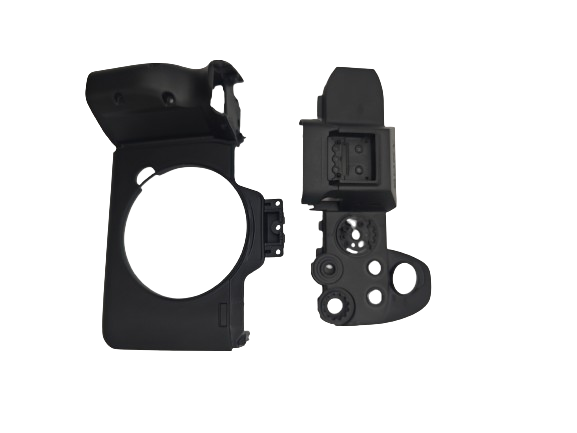
Ja, Rapid Prototyping kann sowohl für digitale als auch für physische Produkte eingesetzt werden, z. B. für Unterhaltungselektronik und Automobilteile.
Welche Werkzeuge werden beim Rapid Prototyping üblicherweise eingesetzt?
Zu den gängigen Tools gehören CAD-Software, 3D-Drucker und Wireframing-Tools für digitale Produkte.
Ist Rapid Prototyping kosteneffizient?
Auch wenn die anfänglichen Kosten aufgrund der erforderlichen Ressourcen und des Fachwissens höher sein können, überwiegen die langfristigen Einsparungen durch geringere Umgestaltungen und eine bessere Anpassung der Produkte an den Markt oft diese Kosten.
Kommentare
Neueste Beiträge
Verwandte Blogs
Der Blog von Senyo konzentriert sich darauf, unser umfassendes Wissen über die Prototypenfertigung zu teilen. Mit unseren Artikeln möchten wir Sie dabei unterstützen, Ihr Produktdesign zu optimieren und die Komplexität des Rapid Prototyping effektiver zu bewältigen.