Rapid Prototyping Kan Være en Fordelagtig Metode
Indholdsfortegnelse
Konklusion
Rapid prototyping may be a beneficial method which is frequently utilized in engineering, software development, and instructional design. The main idea behind such a process is to give the team members an opportunity to quickly create and iterate on a prototype thus resulting to a higher level of creativity, more effective problem-solving and, finally, faster innovation. The present article discusses the benefits of rapid prototyping, its use in various sectors, and the reasons why it is indispensable for any design project. People who read this article will be informed about the different ways in which rapid prototyping can be employed to make the process more efficient, to raise the standard of a product and to lower the expenses. Thus, designers, engineers, and educators cannot afford to miss this article.
Hvad er Rapid Prototyping?
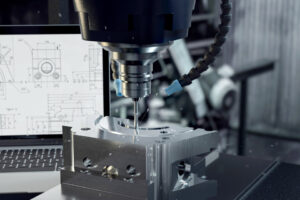
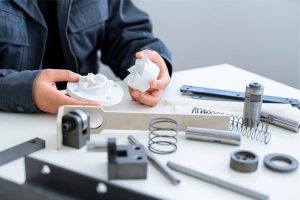
Rapid prototyping is a design process that is centered around the idea of fast production of a scaled-down version or a prototype of a product or service. The primary goal of this technique is to make the designers and engineers able to see the concept and the working of the product visually before a big production is made. Through the use of different technologies such as 3D printing, computer-aided design (CAD), and software simulations, the teams can produce models that are not only physical but also in a way the user interaction is possible.
The point of rapid prototyping is the iteration cycle. The idea is to spend less time and money on one single design, thus, the teams will be able to come up with numerous versions, test them, and get their concepts refined by real user feedback. This method is mainly useful in sectors such as software development where fast iterations can result in better user experience and functionality.
Hvorfor betragtes Rapid Prototyping som en fordelagtig metode?
Hurtig prototyping kan være en fordelagtig metode af flere grunde. For det første giver den mulighed for hurtigere iterationer, så teams kan teste og forfine deres ideer i realtid. Denne hastighed er afgørende i dagens konkurrenceprægede landskab, hvor time-to-market kan være afgørende for et produkt.For det andet fremmer det samarbejdet mellem tværfunktionelle teams. Designere, ingeniører og interessenter kan mødes for at evaluere prototyper og komme med input, så det sikres, at det endelige produkt opfylder brugernes behov og forventninger. Dette samarbejdsmiljø fremmer innovation og kreativitet, hvilket fører til mere effektive løsninger.Endelig er hurtig prototyping en omkostningseffektiv strategi. Ved at identificere designfejl tidligt i processen kan organisationer undgå dyre ændringer senere i udviklingen. Denne effektivitet sparer ikke kun penge, men reducerer også risikoen for projektforsinkelser, hvilket i sidste ende bidrager til en mere smidig udviklingsproces.
Hvordan kan Rapid Prototyping sammenlignes med traditionelle prototyping-metoder?
Usually traditional prototyping methods depict a longer and more sequential way of handling the process. On the other hand, rapid prototyping is less bound to the fixed requirements as it enables continuous iterations and feedback. Whereas traditional methods might invest up to many months in perfecting one single prototype, rapid prototyping is based on the idea that more iterations result in better outcomes.
Technology is the main point where the two methods differ. Traditional prototyping is generally done manually, while rapid prototyping is done with the help of the advanced tools and software which make it possible to give quick adjustments and modifications. Such an inclusion of technology not only opens up for a more flexible designing process, but also is in line with the fast development of the modern projects.
Kan Rapid Prototyping løse almindelige designudfordringer?
Overvindelse af designforhindringer
Designers are, in many cases, confronted with problems like vague requirements, modifications of the specifications, and the reception of the users’ feedback. Rapid prototyping is a tool that solves these problems by offering fast rounds of work and changes. Such flexibility helps to match the end product with the users’ needs and the objectives of the project without any difficulty.
Casestudier i succes
For instance, a technology company might employ rapid prototyping to quickly bring to life a new idea for a mobile app. In this way, the company opened the door for user input by producing a prototype. As a result, they fine-tuned the app features based on users’ needs to a greater extent. The company thus shortened the time-to-market while at the same time the chances of app success were raised substantially as a result of the iterative process.
Hvordan anvendes Rapid Prototyping i undervisningsdesign?
In the field of instructional design, employing rapid prototyping might serve as a powerful tool to invent novel computer-based learning programs. Such a process gives freedom to instructional designers for the swift creation and testing of educational materials that are capable of satisfying the requirements of different types of learners. Through the successive versions of the same content, format, and delivery methods, instructors can increase the potency of their teaching aids.
As an illustration, rapid prototyping is capable of contributing to the creation of online learning modules where designers come up with the initial versions, collect feedback from learners, and modify the content according to the practical applications. This cyclic approach is a guarantee that the end product will be attractive, up-to-date, and efficient in the accomplishment of learning objectives.
Hvilken rolle spiller feedback i Rapid Prototyping?
Feedback is one of the essential elements in the rapid prototyping process. It steers the iterative development of the prototypes and provides the subsequent design decisions with the necessary information. Feedback, which can be user testing, peer reviews, or stakeholder input, is the main support for design teams in discovering their design functionalities and weaknesses. Frequently and early inclusion of feedback may raise the quality of the final product to a very high level. By knowing user needs and desires, the teams will be able to make the right changes that will improve the product’s functionality and usability. Such a collaborative way of working not only results in better outputs, but also, among team members and stakeholders, it creates the feeling of being owners.
Hvad er de vigtigste komponenter i en vellykket prototype?
Kritiske elementer
En vellykket prototype skal indeholde følgende komponenter:
- Funktionalitet: Prototypen skal demonstrere kernefunktionerne i det endelige produkt.
- Brugervenlighed: Den skal være brugervenlig og intuitiv.
- Feedback-mekanisme: At give brugerne mulighed for at give feedback er afgørende for iterative forbedringer.
Forbedring af prototypens effektivitet
For at forbedre effektiviteten af en prototype skal du involvere interessenter tidligt i processen, sætte klare mål og løbende forfine designet baseret på brugerfeedback. Denne tilgang vil hjælpe med at sikre, at prototypen opfylder de ønskede krav og forventninger.
Er Rapid Prototyping en brugbar metode for alle brancher?
Branchespecifikke overvejelser
Although rapid prototyping is beneficial in many ways, it is not appropriate for each sector. Take, for example, sectors that are heavily regulated, like the pharmaceutical industry, where quick changes and repetitions may conflict with compliance standards.
Begrænsninger og potentielle ulemper
Rapid prototyping consumes a lot of resources, among which are time and expertise, so it may not be possible for all organizations to carry it out. Besides that, concentrating only on the fast execution of the project can result in missing some quality or functionality aspects if it is not properly supervised.
Ofte stillede spørgsmål
Hvad er den primære fordel ved hurtig prototyping?
Hurtig prototyping giver mulighed for hurtige iterationer og brugerfeedback, hvilket fører til mere raffinerede og brugervenlige produkter.
Hvordan adskiller rapid prototyping sig fra traditionelle designmetoder?
I modsætning til traditionelle metoder lægger rapid prototyping vægt på hastighed og fleksibilitet, så designerne kan foretage ændringer baseret på feedback i realtid.
Kan rapid prototyping anvendes på fysiske produkter?
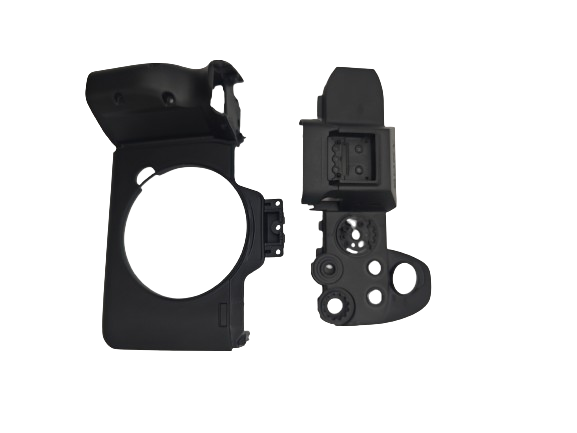
Ja, hurtig prototyping kan anvendes til både digitale og fysiske produkter, som f.eks. forbrugerelektronik og bildele.
Hvilke værktøjer bruges ofte til rapid prototyping?
Almindelige værktøjer omfatter CAD-software, 3D-printere og wireframing-værktøjer til digitale produkter.
Er hurtig prototyping omkostningseffektivt?
Selv om startomkostningerne kan være højere på grund af de ressourcer og den ekspertise, der kræves, opvejer de langsigtede besparelser fra færre redesigns og bedre tilpasning af produktet til markedet ofte disse omkostninger.
Kommentarer
Nyeste Indlæg
Relaterede Blogs
Senyo ' s blog er fokuseret på at dele vores omfattende viden om, prototype fremstilling. Gennem vores artikler, vi har til formål at støtte dig i at raffinere dit produkt design og navigere i kompleksiteten af rapid prototyping mere effektivt.