Rychlé prototypování může být výhodnou metodikou
Obsah
Závěr
Rapid prototyping may be a beneficial method which is frequently utilized in engineering, software development, and instructional design. The main idea behind such a process is to give the team members an opportunity to quickly create and iterate on a prototype thus resulting to a higher level of creativity, more effective problem-solving and, finally, faster innovation. The present article discusses the benefits of rapid prototyping, its use in various sectors, and the reasons why it is indispensable for any design project. People who read this article will be informed about the different ways in which rapid prototyping can be employed to make the process more efficient, to raise the standard of a product and to lower the expenses. Thus, designers, engineers, and educators cannot afford to miss this article.
Co je to rychlé prototypování?
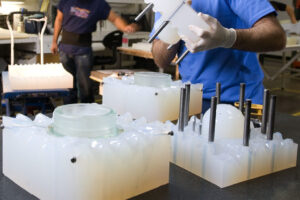
Rapid prototyping is a design process that is centered around the idea of fast production of a scaled-down version or a prototype of a product or service. The primary goal of this technique is to make the designers and engineers able to see the concept and the working of the product visually before a big production is made. Through the use of different technologies such as 3D printing, computer-aided design (CAD), and software simulations, the teams can produce models that are not only physical but also in a way the user interaction is possible.
The point of rapid prototyping is the iteration cycle. The idea is to spend less time and money on one single design, thus, the teams will be able to come up with numerous versions, test them, and get their concepts refined by real user feedback. This method is mainly useful in sectors such as software development where fast iterations can result in better user experience and functionality.
Proč je rychlé prototypování považováno za výhodnou metodiku?
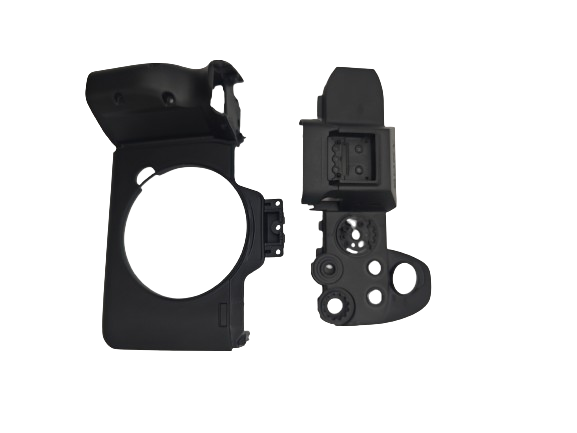
Rychlé prototypování by mohlo být výhodnou metodikou z několika důvodů. Zaprvé umožňuje rychlejší iterace a umožňuje týmům testovat a zdokonalovat své nápady v reálném čase. Tato rychlost je v dnešním konkurenčním prostředí, kdy čas potřebný k uvedení produktu na trh může rozhodnout o jeho úspěchu, klíčová.Za druhé, podporuje spolupráci mezi týmy, které se zabývají různými funkcemi. Designéři, inženýři a zainteresované strany se mohou sejít, aby společně vyhodnotili prototypy a poskytli své podněty, čímž se zajistí, že konečný produkt splní potřeby a očekávání uživatelů. Toto prostředí spolupráce podporuje inovace a kreativitu, což vede k efektivnějším řešením.A konečně, rychlé prototypování je nákladově efektivní strategie. Díky včasnému odhalení chyb v návrhu se organizace mohou vyhnout nákladným změnám v pozdější fázi vývoje. Tato efektivita nejen šetří peníze, ale také snižuje riziko zpoždění projektu, což v konečném důsledku přispívá k hladšímu průběhu vývoje.
Jak se Rapid Prototyping liší od tradičních metod prototypování?
Usually traditional prototyping methods depict a longer and more sequential way of handling the process. On the other hand, rapid prototyping is less bound to the fixed requirements as it enables continuous iterations and feedback. Whereas traditional methods might invest up to many months in perfecting one single prototype, rapid prototyping is based on the idea that more iterations result in better outcomes.
Technology is the main point where the two methods differ. Traditional prototyping is generally done manually, while rapid prototyping is done with the help of the advanced tools and software which make it possible to give quick adjustments and modifications. Such an inclusion of technology not only opens up for a more flexible designing process, but also is in line with the fast development of the modern projects.
Může rychlé prototypování vyřešit běžné problémy s designem?
Překonávání překážek při navrhování
Designers are, in many cases, confronted with problems like vague requirements, modifications of the specifications, and the reception of the users’ feedback. Rapid prototyping is a tool that solves these problems by offering fast rounds of work and changes. Such flexibility helps to match the end product with the users’ needs and the objectives of the project without any difficulty.
Případové studie úspěchu
For instance, a technology company might employ rapid prototyping to quickly bring to life a new idea for a mobile app. In this way, the company opened the door for user input by producing a prototype. As a result, they fine-tuned the app features based on users’ needs to a greater extent. The company thus shortened the time-to-market while at the same time the chances of app success were raised substantially as a result of the iterative process.
Jak se rychlé prototypování používá v designu výuky?
In the field of instructional design, employing rapid prototyping might serve as a powerful tool to invent novel computer-based learning programs. Such a process gives freedom to instructional designers for the swift creation and testing of educational materials that are capable of satisfying the requirements of different types of learners. Through the successive versions of the same content, format, and delivery methods, instructors can increase the potency of their teaching aids.
As an illustration, rapid prototyping is capable of contributing to the creation of online learning modules where designers come up with the initial versions, collect feedback from learners, and modify the content according to the practical applications. This cyclic approach is a guarantee that the end product will be attractive, up-to-date, and efficient in the accomplishment of learning objectives.
Jakou roli hraje zpětná vazba při rychlém prototypování?
Feedback is one of the essential elements in the rapid prototyping process. It steers the iterative development of the prototypes and provides the subsequent design decisions with the necessary information. Feedback, which can be user testing, peer reviews, or stakeholder input, is the main support for design teams in discovering their design functionalities and weaknesses. Frequently and early inclusion of feedback may raise the quality of the final product to a very high level. By knowing user needs and desires, the teams will be able to make the right changes that will improve the product’s functionality and usability. Such a collaborative way of working not only results in better outputs, but also, among team members and stakeholders, it creates the feeling of being owners.
Jaké jsou klíčové součásti úspěšného prototypu?
Kritické prvky
Úspěšný prototyp by měl obsahovat následující součásti:
- Funkčnost: Prototyp musí demonstrovat základní funkce konečného produktu.
- Použitelnost: Měl by být uživatelsky přívětivý a intuitivní.
- Mechanismus zpětné vazby: Umožnit uživatelům poskytovat zpětnou vazbu je klíčové pro opakované zlepšování.
Zvýšení účinnosti prototypu
Chcete-li zvýšit efektivitu prototypu, zapojte zainteresované strany do procesu již na počátku, stanovte jasné cíle a průběžně návrh vylepšujte na základě zpětné vazby od uživatelů. Tento přístup pomůže zajistit, aby prototyp splňoval požadované požadavky a očekávání.
Je rychlé prototypování životaschopnou metodou pro všechna odvětví?
Úvahy specifické pro dané odvětví
Although rapid prototyping is beneficial in many ways, it is not appropriate for each sector. Take, for example, sectors that are heavily regulated, like the pharmaceutical industry, where quick changes and repetitions may conflict with compliance standards.
Omezení a potenciální nevýhody
Rapid prototyping consumes a lot of resources, among which are time and expertise, so it may not be possible for all organizations to carry it out. Besides that, concentrating only on the fast execution of the project can result in missing some quality or functionality aspects if it is not properly supervised.
Často kladené otázky
Jaký je hlavní přínos rychlého prototypování?
Rychlé prototypování umožňuje rychlé iterace a zpětnou vazbu od uživatelů, což vede k dokonalejším a uživatelsky přívětivějším produktům.
Jak se rapid prototyping liší od tradičních metod navrhování?
Na rozdíl od tradičních metod klade rychlá tvorba prototypů důraz na rychlost a flexibilitu a umožňuje návrhářům provádět změny na základě zpětné vazby v reálném čase.
Lze rychlé prototypování aplikovat na fyzické produkty?
Ano, rychlé prototypování lze aplikovat na digitální i fyzické produkty, například spotřební elektroniku a automobilové díly.
Jaké nástroje se běžně používají při rychlém prototypování?
Mezi běžné nástroje patří software CAD, 3D tiskárny a nástroje pro tvorbu digitálních produktů.
Je rychlé prototypování nákladově efektivní?
Počáteční náklady mohou být sice vyšší vzhledem k potřebným zdrojům a odborným znalostem, ale dlouhodobé úspory plynoucí z menšího počtu změn designu a lepšího přizpůsobení výrobku trhu často tyto náklady převáží.
Komentáře
Nejnovější Příspěvky
Související Blogy
Senyo ' s blog je zaměřen na sdílení naše rozsáhlé znalosti z prototypové výroby. Prostřednictvím našich článků, naším cílem je podporovat vás ve rafinace produktu design a navigaci složitosti rapid prototyping efektivněji.