신속한 프로토타이핑이 유리한 방법론이 될 수 있습니다.
Table of Contents
결론
Rapid prototyping may be a beneficial method which is frequently utilized in engineering, software development, and instructional design. The main idea behind such a process is to give the team members an opportunity to quickly create and iterate on a prototype thus resulting to a higher level of creativity, more effective problem-solving and, finally, faster innovation. The present article discusses the benefits of rapid prototyping, its use in various sectors, and the reasons why it is indispensable for any design project. People who read this article will be informed about the different ways in which rapid prototyping can be employed to make the process more efficient, to raise the standard of a product and to lower the expenses. Thus, designers, engineers, and educators cannot afford to miss this article.
래피드 프로토타이핑이란 무엇인가요?
Rapid prototyping is a design process that is centered around the idea of fast production of a scaled-down version or a prototype of a product or service. The primary goal of this technique is to make the designers and engineers able to see the concept and the working of the product visually before a big production is made. Through the use of different technologies such as 3D printing, computer-aided design (CAD), and software simulations, the teams can produce models that are not only physical but also in a way the user interaction is possible.
The point of rapid prototyping is the iteration cycle. The idea is to spend less time and money on one single design, thus, the teams will be able to come up with numerous versions, test them, and get their concepts refined by real user feedback. This method is mainly useful in sectors such as software development where fast iterations can result in better user experience and functionality.
래피드 프로토타이핑이 유리한 방법론으로 간주되는 이유는 무엇인가요?
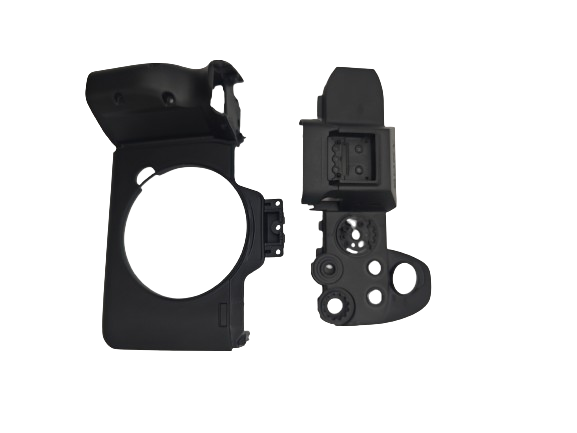
래피드 프로토타이핑은 여러 가지 이유로 유리한 방법론이 될 수 있습니다. 첫째, 더 빠른 반복이 가능하여 팀이 실시간으로 아이디어를 테스트하고 개선할 수 있습니다. 출시 시간이 제품의 성패를 좌우하는 오늘날의 경쟁 환경에서는 이러한 속도가 매우 중요합니다.둘째, 여러 부서로 구성된 팀 간의 협업을 촉진합니다. 디자이너, 엔지니어, 이해관계자가 함께 모여 프로토타입을 평가하고 의견을 제공함으로써 최종 제품이 사용자의 요구와 기대에 부합하는지 확인할 수 있습니다. 이러한 협업 환경은 혁신과 창의성을 촉진하여 보다 효과적인 솔루션으로 이어집니다.마지막으로, 신속한 프로토타이핑은 비용 효율적인 전략입니다. 프로세스 초기에 설계 결함을 식별함으로써 조직은 개발 후반에 많은 비용이 드는 변경을 피할 수 있습니다. 이러한 효율성은 비용을 절감할 뿐만 아니라 프로젝트 지연의 위험을 줄여 궁극적으로 더 원활한 개발 프로세스에 기여합니다.
래피드 프로토타이핑은 기존 프로토타이핑 방법과 어떻게 다른가요?
Usually traditional prototyping methods depict a longer and more sequential way of handling the process. On the other hand, rapid prototyping is less bound to the fixed requirements as it enables continuous iterations and feedback. Whereas traditional methods might invest up to many months in perfecting one single prototype, rapid prototyping is based on the idea that more iterations result in better outcomes.
Technology is the main point where the two methods differ. Traditional prototyping is generally done manually, while rapid prototyping is done with the help of the advanced tools and software which make it possible to give quick adjustments and modifications. Such an inclusion of technology not only opens up for a more flexible designing process, but also is in line with the fast development of the modern projects.
래피드 프로토타이핑으로 일반적인 디자인 문제를 해결할 수 있을까요?
디자인 장애물 극복하기
Designers are, in many cases, confronted with problems like vague requirements, modifications of the specifications, and the reception of the users’ feedback. Rapid prototyping is a tool that solves these problems by offering fast rounds of work and changes. Such flexibility helps to match the end product with the users’ needs and the objectives of the project without any difficulty.
성공 사례 연구
For instance, a technology company might employ rapid prototyping to quickly bring to life a new idea for a mobile app. In this way, the company opened the door for user input by producing a prototype. As a result, they fine-tuned the app features based on users’ needs to a greater extent. The company thus shortened the time-to-market while at the same time the chances of app success were raised substantially as a result of the iterative process.
래피드 프로토타이핑은 교육 설계에 어떻게 적용되나요?
In the field of instructional design, employing rapid prototyping might serve as a powerful tool to invent novel computer-based learning programs. Such a process gives freedom to instructional designers for the swift creation and testing of educational materials that are capable of satisfying the requirements of different types of learners. Through the successive versions of the same content, format, and delivery methods, instructors can increase the potency of their teaching aids.
As an illustration, rapid prototyping is capable of contributing to the creation of online learning modules where designers come up with the initial versions, collect feedback from learners, and modify the content according to the practical applications. This cyclic approach is a guarantee that the end product will be attractive, up-to-date, and efficient in the accomplishment of learning objectives.
신속한 프로토타이핑에서 피드백은 어떤 역할을 하나요?
Feedback is one of the essential elements in the rapid prototyping process. It steers the iterative development of the prototypes and provides the subsequent design decisions with the necessary information. Feedback, which can be user testing, peer reviews, or stakeholder input, is the main support for design teams in discovering their design functionalities and weaknesses. Frequently and early inclusion of feedback may raise the quality of the final product to a very high level. By knowing user needs and desires, the teams will be able to make the right changes that will improve the product’s functionality and usability. Such a collaborative way of working not only results in better outputs, but also, among team members and stakeholders, it creates the feeling of being owners.
성공적인 프로토타입의 핵심 구성 요소는 무엇인가요?
중요 요소
성공적인 프로토타입에는 다음 구성 요소가 포함되어야 합니다:
- 기능: 프로토타입은 최종 제품의 핵심 기능을 보여 주어야 합니다.
- 사용성: 사용자 친화적이고 직관적이어야 합니다.
- 피드백 메커니즘: 반복적인 개선을 위해서는 사용자가 피드백을 제공할 수 있도록 허용하는 것이 중요합니다.
프로토타입 효과 향상
프로토타입의 효과를 높이려면 프로세스 초기에 이해관계자를 참여시켜 명확한 목표를 설정하고 사용자 피드백을 바탕으로 디자인을 지속적으로 개선하세요. 이러한 접근 방식은 프로토타입이 원하는 요구 사항과 기대치를 충족하는 데 도움이 됩니다.
래피드 프로토타이핑은 모든 산업에서 실행 가능한 방법일까요?
산업별 고려 사항
Although rapid prototyping is beneficial in many ways, it is not appropriate for each sector. Take, for example, sectors that are heavily regulated, like the pharmaceutical industry, where quick changes and repetitions may conflict with compliance standards.
제한 사항 및 잠재적 단점
Rapid prototyping consumes a lot of resources, among which are time and expertise, so it may not be possible for all organizations to carry it out. Besides that, concentrating only on the fast execution of the project can result in missing some quality or functionality aspects if it is not properly supervised.
Faq
신속한 프로토타이핑의 주요 이점은 무엇인가요?
신속한 프로토타이핑을 통해 빠른 반복 작업과 사용자 피드백이 가능하므로 더욱 세련되고 사용자 친화적인 제품을 만들 수 있습니다.
래피드 프로토타이핑은 기존 디자인 방법과 어떻게 다른가요?
기존 방식과 달리 래피드 프로토타이핑은 속도와 유연성을 강조하여 디자이너가 실시간 피드백에 따라 변경할 수 있습니다.
래피드 프로토타이핑을 실제 제품에도 적용할 수 있나요?
예, 래피드 프로토타이핑은 가전제품이나 자동차 부품과 같은 디지털 제품과 실제 제품 모두에 적용할 수 있습니다.
래피드 프로토타이핑에 일반적으로 사용되는 툴에는 어떤 것이 있나요?
일반적인 도구로는 디지털 제품을 위한 CAD 소프트웨어, 3D 프린터, 와이어프레임 도구 등이 있습니다.
래피드 프로토타이핑이 비용 효율적일까요?
필요한 리소스와 전문 지식으로 인해 초기 비용은 더 높을 수 있지만, 재설계 감소와 제품 시장 적합성 향상으로 인한 장기적인 절감 효과는 이러한 비용을 능가하는 경우가 많습니다.
댓글
관련 블로그
Senyo 의 블로그에 초점을 맞추고 공유하는 우리의 광범위한 지식의 시제품을 제조합니다. 우리의 기사를 통해,우리는 당신을 지원하는 정제 제품의 디자인과 탐색의 복잡한 급속한 prototyping 더 효과적으로.