A prototipagem rápida pode ser uma metodologia vantajosa
Tabela de Conteúdo
Conclusão
Rapid prototyping may be a beneficial method which is frequently utilized in engineering, software development, and instructional design. The main idea behind such a process is to give the team members an opportunity to quickly create and iterate on a prototype thus resulting to a higher level of creativity, more effective problem-solving and, finally, faster innovation. The present article discusses the benefits of rapid prototyping, its use in various sectors, and the reasons why it is indispensable for any design project. People who read this article will be informed about the different ways in which rapid prototyping can be employed to make the process more efficient, to raise the standard of a product and to lower the expenses. Thus, designers, engineers, and educators cannot afford to miss this article.
O que é a prototipagem rápida?
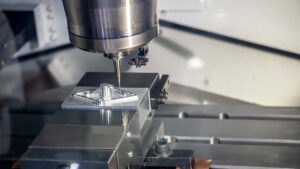
Rapid prototyping is a design process that is centered around the idea of fast production of a scaled-down version or a prototype of a product or service. The primary goal of this technique is to make the designers and engineers able to see the concept and the working of the product visually before a big production is made. Through the use of different technologies such as 3D printing, computer-aided design (CAD), and software simulations, the teams can produce models that are not only physical but also in a way the user interaction is possible.
The point of rapid prototyping is the iteration cycle. The idea is to spend less time and money on one single design, thus, the teams will be able to come up with numerous versions, test them, and get their concepts refined by real user feedback. This method is mainly useful in sectors such as software development where fast iterations can result in better user experience and functionality.
Porque é que a prototipagem rápida é considerada uma metodologia vantajosa?
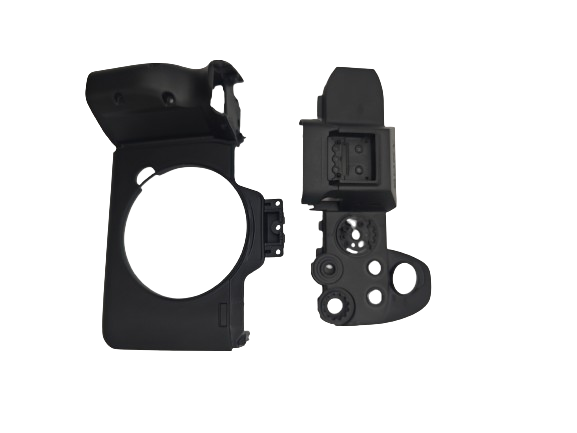
A prototipagem rápida pode ser uma metodologia vantajosa por várias razões. Em primeiro lugar, permite iterações mais rápidas, permitindo às equipas testar e aperfeiçoar as suas ideias em tempo real. Esta velocidade é crucial no atual cenário competitivo, em que o tempo de colocação no mercado pode fazer a diferença entre um produto e outro.Em segundo lugar, promove a colaboração entre equipas multifuncionais. Os designers, os engenheiros e as partes interessadas podem reunir-se para avaliar protótipos e dar o seu contributo, garantindo que o produto final satisfaz as necessidades e expectativas dos utilizadores. Este ambiente de colaboração promove a inovação e a criatividade, conduzindo a soluções mais eficazes.Por último, a prototipagem rápida é uma estratégia económica. Ao identificar as falhas de conceção numa fase inicial do processo, as organizações podem evitar alterações dispendiosas numa fase posterior do desenvolvimento. Esta eficiência não só poupa dinheiro, como também reduz o risco de atrasos no projeto, contribuindo, em última análise, para um processo de desenvolvimento mais suave.
Como é que a prototipagem rápida se compara aos métodos de prototipagem tradicionais?
Usually traditional prototyping methods depict a longer and more sequential way of handling the process. On the other hand, rapid prototyping is less bound to the fixed requirements as it enables continuous iterations and feedback. Whereas traditional methods might invest up to many months in perfecting one single prototype, rapid prototyping is based on the idea that more iterations result in better outcomes.
Technology is the main point where the two methods differ. Traditional prototyping is generally done manually, while rapid prototyping is done with the help of the advanced tools and software which make it possible to give quick adjustments and modifications. Such an inclusion of technology not only opens up for a more flexible designing process, but also is in line with the fast development of the modern projects.
A prototipagem rápida pode resolver desafios comuns de design?
Ultrapassar os obstáculos de conceção
Designers are, in many cases, confronted with problems like vague requirements, modifications of the specifications, and the reception of the users’ feedback. Rapid prototyping is a tool that solves these problems by offering fast rounds of work and changes. Such flexibility helps to match the end product with the users’ needs and the objectives of the project without any difficulty.
Estudos de casos de sucesso
For instance, a technology company might employ rapid prototyping to quickly bring to life a new idea for a mobile app. In this way, the company opened the door for user input by producing a prototype. As a result, they fine-tuned the app features based on users’ needs to a greater extent. The company thus shortened the time-to-market while at the same time the chances of app success were raised substantially as a result of the iterative process.
Como é que a prototipagem rápida é aplicada no design instrucional?
In the field of instructional design, employing rapid prototyping might serve as a powerful tool to invent novel computer-based learning programs. Such a process gives freedom to instructional designers for the swift creation and testing of educational materials that are capable of satisfying the requirements of different types of learners. Through the successive versions of the same content, format, and delivery methods, instructors can increase the potency of their teaching aids.
As an illustration, rapid prototyping is capable of contributing to the creation of online learning modules where designers come up with the initial versions, collect feedback from learners, and modify the content according to the practical applications. This cyclic approach is a guarantee that the end product will be attractive, up-to-date, and efficient in the accomplishment of learning objectives.
Qual o papel do feedback na prototipagem rápida?
Feedback is one of the essential elements in the rapid prototyping process. It steers the iterative development of the prototypes and provides the subsequent design decisions with the necessary information. Feedback, which can be user testing, peer reviews, or stakeholder input, is the main support for design teams in discovering their design functionalities and weaknesses. Frequently and early inclusion of feedback may raise the quality of the final product to a very high level. By knowing user needs and desires, the teams will be able to make the right changes that will improve the product’s functionality and usability. Such a collaborative way of working not only results in better outputs, but also, among team members and stakeholders, it creates the feeling of being owners.
Quais são os principais componentes de um protótipo bem-sucedido?
Elementos críticos
Um protótipo bem sucedido deve incluir os seguintes componentes:
- Funcionalidade: O protótipo deve demonstrar as funções essenciais do produto final.
- Usabilidade: Deve ser fácil de utilizar e intuitivo.
- Mecanismo de feedback: Permitir que os utilizadores forneçam feedback é crucial para a melhoria iterativa.
Aumentar a eficácia do protótipo
Para aumentar a eficácia de um protótipo, envolva as partes interessadas no início do processo, defina objectivos claros e aperfeiçoe continuamente a conceção com base no feedback dos utilizadores. Esta abordagem ajudará a garantir que o protótipo satisfaz os requisitos e expectativas desejados.
A prototipagem rápida é um método viável para todos os sectores?
Considerações específicas do sector
Although rapid prototyping is beneficial in many ways, it is not appropriate for each sector. Take, for example, sectors that are heavily regulated, like the pharmaceutical industry, where quick changes and repetitions may conflict with compliance standards.
Limitações e potenciais inconvenientes
Rapid prototyping consumes a lot of resources, among which are time and expertise, so it may not be possible for all organizations to carry it out. Besides that, concentrating only on the fast execution of the project can result in missing some quality or functionality aspects if it is not properly supervised.
Perguntas frequentes
Qual é a principal vantagem da prototipagem rápida?
A prototipagem rápida permite iterações rápidas e feedback dos utilizadores, conduzindo a produtos mais refinados e fáceis de utilizar.
Em que é que a prototipagem rápida difere dos métodos de conceção tradicionais?
Ao contrário dos métodos tradicionais, a prototipagem rápida privilegia a velocidade e a flexibilidade, permitindo que os designers efectuem alterações com base no feedback em tempo real.
A prototipagem rápida pode ser aplicada a produtos físicos?
Sim, a prototipagem rápida pode ser aplicada tanto a produtos digitais como a produtos físicos, como a eletrónica de consumo e peças para automóveis.
Que ferramentas são normalmente utilizadas na prototipagem rápida?
As ferramentas mais comuns incluem software CAD, impressoras 3D e ferramentas de wireframing para produtos digitais.
A prototipagem rápida é rentável?
Embora os custos iniciais possam ser mais elevados devido aos recursos e conhecimentos necessários, as poupanças a longo prazo resultantes da redução das remodelações e da melhor adequação do produto ao mercado ultrapassam frequentemente esses custos.
Comentários
Posts Mais Recentes
Blogs Relacionados
Senyo o blog é focado em compartilhar o nosso conhecimento extensivo de protótipo de fabricação. Através de nossos artigos, temos o objetivo de apoiar a refinar seu design de produto e navegação do complexidades de prototipagem rápida, mais eficaz.
Um guia definitivo para aproveitar o torno horizontal de forma eficaz
18 de novembro de 2024
Ler Mais " 
Otimização das tolerâncias de moldagem por injeção para peças de plástico
28 de novembro de 2024
Ler Mais "