La Prototipazione rapida Potrebbe Essere Vantaggioso Metodologia
Sommario
Conclusione
Rapid prototyping may be a beneficial method which is frequently utilized in engineering, software development, and instructional design. The main idea behind such a process is to give the team members an opportunity to quickly create and iterate on a prototype thus resulting to a higher level of creativity, more effective problem-solving and, finally, faster innovation. The present article discusses the benefits of rapid prototyping, its use in various sectors, and the reasons why it is indispensable for any design project. People who read this article will be informed about the different ways in which rapid prototyping can be employed to make the process more efficient, to raise the standard of a product and to lower the expenses. Thus, designers, engineers, and educators cannot afford to miss this article.
Che cos'è la prototipazione rapida?
Rapid prototyping is a design process that is centered around the idea of fast production of a scaled-down version or a prototype of a product or service. The primary goal of this technique is to make the designers and engineers able to see the concept and the working of the product visually before a big production is made. Through the use of different technologies such as 3D printing, computer-aided design (CAD), and software simulations, the teams can produce models that are not only physical but also in a way the user interaction is possible.
The point of rapid prototyping is the iteration cycle. The idea is to spend less time and money on one single design, thus, the teams will be able to come up with numerous versions, test them, and get their concepts refined by real user feedback. This method is mainly useful in sectors such as software development where fast iterations can result in better user experience and functionality.
Perché la prototipazione rapida è considerata una metodologia vantaggiosa?
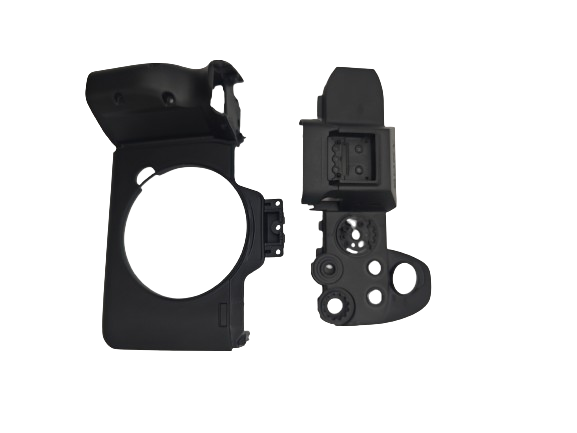
La prototipazione rapida potrebbe essere una metodologia vantaggiosa per diversi motivi. In primo luogo, consente iterazioni più rapide, permettendo ai team di testare e perfezionare le proprie idee in tempo reale. Questa velocità è cruciale nel panorama competitivo odierno, dove il time-to-market può fare la differenza tra un prodotto e l'altro.In secondo luogo, favorisce la collaborazione tra team interfunzionali. Progettisti, ingegneri e stakeholder possono riunirsi per valutare i prototipi e fornire input, assicurando che il prodotto finale soddisfi le esigenze e le aspettative degli utenti. Questo ambiente collaborativo promuove l'innovazione e la creatività, portando a soluzioni più efficaci.Infine, la prototipazione rapida è una strategia economicamente vantaggiosa. Identificando i difetti di progettazione fin dalle prime fasi del processo, le organizzazioni possono evitare costose modifiche nelle fasi successive dello sviluppo. Questa efficienza non solo fa risparmiare denaro, ma riduce anche il rischio di ritardi nel progetto, contribuendo in ultima analisi a rendere più fluido il processo di sviluppo.
Come si colloca la prototipazione rapida rispetto ai metodi di prototipazione tradizionali?
Usually traditional prototyping methods depict a longer and more sequential way of handling the process. On the other hand, rapid prototyping is less bound to the fixed requirements as it enables continuous iterations and feedback. Whereas traditional methods might invest up to many months in perfecting one single prototype, rapid prototyping is based on the idea that more iterations result in better outcomes.
Technology is the main point where the two methods differ. Traditional prototyping is generally done manually, while rapid prototyping is done with the help of the advanced tools and software which make it possible to give quick adjustments and modifications. Such an inclusion of technology not only opens up for a more flexible designing process, but also is in line with the fast development of the modern projects.
La prototipazione rapida può risolvere i problemi di progettazione più comuni?
Superare gli ostacoli alla progettazione
Designers are, in many cases, confronted with problems like vague requirements, modifications of the specifications, and the reception of the users’ feedback. Rapid prototyping is a tool that solves these problems by offering fast rounds of work and changes. Such flexibility helps to match the end product with the users’ needs and the objectives of the project without any difficulty.
Casi di successo
For instance, a technology company might employ rapid prototyping to quickly bring to life a new idea for a mobile app. In this way, the company opened the door for user input by producing a prototype. As a result, they fine-tuned the app features based on users’ needs to a greater extent. The company thus shortened the time-to-market while at the same time the chances of app success were raised substantially as a result of the iterative process.
Come si applica la prototipazione rapida alla progettazione didattica?
In the field of instructional design, employing rapid prototyping might serve as a powerful tool to invent novel computer-based learning programs. Such a process gives freedom to instructional designers for the swift creation and testing of educational materials that are capable of satisfying the requirements of different types of learners. Through the successive versions of the same content, format, and delivery methods, instructors can increase the potency of their teaching aids.
As an illustration, rapid prototyping is capable of contributing to the creation of online learning modules where designers come up with the initial versions, collect feedback from learners, and modify the content according to the practical applications. This cyclic approach is a guarantee that the end product will be attractive, up-to-date, and efficient in the accomplishment of learning objectives.
Che ruolo ha il feedback nella prototipazione rapida?
Feedback is one of the essential elements in the rapid prototyping process. It steers the iterative development of the prototypes and provides the subsequent design decisions with the necessary information. Feedback, which can be user testing, peer reviews, or stakeholder input, is the main support for design teams in discovering their design functionalities and weaknesses. Frequently and early inclusion of feedback may raise the quality of the final product to a very high level. By knowing user needs and desires, the teams will be able to make the right changes that will improve the product’s functionality and usability. Such a collaborative way of working not only results in better outputs, but also, among team members and stakeholders, it creates the feeling of being owners.
Quali sono le componenti chiave di un prototipo di successo?
Elementi critici
Un prototipo di successo dovrebbe includere i seguenti componenti:
- Funzionalità: Il prototipo deve dimostrare le funzioni principali del prodotto finale.
- Usabilità: Deve essere facile da usare e intuitivo.
- Meccanismo di feedback: Consentire agli utenti di fornire un feedback è fondamentale per il miglioramento iterativo.
Migliorare l'efficacia dei prototipi
Per migliorare l'efficacia di un prototipo, è necessario coinvolgere le parti interessate fin dalle prime fasi del processo, fissare obiettivi chiari e perfezionare continuamente il progetto in base al feedback degli utenti. Questo approccio contribuirà a garantire che il prototipo soddisfi i requisiti e le aspettative desiderate.
La prototipazione rapida è un metodo valido per tutti i settori?
Considerazioni specifiche per il settore
Although rapid prototyping is beneficial in many ways, it is not appropriate for each sector. Take, for example, sectors that are heavily regulated, like the pharmaceutical industry, where quick changes and repetitions may conflict with compliance standards.
Limitazioni e potenziali svantaggi
Rapid prototyping consumes a lot of resources, among which are time and expertise, so it may not be possible for all organizations to carry it out. Besides that, concentrating only on the fast execution of the project can result in missing some quality or functionality aspects if it is not properly supervised.
Faq
Qual è il vantaggio principale della prototipazione rapida?
La prototipazione rapida consente iterazioni rapide e feedback da parte degli utenti, che portano a prodotti più raffinati e facili da usare.
In che modo la prototipazione rapida si differenzia dai metodi di progettazione tradizionali?
A differenza dei metodi tradizionali, la prototipazione rapida enfatizza la velocità e la flessibilità, consentendo ai progettisti di apportare modifiche in base al feedback in tempo reale.
La prototipazione rapida può essere applicata ai prodotti fisici?
Sì, la prototipazione rapida può essere applicata a prodotti sia digitali che fisici, come l'elettronica di consumo e i componenti automobilistici.
Quali sono gli strumenti comunemente utilizzati nella prototipazione rapida?
Gli strumenti più comuni includono software CAD, stampanti 3D e strumenti di wireframing per prodotti digitali.
La prototipazione rapida è economicamente vantaggiosa?
Sebbene i costi iniziali possano essere più elevati a causa delle risorse e delle competenze richieste, i risparmi a lungo termine derivanti dalla riduzione delle riprogettazioni e dal miglioramento dell'adattamento al mercato dei prodotti sono spesso superiori a questi costi.
Commenti
Ultimi Post
Blog Correlati
Senyo blog è incentrato sulla condivisione della nostra conoscenza approfondita del prototipo di produzione. Attraverso i nostri articoli, abbiamo l'obiettivo di essere di supporto nella raffinazione, la progettazione del prodotto e la complessità di prototipazione rapida in modo più efficace.