
Does Nickel Rust? The Truth About Corrosion Resistance
Table of Contents
When engineers and designers are in the process of material selection for prototyping, the question they most often ask is: Does nickel rust? The short answer to that is no. Nickel does not rust. But the scientific answer is way more complex and interesting.
In the world of sheet metal fabrication and metallurgy, the importance of precise definitions cannot be overstated. “Rust” is a term that is used exclusively for the formation of iron oxide. Since nickel is not iron, it cannot rust. But, nickel is not a metal of the gods. It does interact with its surroundings. It experiences chemical changes. To be able to pick the right materials for medical devices, automotive parts, or industrial components, you first have to know how nickel works. This article delves into the chemistry of nickel. We give reasons for it resisting degradation. We also bring it metal, to, metal comparison. Besides that, we provide information on the maintenance of nickel surfaces for them to be durable.
What is Nickel?
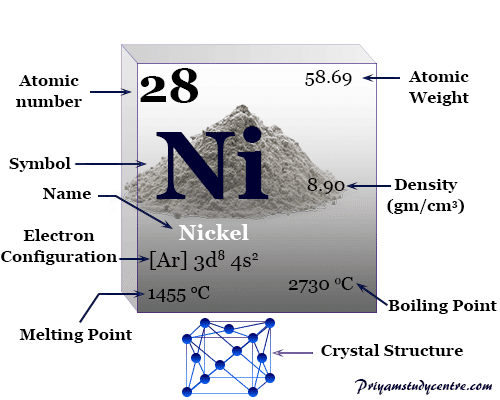
Nickel is a transition metal.
It is represented by the symbol Ni and the atomic number 28 on the periodic table. The metal has a silvery, white color that is slightly tinted with gold. Manufacturers are delighted with nickel because of its ductility and hardness.
This metal is a great source of energy for the modern industrial world. It is used in stainless steel alloys, lithium, ion batteries, and aircraft plating. Its main feature is that it is very stable. In fact, nickel is stable in air and water. Because of this stability, it is a great metal for plating those that are soft and more reactive ones.
The Core Question: Does Nickel Rust?
We need to start by defining our terms. Nickel is not a metal that rusts. Rust is a very specific chemical reaction: the oxidation of iron in the presence of water. The product formed is hydrated iron(III) oxides (Fe2O3⋅nH2O). This reddish, brown, flaky compound is the result of the metal being eaten away by rust, which eventually leads to structural failure.
Nickel, on the other hand, is a different story. When oxygen attacks nickel, the metal fights back. It produces a “passive film.” This is a very thin, invisible layer of nickel oxide (NiO). In contrast to iron oxide, nickel oxide is a very close attachment to the surface. Thus, it acts as a seal for the metal. It does not allow oxygen to reach the atoms that are underneath. Hence nickel corrodes at a negligible rate. It is not destroyed like iron but only develops a protective shell.
The Science of Passivation: Why Nickel Survives
The superiority of nickel over other metals is mainly attributed to passivation. Passivation is a spontaneous chemical phenomenon. The first thing the surface atoms of raw nickel do when you expose it to the atmosphere is to react. They seize oxygen molecules. The reaction then produces a ceramic, like barrier. We name this the oxide layer. This layer is indeed self, repairing.
If you happen to scratch a nickel, plated surface, don’t worry, the exposed nickel will still be able to react with air immediately. It will therefore regenerate the barrier. This is the reason why nickel plating is so indispensable in automotive prototyping. Automobiles become soaked and salted on the road. Yet, a nickel layer is a safe guarantee for the steel. Unfortunately, even nickel cannot resist everything. Powerful acids can remove the passive layer. Very high levels of chlorides (salt) can also penetrate the layer. Consequently, pitting corrosion will arise, which we will explain in detail later.
Factors That Make Nickel Rust Resistant
Why nickel is the preferred material for a medical device prototype and harsh industrial environments that we often wonder? Its resistance is backed by several intrinsic features. High Chemical Stability Nickel is significantly more inert than iron. It occupies a higher position on the galvanic series. It does not give away its electrons easily. This makes it thermodynamically stable in neutral environments.
The Alloying Effect We hardly ever fabricate structures of pure nickel. We alloy it. By Adding Chromium or Molybdenum to nickel, the result is super alloys. These elements not only support the passive oxide film but also become standard in CNC precision machining for aerospace parts.
Surface Finish Quality The metal topography is of great importance. A polished surface has fewer microscopic valleys. Moisture cannot trap itself easily. A smooth nickel finish resists corrosion better than a rough one. Low Reactivity with Water Water is the common enemy of most metals. Nevertheless, nickel interacts very slowly with pure water. It does not form hydroxides rapidly. This empowers nickel serves in underwater applications without immediate degradation.
Table: Corrosion Resistance Comparison
To understand where nickel stands, we must compare it to other common materials used in sheet metal fabrication.
| Metal Type | Does it Rust? | Primary Corrosion Mode | Oxide Layer Stability | Typical Application |
|---|---|---|---|---|
| Carbon Steel | Yes | Red Flaky Rust (Iron Oxide) | Unstable (Crumbles) | Structural Beams |
| Pure Nickel | No | Pitting (in harsh acids) | Highly Stable | Battery Contacts |
| Stainless Steel (304) | No | Pitting (Chloride attack) | Stable (Chromium Oxide) | Kitchenware |
| Aluminum | No | White oxidation | Stable (Aluminum Oxide) | Aerospace Frames |
| Copper | No | Patina (Green Verdigris) | Stable | Electrical Wiring |
Understanding Galvanic Corrosion in Nickel Assemblies
This part explains the kinds of assembly problems that are typical in the development of prototypes.
Even though the metal nickel is characterized with good corrosion resistance, it can cause corrosion in other metals. This is Galvanic Corrosion.
So, if you fix a nickel plate on an aluminum sheet and put saltwater on it, a battery is formed. In this case, nickel is the “noble” metal (cathode). Aluminum is the “active” metal (anode). The aluminum will corrode very fast to save the nickel.
Designers have to think about this when doing industrial prototyping. You should not allow nickel to come into direct contact with magnesium or zinc even if you do not think about insulation. Knowing the galvanic potential keeps you from having a disastrous failure in multi, metal assemblies.
Oxidized Nickel vs. Rusting: The Visual Difference
It is essential to identify differences between natural oxidation and destructive rusting for quality control purposes.
Nickel Oxidation (Tarnish): A nickel loses its brightness may. It becomes slightly dull or foggy. This is referred to as “tarnish”. It is a thin layer of corrosion products. It is superficial. It does not weaken the part. It can be removed by polishing.
Iron Rusting: Rust works like a cancer. It bubbles and flakes. It grows, thus, parts are forced apart. When rust comes, it is hard to stop it. It kills the material integrity.
Nickel tarnish is a cosmetic change. Iron rust is a structural one.
Best Methods to Clean Nickel
Maintaining nickel should be done with a gentle approach. You want to take off the tarnish without damaging the material.
- Mild Detergents: Warm water and dish soap are great for cleaning general dirt. This method removes oils that cause moisture to be trapped.
- Vinegar Solutions: If the tarnish is really that bad, try using a mixture of white vinegar and water. The mild acid dissolves the dull oxide layer.
- Ammonia: For very bright nickel finishes, metal polishes that are non, abrasive and contain ammonia will help the nickel to regain its shine.
- Avoid Steel Wool: Do not use steel wool on nickel plating under any circumstances. It leaves behind small iron particles. These particles will rust, causing it to look like the nickel has failed.
FAQs
Does Nickel Rust in Water?
No. Pure water does not harm nickel. The metal creates its protective film instantly. It remains stable in freshwater environments.
Does Nickel Rust in Salt Water?
Nickel does not “rust” in saltwater, but it suffers. Seawater contains chloride ions. These ions are very aggressive. They attack the oxide layer at the most exposed points. This creates very small holes, “pitting corrosion, ” is the name given to these tiny holes. For marine environments, we advise the use of Copper, Nickel alloys (Cupronickel) instead of pure nickel.
Does Nickel Finishing Rust?
A nickel finish, in itself, cannot rust. However, the substrate might. For example, if you plate nickel over steel, and the plating gets scratched, the steel underneath will rust. The rust will bleed through the crack. This looks like the nickel is rusting, but it is actually the steel bleeding.
Does Satin Nickel Rust?
Satin nickel is a finish style, not a different metal. It is the same chemistry. So, it will not rust. Nevertheless, the textured surface of satin finishes can trap moisture more readily than the polished surfaces. You should still clean it regularly.
Does Brushed Nickel Rust?
Brushed nickel acts the same way as satin nickel. The “brushing” process creates micro, grooves. These grooves increase the surface area. While the nickel itself will not rust, these grooves can become places where corrosive agents are trapped. It is necessary to wipe brushed nickel down more often than polished nickel.
Will Polished Nickel Rust?
No, it will not. Polished nickel is the best of all defenses. The smooth surface permits water to bead up and run off. It is the smallest surface area that is exposed to the atmosphere. The metal will tarnish eventually, which means it will turn a milky color, but it will not rust with red rust.
Does Black Nickel Rust?
Black nickel is a decorative plating. To achieve the dark color, the black nickel is usually a combination of zinc or tin with nickel. It does not rust. Nevertheless, the black nickel plating is mostly very thin. When it wears off, the base metal (generally steel or brass) is the one that is exposed. If the base is steel, the spot that is exposed will rust.
Does Cupro-Nickel Rust?
Cupro-nickel is a metal that is made by combining copper and nickel. It is well known that it does not rust. It is the gold standard in marine engineering. It is resistant to saltwater corrosion, bio, fouling (barnacles), and stress cracking. It may develop a greenish, brown protective patina but not red rust.
Does Lead Nickel Rust?
Lead and nickel do not rust. However, lead does oxidize forming a white powder. We do not use lead in modern consumer product prototyping because of its toxicity. Alloys that contain these metals are very resistant to corrosion but can be harmful to health.
Does Nickel Rust Outdoors?
Nickel is a durable metal for outdoor use. It will no longer be reflective. It will develop a patina. But it will not rot like steel does. This makes it a good choice for outdoor fixtures if you are okay with the change in appearance over time.
Conclusion
Does nickel rust? The answer is no. Nickel is very durable.
Passivation is its atomic structure which enables it to resist oxidation. However, it can tarnish, and if be exposed to a salt environment it can develop pitting, but a rust like the one we know originating from the red iron oxide will never form on nickel. Because of its great reliability, nickel is a fundamental element in the making of modern technology.
The durability that engineers can rely on is the one that nickel supplies in everything from deep, draw metal stamping to complex injection molding tools. Knowing the properties, you will be able to decide if your prototype needs polishing, brushing or black nickel. Whichever finish you go for, you are selecting a material that is made for longevity.
External Links for Reference
Here are the specific, authoritative URLs you can use for the external links section.
The Nickel Institute
- Target URL:
https://nickelinstitute.org/en/about-nickel-and-its-applications/ - Nickel Institute: Applications and Properties
- Target URL:
NIST (National Institute of Standards and Technology)
- Target URL:
https://www.nist.gov/pml/periodic-table-of-elements - NIST Periodic Table: Nickel Data
- Target URL:
Corrosionpedia
- Target URL:
https://www.corrosionpedia.com/definition/566/galvanic-corrosion - Corrosionpedia: Understanding Galvanic Corrosion
- Target URL:
ASTM International
- Target URL:
https://www.astm.org/b0117-19.html - ASTM B117 Standard for Salt Spray Testing
- Target URL:
Comments
Latest Posts
Related Blogs
Senyo’s blog is focused on sharing our extensive knowledge of prototype manufacturing. Through our articles, we aim to support you in refining your product design and navigating the complexities of rapid prototyping more effectively.