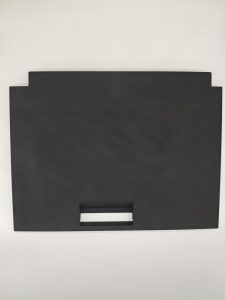
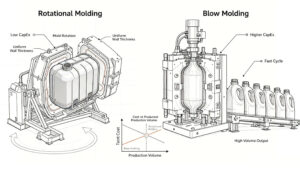
HDPE Injection Molding for Custom Component Solutions
Table of Contents
Conclusion
HDPE injection molding has become a popular manufacturing method for creating high-quality, custom plastic parts. In this guide, we explore how high-density polyethylene (HDPE) injection molding is transforming the way businesses produce components across various industries. Whether you’re new to injection molding or searching for ways to improve your production line, this article provides an in-depth look into HDPE’s advantages, the molding process, and its applications. Dive in to discover how HDPE injection molding can help your business create durable, custom solutions with impressive cost efficiency.
What is HDPE Injection Molding?
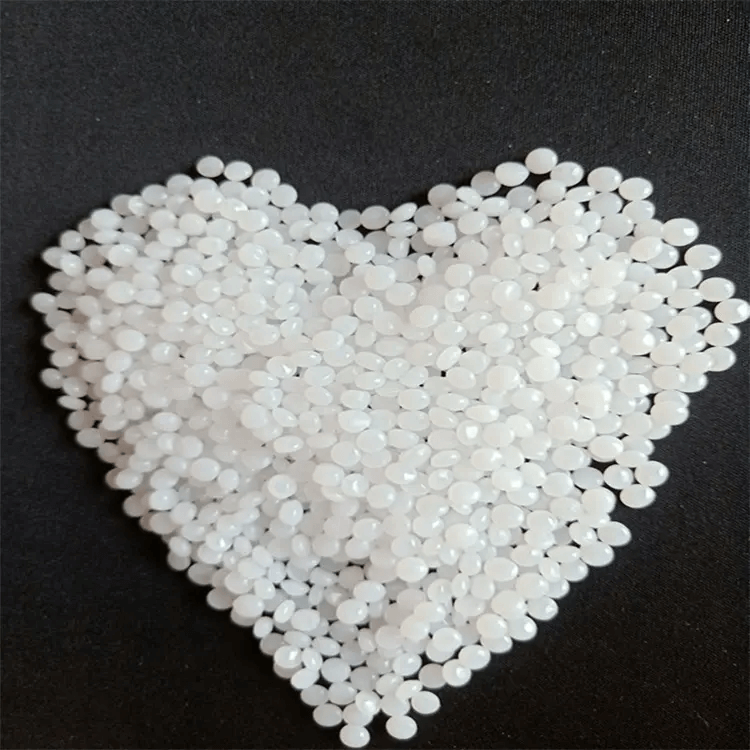
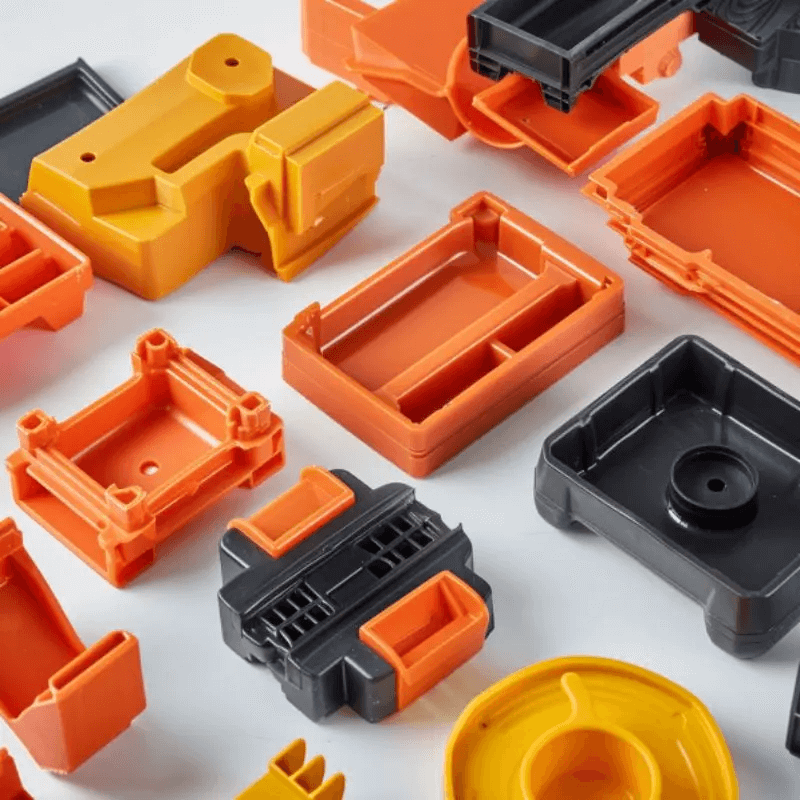
HDPE injection molding is a process that uses high-density polyethylene to create custom plastic parts. HDPE, known for its strength and flexibility, is injected into molds to create a wide range of products used in industries from packaging to construction. This process is essential for producing custom components with precise specifications while ensuring high durability.
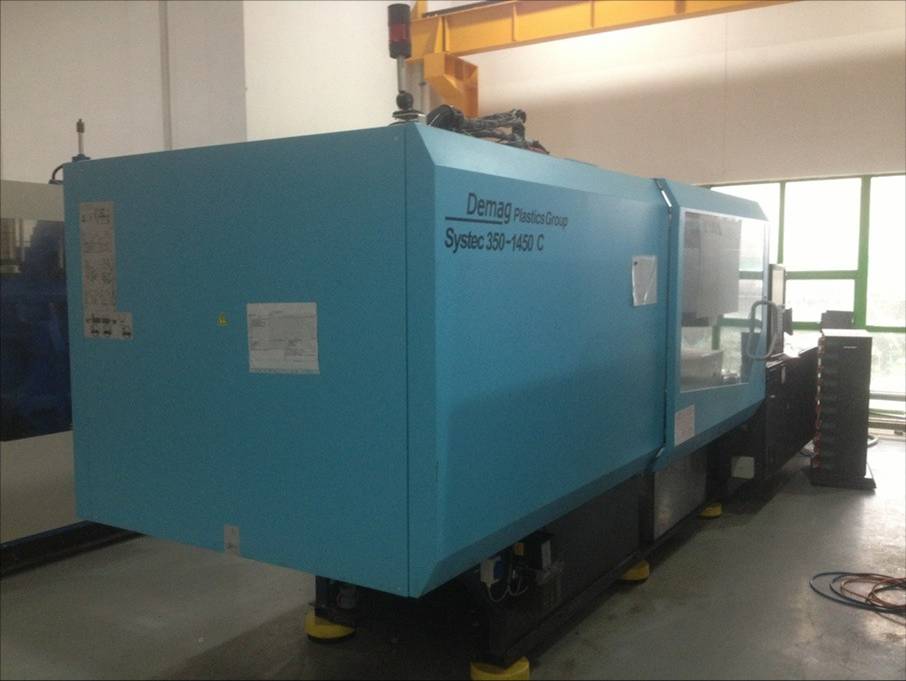
The process involves melting HDPE material and injecting it under high pressure into a mold cavity. Once cooled, the HDPE solidifies into the desired shape, making it ideal for manufacturing everything from HDPE plastic parts to durable industrial components.
Why Choose HDPE for Custom Plastic Parts?
High-density polyethylene, or HDPE, offers several unique properties that make it an excellent choice for plastic injection molding. Here are a few reasons why HDPE is highly favored in manufacturing:
- Strength and Durability: HDPE is known for its impressive strength-to-weight ratio, making it ideal for durable products that withstand wear and tear.
- Flexibility: Unlike some other plastics, HDPE can be molded into complex shapes without compromising its structural integrity.
- Cost-Effectiveness: HDPE is generally less expensive than many other materials, providing an economical solution for high-volume manufacturing.
With these qualities, HDPE injection molding provides an efficient way to produce long-lasting custom parts for various applications.
Key Applications of HDPE Injection Molding
HDPE injection molding is used across many industries due to HDPE’s versatility and durability. Some of the primary applications include:
- Packaging: HDPE is used to create strong and lightweight bottles, containers, and caps for food, beverage, and cosmetic packaging.
- Automotive: HDPE injection molding is essential for producing lightweight yet durable car components, contributing to fuel efficiency.
- Construction Materials: HDPE is often used in manufacturing pipes, fittings, and structural components due to its resistance to impact and chemicals.
Each application showcases how HDPE injection molding serves diverse industries, providing reliable injection-molded parts that meet specific needs.
Understanding HDPE Material Properties
High-density polyethylene is a versatile material with several notable properties:
- Density and Strength: HDPE is known for its high strength-to-density ratio, allowing it to withstand impact and stress.
- Chemical Resistance: HDPE is resistant to many solvents, acids, and bases, which is crucial in chemical storage and transport applications.
- Low Moisture Absorption: HDPE does not absorb moisture, making it ideal for products exposed to humid or wet environments.
- Recyclability: HDPE is a recyclable material, which is beneficial for eco-friendly manufacturing practices.
These material properties make HDPE a reliable choice for injection molding applications that require durability, flexibility, and environmental resistance.
Advantages of Using HDPE in Injection Molding
Using HDPE in injection molding offers several advantages:
- Strength and Flexibility: HDPE is tough yet flexible, allowing for intricate designs and robust end products.
- Cost Efficiency: HDPE’s cost-effectiveness makes it suitable for large production volumes without inflating budgets.
- High Chemical and Moisture Resistance: HDPE withstands various chemicals and resists moisture, making it ideal for storage and packaging.
These advantages of HDPE make it a preferred material for manufacturers who need reliable, high-quality plastic injection molding services.
The HDPE Injection Molding Process: A Step-by-Step Guide
The injection molding process for HDPE includes several stages:
- Mold Preparation: Custom molds are designed based on the part specifications, typically using CAD software to ensure precision.
- Material Injection: HDPE pellets are melted down and injected into the mold cavity under high pressure.
- Cooling: The HDPE material cools and hardens within the mold, taking the shape of the final product.
- Ejection and Inspection: The finished part is ejected from the mold and inspected for quality.
This injection molding process ensures each HDPE part is accurately produced to meet specific design needs.
What are the Common Disadvantages of HDPE?
While HDPE offers many benefits, it also has a few drawbacks:
- Limited Temperature Resistance: HDPE may deform under high temperatures, making it unsuitable for applications that require heat resistance.
- Environmental Concerns: Although HDPE is recyclable, producing it still has environmental impacts.
- Brittleness in Cold: At very low temperatures, HDPE can become brittle, which may limit its use in extreme climates.
Understanding the disadvantages of HDPE helps manufacturers assess whether it’s the best material for their applications.
HDPE vs. Other Plastic Alternatives
HDPE competes with several other plastics in injection molding, including polypropylene (PP) and polyvinyl chloride (PVC):
| Material | Advantages | Disadvantages |
|---|---|---|
| HDPE | High strength, recyclable | Limited heat resistance |
| PP | More heat-resistant | Lower chemical resistance |
| PVC | Flame-retardant, durable | Heavier, not as flexible |
Choosing the right plastic depends on the specific needs of the application, such as durability, chemical resistance, or flexibility.
How to Select an Injection Molding Service for HDPE Parts
When choosing an injection molding service for HDPE parts, consider the following:
- Experience with HDPE: Ensure the service provider specializes in HDPE molding to guarantee expertise.
- Quality Assurance: Look for services with robust quality control processes to ensure each part meets your standards.
- Production Capabilities: Verify that the provider can handle the required production volume within your timeline.
Selecting the right service ensures your HDPE plastic parts are produced efficiently and to your specifications.
Frequently Asked Questions About HDPE Injection Molding
What is the lifespan of HDPE injection-molded parts?
HDPE parts have a long lifespan due to their resistance to impact, chemicals, and moisture, lasting several years depending on use.
Can HDPE be recycled after injection molding?
Yes, HDPE is highly recyclable, making it an eco-friendly choice for manufacturers focused on sustainability.
How precise is HDPE injection molding?
HDPE injection molding is highly precise, allowing for complex shapes and intricate designs with minimal waste.
What industries benefit most from HDPE injection molding?
Industries like packaging, automotive, and construction benefit from HDPE’s durability, flexibility, and cost-effectiveness.
Is HDPE safe for food storage?
Yes, HDPE is commonly used for food-grade applications due to its resistance to chemicals and moisture.
Key Takeaways
- HDPE is a durable, versatile, and cost-effective material ideal for injection molding.
- Applications span industries from automotive to packaging, leveraging HDPE’s strength and resistance.
- The injection molding process for HDPE produces precise, custom parts.
- Choosing the right injection molding service ensures quality, efficiency, and scalability.
This guide provides a solid foundation on HDPE injection molding, helping you make informed decisions for your custom component needs.
Comments
Latest Posts
Related Blogs
Senyo’s blog is focused on sharing our extensive knowledge of prototype manufacturing. Through our articles, we aim to support you in refining your product design and navigating the complexities of rapid prototyping more effectively.