Hot Runner Systems in Injection Molding
Table of Contents
Conclusion
Hot runner systems have transformed the landscape of injection molding by enhancing efficiency and reducing material waste. This article explores the mechanics of hot runner technology, compares it with cold runner systems, and examines its advantages and applications in manufacturing.
- Hot runner systems enhance efficiency and reduce waste in injection molding.
- They maintain molten plastic temperatures, leading to faster cycle times and improved part quality.
- Types of hot runner systems include manifold systems, valve gate systems, and sequential hot runners.
- Hot runners significantly reduce material waste compared to cold runners.
- Understanding gate design is crucial for optimizing the injection molding process.
By embracing hot runner technology, manufacturers can achieve greater efficiency, reduced waste, and improved product quality, making it a compelling choice for modern injection molding applications.
What is and Where is a Hot Runner System?
A hot runner system is a specialized system used in injection molding that keeps the plastic material in a molten state as it travels through the runner channels to the mold cavities. Unlike cold runner systems, which allow the material to solidify before entering the mold, hot runners maintain a consistent temperature, ensuring efficient material flow and reducing waste.
Hot runner systems are commonly used in various industries, including automotive, consumer goods, and medical devices. By minimizing scrap material and improving production efficiency, these systems play a crucial role in enhancing the overall manufacturing process.
How Does a Hot Runner System Work?
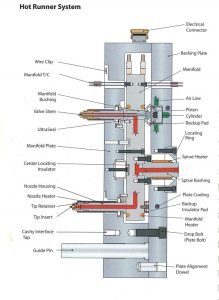
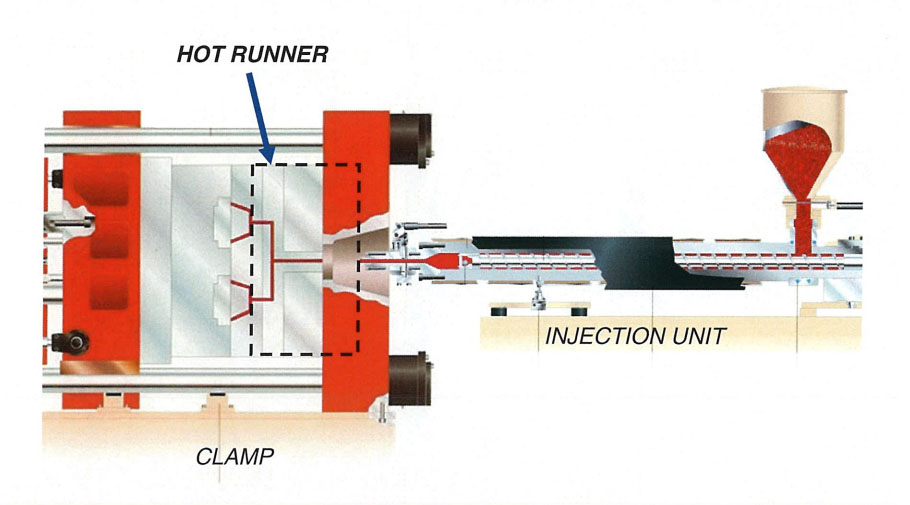
Hot runner systems operate by utilizing heated channels that transport molten plastic from the injection unit to the mold. The core components include the manifold, nozzles, and temperature controllers.
- Heating Mechanism: The manifold is equipped with heating elements that keep the plastic at the required temperature. This prevents the material from solidifying and ensures a smooth flow into the mold.
- Temperature Control: Advanced temperature controllers monitor and adjust the heat within the system, ensuring consistent material flow and quality.
When the injection process begins, the molten plastic is injected through the heated runner channels into the mold cavities. The hot runner system not only facilitates efficient filling but also enhances the quality of the finished product by reducing defects related to material cooling.
What Are the Types of Hot Runner Systems?
Hot runner systems come in various types, each designed to meet specific production needs. The main types include:
- Manifold Systems: This is the most common type, featuring a heated manifold that distributes molten plastic to multiple nozzles. It is ideal for high-volume production.
- Valve Gate Systems: These systems use a valve mechanism to control the flow of plastic into the mold cavities. This design improves precision and reduces defects.
- Sequential Hot Runners: Sequential systems inject plastic into the mold cavities in a specific order, allowing for better control of the filling process and reducing material waste.
Understanding the different types of hot runner systems helps manufacturers choose the right technology for their specific applications.
What Are the Key Advantages of Hot Runner Systems?
Hot runner systems offer several advantages that make them a preferred choice in injection molding:
- Reduced Material Waste: By eliminating the need for solid runners, hot runner systems minimize scrap material, leading to cost savings and a more sustainable process.
- Improved Cycle Times: Hot runners facilitate faster injection cycles by keeping the plastic in a molten state, increasing production efficiency.
- Better Part Quality: With consistent temperature control, hot runner systems produce parts with fewer defects, enhancing overall product quality.
These advantages highlight the effectiveness of hot runner systems in optimizing manufacturing processes and improving product reliability.
How Do Hot Runners Compare to Cold Runners?
When comparing hot runners to cold runners, several distinctions can be made:
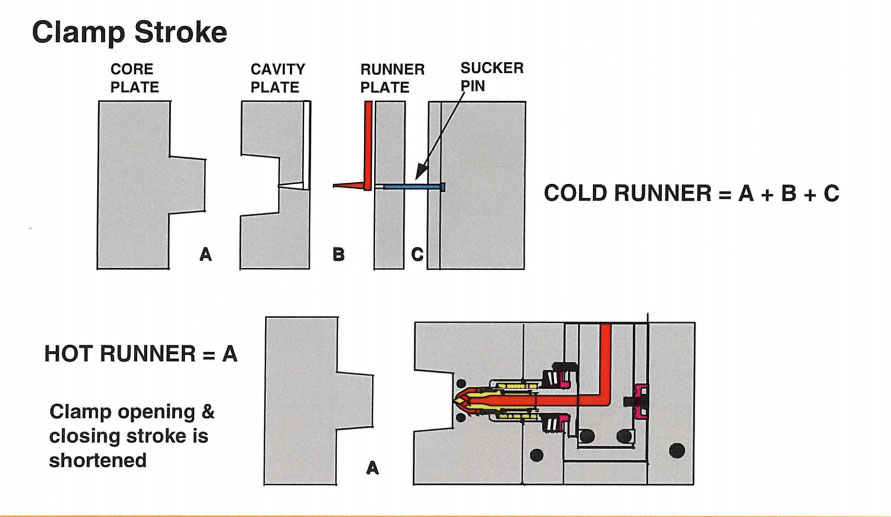
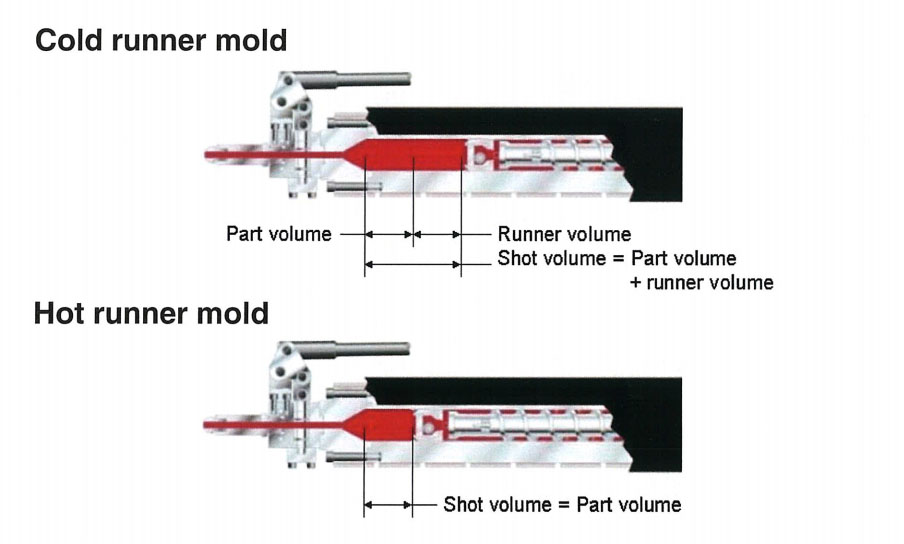
- Temperature Management: Hot runners keep the plastic heated, while cold runners allow it to cool before reaching the mold. This difference impacts the efficiency and quality of the molding process.
- Waste Reduction: Hot runner systems minimize waste by eliminating the need for runner scrap, while cold runners often generate excess material that must be trimmed away.
- Cycle Time Efficiency: Hot runners typically achieve shorter cycle times due to the elimination of cooling periods, leading to increased production rates.
The choice between hot and cold runner systems depends on specific manufacturing needs, including production volume, part complexity, and desired quality.
What Components Make Up a Hot Runner System?
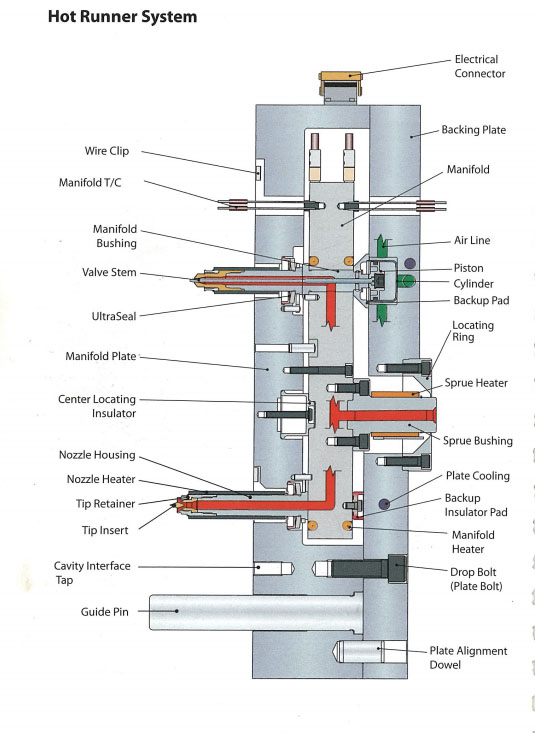
A hot runner system consists of several key components that work together to ensure efficient operation:
- Manifold: The manifold distributes the molten plastic from the injection unit to the nozzles. It is designed to maintain temperature and flow consistency.
- Nozzles: Nozzles are the final delivery point for the molten plastic before it enters the mold. They can be configured as open or valve gates, depending on the application.
- Temperature Controllers: These devices monitor and adjust the temperature throughout the hot runner system, ensuring that the material remains in a molten state.
Understanding these components is essential for effectively designing and maintaining hot runner systems in injection molding applications.
How Does Gate Design Impact Injection Molding?
Gate design plays a crucial role in the performance of hot runner systems. The gate is the point at which molten plastic enters the mold cavity, and its design can significantly affect flow characteristics, cooling rates, and overall product quality.
- Flow Control: Proper gate design can enhance the control of the injection process, ensuring consistent filling and reducing defects.
- Cooling Efficiency: An optimal gate design helps manage the cooling process, minimizing the risk of warping or sink marks in the final product.
Understanding the implications of gate design is vital for achieving optimal results in injection molding.
How Does Hot Runner Technology Affect Cycle Time?
Hot runner technology has a significant impact on cycle times in injection molding. By keeping the plastic in a molten state, hot runner systems enable faster filling of mold cavities, which can drastically reduce the time required for each cycle.
- Faster Injection Speeds: The ability to inject molten plastic quickly into the mold reduces overall cycle time, increasing production rates.
- Reduced Downtime: Hot runner systems often require less maintenance than cold runners, further enhancing efficiency by minimizing downtime.
Research indicates that manufacturers using hot runner technology can achieve a 30-50% reduction in cycle times, making them a powerful tool for improving productivity.
FAQs
What materials can be used with hot runner systems?
Hot runner systems are compatible with a variety of thermoplastics, including ABS, polycarbonate, and polypropylene. The choice of material depends on specific application requirements.
Are hot runner systems more expensive than cold runner systems?
Hot runner systems can have higher initial costs due to their complexity, but the long-term savings from reduced waste and improved cycle times often justify the investment.
What is the maintenance like for hot runner systems?
Regular maintenance involves monitoring temperature controllers, cleaning nozzles and manifolds, and checking for wear or damage. Proper maintenance ensures optimal performance and longevity.
Can hot runner systems be retrofitted onto existing molds?
Yes, many hot runner systems can be retrofitted onto existing molds, allowing manufacturers to upgrade their injection molding processes without investing in new equipment.
What are the best practices for designing a hot runner system?
Best practices include optimizing gate placement, ensuring proper heating and insulation, and selecting the appropriate nozzle design. Collaborating with experienced engineers can help achieve the best results.
Comments
Latest Posts
Related Blogs
Senyo’s blog is focused on sharing our extensive knowledge of prototype manufacturing. Through our articles, we aim to support you in refining your product design and navigating the complexities of rapid prototyping more effectively.